


Hi there — if you and your sneezes have been at odds ever since you adopted a furry friend, this relaxed guide is for you. I’ll keep it friendly, light, and useful, and when it comes time for remedies, I’ll switch to a more formal and precise tone so you can safely follow along.
## Allergy Relief For Hypoallergenic Dog Breed Remedies
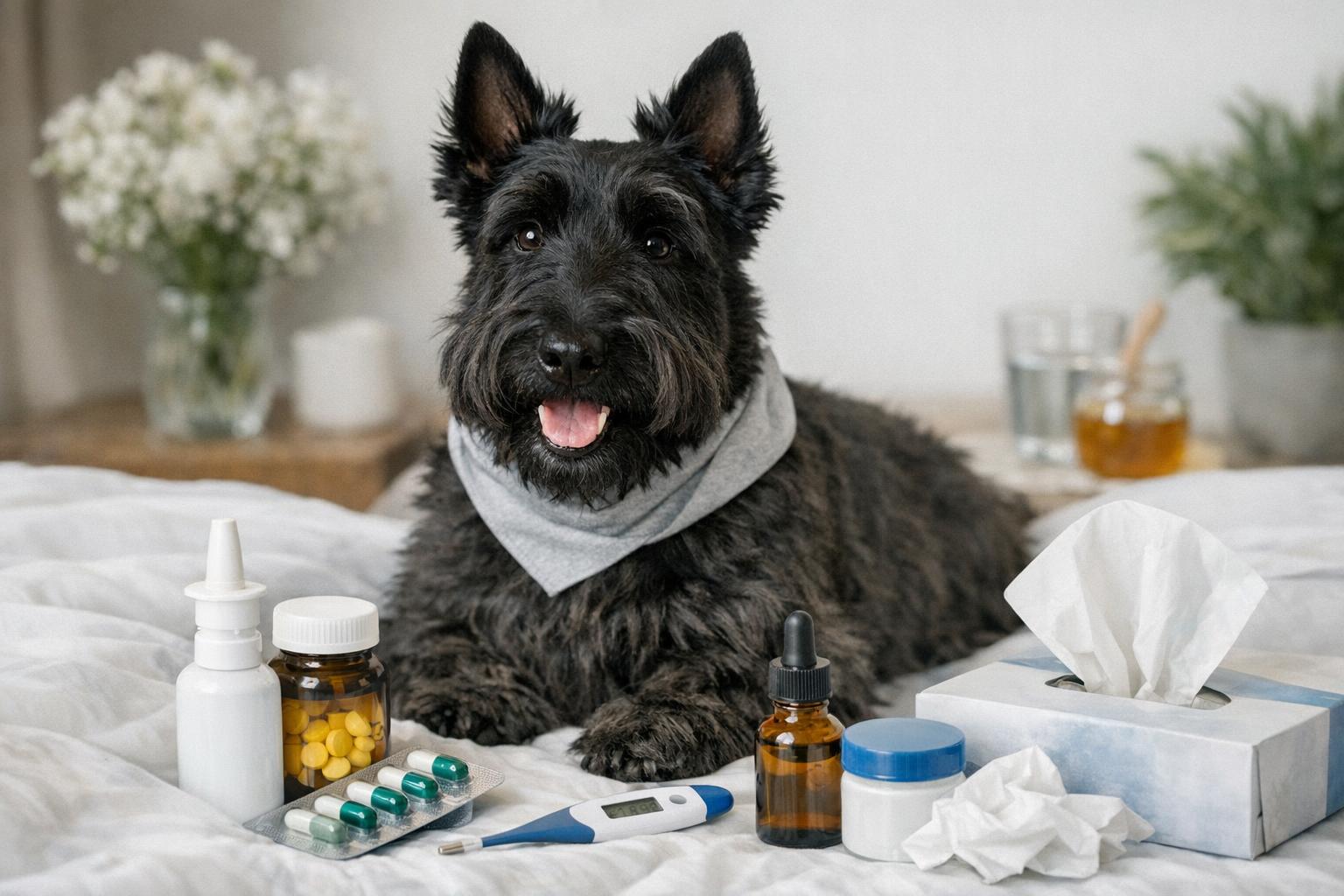
Living with a hypoallergenic dog breed can reduce allergy triggers, but it doesn’t always eliminate them. Dander, saliva, and environmental dust still cause reactions for many people. This article walks through why allergies persist, how to test what’s bothering you, and two reliable home remedies you can apply to improve your comfort without sacrificing cuddle time.
### Why Allergies Happen Even With A Hypoallergenic Dog Breed
The term hypoallergenic is helpful marketing shorthand, not a medical guarantee. A hypoallergenic dog breed tends to shed less fur or produce fewer proteins that commonly trigger allergies, but every person and pet is unique. Allergic reactions commonly come from proteins in dander and saliva that stick to furniture and clothing. Even low-shedding dogs can carry these proteins, and home environments with dust, pollen, or mold make symptoms worse.
### Simple Home Tests To Confirm The Source
If you suspect your hypoallergenic dog breed is the culprit, try a few gentle tests before committing to bigger interventions:
1. Spend a day away from the dog in a different indoor environment (relative’s house, hotel) and note symptoms.
2. Use a HEPA air purifier in one room and sleep in that room for a few nights to see if nighttime symptoms improve.
3. Ask a friend to watch your dog while you avoid direct contact for 48–72 hours, then assess changes.
These quick checks help isolate whether it’s the dog itself or other household allergens acting in concert.
## Remedy 1: Allergen-Reducing Bath For Your Hypoallergenic Dog Breed
When dander and saliva are major contributors to symptoms, controlling what’s on your dog’s coat is an efficient strategy. The following bath formulation gently reduces allergens without stripping natural oils. Follow the ingredients and steps carefully; over-bathing can irritate the skin and increase shedding.
#### Ingredients Or Materials
1. 1 cup colloidal oatmeal (finely ground oats suitable for skin)
2. 1/4 cup apple cider vinegar (diluted)
3. 1 tablespoon glycerin (skin humectant)
4. 1/4 cup mild, fragrance-free dog shampoo (hypoallergenic formula)
5. Warm water (enough to wet and rinse coat)
6. Two clean towels and a soft brush
#### Step-By-Step Creation And Application
1. Mix the Colloidal Oatmeal Base: In a bowl, combine colloidal oatmeal and warm water to make a smooth paste. The oatmeal soothes the skin and binds some allergens.
2. Add Gentle Cleanser: Stir in the fragrance-free dog shampoo and glycerin until uniformly mixed. Glycerin helps retain moisture so the coat doesn’t dry out.
3. Dilute Vinegar Rinse Separately: In a separate container, dilute apple cider vinegar with equal parts water. This final rinse helps reduce odor and can neutralize some allergenic proteins without harming the coat.
4. Wet The Coat Thoroughly: Use lukewarm water to wet the dog completely. Avoid scalding water, which can damage skin and increase shedding.
5. Apply The Mixture: Massage the oatmeal-shampoo mixture into the coat and skin, focusing on high-contact areas like the face (gently), chest, and paws. Allow the mixture to sit for 3–5 minutes—do not leave longer than recommended for your dog’s skin sensitivity.
6. Rinse Well: Rinse thoroughly with warm water. Any residue will collect dust and dander later.
7. Apply Vinegar Rinse: Pour the diluted vinegar rinse over the coat and allow it to sit 1–2 minutes, then rinse again with clean water.
8. Dry And Brush: Dry with towels and brush gently to remove loosened dander. Use a soft brush appropriate for your dog’s coat type.
Frequency: For most hypoallergenic dog breed individuals, once every 2–4 weeks is adequate. If skin becomes dry or irritated, reduce frequency and consult your veterinarian.
## Remedy 2: Home Air And Surface Management Plan For Allergy Relief
Reduction of airborne and settled allergens complements topical control. This remedy focuses on practical, evidence-based changes to the living environment. The following materials and protocol are designed to systematically lower allergen load.
#### Materials Required
1. HEPA air purifier sized for your main living area
2. Microfiber cloths and a vacuum with HEPA filtration
3. Hypoallergenic mattress and pillow covers
4. Washable slipcovers or pet blankets
5. Baking soda (optional for fabric refresh)
#### Step-By-Step Creation And Application
1. Position A HEPA Purifier: Place a HEPA air purifier in the room where you spend the most time. Run it continuously or during high-traffic periods. HEPA filters capture fine dander and pollen.
2. Establish A No-Bed Rule For Pets: Keep the dog off your bed and bedroom as much as possible. If full exclusion is unfeasible, use a washable blanket reserved for the dog and launder it frequently.
3. Implement Weekly Cleaning Routine: Vacuum floors and upholstery with a HEPA-equipped vacuum at least twice weekly. Wipe hard surfaces with a damp microfiber cloth to trap particles rather than moving them into the air.
4. Launder Fabrics Regularly: Wash bedding, curtains, and washable slipcovers in hot water (as tolerated by fabric) weekly or biweekly. Add a pre-wash of cold water if concerned about color bleed.
5. Use Hypoallergenic Bedding Barriers: Encase mattresses and pillows in allergen-proof covers to prevent buildup in porous materials.
6. Apply Baking Soda For Fabrics: Lightly sprinkle baking soda on carpets or upholstery, allow it to sit 20–30 minutes, then vacuum thoroughly to refresh and help reduce odors that can trap allergens.
7. Maintain Grooming Zones: Designate a specific area for grooming with easy-to-clean surfaces. Brush the dog outdoors when possible to limit indoor dander.
Apply this plan consistently. Environmental control compounds the benefits of direct allergen reduction on the dog’s coat.
### When To Seek Veterinary Or Medical Advice
If your hypoallergenic dog breed’s skin becomes inflamed, itchy, or develops sores after trying topical remedies, stop the treatment and consult a veterinarian. Similarly, if your symptoms worsen (severe breathing difficulty, swelling, or anaphylaxis signs), seek immediate medical care. Allergists and vets can perform specific tests to determine allergen profiles and help tailor long-term management.
### Managing Expectations And Long-Term Tips
A hypoallergenic dog breed reduces risk but rarely removes it entirely. Successful long-term relief is typically a layered approach: smart grooming, rigorous home management, and occasional medical interventions. Small, consistent habits—like scheduled baths, regular laundering, and running a HEPA purifier—often deliver the most reliable improvement. And remember: you’re not alone. Many pet lovers find the trade-off between a few extra chores and the joy of living with a dog more than worth it. A little effort goes a long way toward fewer sneezes and more snuggles.




















Leave a Reply