



## Cat Preventive Medicine Basics
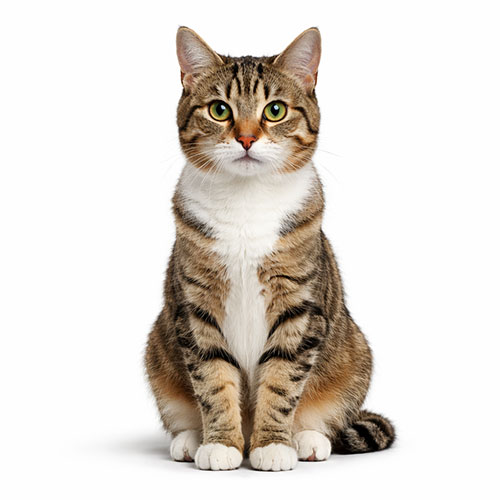
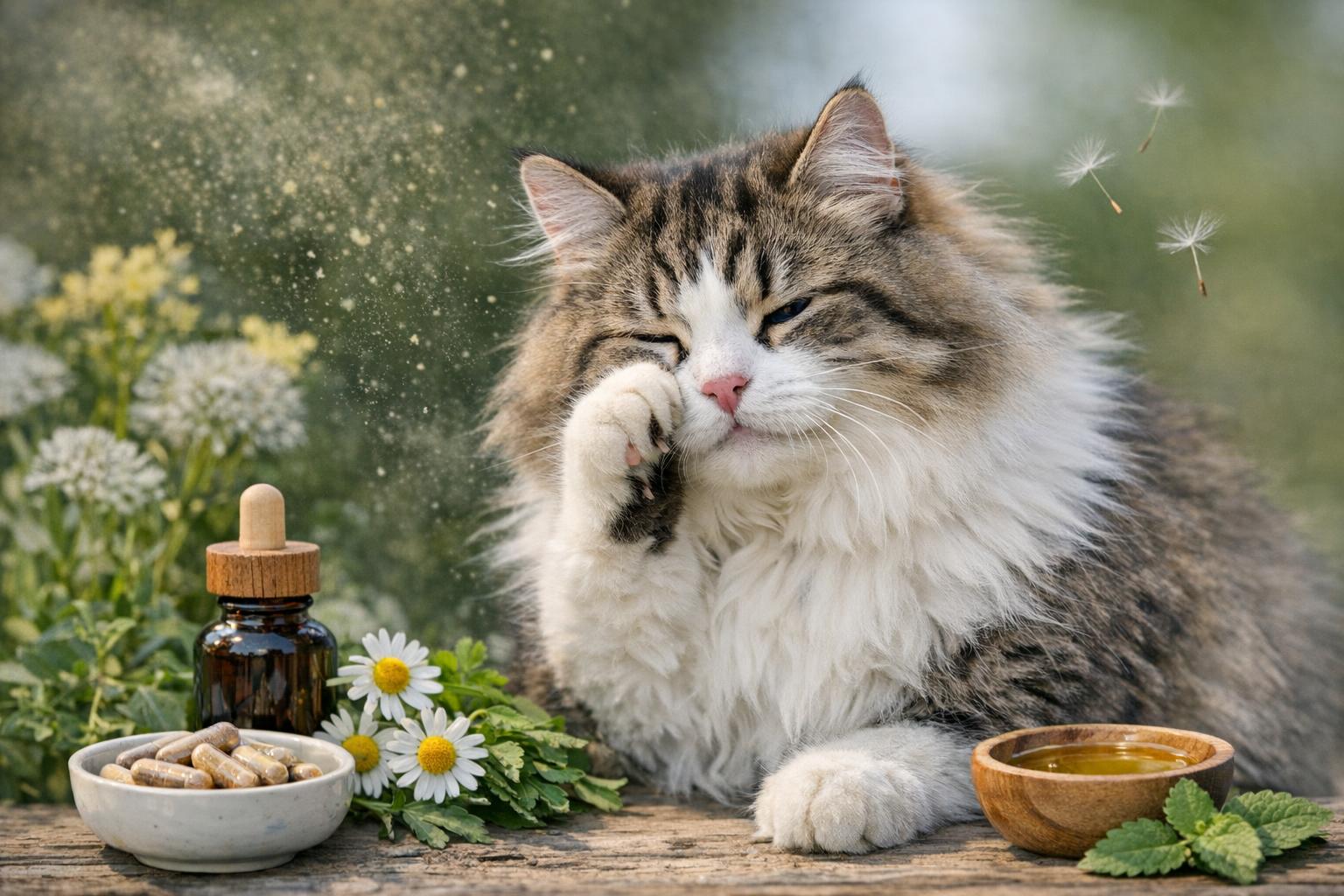
Keeping a cat healthy is often less about dramatic interventions and more about consistent, small habits. Cat preventive medicine is the collection of those everyday choices — vet visits, parasite control, nutrition, grooming and environmental enrichment — that keep your feline friend purring and out of trouble. Think of it as preventative TLC: a little time now prevents a lot of anxious vet nights later.
### Vet Checkups And Vaccinations
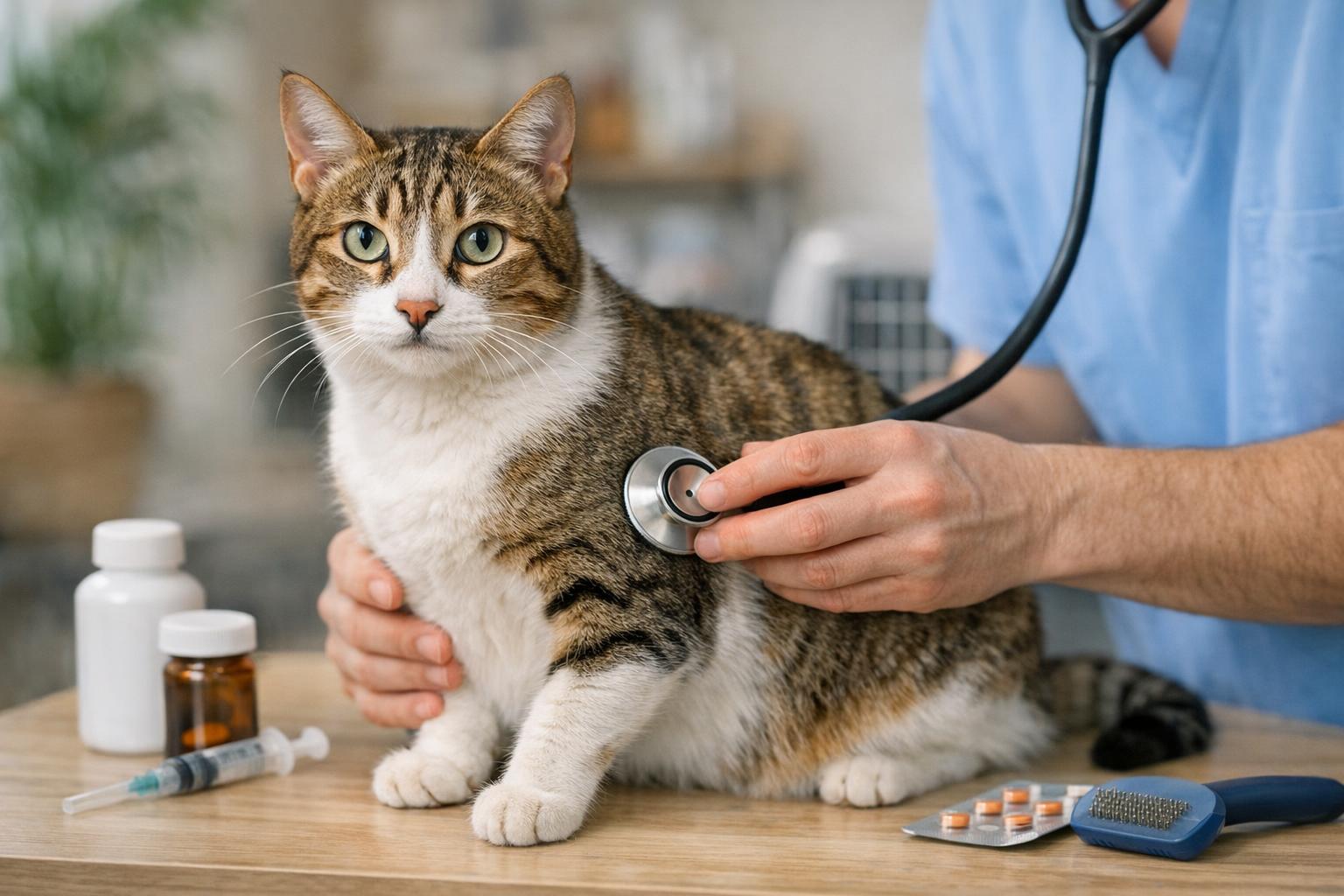
Regular veterinary checkups are the backbone of cat preventive medicine. Kittens need a series of vaccinations and deworming doses; adult cats benefit from annual or biannual exams depending on age and health. During a checkup the vet will assess body condition, oral health, skin and coat, and may perform blood work to screen for common age-related issues.
Vaccination schedules vary by region and lifestyle (indoor-only vs outdoor access). Core vaccines typically include against feline panleukopenia, calicivirus, rhinotracheitis (herpesvirus) and rabies where required by law. Non-core vaccines, like FeLV, may be advised for outdoor or higher-risk cats. Keep a written or digital vaccination record and bring it to every appointment.
### Parasite Control: Fleas, Ticks And Worms
Parasites are a major focus of cat preventive medicine because they’re common, uncomfortable, and in some cases can spread disease to people. Use veterinarian-recommended flea/tick preventives and heartworm/worm control products. Many spot-on treatments are safe and effective; oral medications and collars are other options. Always use products specifically formulated for cats — dog products can be toxic.
If you prefer natural adjuncts, keep environmental control in mind: regular vacuuming, washing bedding, and limiting rodent access reduce flea and tick pressure. Natural sprays (see Remedy 1 below) can be a supplementary measure but should never replace veterinarian-prescribed parasite control in high-risk situations.
### Nutrition, Weight And Daily Health
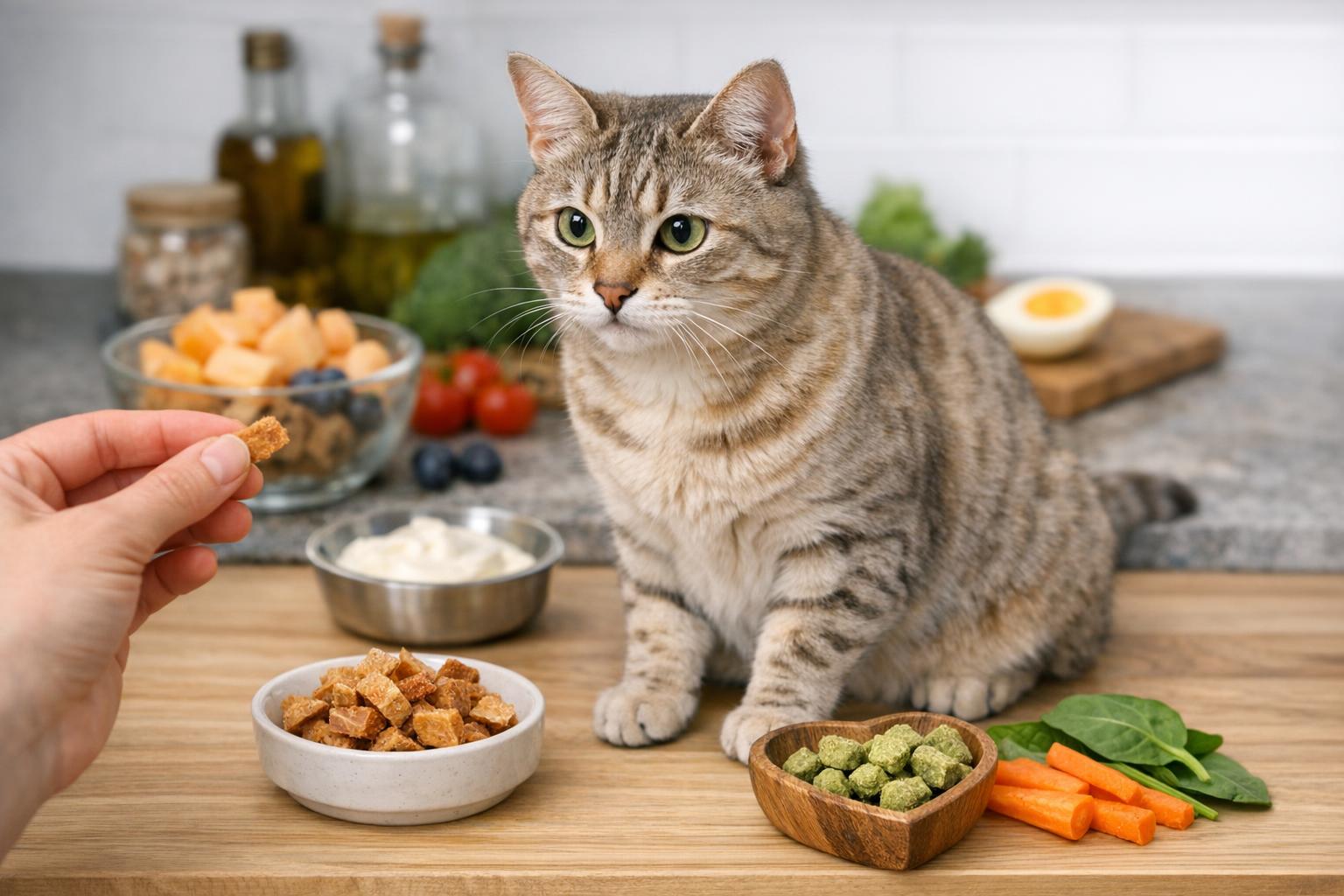
What your cat eats and how much has a huge impact on long-term health. A balanced diet appropriate for life stage (kitten, adult, senior) and health status (e.g., renal diets for chronic kidney disease) is part of effective cat preventive medicine. Avoid overfeeding and monitor body condition score monthly. Sudden weight change, increased drinking, or litter box irregularities merit a vet visit.
Provide fresh water daily; consider a cat fountain to encourage drinking. If you’re tempted to make home-cooked meals, consult your vet or a veterinary nutritionist — deficiencies can be subtle but serious.
### Dental Care And Grooming
Oral health is often overlooked, but periodontal disease is the most common clinical sign of illness in adult cats. Daily toothbrushing with cat-safe toothpaste, dental diets, and routine dental cleanings when recommended are essential parts of cat preventive medicine. Brushing two to three times per week can still significantly reduce plaque.
Grooming also helps spot skin issues, parasites or lumps early. Regular nail trims, coat brushing, and occasional baths for longhaired breeds reduce matting and discomfort. If your cat resists nail trims or brushing, desensitize them with short, positive sessions.
## 1. Natural Flea And Tick Spray
(Use Numbering In Headline Per Remedy Rule)
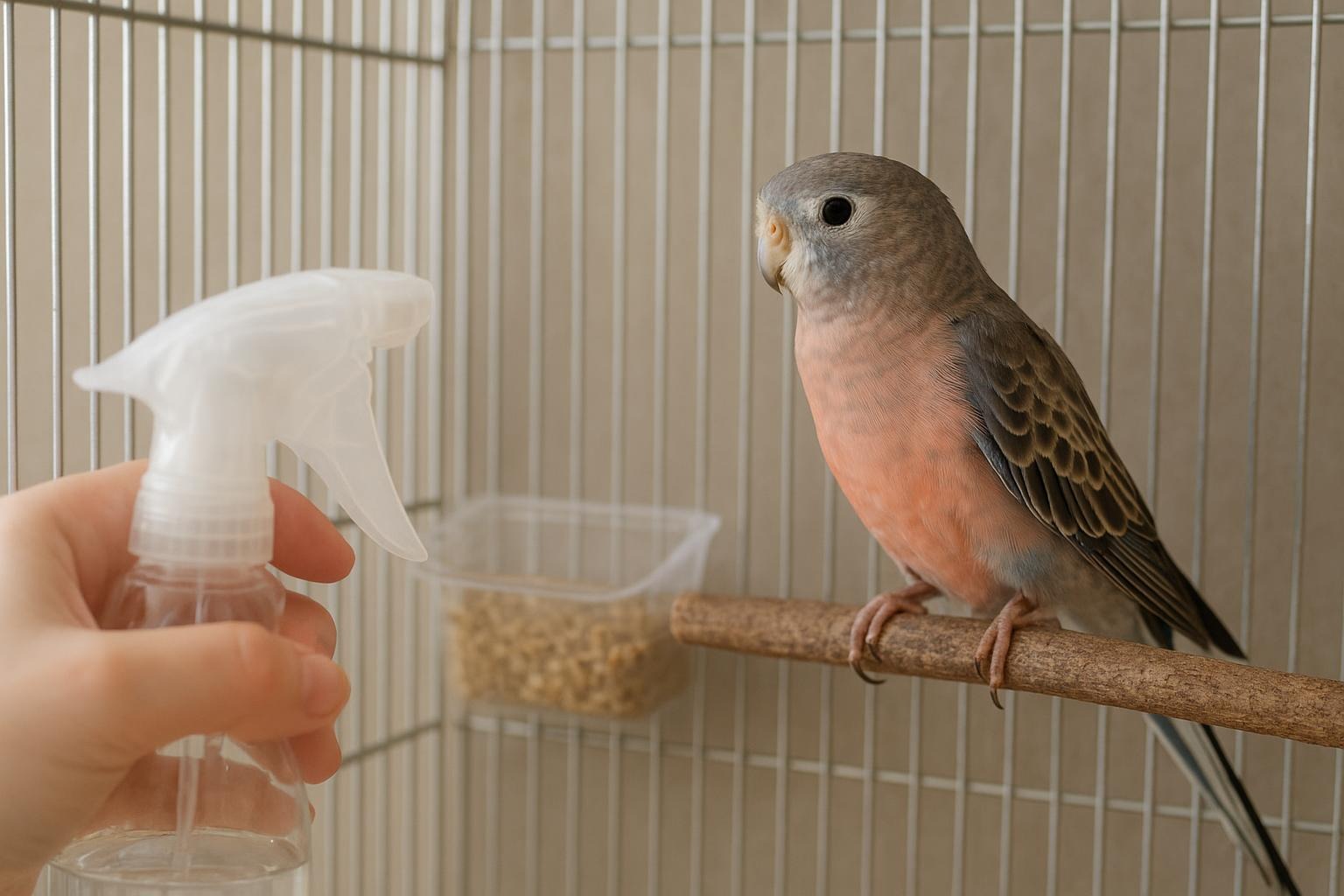
When used as a supplementary environmental control, a gentle, natural flea and tick spray can help reduce pest numbers on bedding and in resting areas. This remedy is not a replacement for veterinarian-approved systemic preventives on cats at risk, but it can safely be used around the home to support cat preventive medicine.
### Ingredients
#### Required Materials
– 1 cup distilled water
– 1 cup white vinegar (5% acidity)
– 2 tablespoons fresh rosemary leaves or 1 tablespoon dried rosemary
– 10 drops lavender essential oil (use only if cat is tolerant and never apply directly to skin without vet approval)
– 10 drops cedarwood essential oil (optional; cedar is repellent to many arthropods)
– Spray bottle (glass preferred if using essential oils)
– Fine mesh strainer or cheesecloth
### Preparation And Safety Notes
1. Bring the distilled water to a gentle simmer. Remove from heat.
2. Add rosemary and steep for 20–30 minutes, covered, to extract oils.
3. Strain infusion through a fine mesh or cheesecloth into a clean container.
4. Mix the rosemary infusion with the white vinegar.
5. Add essential oils, if using. Swirl gently — do not shake vigorously.
6. Pour into spray bottle and label clearly with the date and contents. Store in a cool, dark place and use within 2–3 weeks.
Safety: Essential oils can be toxic to cats if used in high concentrations or applied directly. Limit lavender and cedarwood to the amounts listed, and avoid spraying directly on the cat. Patch-test a small area of bedding first to check for discoloration or odor sensitivity.
### Application Steps
1. Remove your cat from the area to be treated and ensure good ventilation.
2. Lightly mist bedding, carpets, and soft furnishings from a distance of about 12–18 inches. Do not saturate.
3. Allow treated items to dry completely before allowing the cat back into the area.
4. Repeat weekly during peak flea season or after exposure to tick-prone environments.
5. Combine this spray with regular vacuuming and washing of bedding in hot water for best results.
## 2. Homemade Ear Cleaner For Cats
(Use Numbering In Headline Per Remedy Rule)
Ear problems can be irritating and escalate quickly if ignored. This homemade ear cleaner is intended for routine maintenance in healthy cats with no active infection. If ears are red, swollen, have a foul odor, or your cat shows pain, seek veterinary evaluation before using any home remedy.
### Ingredients
#### Required Materials
– 1/4 cup distilled water
– 1/4 cup 3% hydrogen peroxide OR sterile saline solution (choose saline for more frequent use)
– 1 teaspoon witch hazel (optional, for mild antiseptic action)
– Cotton balls or gauze (do not use cotton swabs inside the ear canal)
– Small bowl
– Towel for restraint
### Preparation
1. Mix distilled water and hydrogen peroxide (or sterile saline) in the small bowl. Add witch hazel and mix gently.
2. Pour the mixture into a clean squeeze bottle or leave in the bowl for application with cotton.
Safety: Hydrogen peroxide should be used sparingly and not in inflamed or perforated eardrums. For routine maintenance, sterile saline is gentler and suitable for frequent use.
### Application Steps
1. Towel-wrap the cat gently to limit sudden movements. Have a helper if needed.
2. Gently lift the ear flap and visually inspect for redness, swelling, debris, or discharge.
3. Soak a cotton ball or gauze with the solution. Never insert anything into the ear canal beyond where you can see.
4. Wipe the visible part of the ear and the entrance to the canal with the moistened cotton, removing debris. Do not push debris deeper.
5. If using hydrogen peroxide, allow it to bubble and then gently wipe away. Follow with a saline rinse if desired.
6. Repeat on the other ear. Use once weekly for maintenance or as advised by your veterinarian.
7. If signs of infection (odor, heavy discharge, extreme sensitivity) are present, stop home care and get veterinary help.
### When To See The Vet
If ear symptoms persist after a single gentle cleaning, or if your cat shows head tilting, loss of balance, heavy discharge, or pain, contact your veterinarian. Lab work, cytology or culture, and prescription medication may be necessary.
## Lifestyle Habits To Prevent Disease
### Enrichment And Stress Reduction
Environmental enrichment is a surprisingly powerful part of cat preventive medicine. Stress contributes to illness — urinary issues, skin problems and behavioral changes. Provide vertical spaces, hiding spots, puzzle feeders, scheduled play sessions, and quiet places for rest. Rotate toys and vary play routines to keep the brain engaged.
### Litter Box Management And Cleanliness
Clean litter boxes promptly; a dirty box is stressful and may lead to inappropriate elimination. Rule of thumb: one box per cat plus one extra. Type of litter and box location matter for many cats. Regularly wash feeding bowls, clean bedding, and maintain a flea-free environment.
### Record Keeping And Monitoring
Keep a basic health journal: weight, appetite, litter box habits, and behavioral changes. Early detection is central to effective cat preventive medicine. If you notice subtle shifts — less grooming, hiding, changes in social behavior — consult your vet. Small changes rarely resolve the same day; catching trends early saves time, money and heartache.
Keep an open line with your veterinarian, use home remedies only as adjuncts when appropriate, and prioritize licensed veterinary care for anything beyond routine maintenance. Your cat will thank you with naps, head bumps and the occasional graceful disdain that only a content cat can deliver.

















Leave a Reply