
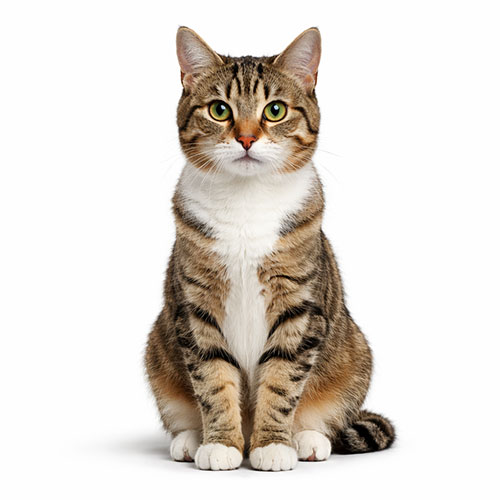




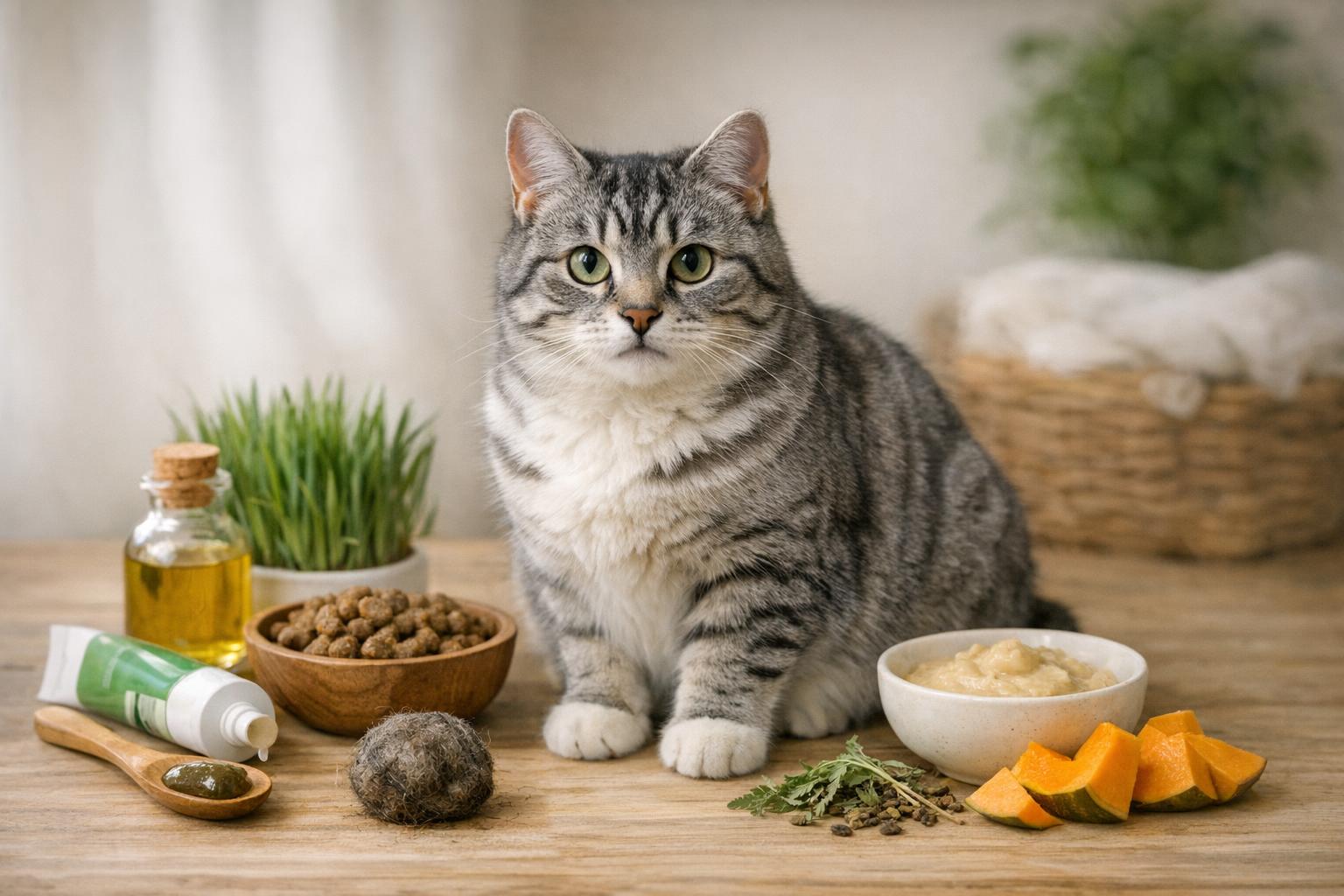
Every cat owner eventually learns to recognize that peculiar, muffled little cough that means your cat is attempting to eject a hairball. It’s messy, a touch dramatic, and often harmless — but repeated episodes or signs of discomfort are a signal to step in with gentle support. This article offers practical, safe ways to help your feline friend, with a light touch where appropriate and clear, formal instructions when it comes to remedies.
## Cats And Hairballs: What Triggers Them
Cats are meticulous groomers, and a lot of fur winds up in their stomachs. Most of the time that hair passes through the digestive tract and leaves in the litter box. When it doesn’t, your cat will often hack up a hairball. Long-haired breeds, seasonal shedders, and overweight cats that can’t groom as effectively are more prone to problems. Stress, skin conditions, and excessive licking can also increase hair ingestion.
### How Often Is Normal
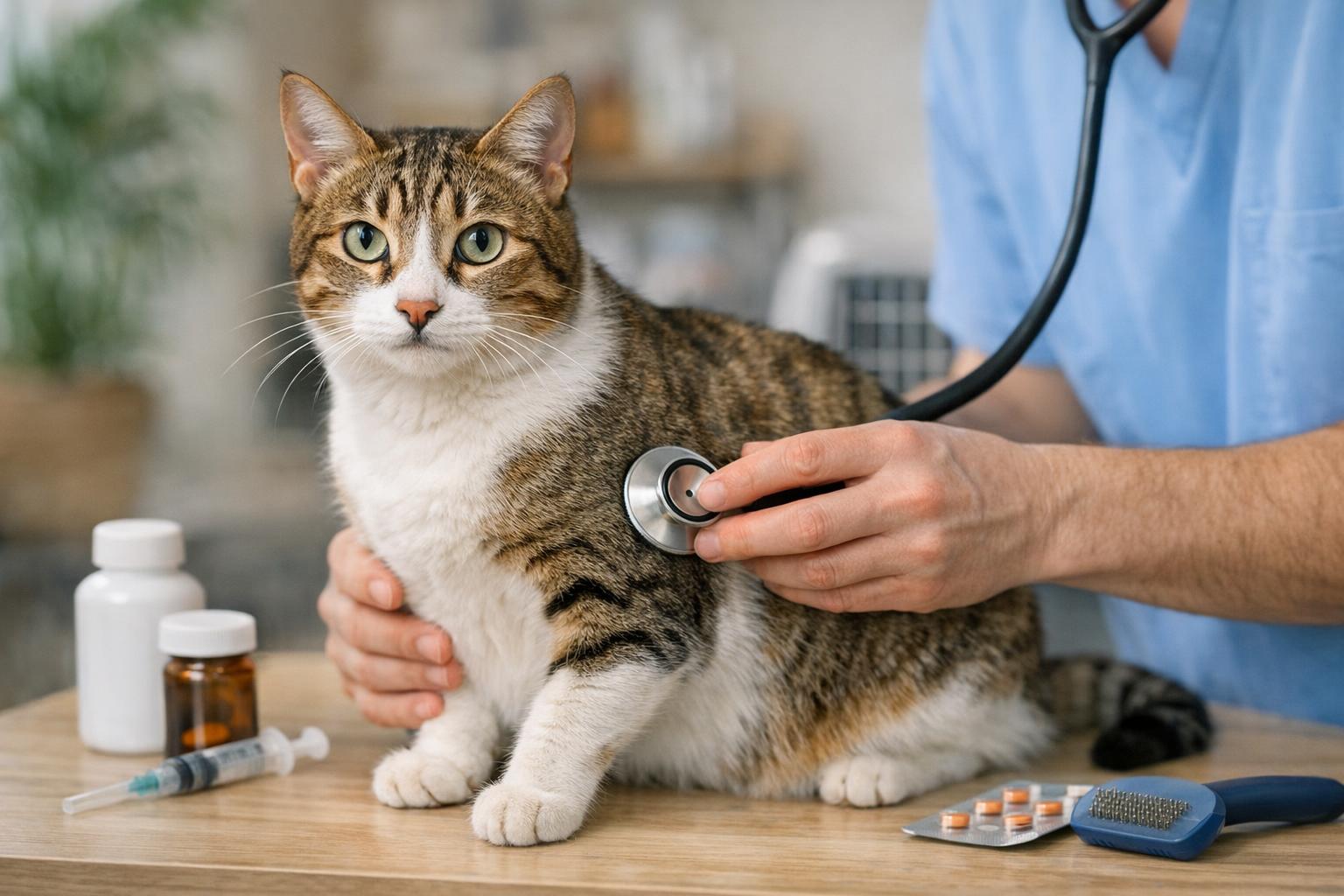
A cat coughing up a hairball occasionally (a few times a month for long-haired cats, less for short-haired) is typically normal. Frequent gagging, persistent retching without producing material, lethargy, decreased appetite, constipation, or changes in litter box habits are red flags that require veterinary attention.
### Signs To Watch For
– Repeated dry heaving with no result.
– Loss of appetite or reduced water intake.
– Constipation or straining to defecate.
– Lethargy, hiding, or behavioral changes.
– Vomiting unrelated to grooming.
## Hairball Support: Gentle Remedies For Cats And Hairballs
Below are three numbered, veterinarian-friendly home strategies to reduce hairball frequency and support digestion. Each remedy includes ingredients/materials and step-by-step creation and application instructions. The remedy sections are written in a formal, informative tone to ensure clarity and safety.
## Remedy 1: Coconut Oil Lubricant (Small-Dose)
Coconut oil can act as a mild lubricant and may help hair pass through the digestive tract more smoothly. Use this method sparingly and only for occasional hairball support.
Ingredients / Materials
– Virgin coconut oil (food-grade)
– Measuring spoon (1/4 tsp)
– Small dish or spoon for offering
– Optional: a bit of canned tuna juice (water-packed) to entice finicky eaters
Step-By-Step Creation And Application
1. Start Small: For an average adult cat, use no more than 1/4 teaspoon. Kittens or very small cats should receive a proportionally smaller amount (ask a vet for precise kitten dosing).
2. Offer Directly: Spoon the coconut oil into a small dish. Many cats enjoy the flavor; place it where your cat eats. If your cat refuses, mix the oil with a teaspoon of wet food.
3. Frequency: Administer once every 2–3 days as needed. Do not use daily long-term without veterinary guidance because added fats can lead to digestive upset or weight gain.
4. Monitor: Watch for any diarrhea, vomiting, or abdominal discomfort. Discontinue if adverse signs occur and consult your veterinarian.
5. Vet Check: If hairballs remain frequent despite this support, consult your veterinarian to rule out underlying causes.
## Remedy 2: Pumpkin Fiber Boost
Dietary fiber encourages regular bowel movements and can help pass hair more efficiently. Plain canned pumpkin (not pumpkin pie filling) is a safe, gentle source of soluble fiber.
Ingredients / Materials
– Plain canned pumpkin (100% pumpkin)
– Measuring spoon (1/2 tsp to 1 tsp)
– Small bowl
– Optional: syringe or dropper for precise dosing if needed
Step-By-Step Creation And Application
1. Select Product: Verify the can says “100% pumpkin” with no added sugar, spices, or fillers.
2. Dosing: For adult cats, begin with 1/2 teaspoon mixed into wet or dry food once daily. For larger cats, you may increase up to 1 teaspoon daily. For kittens, consult your veterinarian before use.
3. Mix Thoroughly: Blend the pumpkin evenly into a small portion of food so your cat consumes the full dose.
4. Observe Effects: Expect softer, more regular stools within 48–72 hours. If stools become loose, reduce the amount slightly.
5. Duration: Use pumpkin as a short-to-medium term aid (weeks to a few months) while improving grooming and other preventive measures. If frequent hairballs persist, seek veterinary evaluation.
6. Contraindications: Avoid if your cat has pancreatitis or other vet-diagnosed digestive issues without prior approval.
## Remedy 3: Regular Brushing Routine (At-Home Grooming)
Reducing the amount of loose fur your cat ingests is one of the most effective preventive measures. A consistent grooming routine tailored to your cat’s coat type yields immediate benefits.
Ingredients / Materials
– Slicker brush for long-haired cats or bristle brush for short-haired cats
– Undercoat rake or comb (if your cat has a dense undercoat)
– Rubber grooming glove (optional, for sensitive cats)
– Treats and a calm space
Step-By-Step Creation And Application
1. Choose Tools: Match the brush to your cat’s coat. A slicker brush removes tangles and loose hair; a fine-toothed comb helps with small mats.
2. Establish Routine: Start with brief sessions, 5 minutes once daily for long-haired cats or 2–3 times weekly for short-haired cats. Increase as tolerated.
3. Technique: Brush in the direction of hair growth with gentle, short strokes. Hold the skin taut to avoid pulling. Focus on high-shedding areas like the back, sides, and under the chin.
4. Remove Collected Fur: Use a lint roller or your fingers to remove fur from the brush periodically.
5. Reward Cooperation: Offer treats and praise to create a positive association.
6. Frequency Adjustment: During seasonal shedding peaks, increase frequency to daily until shedding slows.
7. Professional Grooming: For severe matting or if your cat resists home grooming, seek a professional groomer experienced with cats.
### Combining Remedies Safely
A combined approach often works best: consistent brushing plus a weekly pumpkin boost and occasional coconut oil when needed. Introduce one change at a time and monitor your cat’s response. Keep treat and caloric intake in mind to prevent weight gain.
#### When To Call The Vet
Contact your veterinarian promptly if you observe:
– Persistent retching without producing material.
– Straining to defecate for more than 24 hours.
– Vomiting, diarrhea, or significant changes in appetite.
– Lethargy, rapid weight loss, or signs of pain.
## Environment And Diet Adjustments That Help
Small environmental and dietary tweaks make a surprisingly large impact on hairball frequency.
### Practical Tips
– Provide high-quality, hairball-formula foods if recommended by your vet; these are formulated with fiber and lubricants to help.
– Regular play and exercise improve intestinal motility.
– Humidifiers can help during dry seasons to reduce static and excessive shedding.
– Regularly clean bedding and use lint rollers to reduce fur around resting spots.
## Myth Busting And Safety Notes
There are lots of myths around cats and hairballs — that only long-haired cats suffer, or that “feeding oil daily” is harmless. Reality: short-haired cats can have hairball issues too, and frequent oil use can cause digestive upset and interfere with nutrient absorption.
– Avoid mineral oil or petroleum-based products unless explicitly advised by a veterinarian. These can be aspirated and cause pneumonia.
– Human laxatives or oral products are not safe for cats unless prescribed.
– Always check ingredient lists for products (e.g., pumpkin vs. pumpkin pie filling) to avoid harmful additives like xylitol.
## Lifestyle Strategies To Reduce Incidents
Simple lifestyle changes can reduce both the frequency and drama of hairballs.
### Daily Routine Suggestions
– Brush before bed to catch loose fur the cat would otherwise ingest during nocturnal self-grooming.
– Rotate toys to encourage activity and reduce stress-related overgrooming.
– Maintain a consistent feeding schedule with small, frequent meals to encourage regular bowel movements.
Throughout your efforts, keep in mind that occasional hairballs are part of being a cat parent. With careful grooming, a little dietary fiber, and cautious occasional lubrication when needed, many cats experience fewer events and more comfortable tummies. If anything seems off or episodes escalate, don’t hesitate to contact your veterinarian for personalized guidance about cats and hairballs.














Leave a Reply