
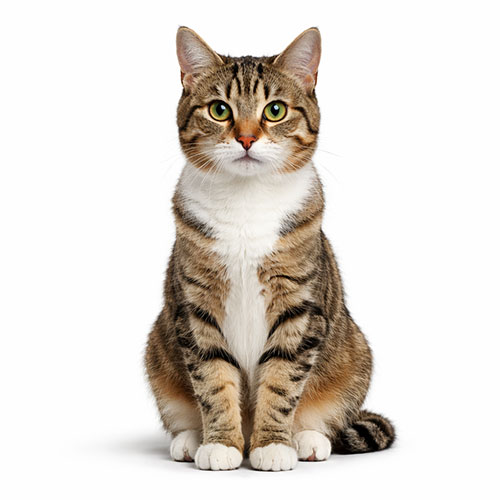

Looking for gentle, DIY ways to help your cat through a flea season? You’re in the right place — we’ll keep it practical, a little warm, and only mildly guilty about the hours happily lost to pet hair and tiny hitchhikers.
## Cat Fleas Apple Cider Vinegar: How It Helps
Apple cider vinegar (ACV) is a popular, old-school household ally for many minor pet care tasks. When people search for “cat fleas apple cider vinegar” they’re usually hoping ACV will work like magic. Real talk: ACV is not a pesticide and won’t instantly eliminate an infestation, but it can help as a companion tool.
How? The mild acidity of diluted ACV makes your cat’s coat slightly less appealing to fleas and can soothe mild itchiness for some cats. It can also help restore skin pH after baths and discourage adult fleas from settling (not from laying eggs in the environment). Think of it as part of a multi-step, integrated approach — not a one-and-done cure.
### How ACV Interacts With Fleas And Skin
– Fleas prefer neutral to slightly alkaline environments; a lightly acidic coat may be less attractive.
– ACV can act as a mild antimicrobial and may temporarily reduce bacterial growth on irritated skin.
– ACV does not kill flea eggs reliably; environmental controls are still required.
#### Important Safety Note
Cats groom themselves a lot, so anything you apply topically should be safe if licked in small amounts. Use only properly diluted solutions, avoid applying ACV to raw wounds or severely inflamed skin, and never use essential oils like tea tree oil with ACV — those oils are toxic to cats.
## Remedy 1: Cat Fleas Apple Cider Vinegar Topical Spray
This is the go-to gentle repellent/spray for occasional use. It aims to make the coat slightly less attractive to adult fleas and soothe minor itching.
### Ingredients And Materials
– 1 cup (240 ml) distilled or filtered water
– 1/4 cup (60 ml) raw, unfiltered apple cider vinegar (with “mother” preferred)
– Clean spray bottle (opaque or dark preferred to protect ACV)
– Flea comb
– Towel
### Preparation And Application Steps
1. Sanitize the Spray Bottle: Rinse and scrub a clean spray bottle with hot water to remove residues.
2. Mix Solution: Combine 1 cup of water with 1/4 cup of apple cider vinegar. Shake gently to mix. Use fresh solution each week.
3. Test Patch: Spray a small amount on your cat’s flank, avoiding face and genitals. Wait 24 hours to ensure no irritation occurs.
4. Apply: If no reaction, lightly mist the cat’s coat, avoiding the face. Do not spray directly into the eyes, ears, nose, mouth, or any open cuts.
5. Comb: After spraying, gently comb the fur with a flea comb to remove adult fleas. Dip the comb into a bowl of soapy water between strokes to trap fleas.
6. Frequency: Use 2–3 times per week during light infestations or more frequently only if tolerated and recommended by your vet.
#### Formal Precautions
– For kittens under 12 weeks, pregnant/nursing queens, or cats on topical medications, consult your veterinarian before use.
– If skin is raw, inflamed, or infected, do not apply ACV; seek veterinary care.
– Avoid inhalation and direct contact with eyes; flush eyes with water and seek veterinary attention if irritation occurs.
## Remedy 2: Apple Cider Vinegar Bath Rinse For Flea Relief
When your cat tolerates bathing, a milder ACV rinse can help soothe itchy skin and reduce residual odors that might draw fleas.
### Ingredients And Materials
– 2 cups lukewarm water
– 1/2 cup raw apple cider vinegar
– Mild, cat-safe shampoo (unscented)
– Towels and a non-slip mat
– Cup or squeeze bottle for rinsing
### Preparation And Application Steps
1. Prepare Bath Area: Fill a sink or tub with a few inches of lukewarm water and place a non-slip surface.
2. Shampoo: Gently wash your cat with a cat-safe shampoo, rinsing thoroughly.
3. Mix Rinse: Combine 2 cups water with 1/2 cup apple cider vinegar.
4. Apply Rinse: Pour or squirt the diluted ACV over the cat’s coat, avoiding the head and face. Massage lightly into fur for 1–2 minutes.
5. Final Rinse? Optionally rinse lightly with plain water if your cat dislikes the smell; leaving a small amount of ACV residue is usually fine.
6. Dry: Wrap in a towel and dry as much as possible. Keep your cat warm until fully dry.
#### Formal Safety And Efficacy Notes
– Do not use if skin is visibly broken or if your cat has a history of skin allergies without vet approval.
– Baths can stress some cats; consider professional grooming help if your cat panics.
– The ACV bath is palliative — it soothes, may reduce attractiveness to new adult fleas, but will not eradicate eggs/larvae in your home.
## Remedy 3: Home And Bedding ACV Wash To Reduce Flea Eggs
You can use diluted apple cider vinegar in laundry to help make bedding less hospitable to newly hatched fleas. This is purely an environmental comfort measure and not a substitute for proper flea control.
### Ingredients And Materials
– Washing machine
– Hot-water setting compatible with fabric
– 1/2 cup apple cider vinegar
– Detergent safe for pet fabrics
### Steps
1. Strip Bedding: Remove all pet bedding, blankets, and washable toys.
2. Hot Wash Cycle: Wash items on the hottest setting safe for the fabric.
3. Add ACV: Pour 1/2 cup apple cider vinegar into the fabric softener dispenser or directly into the rinse cycle.
4. Dry Thoroughly: Use a hot dryer cycle to kill any remaining life stages. Vacuum and clean sleeping areas afterward.
#### Environmental Notes
– Vacuum carpets, upholstery, and baseboards daily during an infestation and dispose of vacuum bag contents promptly.
– Consider steaming carpets and furniture, which kills fleas across life stages.
– For heavy infestations, integrated professional pest control and veterinary products are usually required.
### Non-ACV Support: Comb, Monitor, And When To See A Vet
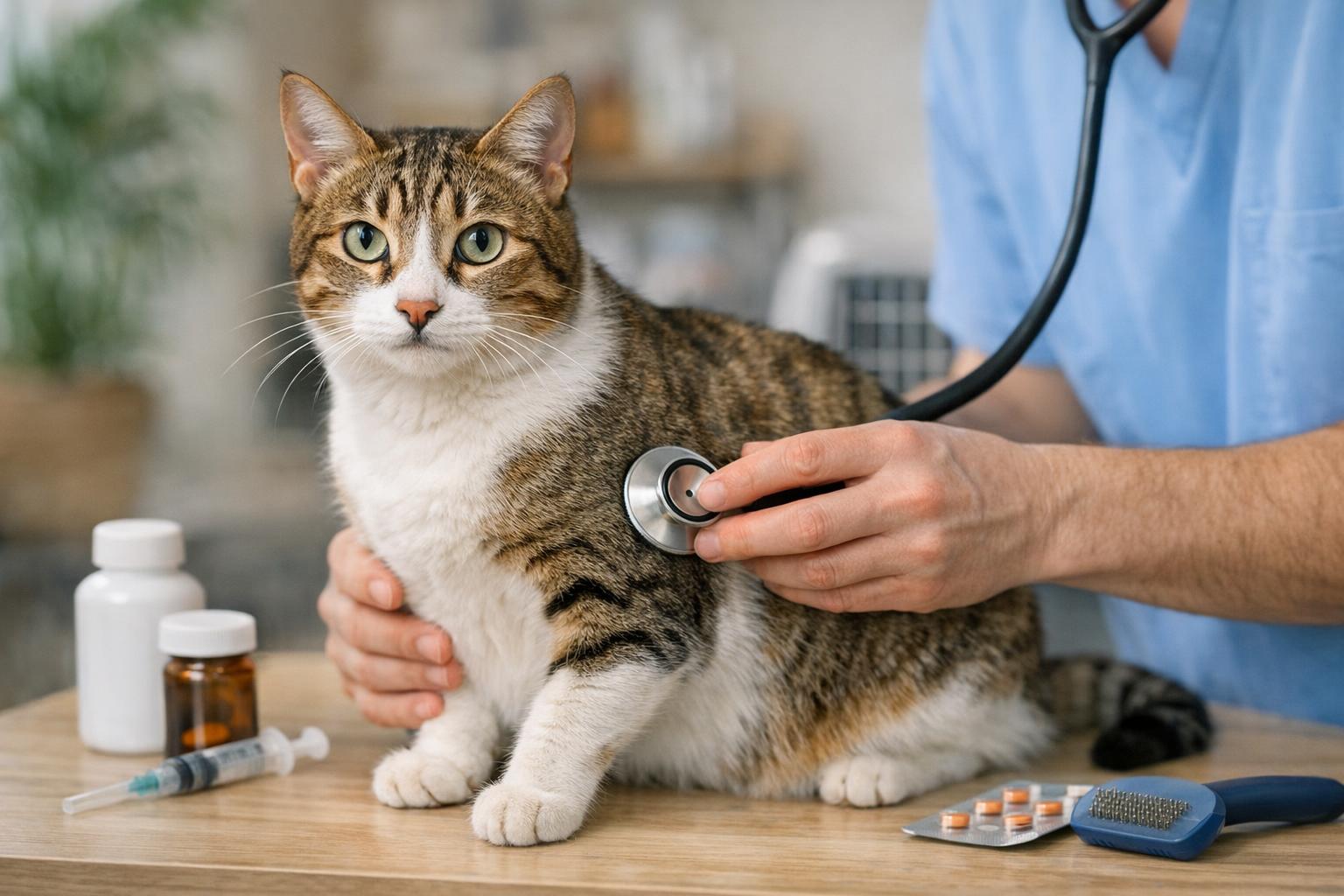
Using ACV is only part of an integrated approach. Regular flea combing is the simplest, drug-free daily routine you can do. If you see numerous adult fleas, flea dirt, or your cat is losing hair or severely itchy, contact your veterinarian. Prescription topical or oral flea preventives are very effective and may be necessary to break the life cycle.
– Flea combing: Comb daily for 10–15 minutes, focusing on the neck, base of tail, and belly. Dunk the comb in soapy water to kill fleas.
– Monitor: Look for flea dirt (tiny black specks that turn red when moistened) and check the skin for scabs or hot spots.
– When To Vet: If your cat is anemic, extremely itchy, has secondary skin infections, or you have a serious home infestation, professional treatment is essential.
### Final Safety And Practical Considerations About Cat Fleas Apple Cider Vinegar
When people ask whether “cat fleas apple cider vinegar” is a good solution, the best answer is: it’s a helpful supportive measure but not a stand-alone cure. Use ACV carefully and always prioritize your cat’s comfort and safety. Never combine ACV with recommended insecticides unless you’ve checked with your vet, as interactions or skin irritation could occur.
If you try these remedies and the problem persists, or if your cat is very young, elderly, sick, or showing signs of severe irritation, make a vet appointment. Fleas reproduce fast, and professional flea control plus veterinary treatment for the pet are often the fastest path back to a calm, itch-free household.









Leave a Reply