


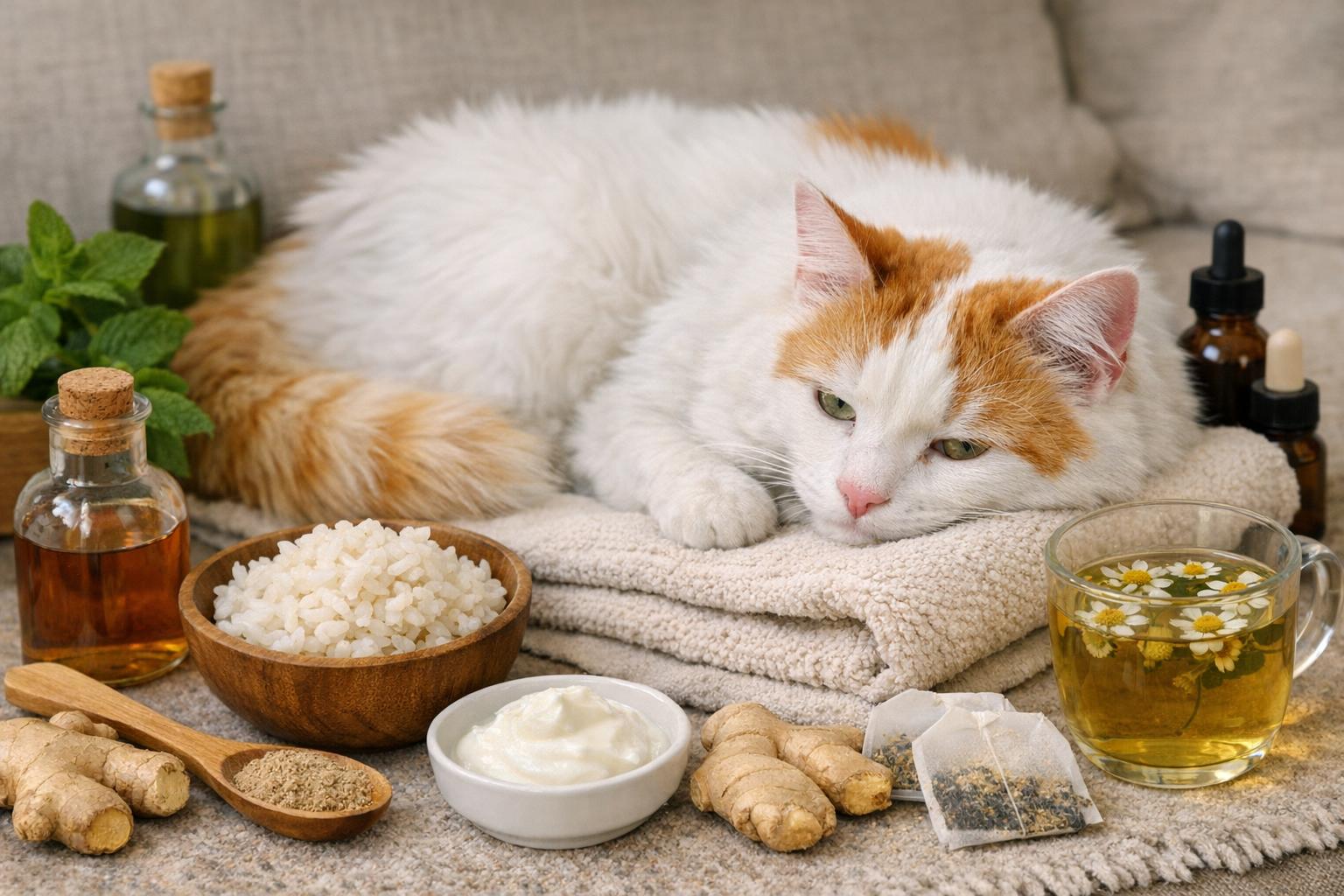
Feeling a bit worried because your whiskered roommate has been doing the dramatic little sighs of digestive displeasure? Relax — we’ll walk through safe, gentle home options, with a touch of calm humor and lots of practicality. Below you’ll find clear, vet-safe home remedies and care steps for managing a mild case of cat tummy trouble. Remember: these are for mild, short-lived upset stomachs. If symptoms are severe or prolonged, see the vet.
## 1. Cat Upset Stomach Treatment: Bland Diet Remedy
### When To Use This Remedy
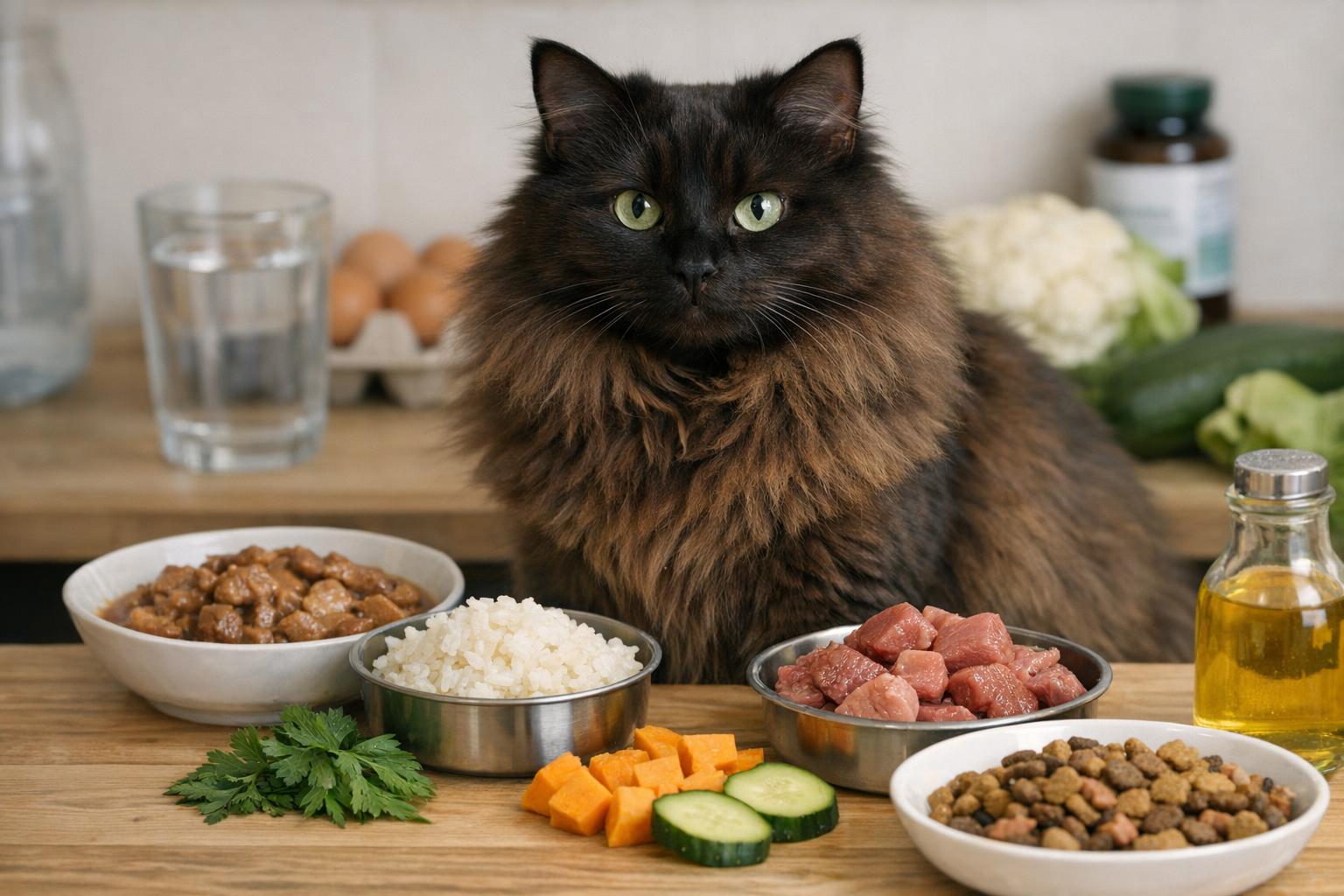
This is the first-line, gentle approach for a cat that has mild vomiting or soft stools but is otherwise alert and drinking. A bland diet can calm the GI tract and give it time to reset.
### Ingredients/Materials
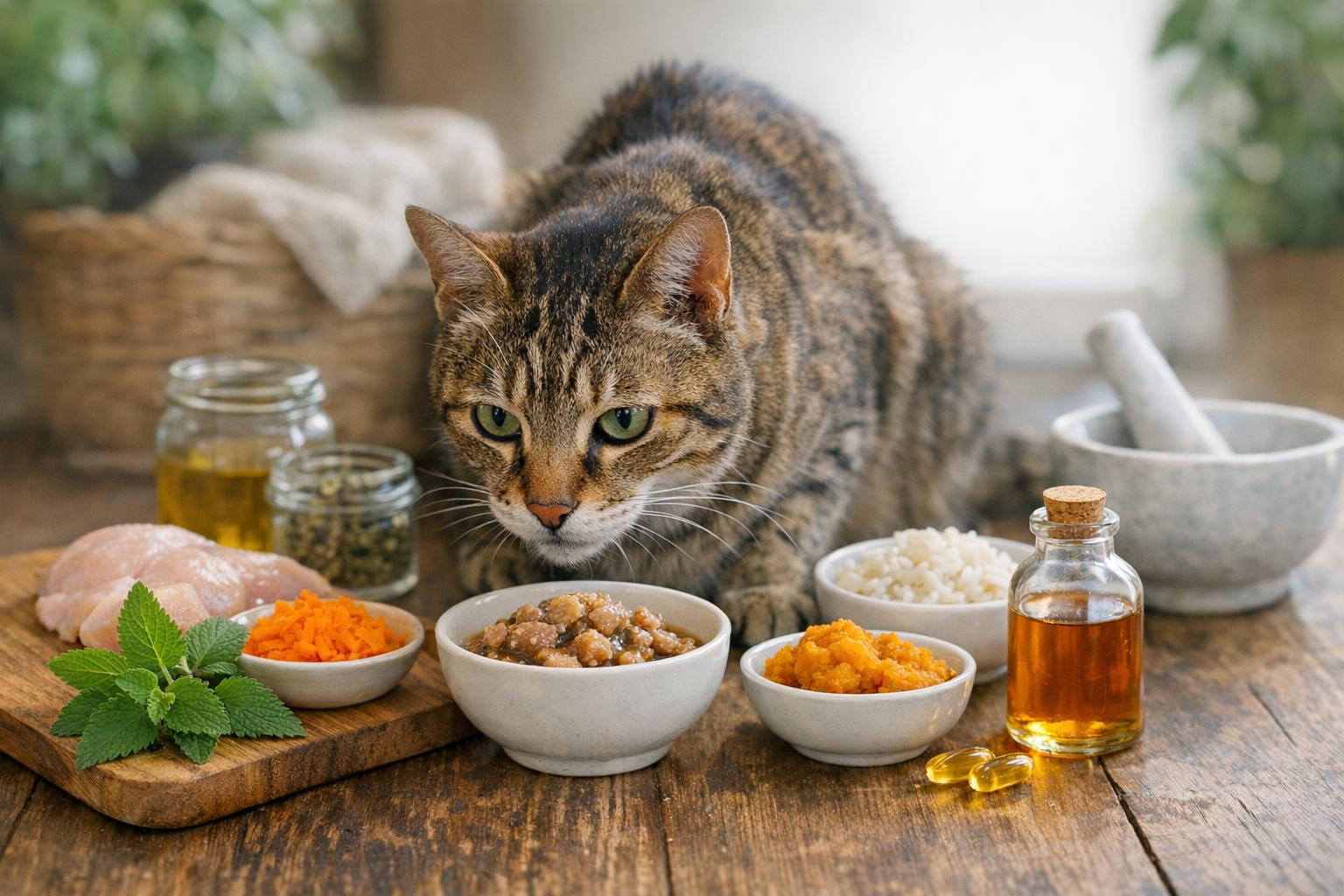
– Skinless, boneless chicken breast or turkey (plain, no seasoning)
– White rice (optional — small quantity)
– Clean water
– A clean pot and utensils
– Measuring spoons
### Step-By-Step Creation And Application
1. Prepare the Protein: Boil the chicken or turkey until fully cooked (no pink). Do not add salt, garlic, onion, or any seasonings. Remove and let cool.
2. Optional Rice: If you choose to add rice, cook plain white rice thoroughly in water (no butter or oil). Use only a small amount—cats are obligate carnivores and need mostly meat.
3. Shred: Finely shred the cooled meat. A food processor can make a soft, easily digestible texture if your cat prefers.
4. Proportions: Mix about 90% shredded meat with 10% plain rice, or serve plain meat alone. Aim for very small portions initially — a teaspoon to a tablespoon for small cats, depending on appetite.
5. Feeding Schedule: Offer small meals every 4–6 hours instead of a full bowl. If the cat keeps food down for 24 hours and stools normalize, gradually reintroduce normal food over 48 hours.
6. Monitor: Watch for improvement in appetite, activity and stool consistency. If vomiting continues, stop home treatment and consult a vet.
#### Notes And Warnings
– Do not give raw diets during an active upset stomach unless your cat was already on one and the vet advised continuation.
– Avoid dairy, fatty scraps, and human drugs like Pepto-Bismol or ibuprofen — these can harm cats.
## 2. Probiotic Support And Yogurt For Cat Upset Stomach Treatment
### Why Probiotics Help
Probiotics help rebalance gut bacteria after a bout of diarrhea or mild gastroenteritis. They can shorten recovery time and reduce recurrence. When used properly, probiotics are a valuable part of home-based cat upset stomach treatment.
### Ingredients/Materials
– Veterinary-formulated probiotic paste or capsules for cats (preferred)
– If unavailable: plain, unsweetened yogurt (very small quantity) — check for no xylitol or flavorings
– A small syringe or spoon for administration (if using paste)
– Gloves (optional)
### Step-By-Step Creation And Application
1. Choose The Right Product: Use a probiotic specifically made for cats when possible. These contain feline-appropriate strains and concentrations. Human probiotics are not ideal.
2. Dosage: Follow the product instructions or your vet’s dosing guidelines carefully. Do not guess — overdosing can cause more GI upset.
3. Administration Methods:
– Probiotic Paste: Apply paste directly into the cat’s mouth using a small syringe or place on the paw for them to lick.
– Capsule: Open a capsule and sprinkle contents into a small amount of the bland diet (if acceptable) or into a treat.
– Yogurt (Only If Necessary): Offer a pea-sized amount of plain yogurt no more than once daily for a couple of days. Many cats are lactose intolerant; yogurt is not ideal and should be a last resort if veterinary probiotics are not available.
4. Duration: Continue probiotics for 5–7 days, or as directed by your veterinarian, to reestablish healthy gut flora.
5. Monitor Response: Improvement should be seen within 48–72 hours. If there is no change or if symptoms worsen, discontinue and consult your vet.
#### Notes And Warnings
– Avoid giving any product containing artificial sweeteners (xylitol) or other toxins.
– Probiotics are supportive, not a cure for infectious causes that require veterinary care.
## 3. Pumpkin And Hydration Support
### Why Pumpkin Works
Plain canned pumpkin (100% pumpkin, not pumpkin pie filling) is a soluble fiber source that helps normalize stool consistency. Hydration is equally important because vomiting or diarrhea can cause dehydration quickly.
### Ingredients/Materials
– 100% plain canned pumpkin (not pie mix)
– Clean drinking water
– Pedialyte (unflavored) — optional, for mild oral rehydration (talk to your vet first)
– Syringe or shallow dish for offering fluids (if your cat is reluctant)
– Pet-safe broth (homemade chicken broth with no salt/onion/garlic) — optional
### Step-By-Step Creation And Application
1. Pumpkin Dosage: Offer 1/2 to 1 teaspoon of plain canned pumpkin for a small cat once daily. For medium to large cats, 1 teaspoon to 1 tablespoon may be acceptable. Start small.
2. Mix With Food: Blend the pumpkin into the bland diet meal or offer on a spoon. Ensure your cat actually eats it; forced feeding can cause stress.
3. Hydration: Encourage drinking with fresh water, a shallow dish, or a pet water fountain. If your cat refuses water, offer small amounts of unflavored Pedialyte diluted 50/50 with water for a short period (only under vet guidance).
4. Broth Option: Offer small quantities of cooled, unsalted, onion- and garlic-free chicken broth to entice drinking. Limit to a few tablespoons at a time.
5. Frequency: Use pumpkin daily for up to a week while monitoring stool consistency. Stop if there’s no improvement or if the cat shows signs of intolerance (vomiting after pumpkin, etc.).
#### Notes And Warnings
– Do not use pumpkin pie mix or products containing sweeteners or spices.
– Significant or ongoing dehydration requires immediate veterinary attention.
## When To Seek Professional Help For Cat Upset Stomach Treatment
### Red Flags
Home remedies are intended for mild, short-term issues. Seek veterinary care immediately if your cat shows any of the following:
– Repeated vomiting (more than twice in a day)
– Continuous diarrhea for 24–48 hours
– Lethargy, weakness, or collapse
– Blood in vomit or stools
– Refusal to eat for more than 24 hours
– Signs of dehydration (sunken eyes, dry gums, skin tenting)
– Known ingestion of toxin, foreign object, or a household chemical
### What The Vet Will Do
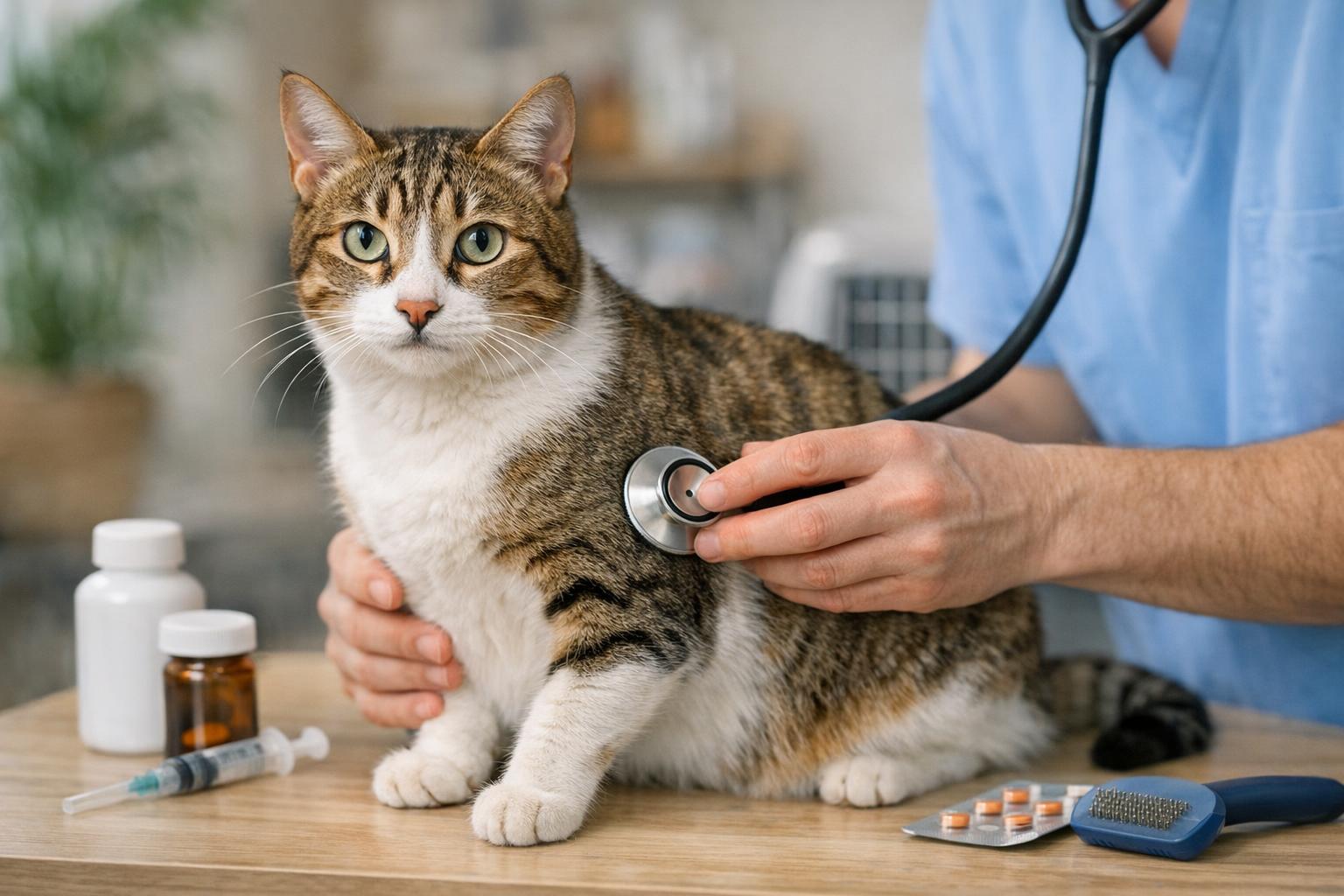
A veterinarian will perform a physical exam, possibly run blood tests, fecal checks, X-rays or ultrasound if obstruction or toxin ingestion is suspected, and prescribe treatments such as antiemetics, fluids, or specific medications. If your cat does not improve with initial home cat upset stomach treatment within 48–72 hours, contact your clinic for guidance.
### Preventive Tips To Reduce Future Episodes
– Keep toxic foods and plants out of reach; onions, garlic, chocolate, grapes/raisins, and xylitol are dangerous.
– Avoid abrupt diet changes; transition new foods over 7–10 days.
– Keep garbage and stringy toys secured; foreign body ingestion is common.
– Maintain good parasite control and regular vet checkups.
#### Final Care Reminder
If you’re ever in doubt, err on the side of caution. Mild home treatments like a bland diet, careful probiotic use, pumpkin, and hydration can be effective for common, short-lived issues — but persistent or severe signs belong in the hands of your veterinarian. Your cat’s comfort and safety come first, and a little patience plus careful observation will usually point you in the right direction for cat upset stomach treatment.



Leave a Reply