

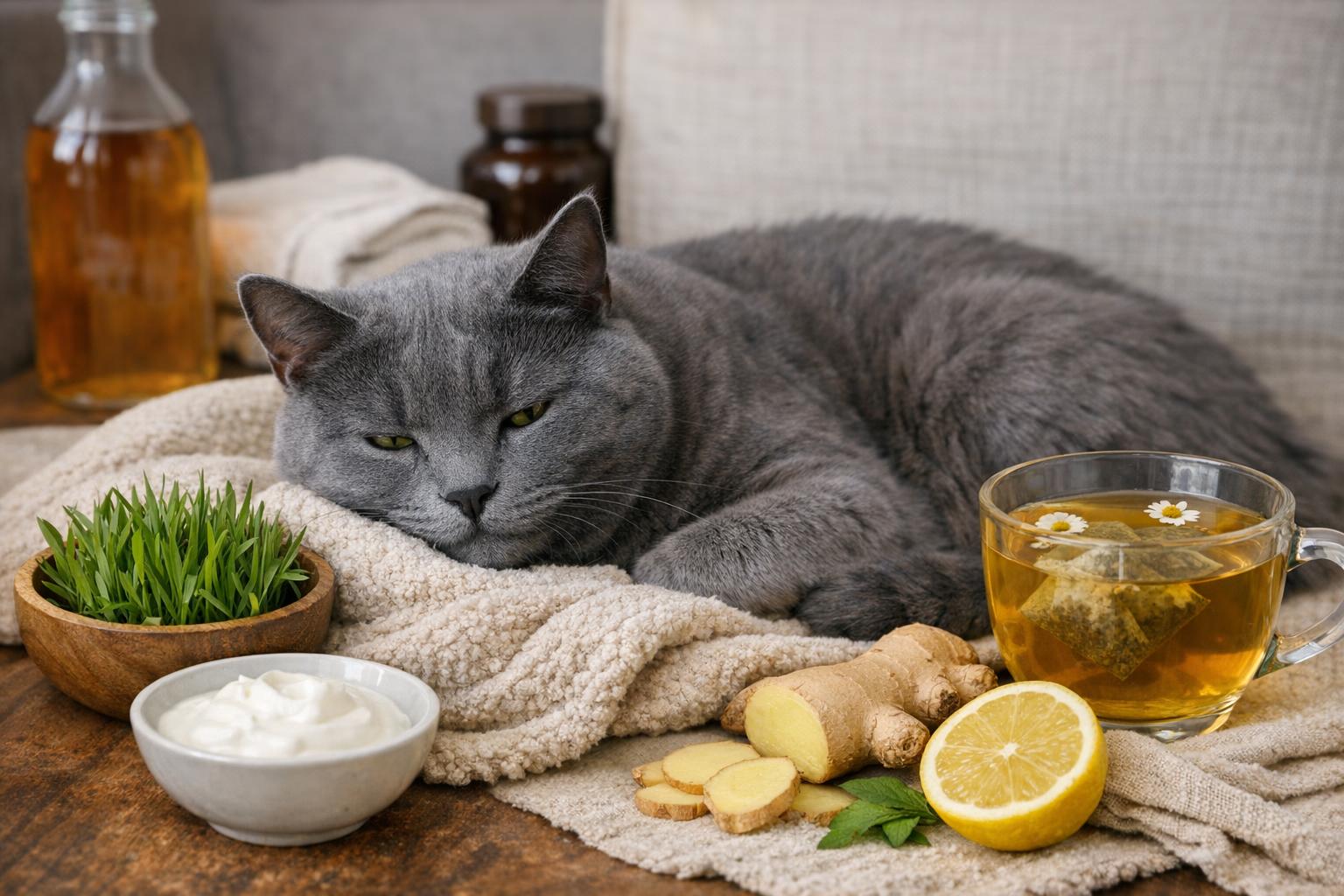
If your whiskered roommate is pawing at their belly or giving you that look that translates roughly to “human, this feels wrong,” you might be dealing with cat indigestion. It’s common, mostly manageable at home, and often resolves quickly with the right care—without your living room turning into a veterinary drama. Below I’ll walk you through causes, signs to watch for, when to call the vet, and four safe, practical home remedies to try.
## Cat Indigestion: What You Need To Know
Cat indigestion is an umbrella term for mild stomach upset in cats. It can mean anything from temporary nausea and gassiness to tummy discomfort after a dietary change. Most of the time it’s short-lived and not life-threatening, but because cats tend to hide pain, it’s good to be observant and cautious.
### Common Causes
– Sudden diet changes or table scraps
– Eating too fast or overeating
– Ingesting something mildly irritating (grass, new treat, small toy)
– Stress or anxiety from changes in routine
– Food intolerance or sensitivity
Not every tummy rumble equals catastrophe, but repeated episodes or severe symptoms need attention.
### Signs To Watch For
Look for diminished appetite, drooling, lip smacking, vomiting (especially persistent), lethargy, diarrhea, and unusual postures like hunched up in a corner. If you notice blood in vomit or stool, rapid breathing, or severe dehydration, skip home remedies and contact your vet immediately.
#### When To Call The Vet
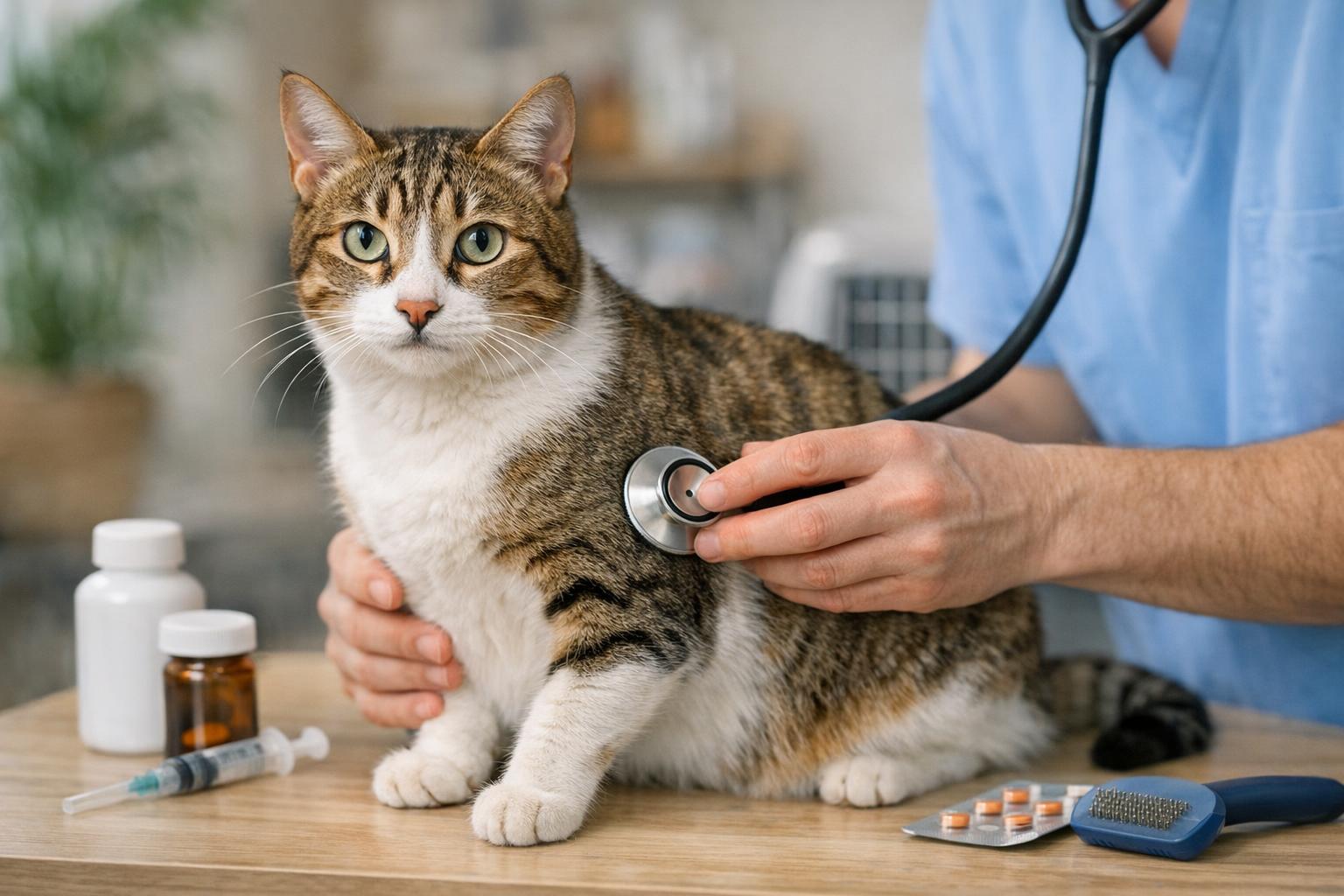
If symptoms last more than 24 hours, if vomiting occurs more than once in a day, if your cat can’t keep water down, or if your cat seems in severe pain—seek professional help. Also call sooner for kittens, seniors, or cats with existing health issues.
## 1. Bland Diet Remedy For Cat Indigestion
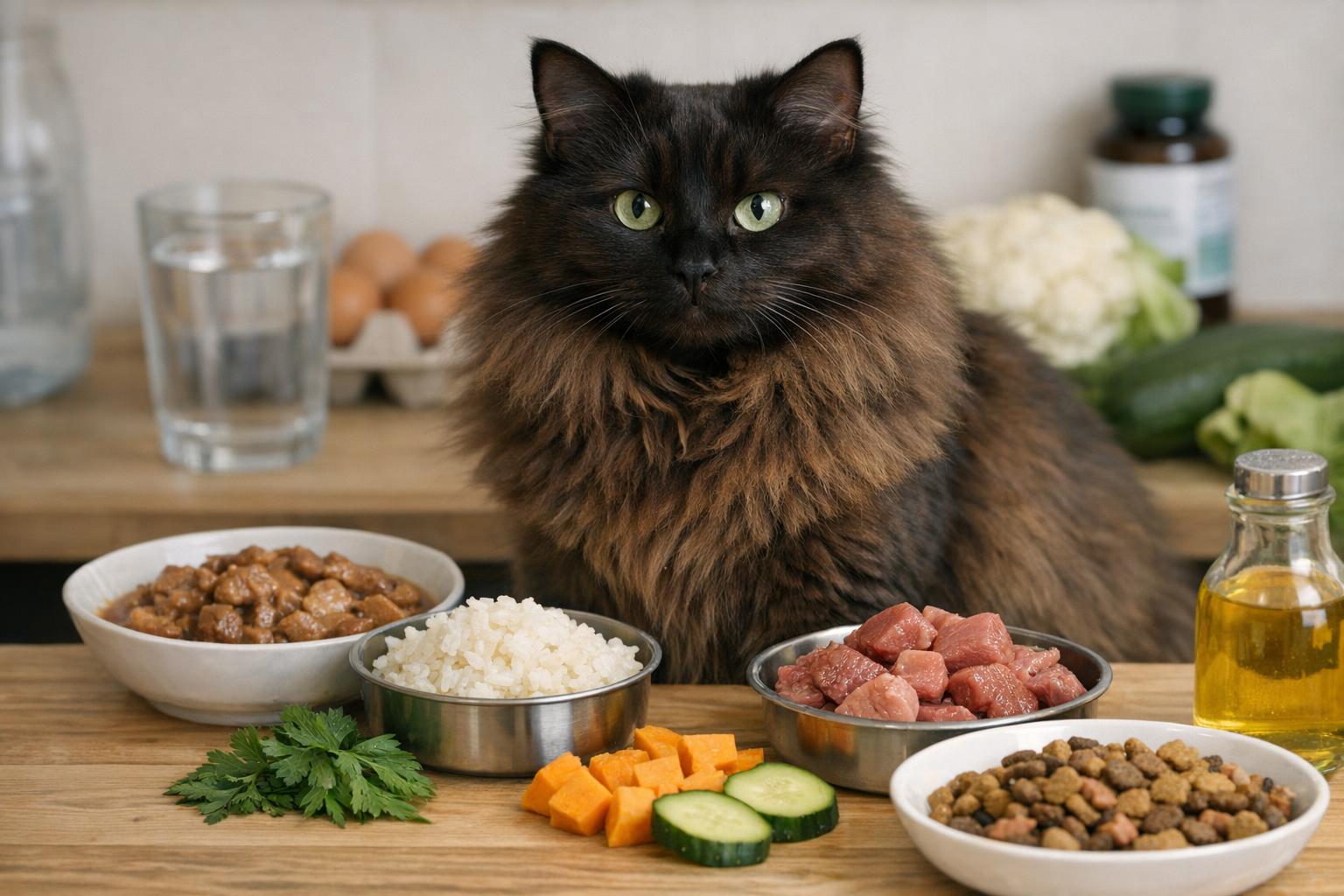
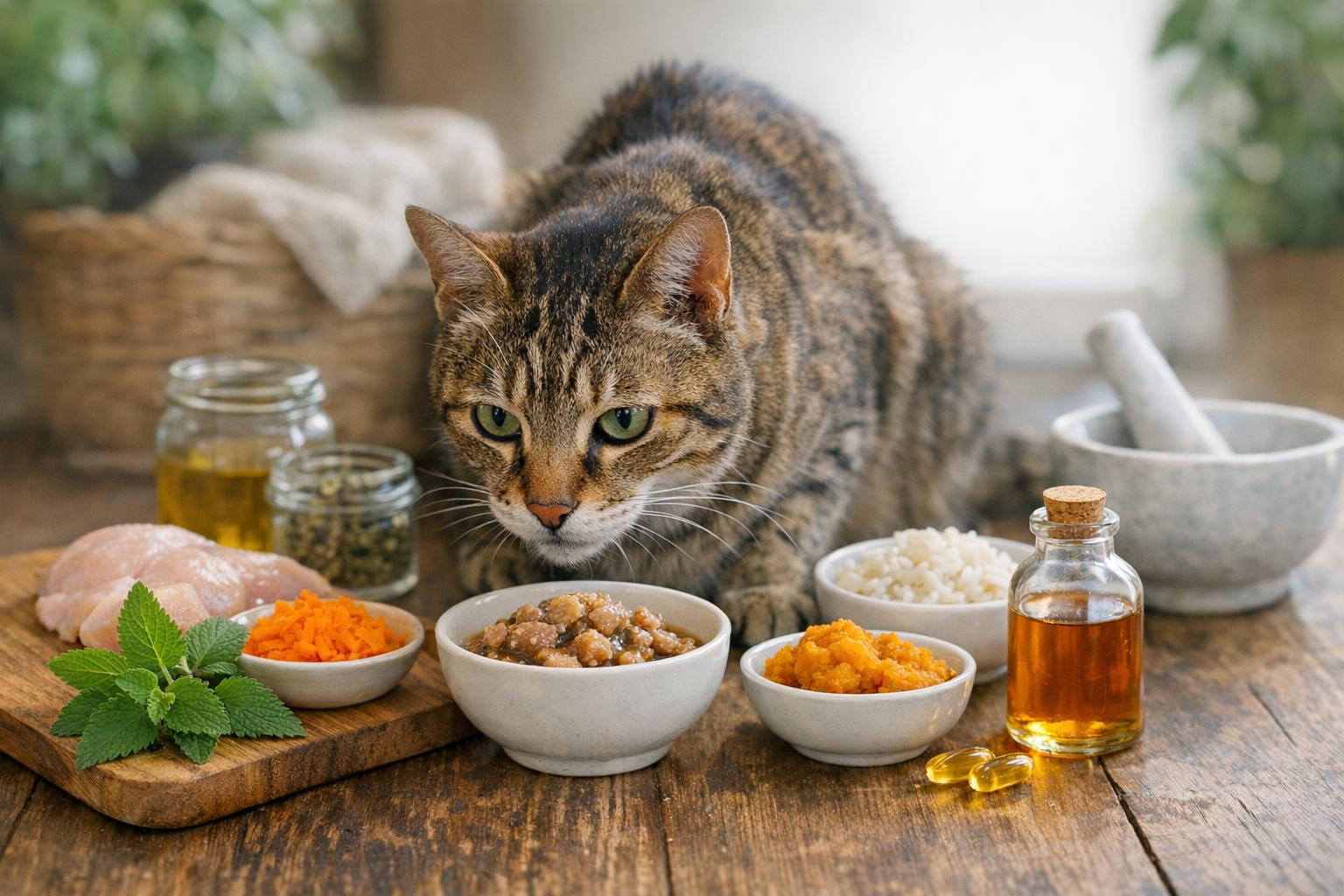
This is the classic first-line home remedy. A bland diet rests the digestive system and reduces irritation. Follow these steps strictly and gradually reintroduce regular food once symptoms improve.
Ingredients / Materials:
– Plain cooked white rice
– Cooked, skinless, boneless chicken breast or lean turkey (no seasoning)
– Clean bowl and spoon
– Measuring cup (optional)
Step-By-Step Creation And Application:
1. Prepare the Protein: Poach or boil a small chicken breast until fully cooked. No oil, butter, salt, or spices. Shred finely into small, easily chewable pieces.
2. Cook Rice: Boil white rice until very soft (use a little extra water). Avoid brown rice—it’s harder to digest.
3. Combine And Serve: Mix about 2 parts shredded chicken to 1 part rice for adult cats. For small cats or kittens, reduce portions accordingly.
4. Feeding Schedule: Offer a small amount—about 1–2 tablespoons for a small adult cat—every 3–4 hours. Don’t force-feed; offer and allow your cat to eat if interested.
5. Monitor: If vomiting stops and appetite returns over 24 hours, slowly reintroduce regular food over 2–3 days by mixing increasing amounts of their regular diet into the bland mix.
6. Duration: Use the bland diet for 24–48 hours maximum unless advised otherwise by your veterinarian.
Notes: If your cat is diabetic or has other metabolic issues, consult your vet prior to withholding regular food.
## 2. Probiotic Yogurt Treat For Cat Indigestion
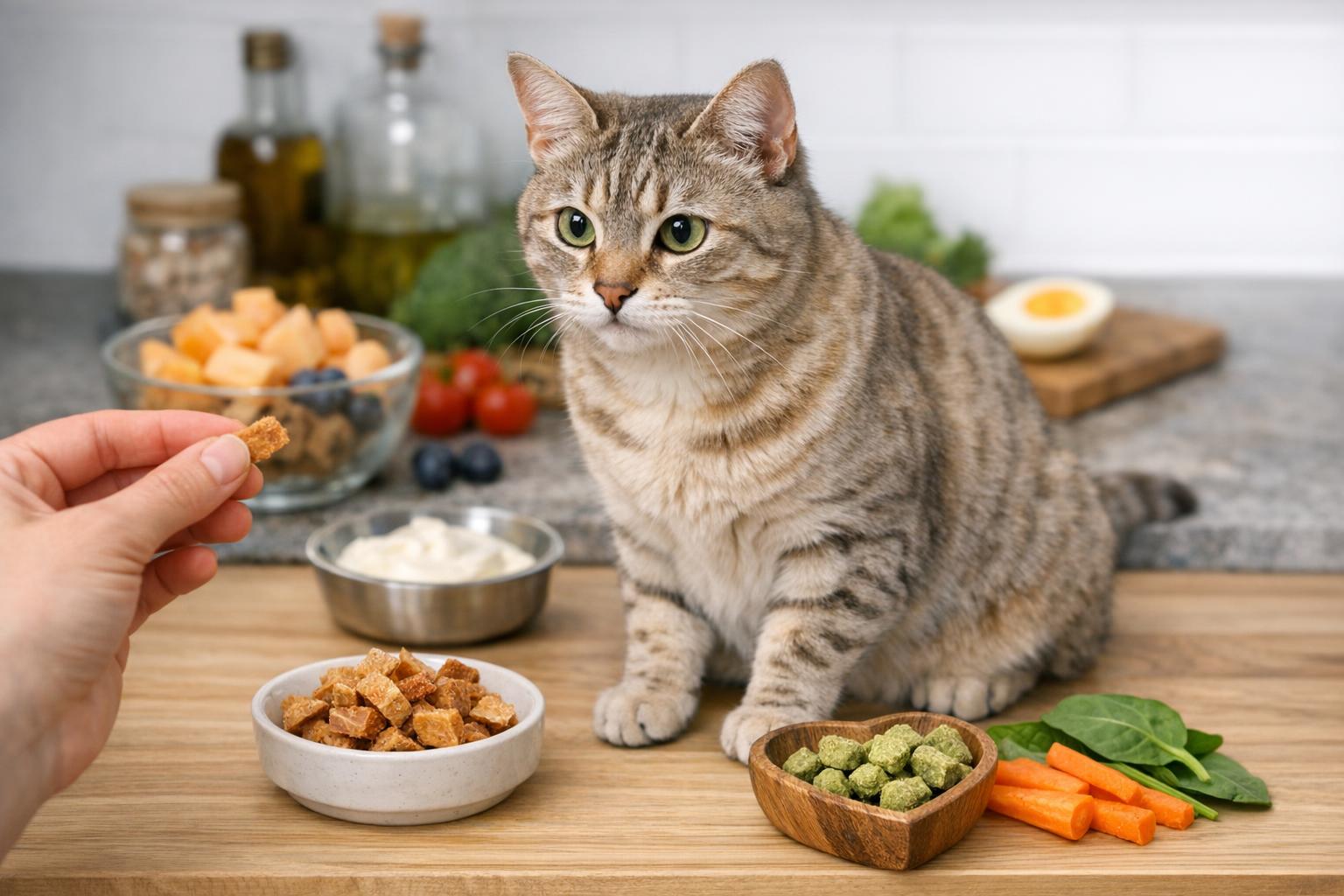
Probiotics can help rebalance gut flora and ease mild indigestion. This remedy is supportive, not curative, and is best for occasional upset rather than severe cases.
Ingredients / Materials:
– Plain, unsweetened yogurt with live active cultures (no xylitol, no flavorings)
– Small spoon
– Optional: tiny amount of cooked chicken or plain pumpkin to entice
Step-By-Step Creation And Application:
1. Choose A Yogurt: Verify the ingredient list—must be plain and free of artificial sweeteners. Greek or regular plain yogurt both work.
2. Portion Size: For adult cats, offer no more than 1 teaspoon (5 mL) to start. Kittens should get about 1/4 to 1/2 teaspoon.
3. Administration: Place the yogurt on your finger, a spoon, or mixed into a tiny amount of bland food. Encourage licking rather than forced feeding.
4. Frequency: Give once daily for up to 3 days. If improvement is seen, consider a daily probiotic supplement formulated for cats for longer-term support (consult your vet).
5. Monitor For Reactions: If diarrhea or vomiting worsens after yogurt, discontinue immediately.
Formality Note: Use measured amounts and limit duration. Human probiotic foods vary in strains and potency; veterinary-specific probiotics are preferable for persistent issues.
## 3. Slippery Elm Soothing Syrup For Cat Indigestion
Slippery elm has a history of use as a demulcent that forms a protective coating in the gut, easing irritation. This remedy should be used thoughtfully and is best for cats with mild, non-infectious upset.
Ingredients / Materials:
– Slippery elm powder (ULTRA-FINE is easier to dissolve)
– Warm water
– Small syringe or dropper for dosing
– Clean container for mixing
Step-By-Step Creation And Application:
1. Mix The Syrup: Stir 1/4 teaspoon slippery elm powder into 1 tablespoon of warm water until it forms a smooth slurry.
2. Check Consistency: The mixture should be free of lumps and slightly viscous.
3. Dose Carefully: For adult cats, administer 1/4 to 1/2 teaspoon (1.25–2.5 mL) orally using the dropper or syringe. Kittens: 1/8 teaspoon (0.6 mL).
4. Frequency: Give every 8 hours for up to 48–72 hours while monitoring symptoms.
5. Combine With Bland Diet: Slippery elm can be combined with the bland diet remedy for added soothing effect.
6. Precautions: If your cat is on medication, give slippery elm 1–2 hours apart from other oral meds to avoid binding or reduced absorption. Discontinue if symptoms worsen.
Formality Note: Use pharmaceutical-grade slippery elm and adhere to conservative dosing. If the source is unclear or quality questionable, consult a vet.
## 4. Hydration And Small Meals Strategy For Cat Indigestion
Keeping your cat hydrated and feeding small, frequent meals reduces gastric strain and supports recovery. This strategy is supportive and can be combined with dietary remedies above.
Ingredients / Materials:
– Fresh, clean water
– Shallow water bowls or a pet water fountain
– Bland food prepared (see Bland Diet Remedy)
– Measuring spoon or cup
Step-By-Step Creation And Application:
1. Encourage Drinking: Place multiple shallow water bowls around the house or run a fountain. Some cats prefer moving water.
2. Offer Small Portions: Feed very small amounts (1–2 tablespoons) of bland food every 3–4 hours rather than one or two large meals.
3. Monitor Intake: Keep a simple log of food and water consumed to track improvement or worsening.
4. Maintain Comfort: Quiet, low-stress environment during recovery—reduce noisy activity near feeding areas.
5. Gradual Return: After 24–48 hours of improvement, gradually increase portion size and reduce frequency until normal feeding resumes.
Clinical Tip: Dehydration is a serious concern in vomiting or diarrhea. If your cat refuses water or shows signs of dehydration (tacky gums, sunken eyes), seek veterinary care promptly.
### Preventive Habits To Reduce Future Episodes
To minimize recurring cat indigestion, maintain consistent diet routines, avoid frequent treats and human food, feed measured portions, use puzzle feeders if your cat eats too fast, and limit access to plants or non-food items that could irritate the stomach. Routine vet checkups also help detect underlying sensitivities or conditions early.
A bit of gentle observation, measured home care, and common-sense prevention go a long way. If you’re ever unsure, a call to your vet will save stress—and potentially a midnight panic driven by one too many Google searches.



Leave a Reply