


If your little feathered roommate has been a bit dramatic lately — fluffed up more than usual, or giving you the cold shoulder from the top perch — you’re not alone. Parakeets are surprisingly sensitive creatures, and small changes in their world can trigger stress. Below you’ll find friendly explanations and practical remedies to reduce parakeet stress, with clear materials lists and step-by-step instructions so you can act confidently (and with minimal birdside eye rolls).
## Understanding Parakeet Stress
### What Causes Parakeet Stress
Parakeet stress can arise from many sources: sudden changes in environment, loud noises, new pets or people, poor diet, lack of social interaction, or an overcrowded or unstimulating cage. Even seemingly minor events — a moved lamp, a different brand of seed, or the neighbor’s new drill — can push a sensitive bird toward anxious behavior.
### Common Signs Of Stress
Look for these behaviors: increased vocalization or, conversely, silence; feather plucking or over-preening; loss of appetite; aggression or uncharacteristic biting; pacing or excessive clinging to one spot; changed droppings or sleep disturbances. If you spot several of these, it’s time to intervene.
#### When To See A Vet
If physical symptoms appear (weight loss, labored breathing, droppings that are consistently abnormal), seek a veterinarian experienced with avian patients immediately. Parakeet stress can mask or exacerbate medical conditions.
## Remedy 1: Calm Corner — Create A Safe Space
### 1. Materials
– A quiet corner of the room away from doors and windows that face traffic
– A cage cover or breathable fabric (avoid plastic)
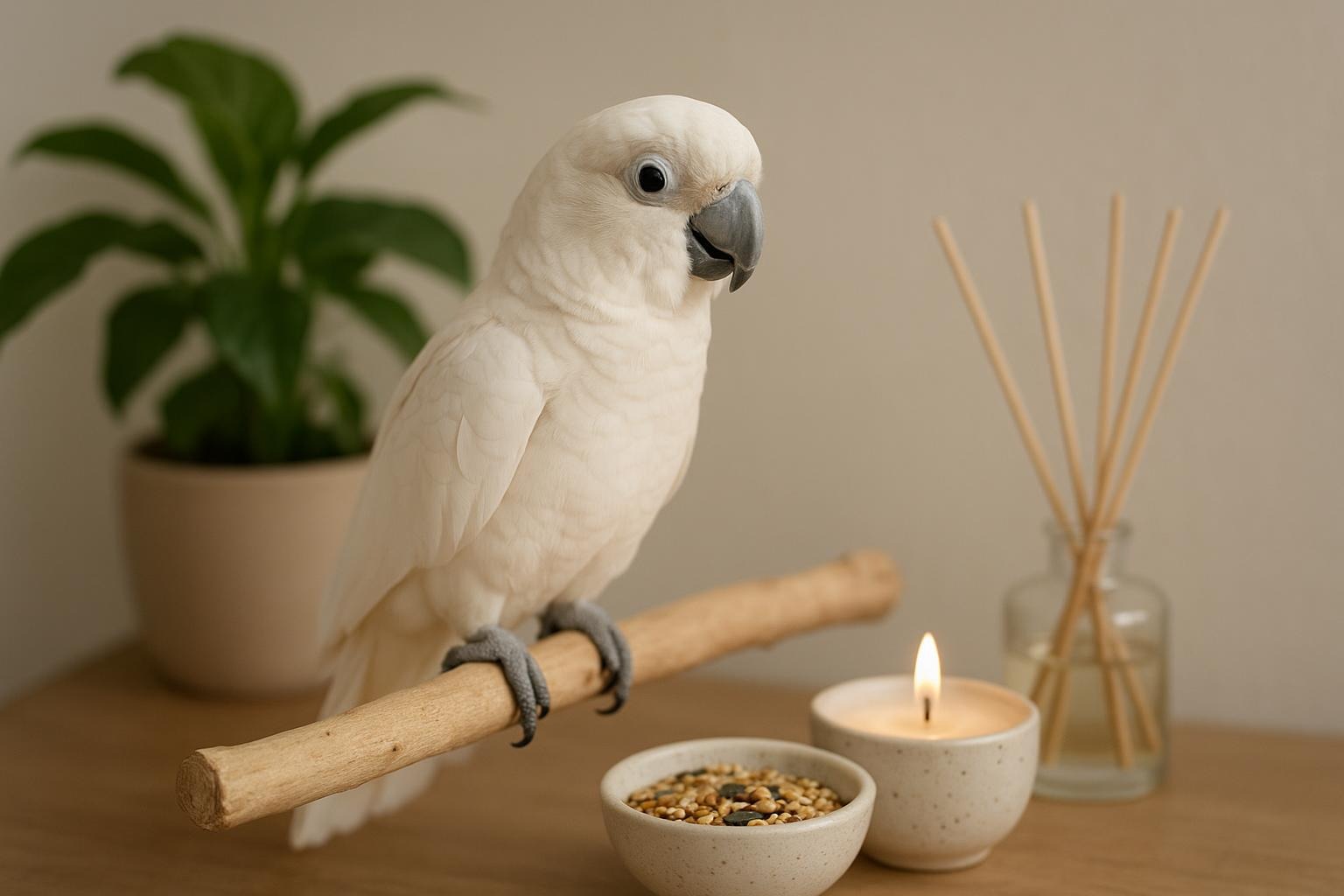
– Natural perches (wood dowels or branch perches)
– Soft nesting material (paper-based, unscented)
– A small privacy divider (cardboard or wooden panel)
### 1. Steps To Create And Apply The Calm Corner
1. Select Location: Choose a spot with stable temperature and low foot traffic. Avoid direct drafts or bright afternoon sun.
2. Reorient Cage: Position the cage so the parakeet can see the room without being in the center of activity. Birds like to observe from a secure vantage point.
3. Add Perches: Replace uniform plastic perches with natural wood perches of varying diameters to encourage foot health and comfort.
4. Provide Shelter: Drape a breathable cover over part of the cage in the evening to simulate a night environment. Do not cover the entire cage during the day.
5. Add Familiar Items: Place a favorite toy or nesting material in the covered area to create a recognizable safe zone.
6. Monitor Reaction: Observe for reduced pacing or ruffled behavior over several days. Adjust the cover height and positioning for optimal comfort.
This remedy focuses on environmental predictability and a comfortable retreat — two major factors in reducing parakeet stress.
## Remedy 2: Routine And Soothing Soundscapes
### 2. Materials
– A daily schedule (written or on a phone)
– A small speaker for ambient audio
– Soothing soundtracks (soft music, gentle nature sounds, or quiet human speech)
– A timer or smart plug to automate sounds
### 2. Steps To Create And Apply The Routine
1. Establish A Schedule: Set mealtimes, playtime, and quiet time at consistent hours. Birds thrive on routine; predictable feeding and social windows reduce anxiety.
2. Introduce Soothing Audio: Play soft, steady ambient tracks at a low volume. Avoid sudden loud sounds, complex rhythms, or music with heavy bass.
3. Use A Gradual Approach: Start with short, low-volume sessions and increase length as your bird shows comfort. Observe reactions: if the bird appears startled, lower volume or switch tracks.
4. Automate For Consistency: Use a timer to cue sounds and lights, especially if you’re away during regular hours. Consistency reinforces safety.
5. Reinforce Positive Associations: Offer a treat or gentle interaction immediately after a soothing audio session so the bird links the soundscape to good things.
This remedy uses controlled sensory inputs and reliable schedules to minimize unpredictability—a principal cause of parakeet stress.
## Remedy 3: Foraging Enrichment Toys (Numbered DIY)
### 3. Materials
– Untreated, bird-safe wood pieces or cardboard tubes
– Natural sisal rope or paper twine
– Bird-safe glue (or a safe non-toxic twine knot technique)
– Healthy treats (seed mixes, millet sprays, small pieces of fresh fruit)
– Scissors and a hole punch (for cardboard)
### 3. Steps To Create And Apply Foraging Toys
1. Design The Toy: Decide whether to make a hanging pulley-style toy, a foraging box, or a shreddable streamer. Aim for moderate difficulty to engage curiosity.
2. Assemble Base: For a simple treat tube, stuff small treats into a cardboard tube and seal one end with twine so treats don’t fall out too easily.
3. Add Textures: Tie sisal strands and small wood pieces to the toy to encourage chewing and manipulation.
4. Secure And Hang: Attach the toy securely inside the cage at a comfortable height. Ensure there are no loose small parts that can be swallowed.
5. Rotate Toys Regularly: Swap toys every few days to keep novelty high and reduce boredom.
6. Monitor Use: Watch for destructive chewing or ingestion of unsafe materials; remove and redesign if necessary.
Enrichment-directed foraging is a behavioral remedy: it channels natural instincts into constructive behavior, directly reducing parakeet stress.
## Remedy 4: Safe Herbal Sprays And Calm Scents
### 4. Materials
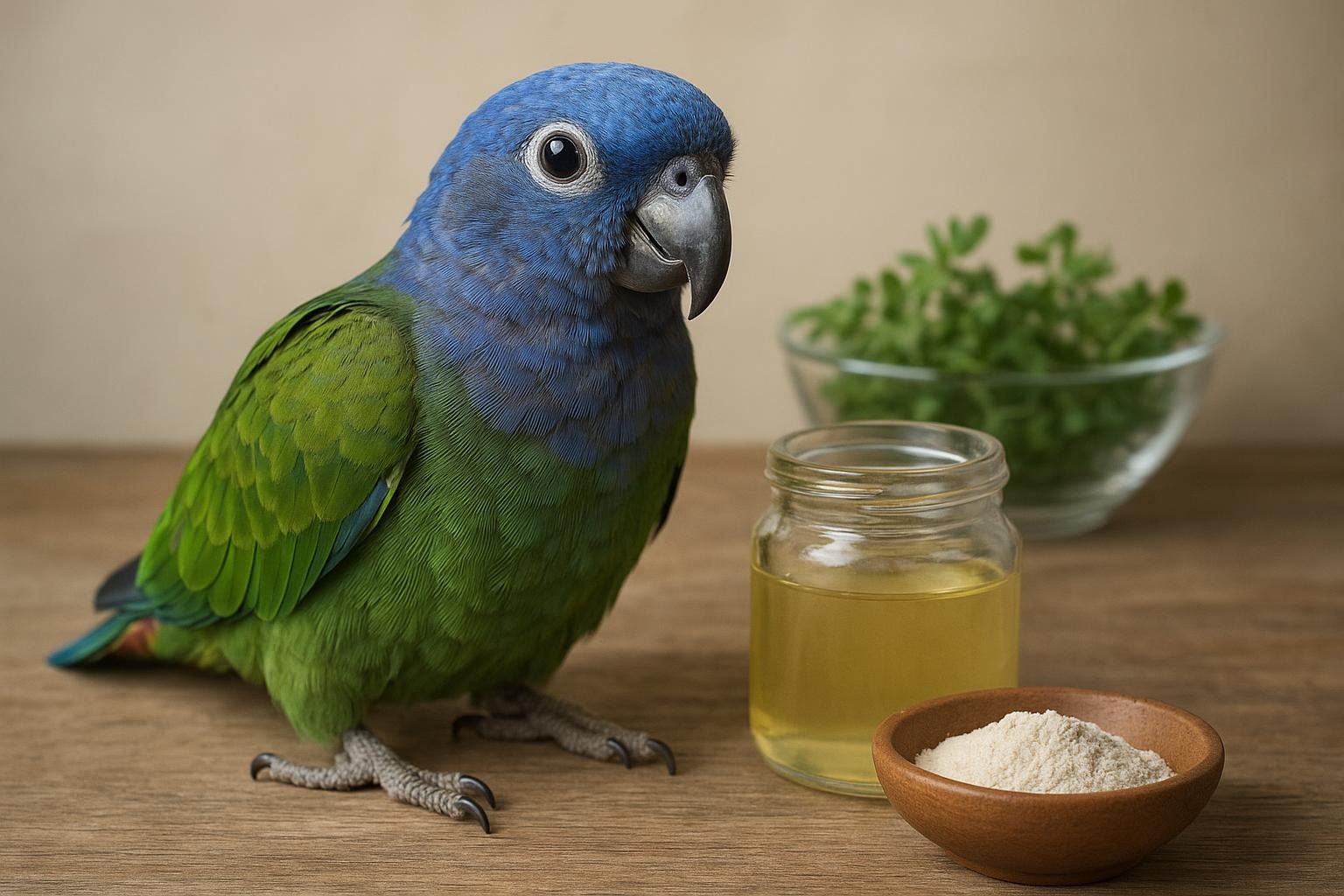
– Organic dried chamomile flowers (food-grade)
– Distilled water
– A small glass jar and a fine-mesh strainer
– A clean spray bottle (glass or BPA-free)
– Optional: dried calendula petals
### 4. Steps To Create And Apply The Herbal Spray
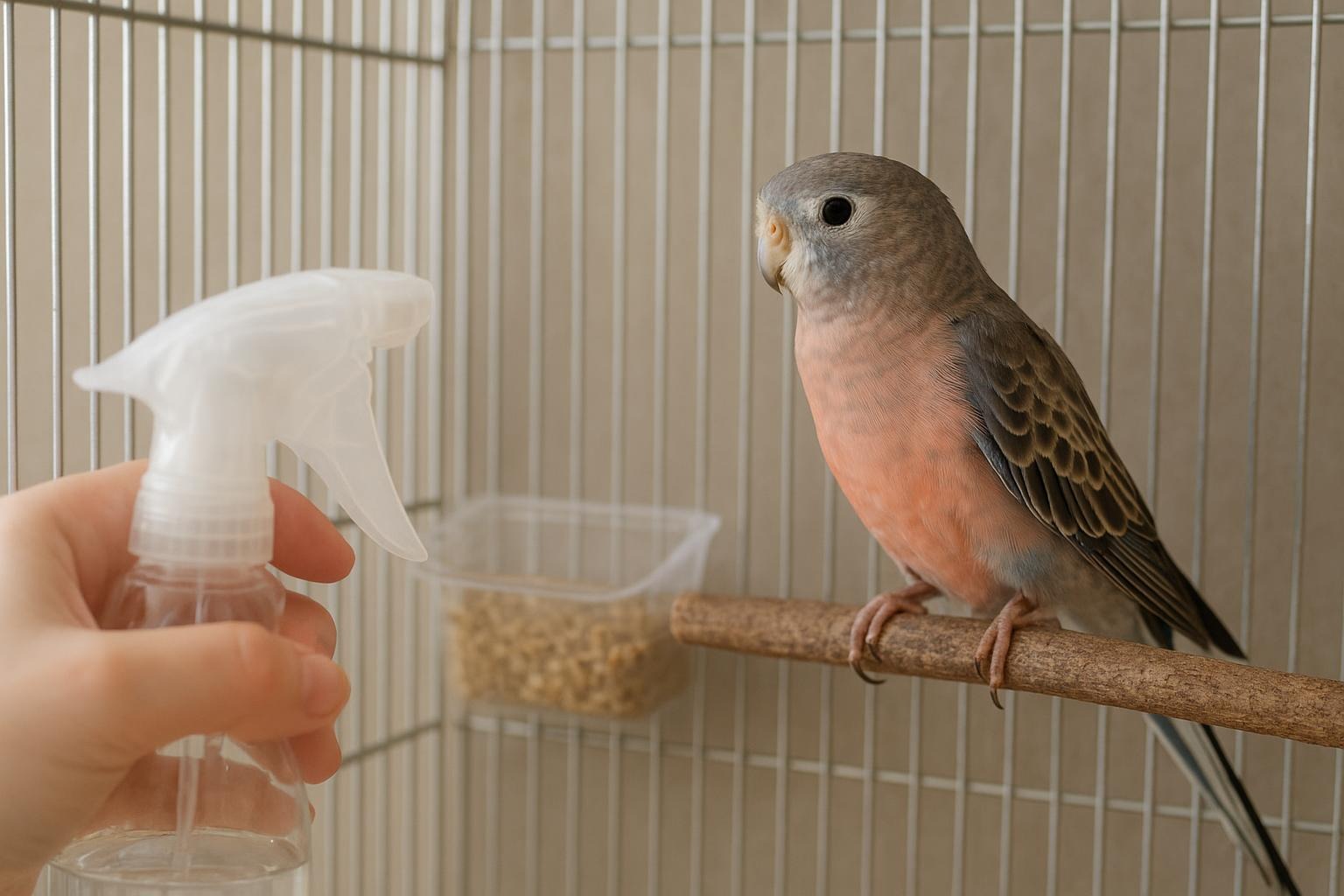
1. Prepare An Infusion: Place 1 tablespoon of dried chamomile (and up to 1 teaspoon of calendula if desired) into a jar with 1 cup of boiling distilled water. Steep for 20–30 minutes.
2. Strain And Cool: Use the fine-mesh strainer to remove solids. Allow the infusion to cool completely to room temperature.
3. Bottle The Spray: Transfer the cooled infusion into the spray bottle and store refrigerated for up to 3 days.
4. Application: Lightly mist the area around the cage (not directly on the bird). Test a small spray near the cage and observe for any adverse reaction.
5. Frequency: Use once daily or less, always ensuring adequate ventilation. Do not use essential oils or concentrated fragrances — many are toxic to birds.
6. Safety Checks: If your parakeet shows respiratory distress, sneezing, sneering, or behavior change, discontinue immediately and ventilate the space.
This remedy emphasizes bird-safe botanicals and non-invasive application. Chamomile has mild calming properties and, when used properly, can create a soothing environment without risk.
## Feeding And Nutritional Interventions
### Balanced Diet Checklist
A varied diet influences mood and resilience. Offer a mix of high-quality seed mix and fresh vegetables (leafy greens, carrots, peppers) and occasional fruit. Provide a cuttlebone or mineral block for calcium. Avoid excessive fatty or salty snacks.
#### How To Introduce New Foods
Introduce one new item at a time. Offer small portions and pair new foods with favorites. Make mealtime relaxed and regular; this predictability reduces parakeet stress tied to feeding uncertainty.
## Social Interaction And Training
### Gentle Handling And Short Sessions
Parakeets are social. Spend short, consistent sessions of talking, gentle training, or target work. Use positive reinforcement: small treats, soft praise, and brief, calm interactions. Training that builds trust reduces fear and boosts confidence.
#### Flight Time And Supervised Exploration
If safe, allow supervised out-of-cage time in a bird-proofed room. Free flight or supervised hopping on perches provides exercise and mental stimulation. Always watch for hazards: open windows, ceiling fans, and toxic plants.
## Monitoring Progress And Adjustments
### Documenting Behavior Changes
Keep a simple log of behavior, diet, and environment changes. Note the time of day for stress signs, what preceded them, and what interventions were tried. Patterns reveal triggers and guide adjustments.
#### When Remedies Aren’t Enough
If symptoms persist after making environmental, dietary, and enrichment changes, consult an avian veterinarian or certified behaviorist. Long-term parakeet stress can lead to severe health issues and may require professional assessment.
You’ve now got a toolkit of peaceful, practical approaches to reduce parakeet stress. Try one or combine several, track results, and always use bird-safe materials. Your parakeet will appreciate the calm — or at least stop dramatic plumes of protest long enough to enjoy a millet spray.
















Leave a Reply