
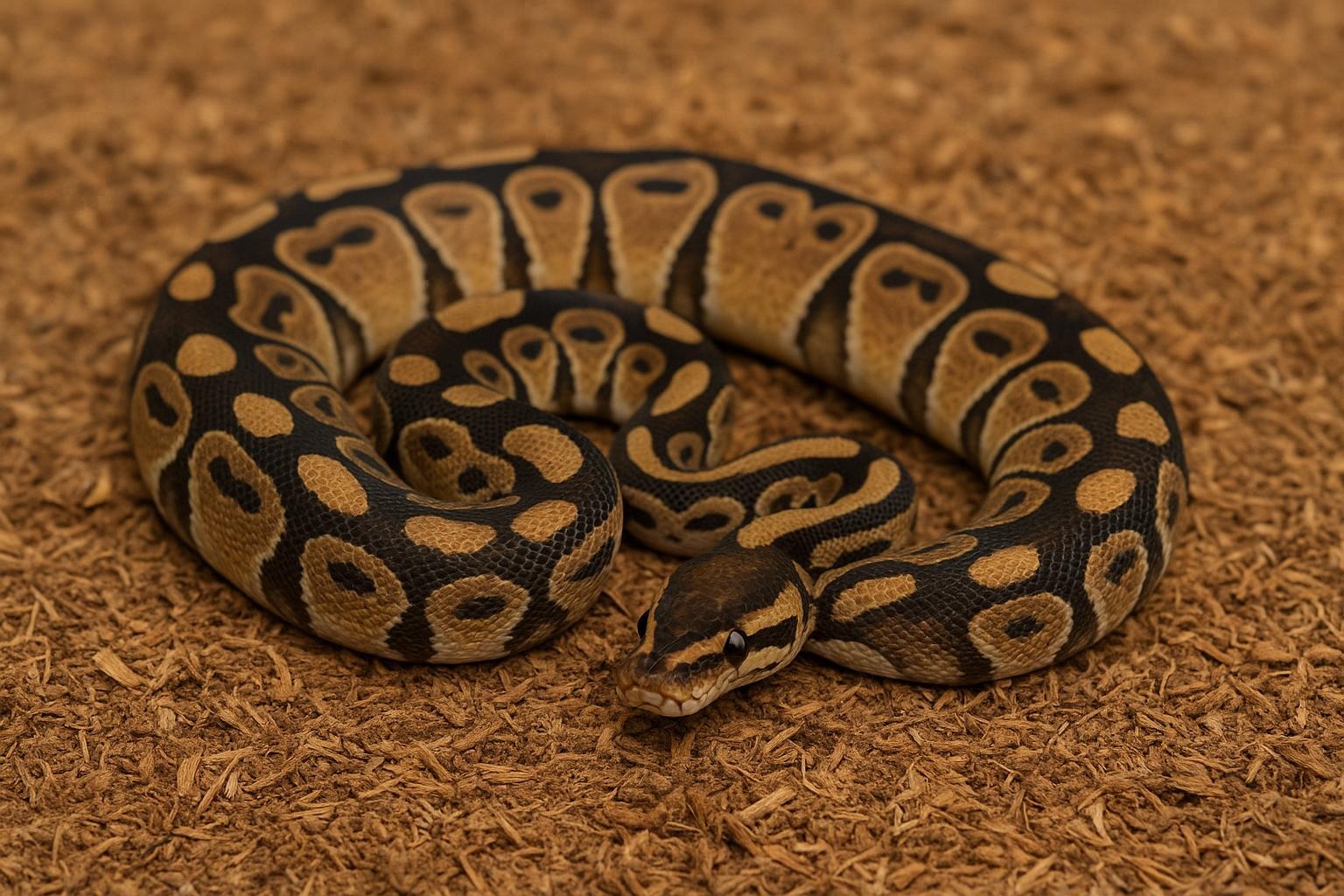
Keeping your ball python comfortable starts at the feet — or, more accurately, the substrate. A good bedding system controls humidity, allows natural behaviors like burrowing, reduces stress, and keeps your snake healthier. Think of it as fluffy furniture and climate control combined, but without the shopping mall.
## Ball Python Bedding Basics
Ball pythons are native to West and Central Africa where leaf litter, loamy soils, and humid microclimates are common. In captivity, the goal of ball python bedding is to approximate those conditions safely: hold appropriate humidity, allow for spot-cleaning and full clean-outs, and be free of dust, mold, and dangerous additives. The wrong substrate can contribute to respiratory infections, scale rot, or impaction — not the kind of house guests anyone wants.
### Why Substrate Choice Matters
Humidity control: Ball pythons need moderate humidity (typically 50–60%, rising during shedding). Bedding that holds moisture without staying soggy helps with clean sheds.
Thermoregulation and behavior: Substrates that allow for a shallow burrow or secure hiding increase the snake’s sense of security, which reduces stress-linked behaviors.
Sanitation: Some materials trap bacteria and mold, others are easy to spot-clean. Select a substrate that balances cleanliness with natural feel.
### Key Things To Avoid
– Pine and cedar shavings (toxic aromatic oils).
– Fine, dusty substrates that can cause respiratory irritation.
– Loose sand, small wood pellets, or anything that could lead to impaction if ingested.
– Overly absorbent litter that dries the enclosure air out too much.
## Remedy 1: Coconut Coir Bedding Mix
A popular go-to for many keepers, coconut coir (also called coir or coco fiber) is absorbent, holds humidity well, and is relatively low-dust when prepared properly. This recipe makes a semi-moist bedding designed to give your ball python comfortable microclimates for shedding and hiding.
Ingredients / Required Materials
– 4 cups compressed coconut coir or loose coir (unscented, untreated)
– 1 cup fine orchid bark or screened vermiculite (for aeration)
– Clean water (about 1 to 1.5 cups, adjust as needed)
– A large mixing container or bucket
– Gloves and a mask if you’re sensitive to dust
– A measuring scoop and a spray bottle for ongoing maintenance
Step-by-Step Creation And Application
1. Prepare the coir: If using compressed coir bricks, hydrate according to package instructions, then fluff to break up clumps. Aim for a humidity that’s slightly damp but not dripping.
2. Mix aeration material: In the large container, combine 4 cups of coir with 1 cup of orchid bark or vermiculite. The bark/vermiculite increases structure, prevents compacting, and improves airflow.
3. Adjust moisture: Slowly add water and mix. You want the mix to clump when squeezed but not release pools of water. Target a moisture content where a light squeeze forms a loosely held ball that falls apart when tapped.
4. Layer the enclosure: Place 2–4 inches (5–10 cm) of the coir mix in the enclosure. Create a shallow side den or depression for a humidity pocket — ball pythons enjoy a slightly moister hide during shed.
5. Regular maintenance: Spot-clean feces and urates daily. Replace soiled areas as needed and fully refresh the substrate every 2–4 months or sooner if odors or mold appear.
6. Humidity monitoring: Use a hygrometer to check ambient humidity. If levels are too low, mist the substrate lightly or add a dedicated moist hide; if too high, increase ventilation and reduce misting.
Notes On Safety And Benefits
Coconut coir is relatively inert and resists molding when changed regularly. It’s an excellent choice for keepers looking to maintain steady humidity without risking aromatic oils or toxins.
### Moisture Management And Mold Prevention
If you notice mold spots, remove that area immediately and allow better airflow. Replace the entire substrate if mold is widespread. Mold often appears when there’s poor ventilation or when substrate remains saturated for extended periods.
## Remedy 2: Aspen And Reptile Bark Hybrid
For keepers who prefer a drier, more natural wood-fall aesthetic, an aspen and reptile bark hybrid gives texture, burrowing possibilities, and good odor control without the risks of pine or cedar. This option is slightly drier than coir but still supports natural behaviors.
Ingredients / Required Materials
– 6 parts kiln-dried aspen shavings (dust-extracted, untreated)
– 1 part coconut or orchid bark chunks (coarse)
– A clean enclosure with a solid-bottom floor
– A scoop for spot-cleaning
– A humidity hide (moist cork bark hide or plastic container with damp moss)
– Gloves for handling
Step-by-Step Creation And Application
1. Prepare the aspen: Remove fine dust by shaking or sifting if required. Dust can irritate sensitive respiratory systems.
2. Mix proportions: Combine approximately six parts aspen shavings with one part coarse bark in your mixing container. The bark increases structure so the bedding retains small cavities for shallow burrowing.
3. Depth and layout: Spread the mixture 2–3 inches (5–8 cm) deep across the enclosure. You can create a deeper area on the warm side to allow slight thermoregulatory burrowing.
4. Provide a moist hide: Since this blend is drier, place a dedicated moist hide in the enclosure to assist with shedding. A simple hide box with a small amount of damp sphagnum moss will suffice.
5. Maintenance routine: Spot-clean daily and replace the top layer every 1–2 months. Full substrate change every 3–4 months is recommended to prevent odor and pathogen buildup.
6. Monitor for ingestion: Some ball pythons may accidentally ingest shavings while feeding; limit loose substrate during feeding times by offering meals in a separate container if needed.
Notes On Benefits
Aspen is safe for ball pythons, offers good odor control, and is visually pleasing. The hybrid approach yields structure without excessive moisture retention, suitable for keepers who prefer a drier baseline environment with a moist hide available.
### When To Use Which Remedy
Choose coir mix when you need steady humidity, frequent sheds, or a snug burrowing feel. Opt for the aspen-bark hybrid if your ambient home humidity is higher, or if you prefer a cleaner-looking, drier enclosure with periodic moisture from a dedicated hide.
#### Handling Shedding Issues
If your ball python has incomplete sheds (retained eye caps or patches), increase supervised humidity: mist the moist hide daily, consider a short-term soak (10–15 minutes in shallow lukewarm water), and confirm your substrate’s moisture-holding capability is adequate. Use remedies formally — adjust humidity gradually and monitor respiratory signs closely.
#### Special Considerations For Juveniles And Breeders
Juveniles often burrow more and may benefit from a slightly deeper coir mix to mimic natal nesting. Breeding animals may need tailored humidity fluctuations; keep close records of changes to substrate and environmental parameters to ensure reproductive health.
### Simple Hygiene And Safety Checklist
– Use kiln-dried or dust-extracted materials where possible.
– Avoid aromatic woods and chemically treated products.
– Keep a hygrometer and thermometer in the enclosure and log readings.
– Spot clean daily and perform full substrate changes on a schedule.
– Quarantine new substrate materials for a quick visual and olfactory check before introducing them into the enclosure.
Now for a friendly reminder: feel free to sniff-test your own bedding — but don’t try that with your snake’s. They have different opinions on what smells cozy.
## Bonus Tips For Ball Python Bedding Success
– Rotate bedding in high-traffic zones (near hides or feeding areas) to keep the enclosure fresh.
– During heavy shedding cycles, prioritize moisture and a moist hide rather than over-saturating the entire enclosure.
– When switching substrates, do it gradually when possible: move bedding in stages or offer new substrate on one side while keeping familiar bedding on the other to reduce stress.
– If you prefer commercial mixes, choose ones explicitly labeled reptile-safe and read reviews for dust and mold concerns.
Remember: bedding is more than decor. It’s a basic piece of husbandry that affects humidity, behavior, and health. Treat it with the same care you’d give to the rest of your ball python’s environment, and you’ll have a happy snake that looks content curled in its favorite spot — and probably plotting nothing, because snakes are mostly chill.








Leave a Reply