





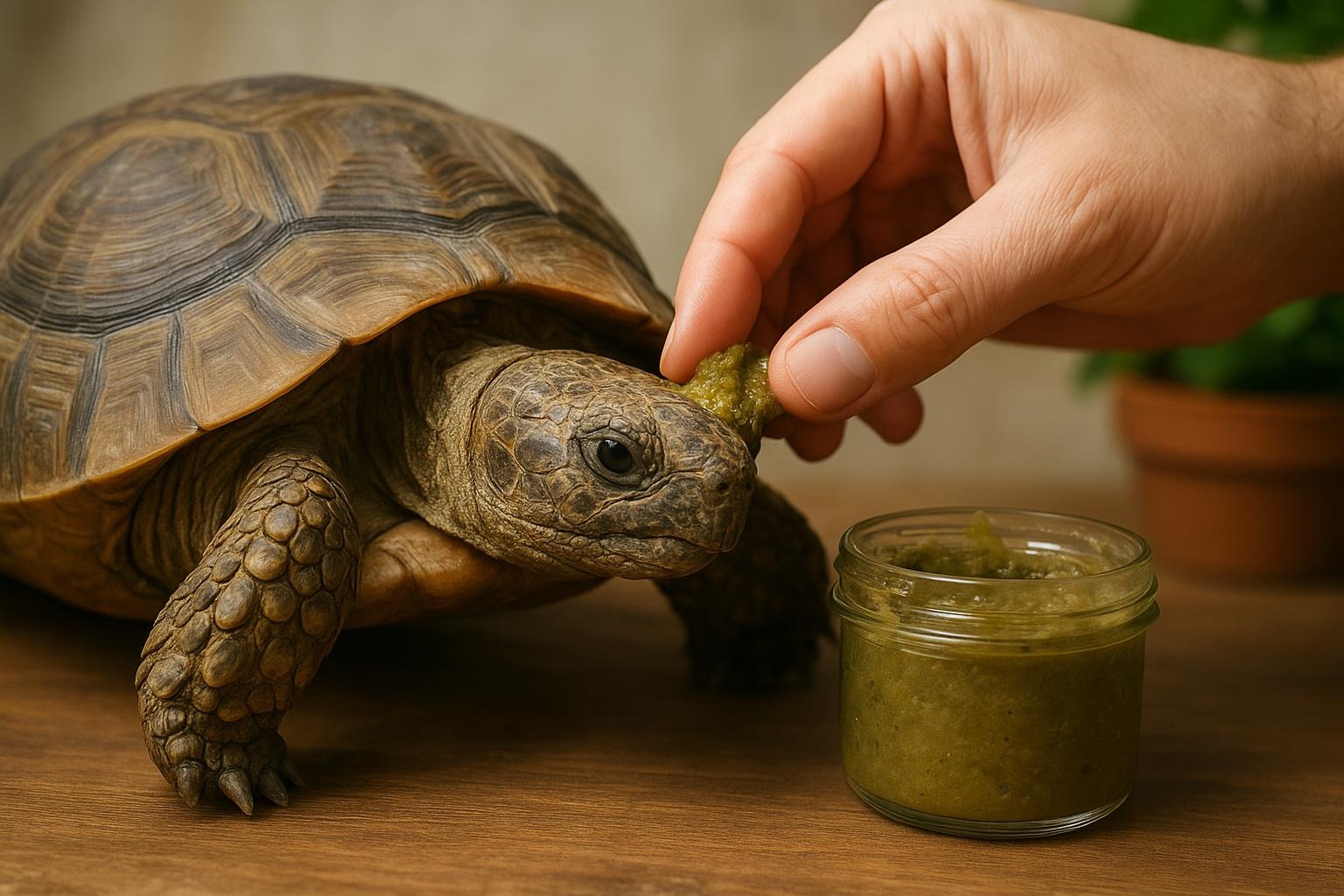
Hello and welcome — take a slow breath, sit down beside a warm rock, and let’s talk gentle solutions for these chunky, charming diggers. If you share life with a sulcata (or plan to), this guide is about calm, practical, home-friendly options that respect their slow-moving nature while helping you keep them healthy and happy.
## Slow And Gentle Sulcata Turtle Care Home Remedies Guide
### Understanding Your Sulcata’s Basics
Sulcatas are not small pets in disguise: they’re large tortoises with big appetites for grass, a strong instinct to dig, and a shell that needs a lifetime of steady care. Good sulcata turtle care starts with understanding core needs: proper diet, humidity and basking balance, secure space to explore, and routine checks for shell and skin issues. Think of it as a long-term, low-speed project rather than a weekend hobby.
### Habitat And Environmental Essentials
A roomy outdoor enclosure with shade and a hot basking area is ideal; indoors, the enclosure must still be large and offer graded temperatures. For proper sulcata turtle care, aim for a daytime basking spot of 95–105°F (35–40°C) and a cooler zone around 75–85°F (24–29°C). Night temps can drop into the low 60s (°F) without issue for most healthy adults. UVB lighting is non-negotiable for calcium metabolism.
#### Substrate And Digging Considerations
Sulcatas love to excavate. Provide a substrate combination that holds shape: a mix of topsoil, play sand, and coconut coir can work. Prevent escape attempts by burying sturdy barriers and offering a dig box to satisfy that urge without compromising fencing.
### Diet Fundamentals For Lifelong Shell Strength
Feed a high-fiber, low-protein diet heavy on grasses and hay: orchard grass, timothy, and Bermuda work well. Offer calcium-rich greens (hibiscus leaves, dandelion greens) and always provide a cuttlebone or calcium supplement. Avoid excessive fruit and high-protein feeds that can lead to shell pyramiding. This is central to sustainable sulcata turtle care: nutrition equals long-term shell health.
### When To Use Home Remedies (And When To Seek A Vet)
Home remedies can be great for mild issues: minor shell dryness, small abrasions, or temporary digestive upset. However, if you see deep shell cracks, significant swelling, persistent lethargy, breathing difficulties, or open wounds that bleed or smell, contact an experienced reptile veterinarian promptly. Home care complements professional care, it doesn’t replace it.
## Remedy 1: Gentle Hydration Soak For Shell And Hydration Support
Materials:
– Large shallow plastic tub or kiddie pool, cleaned with mild soap and rinsed
– Lukewarm water (about 80–85°F / 27–29°C)
– A soft cloth or sponge
– Optional: a few tablespoons of aquarium salt (for mild electrolyte support; not iodine or table salt)
Creation And Application (Formal Steps):
1. Prepare the tub with lukewarm water no deeper than the shelled area’s midline when the tortoise stands. The goal is gentle soaking, not swimming.
2. Ensure water is clean and free of detergents. If using aquarium salt, dissolve it fully at the recommended low concentration (about 1–2 teaspoons per gallon for a mild soak) — always err on the lower side.
3. Place the sulcata into the tub calmly. Support its body if it seems unsteady.
4. Allow a soak of 15–25 minutes for adults; for juveniles, keep sessions shorter (5–10 minutes) and always supervise.
5. After soaking, gently pat the shell dry with a soft cloth. Inspect for any soft spots, discoloration, or lesions, and note any changes to report to your vet if needed.
6. Frequency: 1–3 times per week for minor hydration support, more often only under veterinary guidance.
Clinical Notes: The soak helps with mild dehydration and shell surface hydration. Do not use hot water or medicated soaps. Avoid prolonged soaking in very young animals without vet approval.
## Remedy 2: Homemade Calcium Paste For Minor Shell Flaking Or Light Softening
Materials:
– Plain calcium carbonate powder (food-grade) or crushed cuttlebone
– Clean water
– Small mixing bowl and spoon
– Optional: a pinch of vitamin D3 powder (only if recommended by your veterinarian)
Creation And Application (Formal Steps):
1. Mix calcium carbonate powder with clean water to a thick paste consistency — similar to toothpaste. If using crushed cuttlebone, grind to fine powder first.
2. If your vet has advised vitamin D3 supplementation, add the prescribed micro-amount to the paste; avoid self-dosing D3 due to toxicity risks.
3. Clean the affected shell area with a soft brush and lukewarm water; dry thoroughly.
4. Apply a thin layer of calcium paste to flaky or mildly softened shell patches using a gloved finger or soft applicator.
5. Allow the paste to dry naturally; do not seal it with plastic wrap. Dried paste can be gently brushed off in subsequent days if it flakes away.
6. Repeat every 3–4 days for up to two weeks, monitoring for improvement. If softening persists or spreads, seek veterinary evaluation.
Clinical Notes: This is a topical remineralization aid for superficial issues. It’s not a cure for deep shell rot or systemic calcium deficiency — dietary and UVB interventions are necessary for those problems.
### Signs You Might Need Remedies
– Shell looks dull, flaky, or has small soft spots
– Mild skin irritation after a scratch
– Brief periods of reduced activity but otherwise alert and eating
These are the windows where gentle, measured home care is most appropriate.
## Remedy 3: Natural Skin Soothing Spray For Minor Irritation (Number 3)
Materials:
– Distilled water
– Aloe vera gel (pure, no additives)
– A small spray bottle
– Optional: a pinch of chamomile tea (steeped and cooled) for calming effect
Creation And Application (Formal Steps):
1. Sterilize the spray bottle with hot water and remove any residual scent.
2. Combine 1 cup distilled water with 1 tablespoon pure aloe vera gel. If using chamomile, steep one tea bag in hot water, cool fully, and replace one-quarter of the distilled water with the cooled chamomile infusion.
3. Shake gently to mix. Store refrigerated for up to 5 days; discard if it develops an odor.
4. Lightly mist the affected skin area from 6–8 inches away, avoiding the nostrils and mouth. Alternatively, apply with a clean cloth.
5. Use once daily for a few days. If irritation worsens, stop use and consult a vet.
Clinical Notes: Aloe helps soothe superficial irritation, while chamomile provides mild anti-inflammatory benefits. Avoid sprays containing alcohol, essential oils, or human antiseptics that can be toxic to reptiles.
### Handling And Gentle Procedures
When you’re applying any remedy, move slowly. Sulcatas are strong but can be easily startled; support the shell base and minimize overhead looming. If your tortoise retracts into the shell and remains unresponsive, pause the treatment and reassess. Stress undermines healing.
### Preventive Home Habits For Better Sulcata Turtle Care
– Offer grazing options and chopped grasses daily; maintain free-choice hay.
– Rotate a shallow water dish daily; make sure it’s easy to access and not a drowning risk for youngsters.
– Keep UVB bulbs fresh and within recommended distance — replace bulbs per manufacturer timelines, usually every 6–12 months depending on exposure.
– Provide dust baths and a dry area; balanced humidity prevents respiratory and shell problems.
– Observe weekly: watch appetite, bowel movements, and shell appearance. Small changes noticed early are the best chance for easy fixes.
### When Home Remedies Aren’t Enough
Persistent discharge from the nose or mouth, cracks that expose the inner scutes, severe swelling, or dramatic appetite loss are signs to call your vet immediately. Home remedies provide supportive care; definitive treatment for infections, deep shell rot, or metabolic bone disease requires diagnostics and possibly systemic medications.
A final friendly reminder: sulcata turtle care is a long game. These tortoises can live for decades and often start small and become very large, very quickly. Gentle, consistent care and cautious home remedies—applied with the formality and attention they deserve—will serve you and your shelled companion well.


























Leave a Reply