


## Snake Diarrhea: Recognize And Act
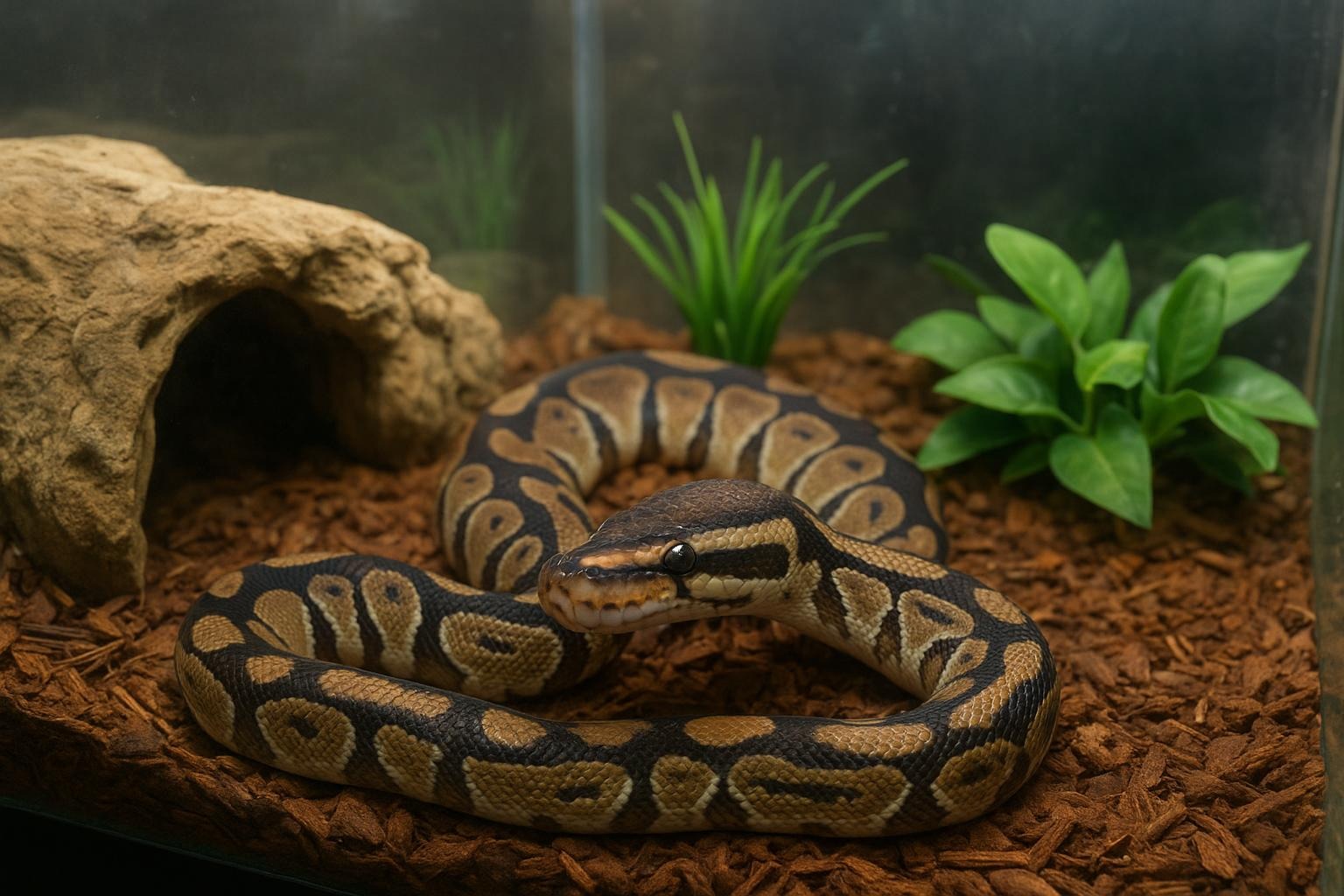
If your snake suddenly leaves watery, loose stool or stains the enclosure with unusually runny waste, you’re likely looking at snake diarrhea. Don’t panic—this is a common issue in captive snakes and often fixable at home, but it can also signal something more serious. Read on for friendly guidance, practical digestion tips, and a couple of step-by-step home remedies you can try before (or while) arranging a vet visit.
### Common Causes
#### Diet-Related Issues
Feeding items that are too large, improperly thawed frozen prey, or offering prey that’s been stored for too long can upset a snake’s digestive tract. Overfeeding or an irregular feeding schedule may also trigger loose stool.
#### Temperature And Environment
Snakes are ectotherms; digestion depends on appropriate ambient temperature. If the enclosure is too cool, digestion slows and can result in undigested food and diarrhea. Conversely, rapid temperature changes can stress the system and affect gut motility.
#### Stress And Parasites
Transport, handling, new enclosures, and noisy environments stress snakes and can lead to diarrhea. Internal parasites (nematodes, protozoa) are frequent culprits too—those require veterinary testing and prescription treatment.
#### Bacterial Or Fungal Infections
Bacterial enteritis or secondary infections from wounds can present as diarrhea. These conditions often need antibiotics or antifungals prescribed by a vet.
## When To See A Vet
### Red Flags You Shouldn’t Ignore
– Persistent diarrhea lasting more than 24–48 hours
– Severe lethargy, refusal to eat for multiple feedings
– Weight loss, dehydration (sunken eyes, loose skin)
– Bloody stool, or presence of worms in the feces
– Temperature abnormalities in the enclosure
If any red flag appears, get a fecal test and clinical exam from an exotic veterinarian. Home remedies can help mild cases, but they are not a substitute for professional diagnostics when systemic illness or parasites are suspected.
## Remedy 1: Rehydration And Electrolyte Support
When diarrhea is present, dehydration is the first concern. Rehydration is the most immediate supportive measure you can safely try at home.
### Ingredients/Materials
– Reptile-safe oral electrolyte solution or unflavored pediatric electrolyte solution (diluted; see steps)
– Clean syringe (without needle) or dropper
– Clean water for soaking
– Thermometer to check enclosure temperatures
– Clean shallow water dish
### Step-By-Step Creation And Application
1. Assess Hydration: Gently pick up your snake and check skin elasticity (a mild tent in the skin is normal; slow return may indicate dehydration). Also check mucous membranes if comfortable doing so.
2. Prepare Electrolyte Mix: If using unflavored pediatric solution, dilute it 1:1 with sterile or boiled-cooled water to reduce sugar/osmolarity. Use a reptile-specific electrolyte if available undiluted according to product instructions.
3. Offer Fluids: Place a shallow water dish in the enclosure and ensure it’s changed frequently. Many snakes will drink if mildly dehydrated.
4. Assisted Feeding: If the snake won’t drink, use the syringe to slowly drip electrolyte solution into the mouth along the side, allowing swallowing. Give small amounts (0.5–2 ml per 100 g body weight) every 15–30 minutes for mild cases. Avoid forcing large volumes quickly; aspiration is a risk.
5. Soak Method: Fill a shallow tub warmer than room temp (but not exceeding preferred basking temp) and soak the snake for 10–20 minutes. Soaking can promote drinking and rehydration through skin and assist with passing waste. Monitor the snake closely.
6. Monitor: Track stool consistency, activity level, and weight over 24–72 hours. If no improvement, contact your vet.
Note: When administering any fluids, be deliberate and gentle. Aspiration pneumonia is a risk if fluid is forced into the trachea. If you’re unsure, seek vet help.
## Remedy 2: Probiotic And Diet Correction
A short-term dietary adjustment plus a targeted probiotic can help restore healthy gut flora and resolve mild cases of snake diarrhea due to dysbiosis.
### Ingredients/Materials
– Reptile-appropriate probiotic supplement (freeze-dried multi-strain product labeled safe for reptiles) or veterinarian-recommended probiotic
– Freshly thawed, properly stored prey items (appropriate size)
– Feeding tongs and gloves
– Thermometer and heating pad/heat lamp for correct feeding temperatures
### Step-By-Step Creation And Application
1. Stop Feeding Briefly If Necessary: For snakes that have runny stool within 24 hours of feeding, allow one digestion cycle (typically 7–14 days depending on species and temperature) before offering new prey. Do not fast prolongedly without vet guidance for small or juvenile snakes.
2. Thaw And Warm Prey Properly: If feeding frozen-thawed prey, thaw in the refrigerator and then warm to appropriate body temperature using hot water or a warm pad. Never microwave. Improperly thawed prey can introduce bacteria and cause snake diarrhea.
3. Administer Probiotic: Follow manufacturer or vet dosage. Generally, sprinkle the recommended dose on the thawed prey just before feeding or dissolve in a small amount of electrolyte solution and administer orally as per instructions. Consistent dosing for 5–10 days can help repopulate beneficial gut bacteria.
4. Feed Smaller, More Frequent Meals: For a short period, reduce prey size or increase frequency with smaller meals to ease digestion. This is species-dependent—consult resources for your snake’s normal intake pattern.
5. Record And Reassess: Note changes in stool formedness, appetite, and activity. If no improvement after probiotic course and dietary corrections, consult your vet for fecal testing and possible medications.
## Habitat And Hygiene Fixes
### Clean Enclosure Practices
Maintaining a pristine environment reduces the risk of reinfection and secondary problems. Remove soiled substrate promptly and disinfect surfaces with reptile-safe cleaners. Replace water daily and clean the water dish with hot water and mild soap.
### Temperature And Humidity Optimization
Ensure your snake’s thermal gradient is correct: a warm side for digestion and a cooler side for rest. Incorrect temperatures are a very common cause of snake diarrhea; invest in reliable thermometers and adjust heating elements accordingly.
### Stress Reduction
Limit handling during recovery, keep noise low, and avoid sudden environmental changes. A calm, stable habitat supports digestion and immune function.
### Parasite Prevention And Monitoring
Complete fecal exams as advised by your vet (baseline for new snakes, then periodically) help catch parasites early. Quarantine new arrivals for several weeks and treat if necessary based on test results.
## Practical Monitoring Checklist
### What To Track At Home
– Frequency and consistency of stools
– Appetite and weight changes
– Activity level and skin condition
– Environmental temperature and humidity readings
– Any visible parasites or blood in stool
Keeping a brief log makes vet visits more informative and increases the chances of a quick, correct diagnosis.
## When Home Remedies Are Not Enough
If after following rehydration, diet correction, and probiotic support your snake’s condition worsens, or you observe any of the red flags listed earlier, cease home treatments and seek veterinary care. Diagnostic tests like fecal floatation, cytology, bloodwork, and possibly radiographs are tools your vet will use to determine the underlying cause and prescribe antiparasitics, antibiotics, or other targeted therapies.
A touch of humor: snakes aren’t picky about avocado toast, but they are picky about temperatures and clean bowls. Keep things warm, sanitary, and stress-free, and many mild episodes of snake diarrhea will resolve. If they don’t, your exotic vet is the real MVP—book the appointment and bring your monitoring notes.













Leave a Reply