
Hello and welcome — grab a cup of something warm, put the pig feed away from temptation, and let’s talk about keeping your swine happy, healthy, and as mud-splattered as they were meant to be. This guide covers common issues, sensible prevention, and a few gentle, natural remedies you can try at home. When in doubt, call your veterinarian — they’re the pros who don’t mind muddy boots.
## Common Diseases In Pigs You Should Know
Pigs are sturdy little (or large) bundles of personality, but like any livestock, they’re susceptible to a range of illnesses. Knowing the signs makes a big difference. The phrase diseases in pigs covers bacterial, viral, parasitic, and nutritional problems. Here are some of the most common ones:
– Respiratory Illnesses: Porcine reproductive and respiratory syndrome (PRRS), swine influenza, and pneumonia cause coughing, nasal discharge, fever, and poor growth.
– Enteric Problems: Scours (diarrhea) in piglets is often due to bacterial infections (E. coli), viruses, or sudden dietary changes.
– Skin Parasites: Sarcoptic mange leads to intense itching, hair loss, and thickened skin.
– Parasitic Worms: Intestinal helminths can cause poor weight gain, anemia, and diarrhea.
– Bacterial Diseases: Erysipelas shows up as fever, diamond-shaped skin lesions, and sudden death in worse cases.
– Nutritional Deficiencies: Zinc, copper, or salt imbalances can cause skin issues, poor growth, or neurological signs.
Spotting illness early helps prevent spread through the herd. Keep records of symptoms and mortalities, because patterns often point to the culprit faster than guessing.
## How To Recognize Symptoms Early
Pigs are expressive in their own hoggish way. Look for:
– Changes in appetite or drinking.
– Altered behavior — lethargy, isolation, or unusual aggression.
– Respiratory signs — coughing, labored breathing.
– Digestive signs — watery feces, straining, or lack of fecal output.
– Skin changes — itching, scabs, lesions.
– Poor growth or sudden weight loss.
When you notice these, separate affected animals, maintain hygiene, and call your vet. Quick isolation reduces the risk of contagious diseases in pigs spreading through the group.
## Prevention And Good Husbandry
Prevention is the least dramatic and most effective medicine. A few commonsense practices:
– Biosecurity: Limit visitors, disinfect boots and equipment, quarantine new arrivals for at least 2–4 weeks.
– Vaccination: Keep vaccines up to date according to your vet’s protocol for common local pathogens.
– Nutrition: Provide balanced feed, clean water, and adjust diets gradually to avoid scours.
– Clean Housing: Regularly remove manure, provide dry bedding, and ensure good drainage.
– Parasite Control: Rotate pastures if possible, fecal test periodically, and use dewormers as needed.
– Stress Reduction: Avoid overcrowding and sudden changes — stressed pigs get sick more easily.
These steps reduce the frequency and severity of diseases in pigs and often eliminate the need for last-resort treatments.
### When To Call The Vet
If an animal shows high fever, severe diarrhea, collapse, labored breathing, sudden death, or neurologic signs, contact your veterinarian immediately. Natural care can help mild conditions, but professional assessment is mandatory for serious or rapidly progressing illness.
### Remedies Overview And Safety Note
Below are three practical, natural remedies for common, mild conditions you may encounter on the homestead. These are intended for supportive care only and are not substitutes for veterinary diagnosis or prescription treatments. Dosages are approximate; weigh animals when possible and consult a vet for exact recommendations.
### Remedy 1: Natural Rehydration Solution For Scours
#### Ingredients
– Clean, boiled water: 1 liter (cool to lukewarm)
– Non-iodized salt: 1 teaspoon (approx. 6 g)
– Sugar: 2 tablespoons (approx. 25 g) — or honey if available
– Baking soda: 1/2 teaspoon (optional, helps with acidosis)
#### Creation And Application
1. Preparation: Boil the water and allow to cool to lukewarm to ensure microbiological safety.
2. Mix: Stir in salt, sugar (or honey), and baking soda until fully dissolved.
3. Administration: Offer small volumes frequently. For piglets, provide 50–100 ml per feed every 2–3 hours depending on age/size. For larger pigs, allow free access to the solution for several hours but monitor intake.
4. Monitoring: If diarrhea persists beyond 24 hours, or piglets become weak or stop nursing, call your vet immediately.
This solution replaces lost electrolytes and fluids, which is crucial in scours. Avoid commercial sports drinks unless sodium content is known; some have inappropriate formulations.
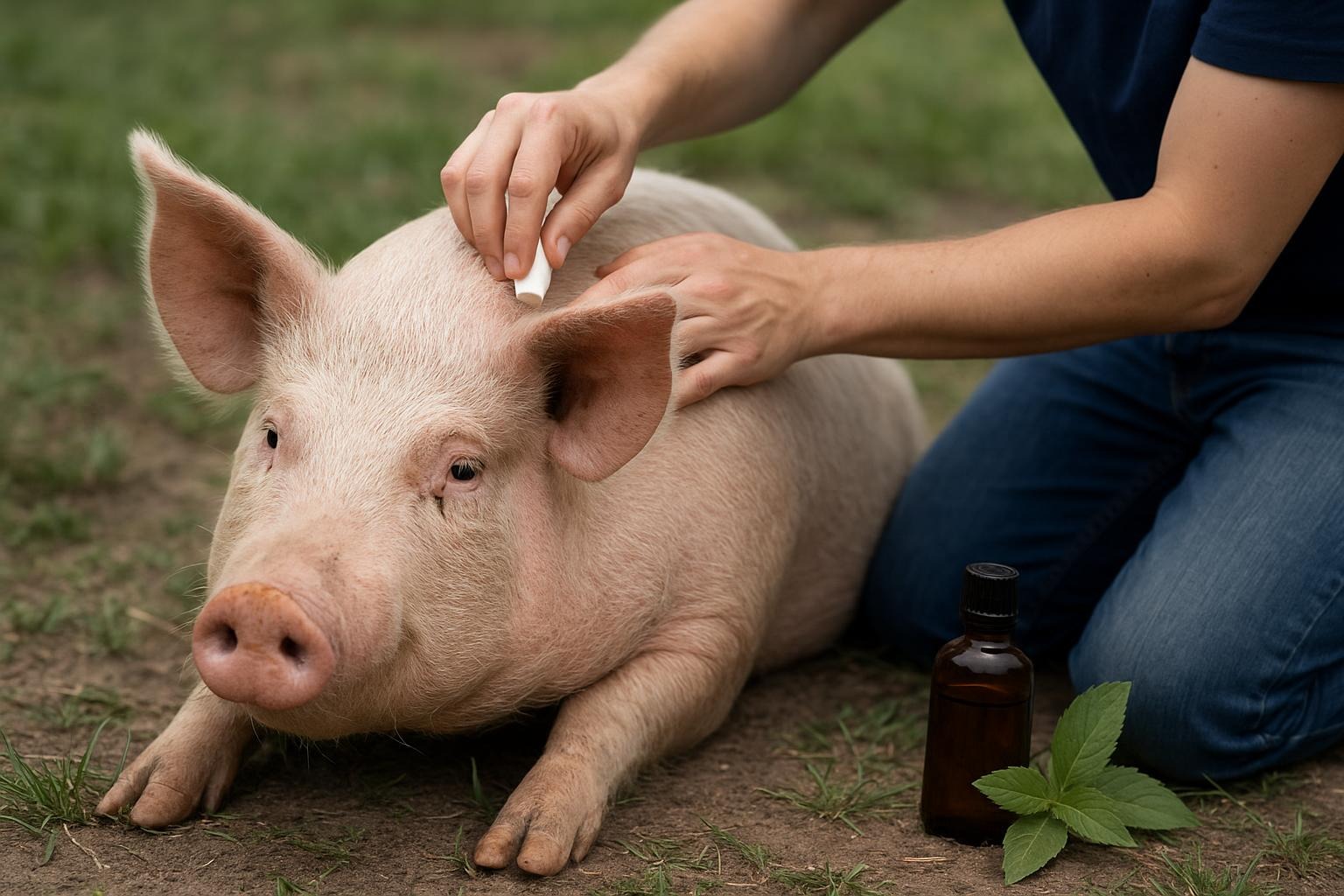
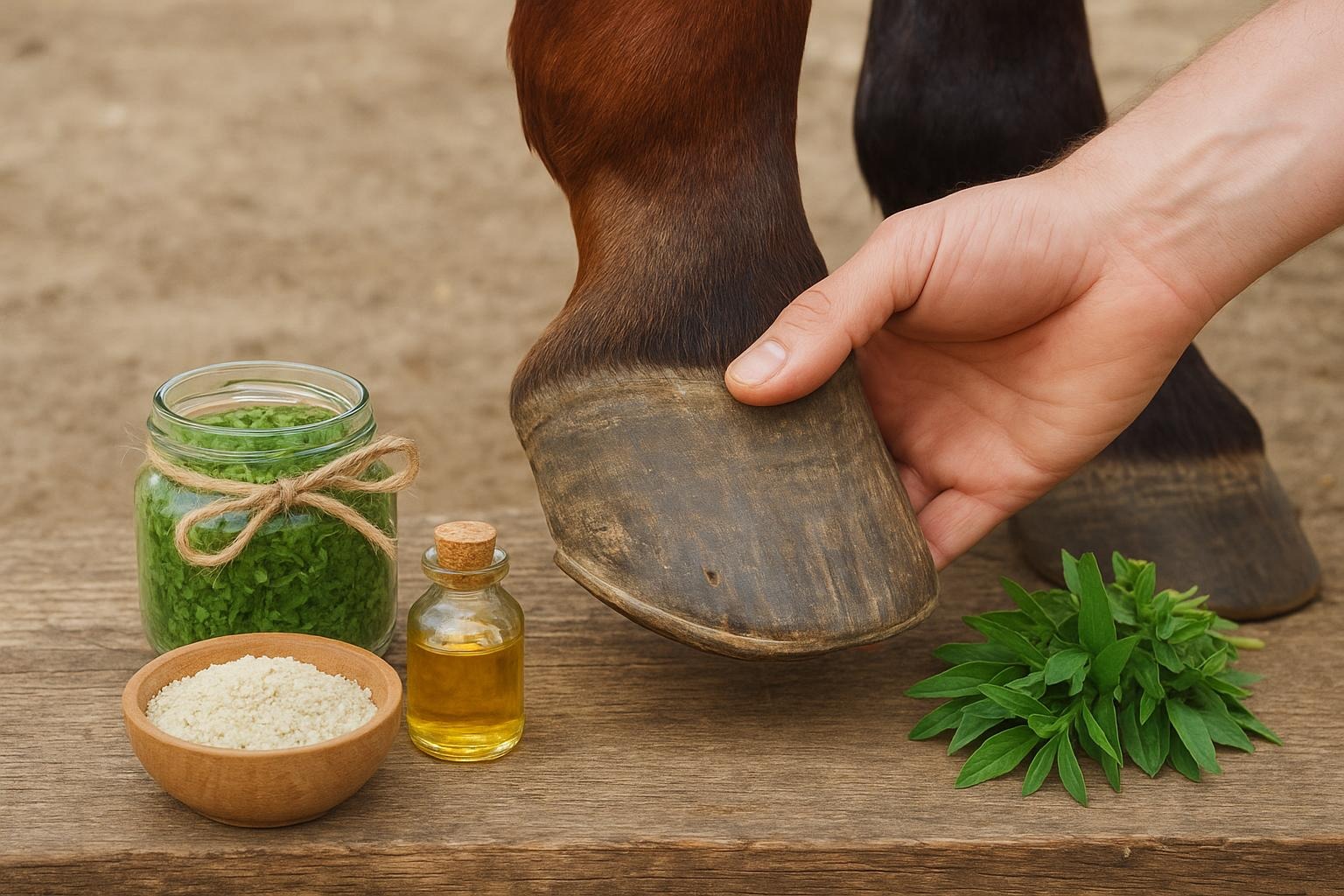
### Remedy 2: Topical Herbal Paste For Mild Skin Irritation And Mange
#### Ingredients
– Dried neem leaves or neem oil: 1 tablespoon (or 10 ml oil)
– Coconut oil: 2 tablespoons
– Colloidal oatmeal powder: 2 tablespoons (soothes itching)
– Optional: a few drops of tea tree oil (use cautiously; 2–3 drops per batch)
#### Creation And Application
1. Create Base: Gently warm coconut oil until liquid (do not overheat).
2. Combine: Mix in powdered oatmeal and crushed dried neem (or neem oil) until you have a spreadable paste.
3. Patch Test: Apply a small amount on an unaffected skin patch first to test for sensitivity.
4. Application: For affected areas, gently part the hair and apply a thin layer of paste. Massage lightly into the edges of lesions. Do not apply to open, heavily weeping wounds without veterinary advice.
5. Frequency: Reapply once daily for up to 5–7 days. If itching or lesions worsen, stop use and consult a vet.
6. Hygiene: Wear gloves when applying; wash hands after.
Neem has antiparasitic and antibacterial properties; coconut and oatmeal soothe and moisturize. For sarcoptic mange, severe infestations need prescribed acaricides from your vet.
### Remedy 3: Natural Support For Mild Internal Parasites (Deworming Aid)
#### Ingredients
– Raw ground pumpkin seeds: 1/4 cup (per 20 kg body weight as a single supportive dose)
– Plain yogurt or molasses (to bind if needed)
– Clean water for mixing
#### Creation And Application
1. Preparation: Grind raw pumpkin seeds to a coarse meal using a grinder or mortar and pestle.
2. Mix: Combine seed meal with a small amount of yogurt or molasses to make a palatable paste.
3. Administration: Offer as a treat. For small pigs or piglets, adjust portion size (e.g., 1–2 tablespoons). For larger pigs, scale up proportionally.
4. Monitor: Repeat nightly for 3–5 nights. Perform a fecal egg count before and 2–3 weeks after treatment to assess effectiveness.
5. Veterinary Coordination: Use as a supportive measure; do not replace prescribed anthelmintics for moderate or heavy infestations.
Pumpkin seeds contain cucurbitacin, which has traditional anecdotal anthelmintic properties. Evidence is mixed and effects are generally mild; professional fecal testing and targeted dewormers remain the standard of care for controlling parasitic loads.
## Managing Outbreaks And Herd Health
If you suspect contagious diseases in pigs have entered your herd, act decisively:
– Isolate affected animals.
– Restrict movement on and off the premises.
– Keep detailed records of dates, symptoms, and mortalities.
– Coordinate with your veterinarian and local animal health authorities.
– Enhance cleaning and disinfection protocols.
Timely action limits spread, preserves herd productivity, and can prevent regulatory complications.
#### Records And Ongoing Monitoring
Maintain a simple log: births, weans, illnesses, treatments, vaccine dates, and feed changes. This low-effort habit pays dividends when troubleshooting recurring problems or discussing herd history with your vet.
A little everyday care, sensible natural support when appropriate, and solid partnership with your veterinarian will keep diseases in pigs from stealing the show. Remember: home remedies can soothe and support, but they should never replace professional diagnosis or treatment when animals are acutely ill.



Leave a Reply