
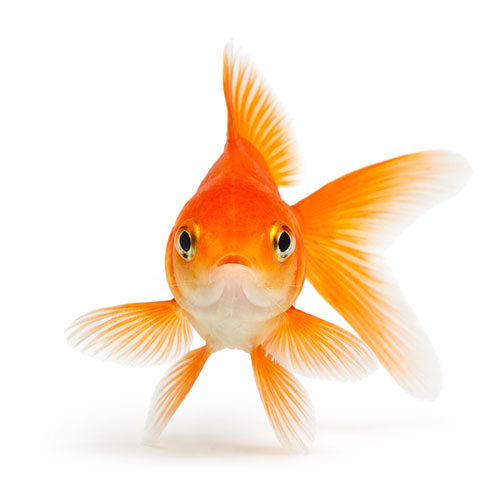
If you’ve ever typed “what can a goldfish eat” into a search bar at 2 a.m. because your fish looked at you like you were the snack department, welcome — you’re not alone. Goldfish are deceptively simple-looking, but their dietary needs deserve a little attention. Below is a friendly, practical guide to balanced feeding and easy diet-based remedies you can do at home.
## What Can A Goldfish Eat: Safe Options
When people ask what can a goldfish eat, they usually mean two things: “What is safe?” and “What will keep my fish healthy long-term?” The short answer: high-quality commercial staples plus occasional fresh vegetables, some live or frozen foods, and the occasional homemade treat or remedy if a simple problem crops up.
### Commercial Staples And How To Choose Them
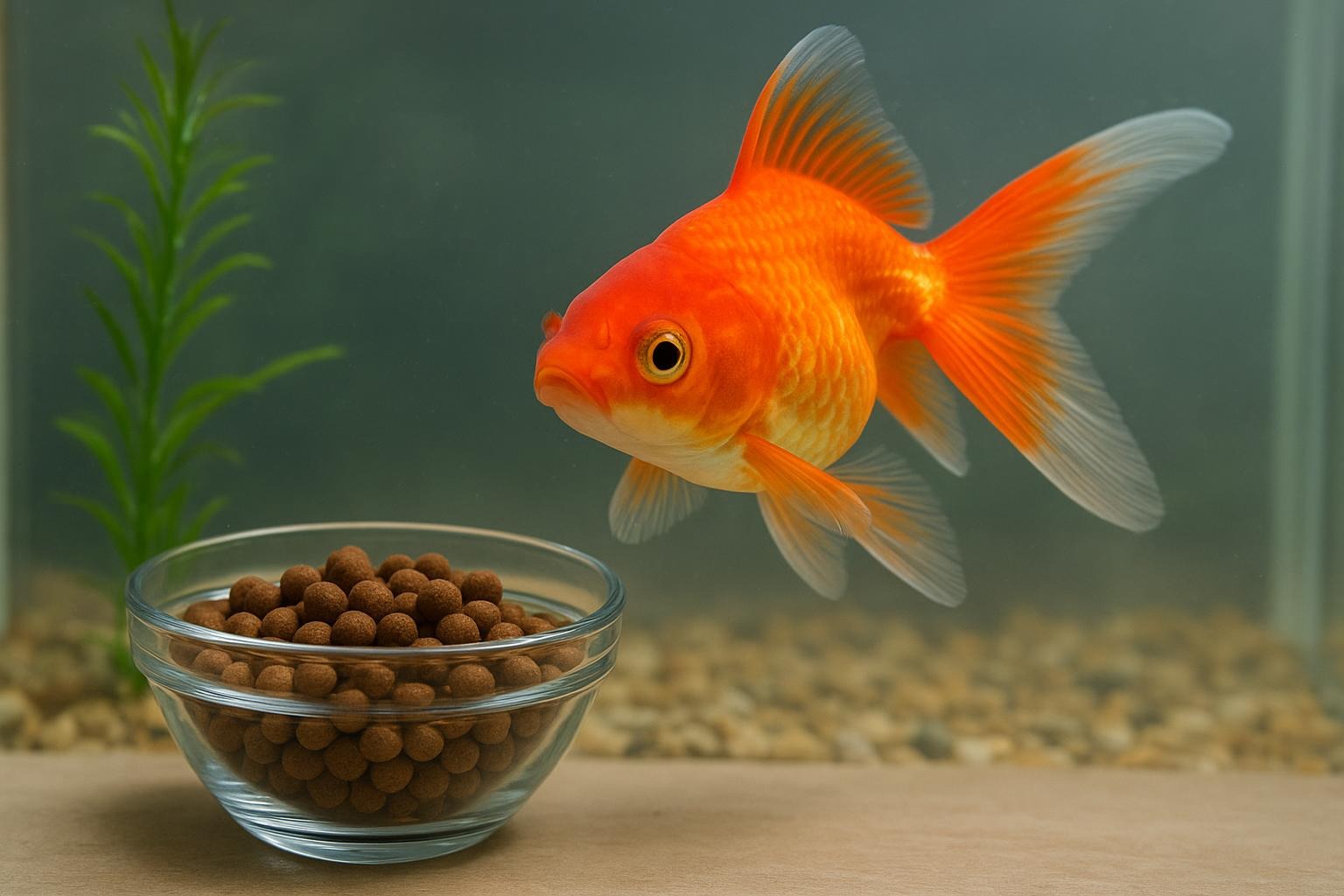
Commercial pellets or flakes are the backbone of a goldfish diet. Choose pellets formulated for goldfish (not tropical community fish) because goldfish need more carbohydrate and fiber and less fat. Pellets tend to be less messy than flakes and float-sink behavior depends on your fish’s preference — sinking pellets are often better for slower eaters to avoid gulping air at the surface (which can contribute to swim bladder issues).
– Look for products listing actual ingredients (fish meal, algae/spirulina, vegetable matter).
– Avoid cheap fillers listed as the first ingredient (e.g., unspecified “grain” without detail).
– Use age-appropriate formulas: juvenile vs adult.
### Vegetables And Greens
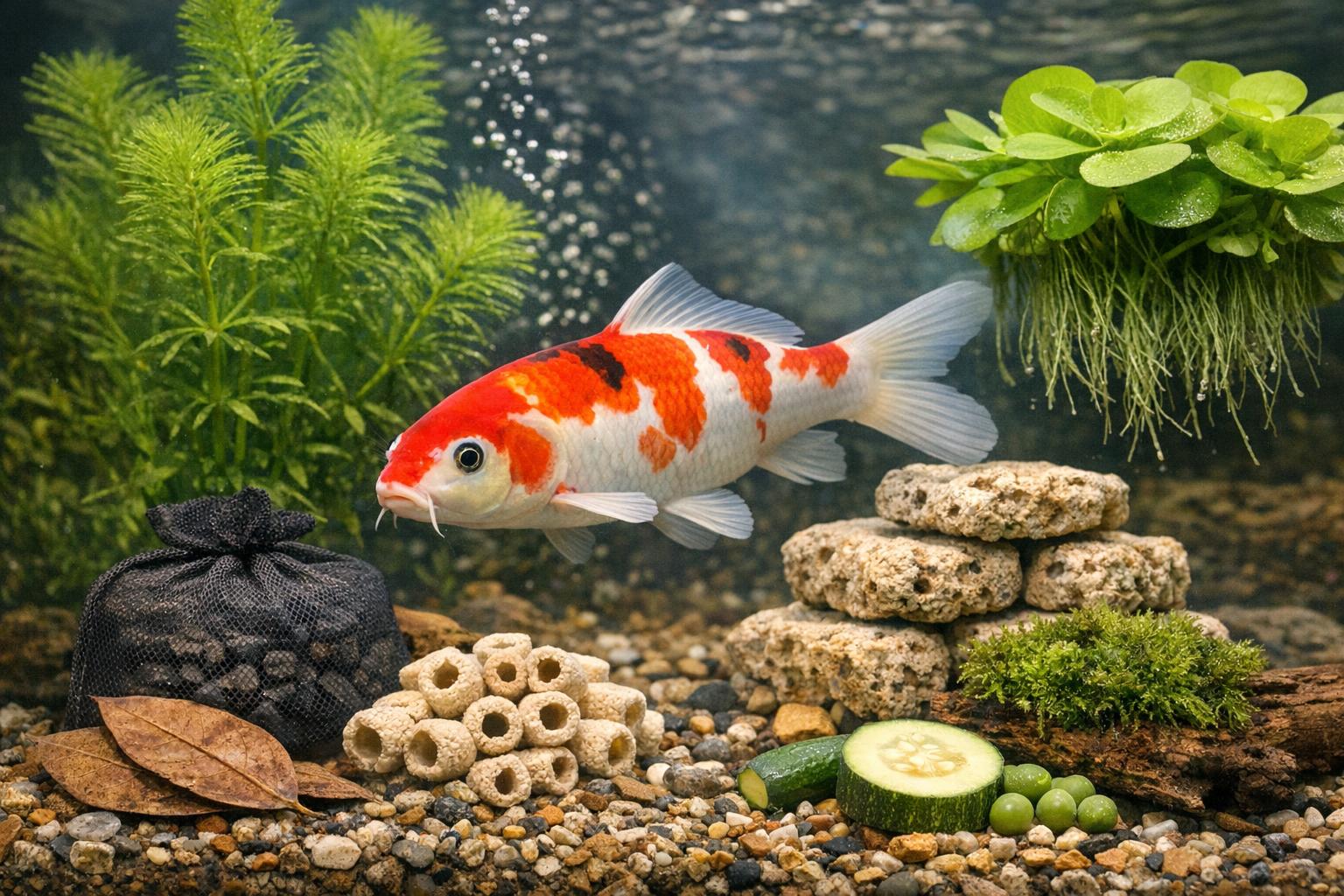
Vegetables answer two big parts of what can a goldfish eat: fiber and micronutrients. Blanched peas (shelled), spinach, lettuce (romaine), zucchini, and carrot slices are safe and useful. These reduce constipation and provide variety.
How To Prepare:
– Blanch a small piece of the vegetable in boiling water for 15–30 seconds, then cool quickly in cold water.
– For peas: remove the skin (pinch to pop the inner meat out) and cut in half for small fish.
### Live, Frozen, And Prepared Protein Treats
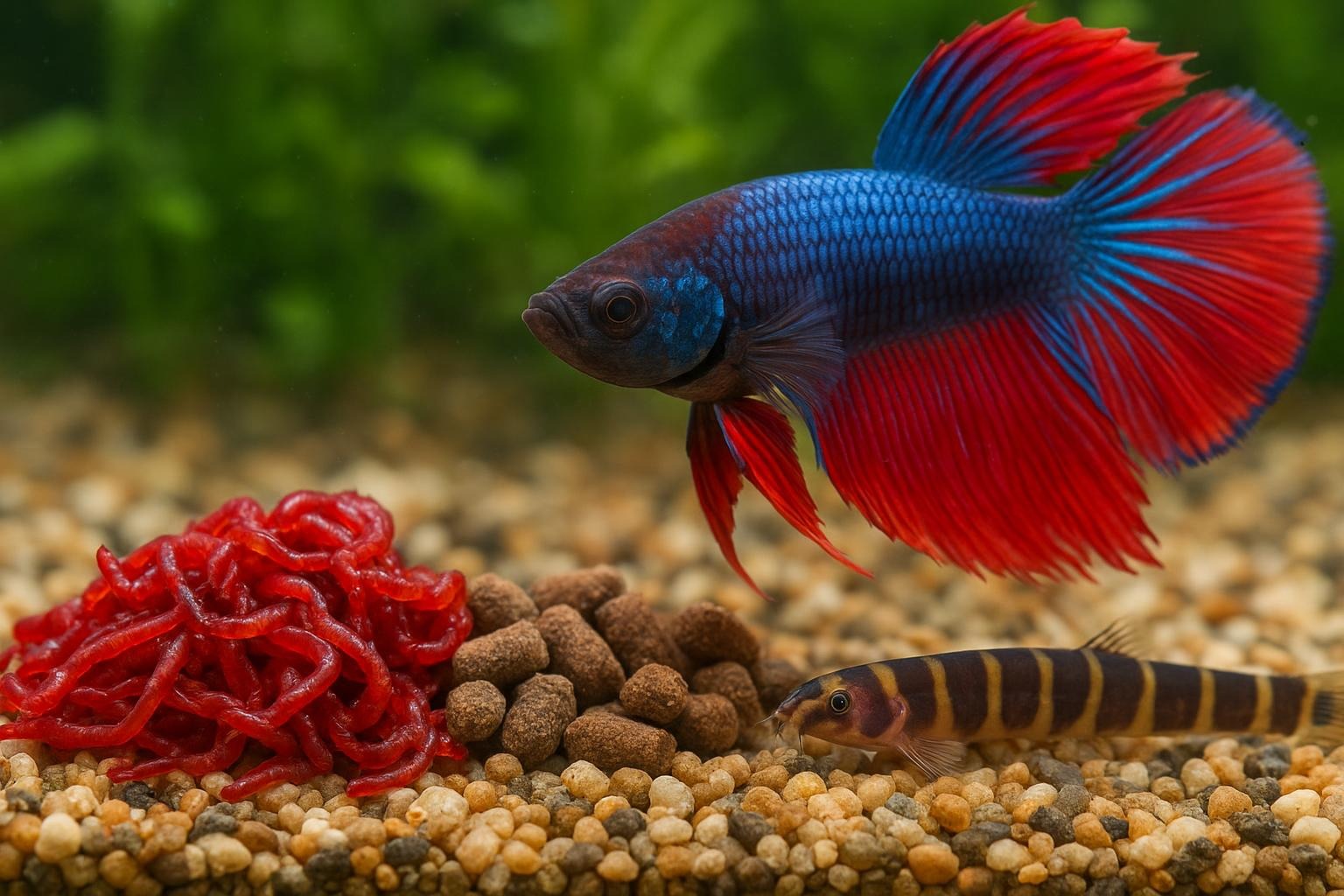
Goldfish are omnivores. Live or frozen foods like daphnia, brine shrimp, and bloodworms can be offered occasionally to provide protein and enrichment. When introducing these, quarantine or buy from reputable sources to reduce parasite risk. Frozen foods are generally safer than live.
Use protein treats sparingly — think of them as dessert, not the main course.
#### How Frequently To Offer Treats
Treats (live/frozen/high-protein) should be offered no more than 1–2 times per week and in tiny amounts so pellets remain the main diet.
### Foods To Avoid And Common Mistakes
People often ask whether goldfish can eat bread, chips, or human leftovers. Short answer: no. Bread and starchy bakery items provide empty calories and can spoil in the tank. Raw beans, avocado, citrus, and anything salty, sugary, or heavily seasoned are off-limits. Overfeeding is the most common problem — uneaten food rots, fouls water, and stresses the fish.
When in doubt, think: “Would an unprocessed, plain version of this be healthy?” If not, skip it.
## 1 Remedy: Pea Rescue For Constipation
Constipation is common in goldfish and often related to low-fiber diets or feeding too much dry food. This remedy is a classic, gentle fix.
Ingredients/Materials:
– 1 frozen garden pea (or fresh if you have it)
– Small cup or bowl
– Warm (not hot) dechlorinated water
– Tweezers or a small fork
– Clean plate to prepare
Step-By-Step Creation And Application:
1. Thaw one frozen pea under warm tap water until soft.
2. Remove the outer skin by holding the pea between thumb and forefinger and gently squeezing; discard the skin.
3. Cut the soft inner pea into very small pieces appropriate for your goldfish’s size.
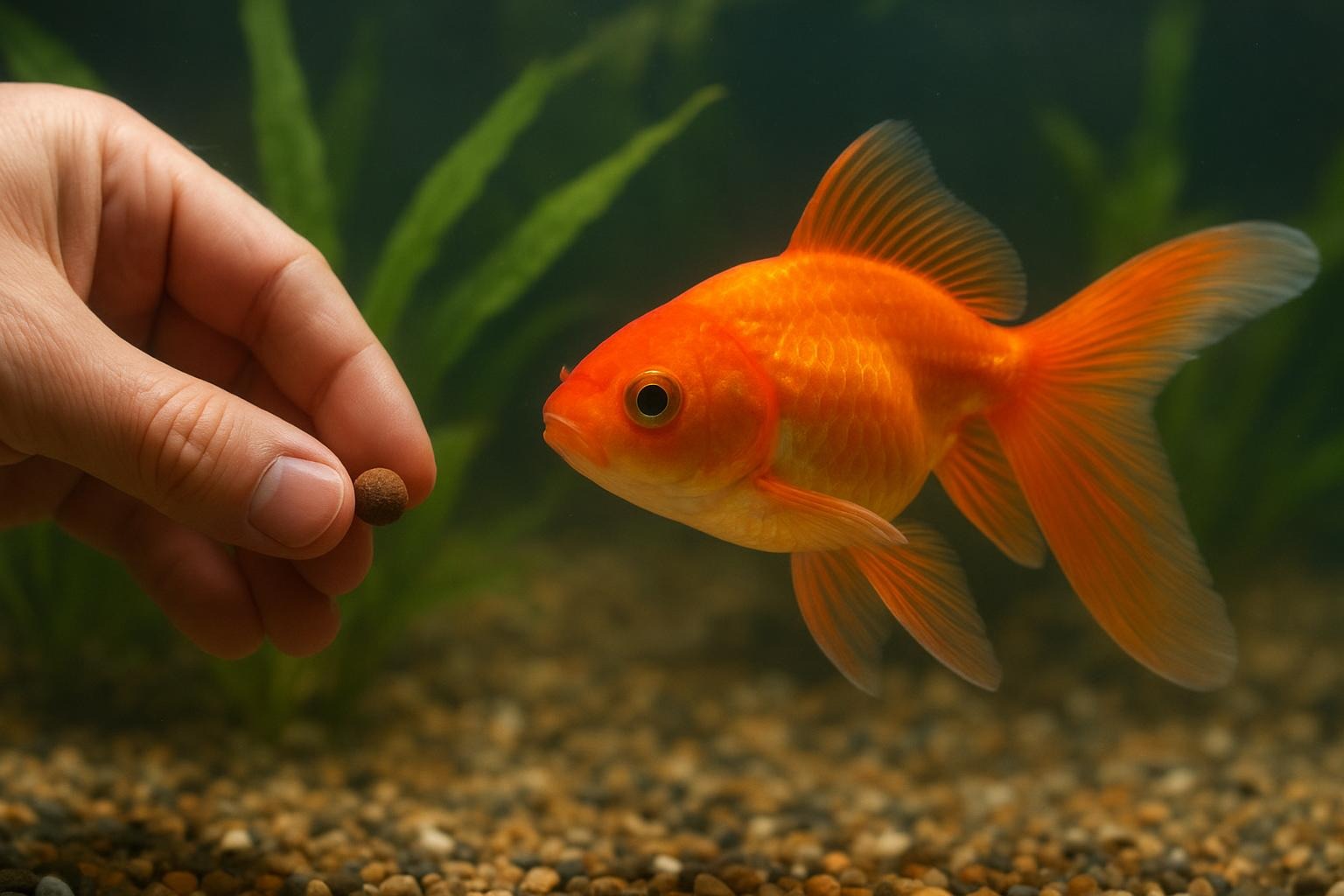
4. Feed one small piece to a small goldfish (or up to three small pieces to a larger one). If the fish refuses, you can gently hold a piece with tweezers near its mouth to entice feeding.
5. Repeat once daily for up to three days. Monitor stool and swimming. If no improvement after three days, consult an aquatic vet.
Formal Notes: Use plain peas only. Do not use canned peas with salt or seasoning. Pea feeding introduces fiber that helps clear the digestive tract; it’s a temporary intervention, not a permanent diet replacement.
## 2 Remedy: Blanched Greens For Digestive Health
Regularly including blanched vegetables helps maintain gut motility and prevents recurrence of swim bladder issues related to diet.
Ingredients/Materials:
– Fresh romaine lettuce leaf, spinach, or zucchini
– Small pot and bowl
– Dechlorinated water
– Scissors
– Tweezers
Step-By-Step Creation And Application:
1. Cut a very small piece (about the size of a fingernail for small goldfish) of the chosen green.
2. Blanch the piece in boiling water for 15–30 seconds, then cool in a bowl of dechlorinated water.
3. For lettuce or spinach, gently squeeze excess water and present one small piece to your fish with tweezers.
4. Offer this once every 2–3 days as part of a varied diet.
5. Remove any uneaten vegetable after 1 hour to prevent fouling the tank.
Formal Notes: Blanching softens fiber and makes it easier to digest. This remedy functions both as preventative maintenance and a mild corrective for sluggish digestion.
## 3 Remedy: Homemade Spirulina Treats For Color And Immunity
Spirulina can boost coloration and provide beneficial nutrients. These treats are a good occasional supplement.
Ingredients/Materials:
– 1 tablespoon spirulina powder (food-grade)
– 1/4 cup plain gelatin or agar-agar (for vegetarian option)
– 1/2 cup warm dechlorinated water
– Small tray or ice-cube mold
– Knife or scissors
– Refrigerator
Step-By-Step Creation And Application:
1. Dissolve the gelatin/agar in the warm dechlorinated water according to package directions.
2. Stir in 1 tablespoon of spirulina powder until evenly distributed.
3. Pour the mixture into a small tray or ice-cube mold and chill in the refrigerator until set (about 30–60 minutes).
4. Remove set spirulina blocks and cut into tiny pieces sized for your goldfish.
5. Offer one small piece as a treat once or twice weekly. Remove uneaten pieces within an hour.
Formal Notes: These treats provide concentrated nutrients; they should not replace staple pellets. Use food-grade spirulina and ensure molds and utensils are clean to avoid contamination.
### Feeding Schedule And Portions
A common rule when wondering what can a goldfish eat and how much: feed only what your fish will consume in about 2 minutes, once or twice a day. Young, growing fish can be fed slightly more frequently in smaller portions. Monitor behavior and waste — decreased appetite or changes in stool can indicate overfeeding, poor water quality, or illness.
#### Portion Examples
Adjust by fish size:
– Small fancy goldfish: size of a pea, once or twice daily.
– Medium standard goldfish: 2–3 pea-sized pellets, once or twice daily.
– Large/common goldfish: several pellets, but still only what can be eaten in ~2 minutes.
### Water Quality Tie-In
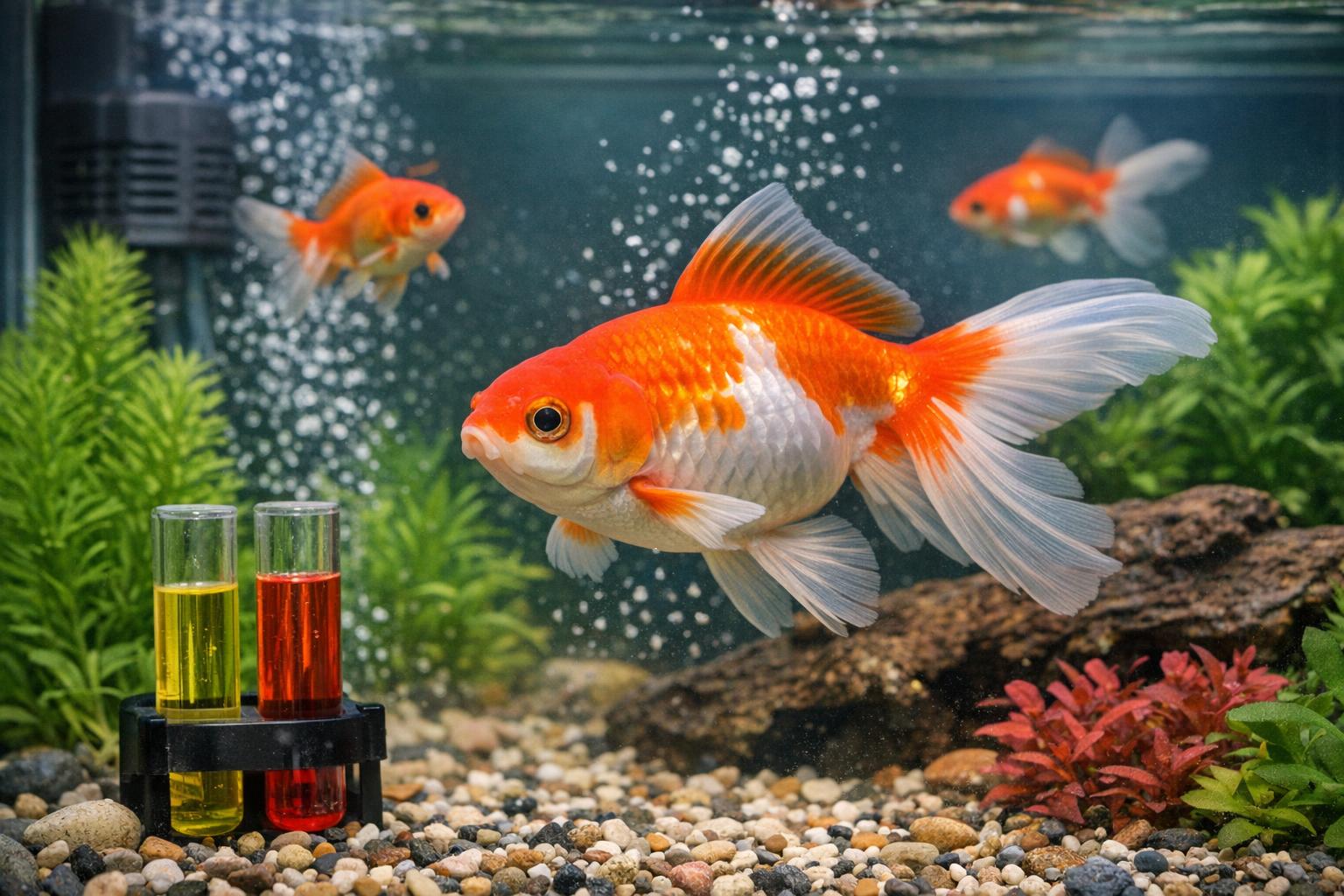
Even the best diet can’t overcome poor water quality. Uneaten food increases ammonia, which stresses fish and can mimic dietary problems. Regular partial water changes, a good filter, and not overfeeding are essential complements to any feeding plan.
If you’re still wondering what can a goldfish eat to fix an ongoing issue, always consider whether poor water quality is at play before changing diets aggressively.
### When To Call A Vet
If dietary remedies (e.g., peas, blanched greens) fail to resolve issues like constipation, buoyancy problems, discoloration, or abnormal growths within a few days, consult an aquatic veterinarian. Some symptoms resemble dietary issues but are signs of bacterial, parasitic, or organ problems requiring professional treatment.
If you want recipes for more homemade treats or help tailoring portions to a specific goldfish breed, ask and I’ll walk you through safe, simple options.





Leave a Reply