

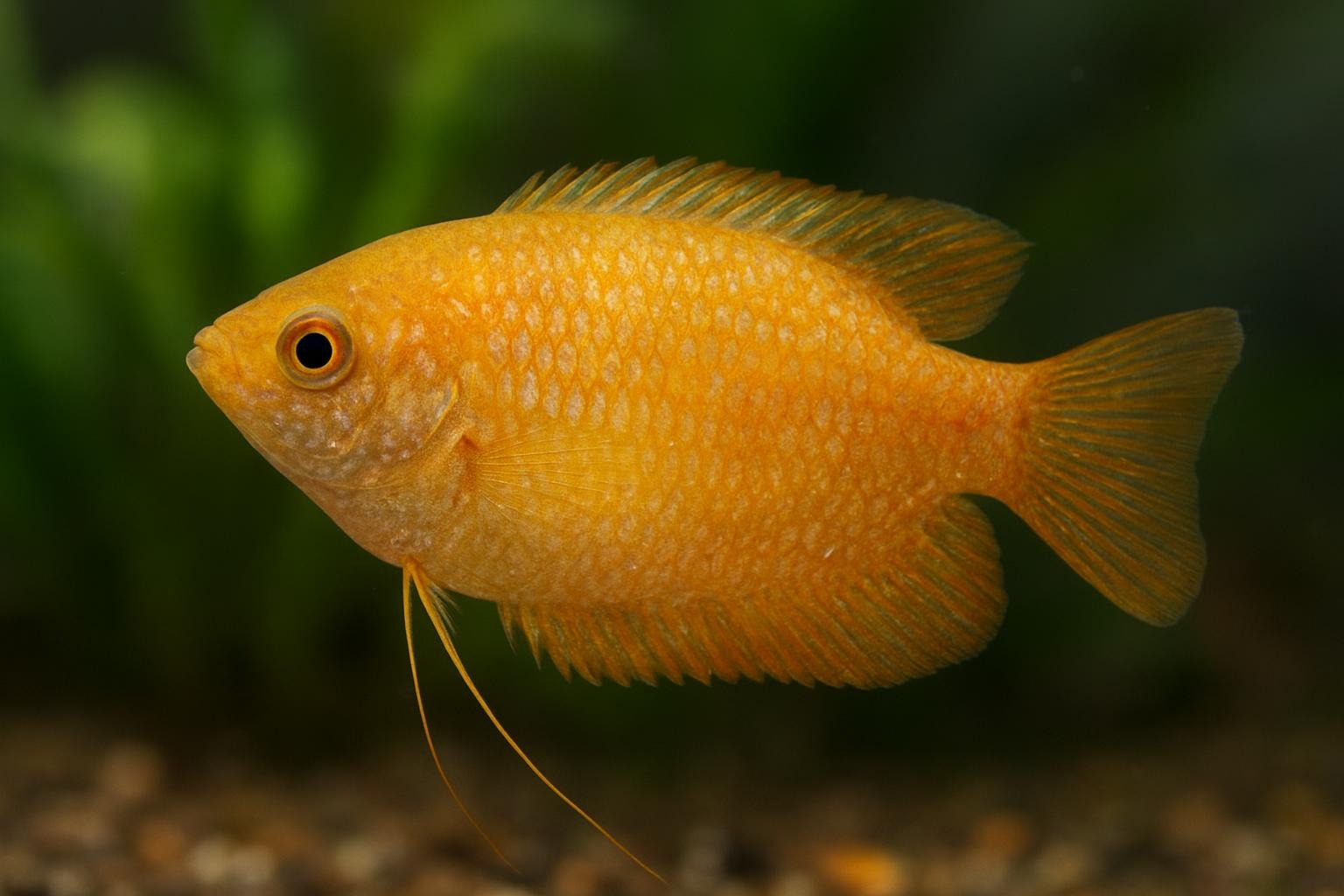
Fish scales are like tiny suits of armor — mostly decorative, occasionally dramatic when they start falling off. If you’ve noticed ragged edges, missing scales, or red sores on your fish, you’re in the right place. This guide walks you through how to identify scale problems and offers practical, safe home remedies and supportive steps for fish scale disease treatment that you can do at home. Friendly tone, a dash of humor, but when it comes to the actual fixes, we’ll be clear, careful, and a little more formal.
## Fish Scale Disease Treatment: Recognize And Act
Fish scale disease treatment is not a single miracle cure because “scale disease” is a catch-all description — it could be bacterial ulceration, parasitic damage, mechanical injury, or secondary fungal growth. Early recognition and quick, appropriate action are the best routes to recovery.
### What Scale Problems Usually Mean
Scale loss or lesions may result from:
– Direct trauma (fighting, rough decor, nets).
– Poor water quality that weakens the skin and scales.
– Parasites that abrade the skin (flukes, anchor worms).
– Bacterial or fungal infections invading damaged tissue.
#### Key Symptoms To Watch
Look for:
– Missing or lifted scales.
– Reddened patches or ulcers around scales.
– Excess mucus, clamped fins, or lethargy.
– Loss of appetite or abnormal swimming.
If you see these signs, consider fish scale disease treatment steps promptly.
## How Scale Problems Develop
Scale problems often start small: a scrape from a jagged rock, a bully tankmate, or a spike in ammonia. That tiny break invites microbes and parasites. Keep in mind that healthy water chemistry, reduced stress, and good nutrition are the foundation of both treatment and prevention.
### Common Causes And Risk Factors
– Elevated ammonia/nitrite, or low oxygen.
– Overcrowding and aggressive species.
– Dirty substrate and sharp decorations.
– Sudden temperature swings.
– Poor nutrition that impairs immune response.
### When To Escalate To Professional Care
If a fish is breathing rapidly, has deep ulcers that expose muscle tissue, or multiple fish are affected despite home treatment, contact an aquatic veterinarian. Serious systemic infections and internal illnesses require prescription medications and diagnostics beyond home care.
## 1. Salt Quarantine Bath (Remedy 1)
This is a commonly used, gentle-to-moderate home intervention for mild external wounds, minor fungal growths, and to reduce osmotic stress. When performed correctly, it reduces external pathogens and supports healing.
Ingredients / Materials
– A clean quarantine container (bucket or tank) sized for the fish to turn comfortably.
– Dechlorinated water adjusted to tank temperature.
– Aquarium salt (not table salt; no additives).
– A thermometer and timer.
– Net and bucket for transfer.
Step-By-Step Creation And Application
1. Prepare the quarantine container: fill with dechlorinated water at the same temperature as the main tank.
2. Measure salt: start at 1 teaspoon of aquarium salt per gallon (about 0.5% or 5 ppt) for a short dip, or up to 1 tablespoon per 5 gallons for longer-term baths for tolerant species. Research species salt tolerance first (e.g., many freshwater community fish tolerate modest dosing; catfish and scaleless species are more sensitive).
3. Dissolve the salt fully before introducing the fish.
4. Transfer the fish gently with a soft net into the salt bath.
5. Time the dip: for sensitive fish, a 5–15 minute dip is common; for more tolerant species, longer-term baths can be used with lower continuous concentrations (monitor behavior closely).
6. Observe closely. If the fish shows signs of distress (heavy breathing, erratic swimming), return it to tank water immediately.
7. After the dip, either return the fish to a quarantine tank with ongoing low-dose salt or to the main tank if the issue is minor and the main tank water is healthy.
Safety Notes (Formal Tone)
– Salt baths are species-specific. Research or consult a vet if unsure.
– Do not add salt to planted tanks or reef aquaria.
– Repeated or excessive salting can dehydrate fish or disrupt kidney function.
## 2. Epsom Salt Soak For Dropsy-Oriented Swelling (Remedy 2)
Epsom salt (magnesium sulfate) is used to reduce internal fluid retention in freshwater fish. This is useful when scale lifting is part of a dropsy-like swelling picture, but not for open, heavily ulcerated wounds.
Ingredients / Materials
– Quarantine tank with dechlorinated water (same temp).
– Epsom salt (USP grade).
– Thermometer and aeration (air stone recommended).
– Net for transfer.
Step-By-Step Creation And Application
1. Prepare a quarantine tank with stable, aerated, dechlorinated water matching the main tank’s temperature.
2. Dose Epsom salt: 1–3 teaspoons per gallon is a commonly used starting guide (1 teaspoon ≈ 5 grams). Begin at the lower end for smaller fish and higher for obvious swelling, but do not exceed safe ranges for the species.
3. Dissolve the Epsom salt fully before adding the fish.
4. Transfer the fish gently; monitor. Epsom salt is generally well-tolerated but monitor respiration.
5. Treatment duration: many protocols use 3–7 days, changing water and re-dosing Epsom as needed, until swelling reduces.
6. If swelling improves, support recovery with clean water changes and consider adding vitamin-rich food. If no improvement after 3–5 days, consult a vet.
Formal Safety Notes
– Epsom salt treats symptom (fluid retention) not the underlying cause. Combine with diagnostics and water-quality correction.
– Do not combine Epsom and aquarium salt simultaneously without guidance.
## 3. Topical Antiseptic And Tank Support (Remedy 3)
For small, localized scale lesions, a carefully applied topical antiseptic can limit secondary infection. This remedy pairs local wound care with strict water-quality improvements.
Ingredients / Materials
– Small cup or syringe for dipping.
– Povidone-iodine (Betadine) or commercially approved aquatic antiseptic (dilutable).
– Dechlorinated water for dilution.
– Clean cotton swabs or sterile gauze (for larger fish).
– Quarantine tank as needed.
Step-By-Step Creation And Application
1. Prepare a dilute antiseptic solution: a common approach is to dilute povidone-iodine to about 1:10 with dechlorinated water (test a small sample first; concentrations used vary by product and species).
2. Perform a brief dip: for small wounds, a 30–60 second immersion can reduce superficial microbes. For larger fish, use a cotton swab dipped in diluted solution to gently apply to the wound while the fish is held in the water surface with minimal stress.
3. Rinse action: after dipping, transfer the fish to a clean quarantine tank with fresh dechlorinated water to allow recovery.
4. Repeat once daily for 2–3 days if improvement is seen; stop if irritation occurs.
5. Alongside topical care, perform daily partial water changes in both main and quarantine tanks, test ammonia/nitrite/nitrate, raise oxygenation, and remove sharp items that might reopen wounds.
Formal Safety Considerations
– Avoid concentrated iodine directly on fish — it’s corrosive. Dilute appropriately.
– Antiseptic dips are for external lesions only; systemic infections require vet-prescribed medication.
## Supportive Measures Every Owner Can Use
Good home care augments any targeted fish scale disease treatment:
– Test and stabilize water chemistry: ammonia and nitrite must be zero; nitrates low.
– Increase aeration and gentle filtration while avoiding strong currents.
– Improve diet: offer easily digested, high-quality foods and consider soaking pellets in garlic extract or vitamin supplement when appetite is low.
– Quarantine new fish for 2–4 weeks to prevent introducing pathogens.
– Remove aggressive tankmates and sharp decor.
If your fish shows rapid deterioration, deep ulcers, or multiple tankmates are affected despite these interventions, seek veterinary attention promptly. Fish medicine is its own specialty, and advanced infections need professional diagnostics and medications beyond most home remedies.





Leave a Reply