

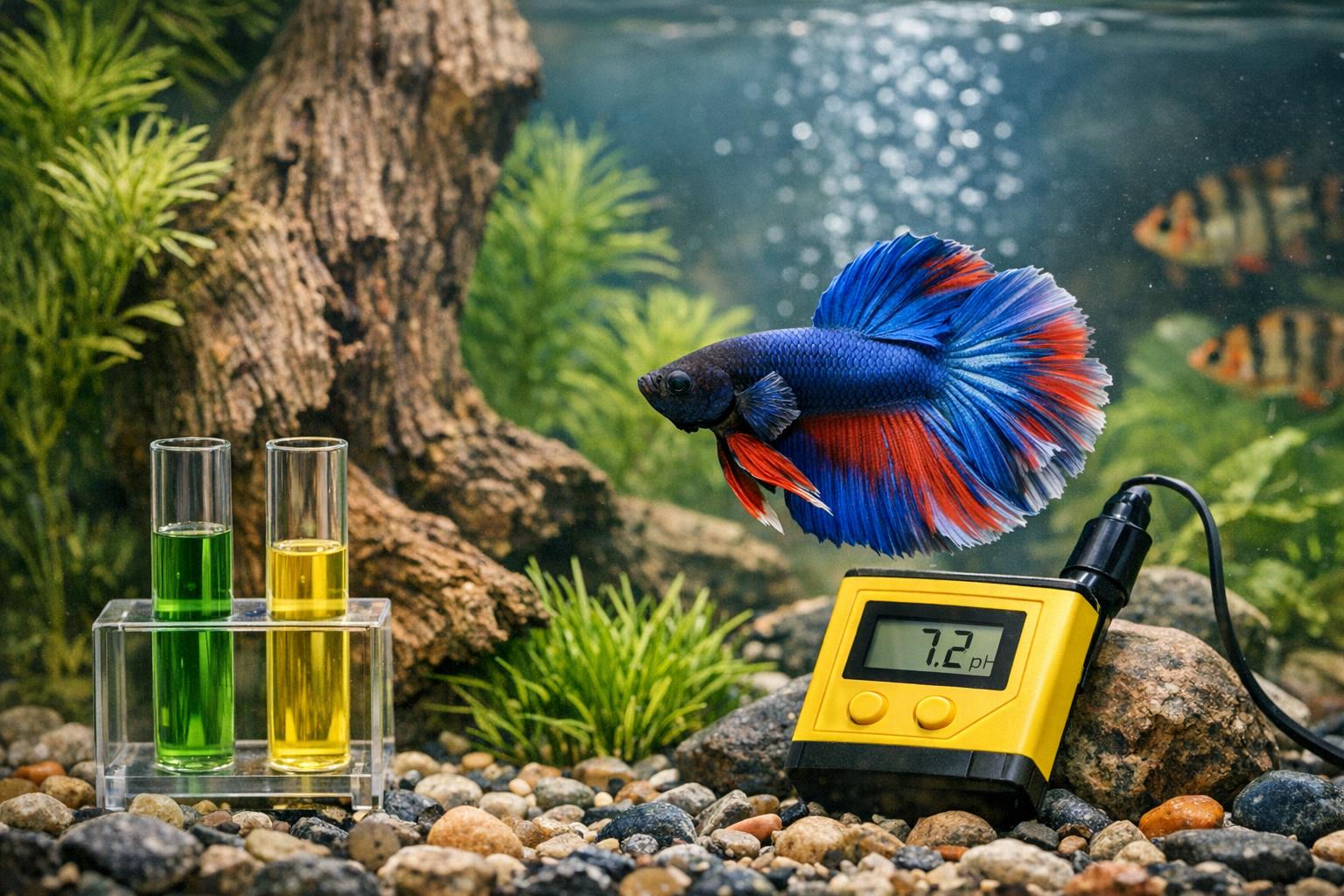
Welcome to a friendly dive into the often-overlooked chemistry of your tank. Keeping a healthy freshwater aquarium means paying attention to temperature, filtration, light—and that sneaky little number called pH. Think of pH as the personality of your water: a little acidity here, a little alkalinity there, and your fish either throw a party or sulk in the corner. I’ll keep it relaxed and useful, with practical steps you can take today.
## Freshwater Aquarium Ph Level: Why It Matters
The freshwater aquarium ph level affects everything from fish respiration to plant nutrient uptake and the efficacy of beneficial bacteria. Most freshwater species have evolved to prefer a fairly narrow pH band, and sudden swings are more dangerous than a slightly off-center value. Stability is king. A pH that drifts quickly can stress fish, suppress immune systems, and encourage harmful bacteria or algae blooms.
### How pH Works In Aquariums
pH is a measure of hydrogen ion concentration—lower numbers are acidic, higher numbers are alkaline. But in an aquarium context, pH interacts closely with buffering capacity (alkalinity or KH), which determines how resistant your water is to pH change. Two tanks with the same pH but different KH can behave very differently when you add water, feed heavily, or introduce creatures.
### Tools For Measuring pH Accurately
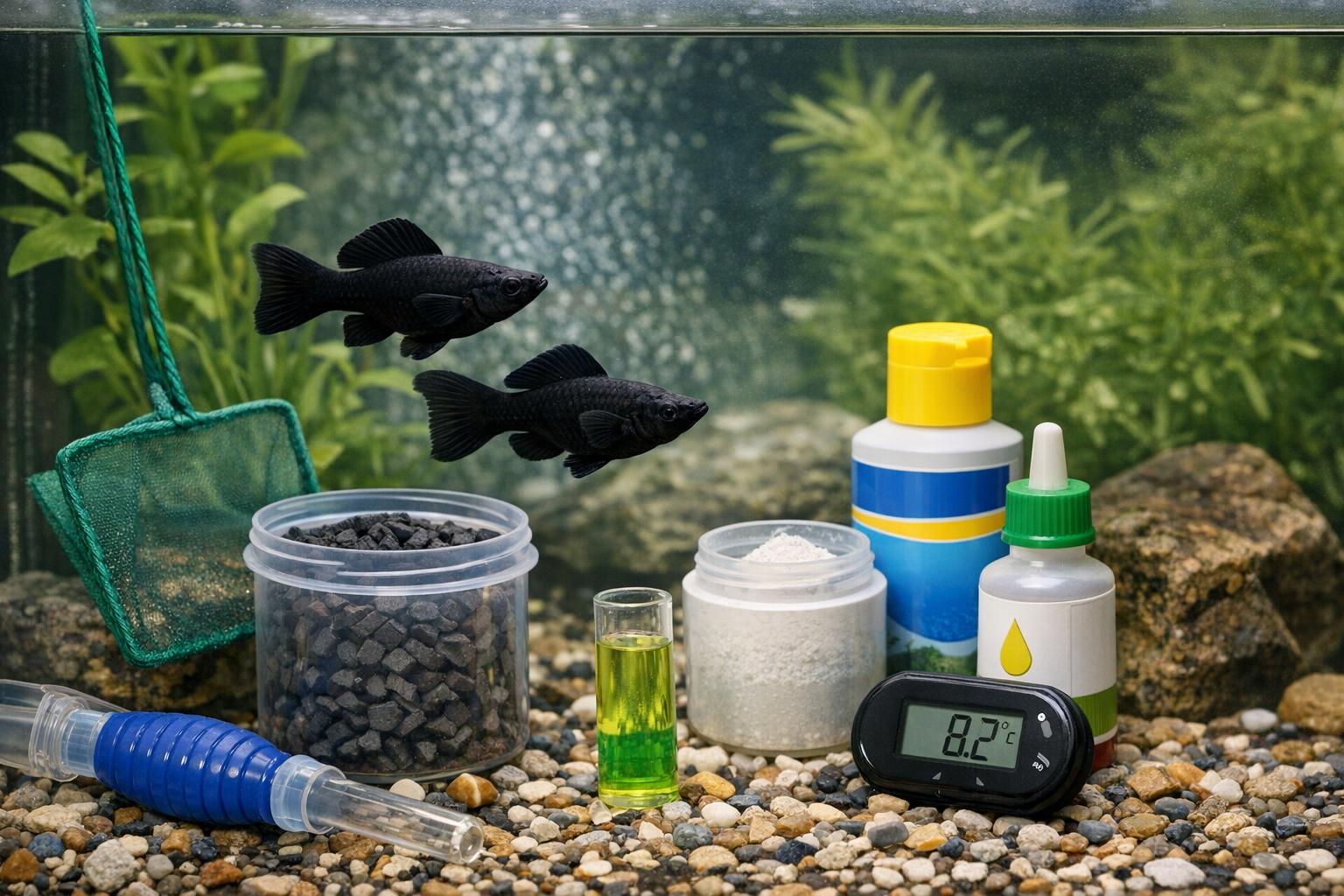
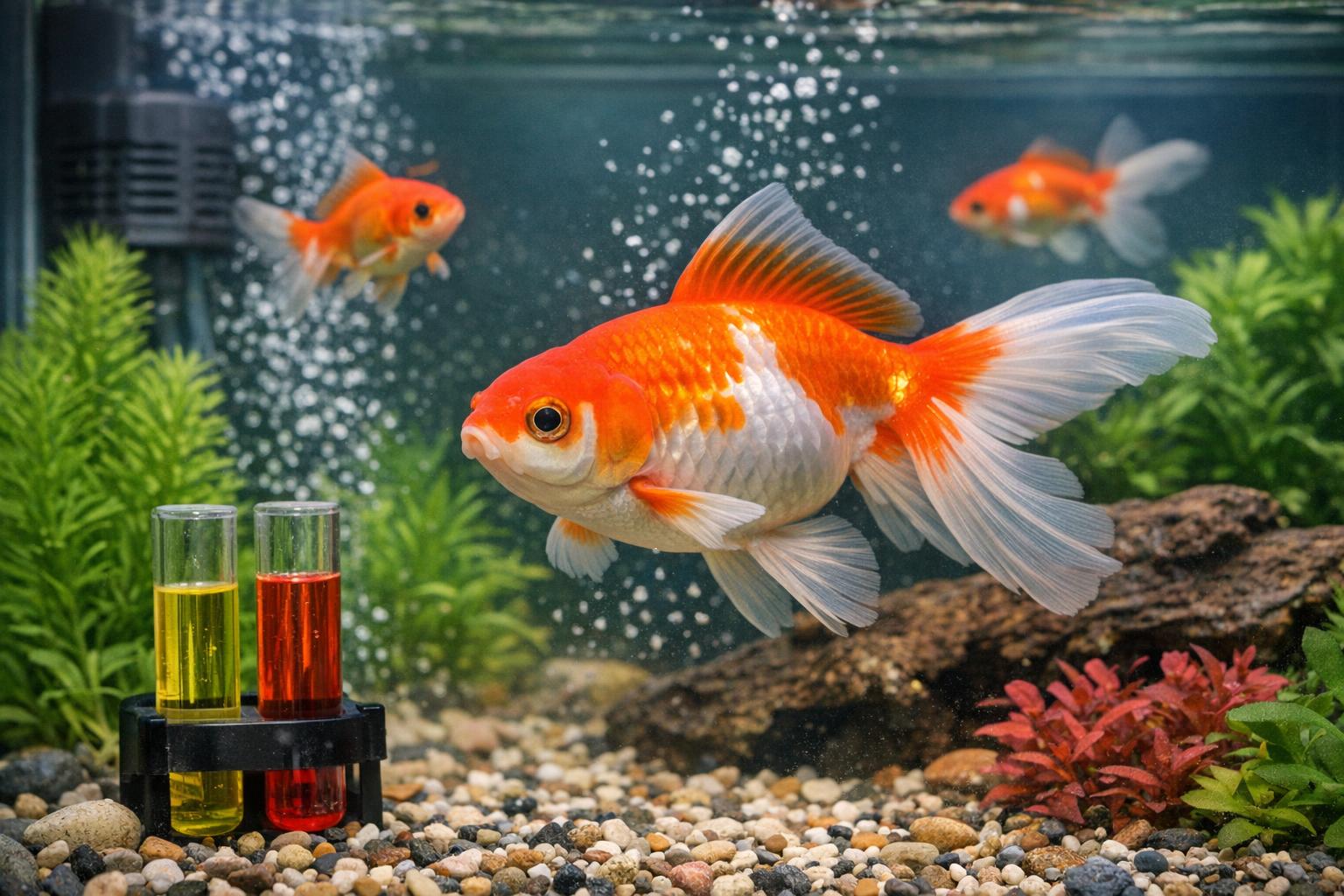
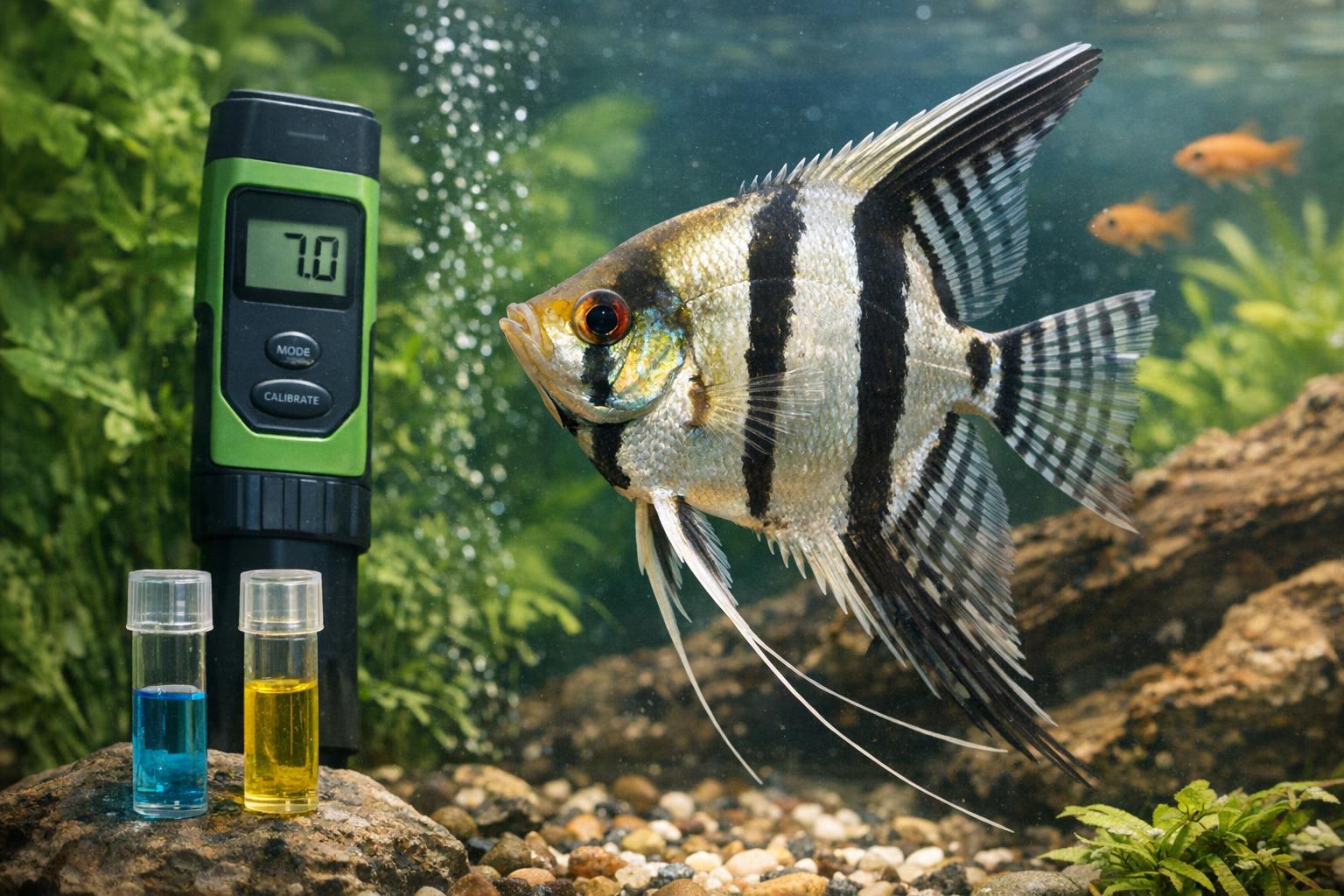
A reliable test is the first weapon in your pH-management arsenal. Test strips are fast and cheap, but color perception can lead to mistakes. Liquid test kits (drop kits) are more accurate for hobbyists. For daily monitoring and higher precision, a calibrated digital pH meter is ideal.
– Calibrate meters regularly using fresh buffers.
– Store test kits out of direct sunlight and use within the manufacturer’s shelf date.
– Test at the same time of day because biological activity can cause small daily swings.
## Ideal pH Ranges For Common Freshwater Setups
Different fish and plants have different preferences, so match the freshwater aquarium ph level to your inhabitants rather than forcing them to adjust.
– Tetras, discus, and many Amazonian species: pH 5.5–6.8 (soft, acidic).
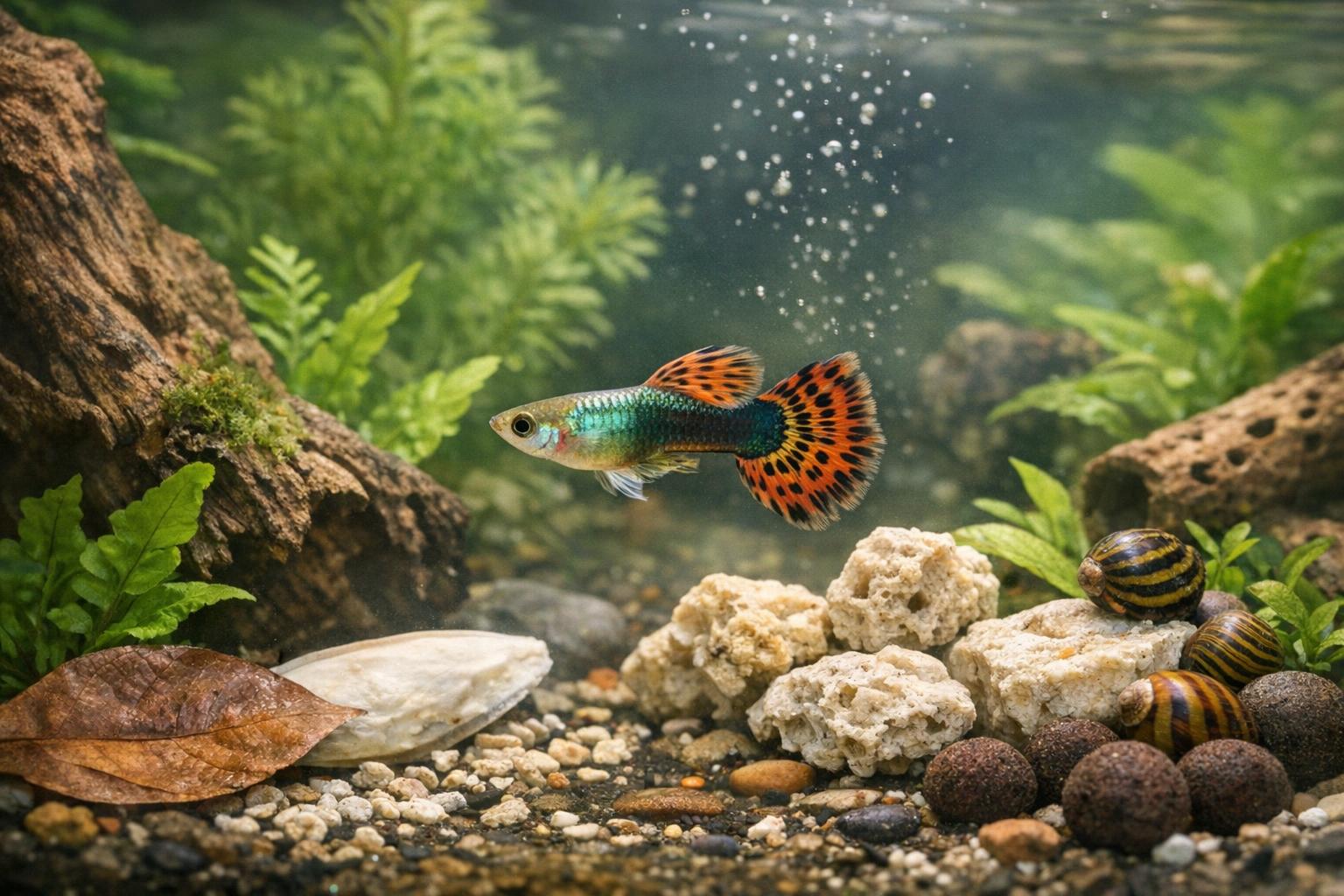
– Livebearers like guppies and mollies: pH 7.0–8.0 (more alkaline).
– Community tropical tanks: pH 6.5–7.5 (middle ground).
– African cichlid tanks: pH 7.8–8.6 (hard, alkaline water).
Always prioritize gradual changes and stability over hitting an “ideal” number immediately.
### Signs Your Tank’s pH Needs Attention
Look for behavioral or biological clues:
– Fish gasping at the surface or flashing (rubbing against objects).
– Sudden unexplained deaths.
– Plants losing vigor or showing nutrient lockout symptoms.
– Cloudy water or algae explosions after an apparent pH swing.
If you suspect a problem, test the water: pH, KH (carbonate hardness), GH (general hardness), ammonia, nitrite, and nitrate. The broader picture helps identify root causes rather than treating symptoms.
## Common Causes Of Unstable pH
Understanding causes helps you prevent future issues. Typical triggers include:
– Tap water with variable quality or untreated well water.
– Low KH (poor buffering), which allows pH to swing with biological activity.
– Overfeeding and overcrowding, increasing CO2 and waste.
– Decaying plant matter or uneaten food producing acids.
– Infrequent water changes that let minerals get depleted.
Address the root cause first—adding chemicals to “fix” pH without correcting underlying problems is like putting a bandage over a leaky pipe.
## 1. Remedy To Raise pH Safely (If Your Water Is Too Acidic)
When the freshwater aquarium ph level is too low for your inhabitants, raise it slowly and safely. This remedy is formal and precise: use buffering materials to increase carbonate hardness (KH), which stabilizes pH.
Ingredients / Materials:
– Crushed coral or aragonite substrate (for a reactor or filter bag).
– Aquarium-safe sodium bicarbonate (baking soda) or commercial KH buffer.
– Clean mesh filter bag or inline media reactor.
– Reliable KH test kit and pH meter.
Step-By-Step Creation And Application:
1. Test baseline: Measure current pH, KH, GH, ammonia, nitrite, and nitrate. Record values.
2. Choose method: For gradual, long-term stability use crushed coral/aragonite in a filter bag or reactor. For faster but still controlled buffering, prepare a baking soda solution.
3. Crushed Coral Media:
a. Place crushed coral into a mesh bag and rinse thoroughly with tap water until water runs clear.
b. Add the bag into a canister filter, hang-on-back pre-filter, or place in a powerhead-created flow area. Expect pH to rise slowly over days to weeks as water dissolves trace calcium and carbonate.
c. Re-test daily for the first week, then twice weekly.
4. Baking Soda Method (Use With Caution):
a. Dissolve 1 teaspoon of baking soda in 1 gallon of aquarium water (not tap water directly into the tank).
b. Add a small portion of this solution to the aquarium and wait 4–6 hours. Re-test pH and KH.
c. Repeat in small increments until desired pH is achieved. Typical safe increase is no more than 0.2–0.3 pH units per day.
5. Monitor and Adjust: Observe fish for stress during adjustments. Maintain regular partial water changes using water matched to your desired KH/pH.
Notes: Always prioritize raising KH for long-term stability over repeated chemical pH corrections. The crushed coral method is particularly suitable for cichlid and hard-water setups.
## 2. Remedy To Lower pH Naturally (If Your Water Is Too Alkaline)
Lowering the freshwater aquarium ph level is best achieved by increasing organic acids or using RO/DI water mixes and acidifying materials—graduality again is essential.
Ingredients / Materials:
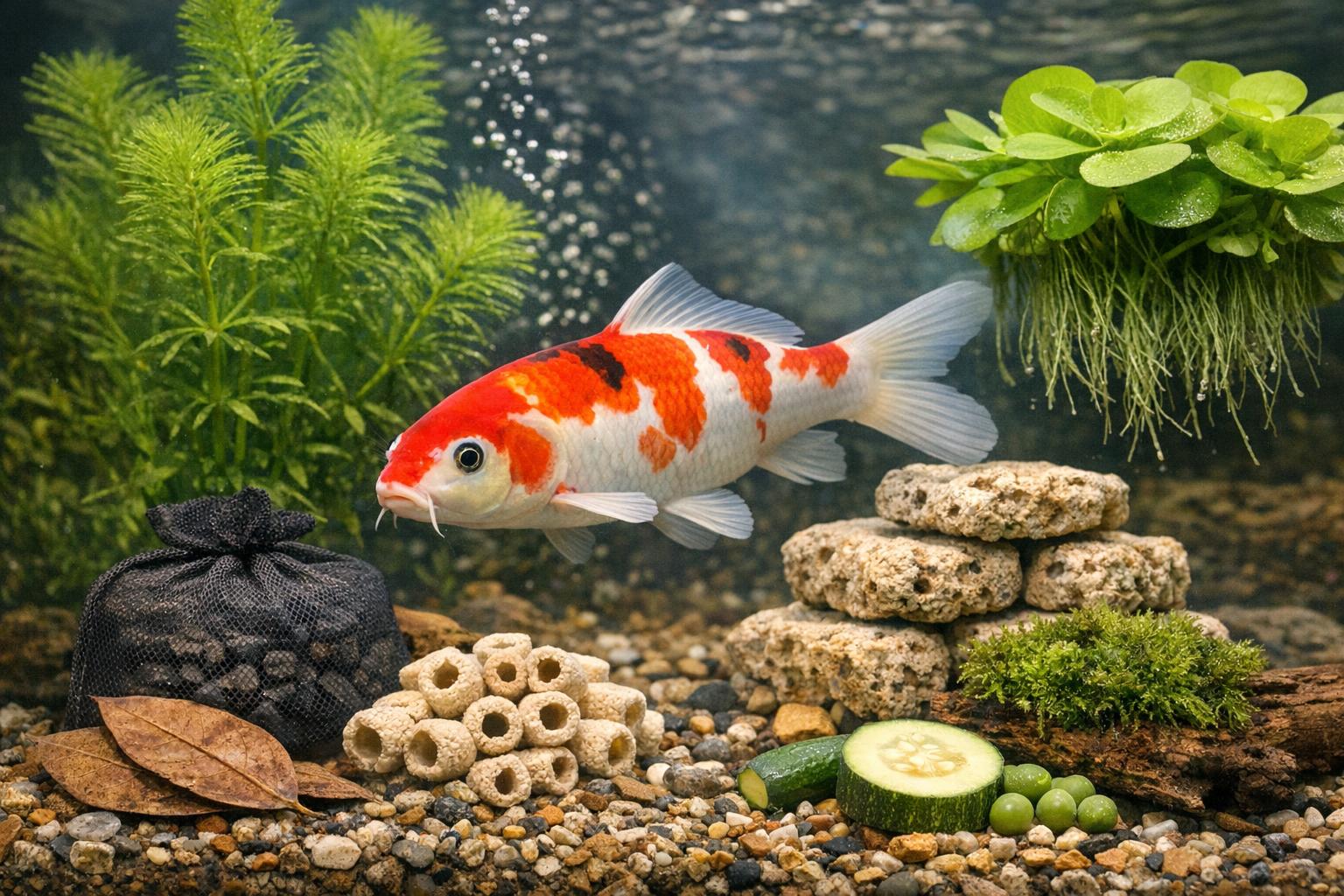
– Peat moss (aquarium-grade) or alder cones.
– Driftwood (well-cured) or Indian almond leaves (Catappa).
– Reverse osmosis (RO/DI) water or RO system (for precise control).
– pH test kit and KH test kit.
Step-By-Step Creation And Application:
1. Test Baseline: Measure pH, KH, GH, and record values.
2. Peat Or Leaves Method:
a. Rinse peat thoroughly, then place it in a mesh bag and soak for 24 hours in a bucket of RO/DI water to remove dust.
b. Add the peat bag to the aquarium’s filter intake or place it in a pre-filter box where it will contact flow but not block it.
c. Add a few Indian almond leaves or alder cones to the tank; they slowly release tannins and humic substances that lower pH.
d. Re-test daily until pH drops slowly to the desired range. Expect a gradual change over several days.
3. Driftwood Method:
a. Choose well-cured driftwood and soak it in a separate bucket until it stops leaching excessive tannins (this can tint water but also slightly lowers pH).
b. Place into the tank and monitor pH and water color. Activated carbon can remove some tannins if color bothers you.
4. RO/DI Water Mixing:
a. Prepare a mix of RO/DI water with your tap water to lower overall buffering capacity and pH baseline.
b. Use this mixed water for partial water changes (25–50% depending on need).
c. After water changes, test pH and KH and repeat as needed.
5. Monitor: Track KH specifically. If KH drops too low, the pH can become unstable and prone to swings.
Notes: Natural methods often tint water slightly (tea-colored) but are gentle and mimic many species’ native habitats. If fish require crystal-clear water for display, combine tannin sources with activated carbon cycling, but remember carbon also reduces buffering over time.
### Emergency pH Drop Response
If you find a rapid fall in pH (pH crash), do not panic but act: perform a 25–50% partial water change with properly conditioned water that matches temperature and KH closely. Test and correct ammonia and nitrite immediately; chemical pH raisers can be used as a temporary measure but follow product instructions and dose conservatively.
#### Maintenance Habits To Keep pH Stable
– Regular partial water changes with pre-tested replacement water.
– Avoid overfeeding and remove uneaten food promptly.
– Keep substrate and filter media clean; vacuum detritus.
– Replace carbon or media that significantly alters water chemistry only with awareness of resulting changes.
– Maintain a consistent maintenance schedule; fish like predictability almost as much as you like coffee.
### Practical Tips For Hobbyists
If you’re starting a new tank, decide on target inhabitants early and research their natural water chemistry. Match your source water using RO blends or mineral mixes before introducing livestock. When in doubt, prioritize slow, measured adjustments and frequent testing. And remember: most fish survive a few degrees off their dream pH, but they don’t appreciate roller-coaster chemistry.










Leave a Reply