
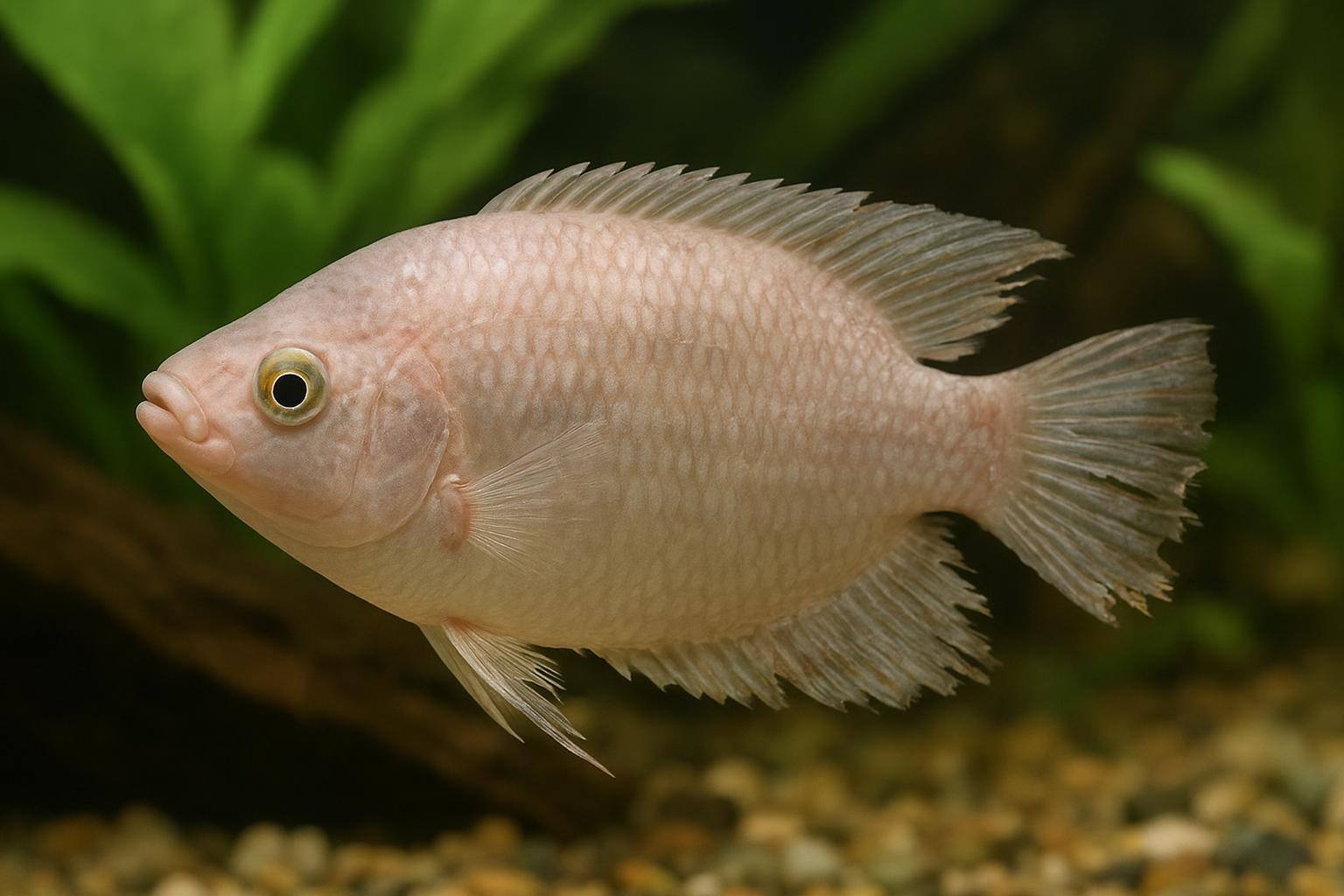
Fin rot is one of those aquarium problems that looks worse than it often is — especially if you catch it early. Your fish’s fins fray, edges turn ragged or discolored, and if left unchecked things can progress to body tissue. This guide will walk you through natural, low-stress options for aquarium fish fin rot treatment and how to tidy up the tank environment so your finned friends can heal.
## Aquarium Fish Fin Rot Treatment: Safe Natural Approaches
### How Fin Rot Shows Up
Fin rot usually begins at the tips of the fins and works inward. You might see:
– Frayed or shredded fin edges
– White or red margins where tissue is dying
– Uneven fin shortening over days
– Secondary signs like lethargy, clamped fins, or reduced appetite
Bacteria (often Aeromonas or Pseudomonas) and sometimes fungi exploit stressed or injured tissue. Poor water quality, aggression from tank mates, or fin-nipping create the opening. Early detection makes aquarium fish fin rot treatment much simpler and reduces the need for heavy medications.
### When To Act Fast
If tissue loss reaches the body base, or if the fish is very lethargic with cloudy eyes or severe redness, consider consulting a vet or using established aquarium medications. For mild-to-moderate fin rot, these natural steps often work well.
## 1. Salt Soak Remedy For Fin Rot
### Ingredients Or Materials
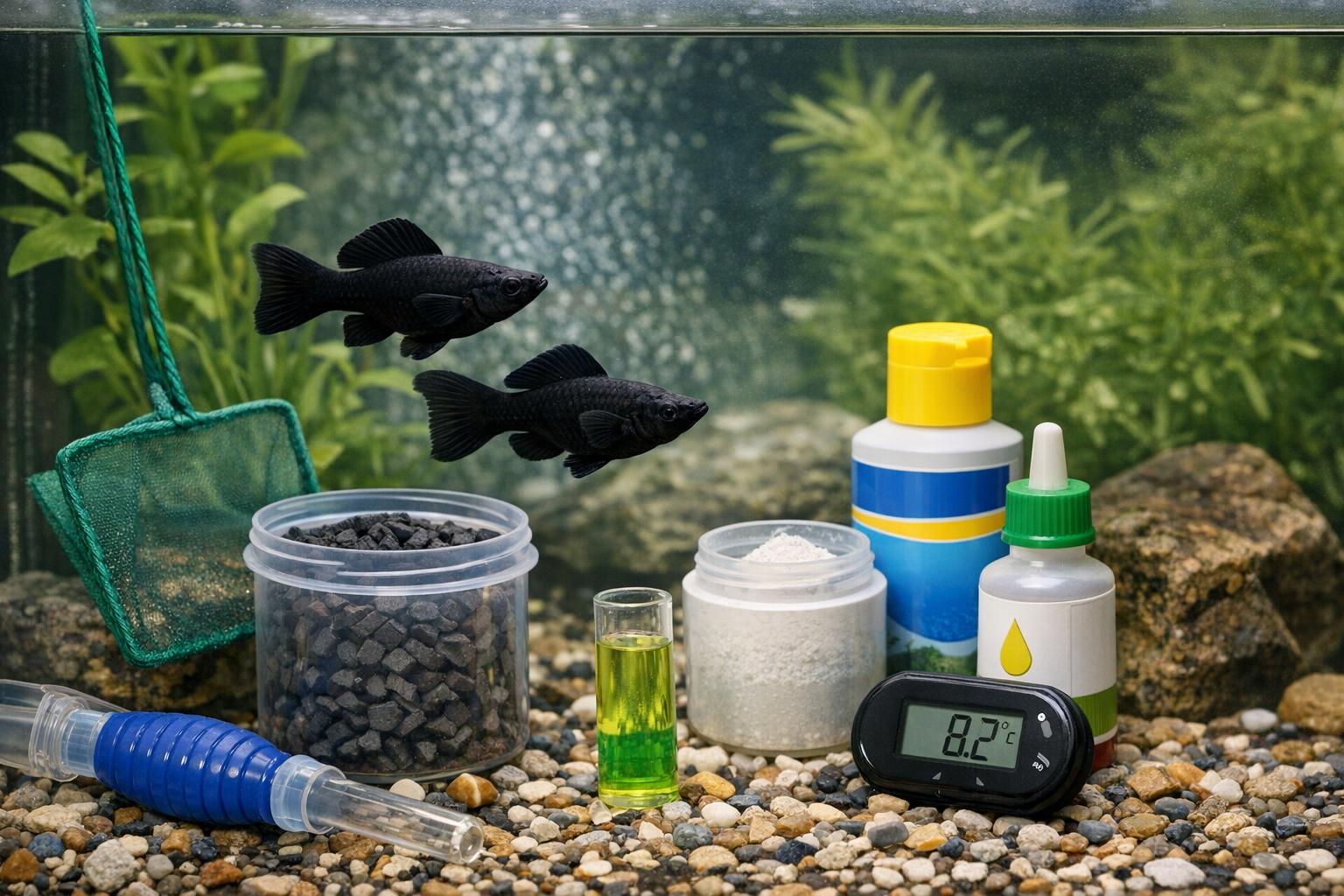
– Aquarium salt (not table salt; iodized salts and additives can harm fish)
– A clean quarantine or hospital tank (big enough for the fish to swim comfortably)
– Dechlorinated, temperature-matched water
– A small container or net for transfers
– Thermometer
### Step-By-Step Creation And Application
1. Prepare the quarantine tank with dechlorinated water at the same temperature and pH as the main tank. Avoid sudden chemistry shifts.
2. Dissolve aquarium salt into the quarantine tank at a conservative concentration: 1 tablespoon (approx. 15 g) per 5 gallons (19 L) for soaking. Some hobbyists use 1 tsp per gallon as a guideline; follow species-specific tolerances — delicate species like scaleless fish or certain catfish are sensitive.
3. Gently move the affected fish to the quarantine tank using a soft net. Minimize handling stress.
4. Keep the fish in the salted quarantine tank for 10–30 minutes initially. Observe closely. If the fish appears stressed (erratic breathing, trying to jump out), remove it immediately and return to fresh water.
5. Repeat daily or every other day for up to a week, while monitoring fin improvement. Partial water changes may be needed to keep water quality high.
6. If fins improve, slowly reduce salt and reintroduce the fish to the main tank after confirming water quality and compatibility.
### Precautions
– Do not use aquarium salt around shrimps, sensitive invertebrates, or scaleless fish unless you know the species tolerates it.
– Salt is supportive and osmotic — it helps reduce bacterial load and supports mucous production — but it’s not a guaranteed cure for deep infections.
## 2. Indian Almond Leaf Tannin Bath (Natural Antiseptic)
### Ingredients Or Materials
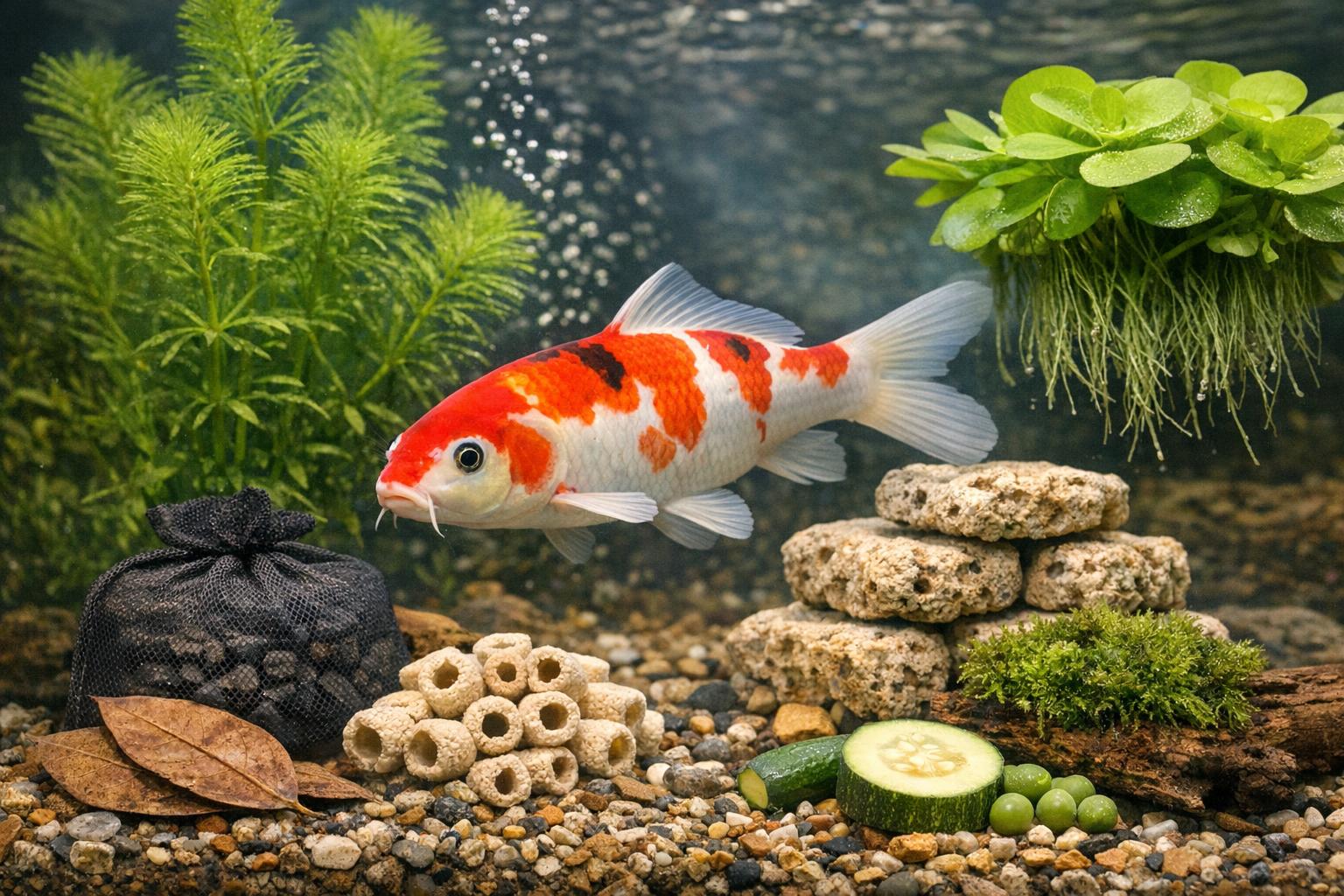
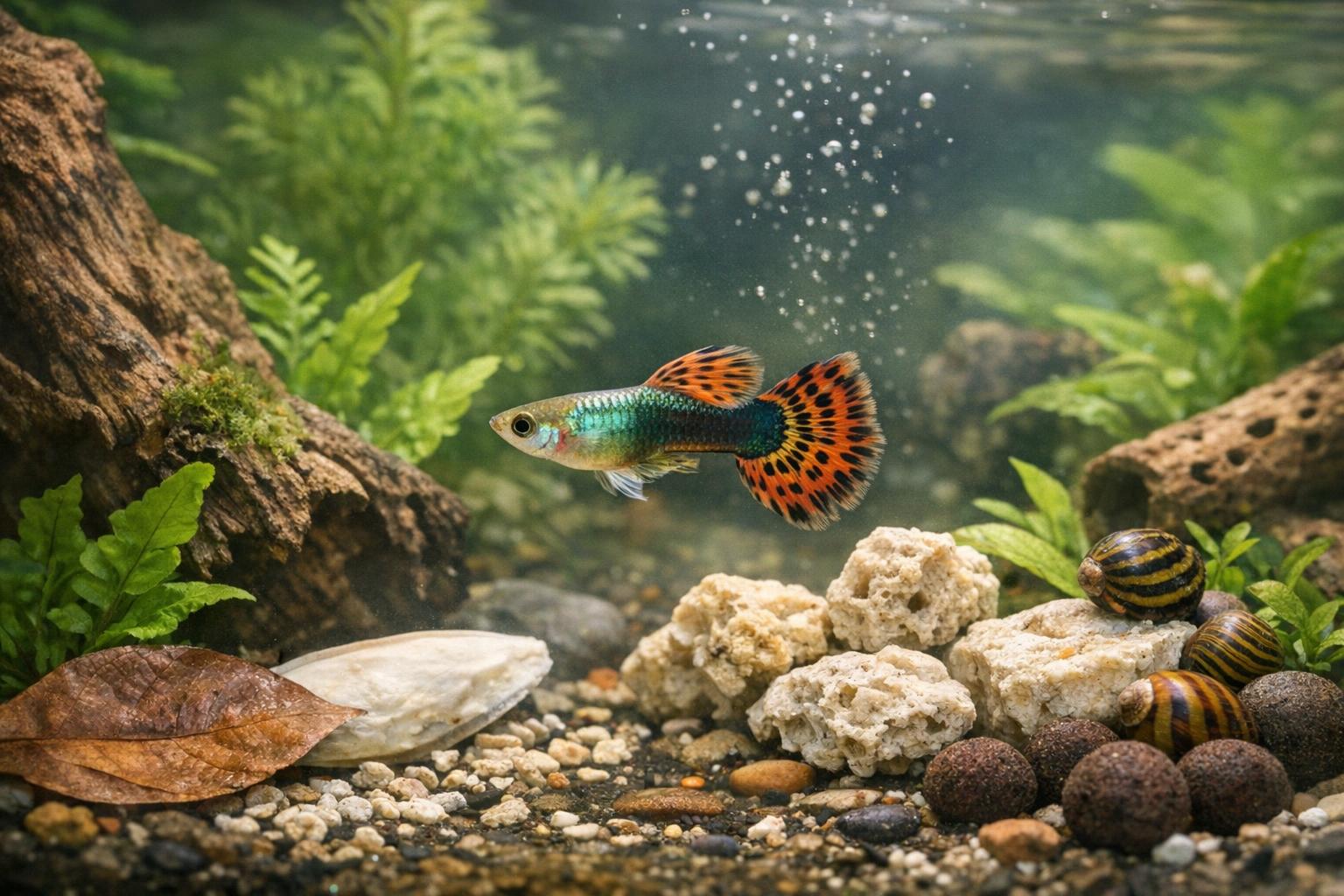
– Dried Indian almond leaves (Terminalia catappa), known as catappa leaves
– A separate quarantine tank or small “hospital” tank
– Dechlorinated water, appropriate temperature
– Mesh bag or leaf for slow release (optional)
### Step-By-Step Creation And Application
1. Rinse the almond leaves to remove dust. Optionally, pre-soak for a few hours to release initial tannins.
2. Place 1–2 leaves per 5 gallons (19 L) in the quarantine tank. The leaves will slowly leach tannins, creating a mildly acidic, antiseptic environment.
3. Transfer the fish gently and keep the fish in the tannin-enriched water for several days. Tannins are anti-microbial and help soothe irritated fins and skin.
4. Replace leaves every 5–7 days or as they break down. Monitor water parameters; tannins lower pH and darken water but are safe for most community fish that enjoy softer, slightly acidic water.
5. Combine with improved water quality and feeding for best results.
### Why It Helps
Indian almond leaves provide natural antimicrobial and anti-inflammatory properties. This bath is more of a chronic-support therapy than a rapid cure, suited to mild-to-moderate cases and as an adjunct to other interventions during aquarium fish fin rot treatment.
## 3. Nutritional Immune Support: Garlic-Infused Food
### Ingredients Or Materials
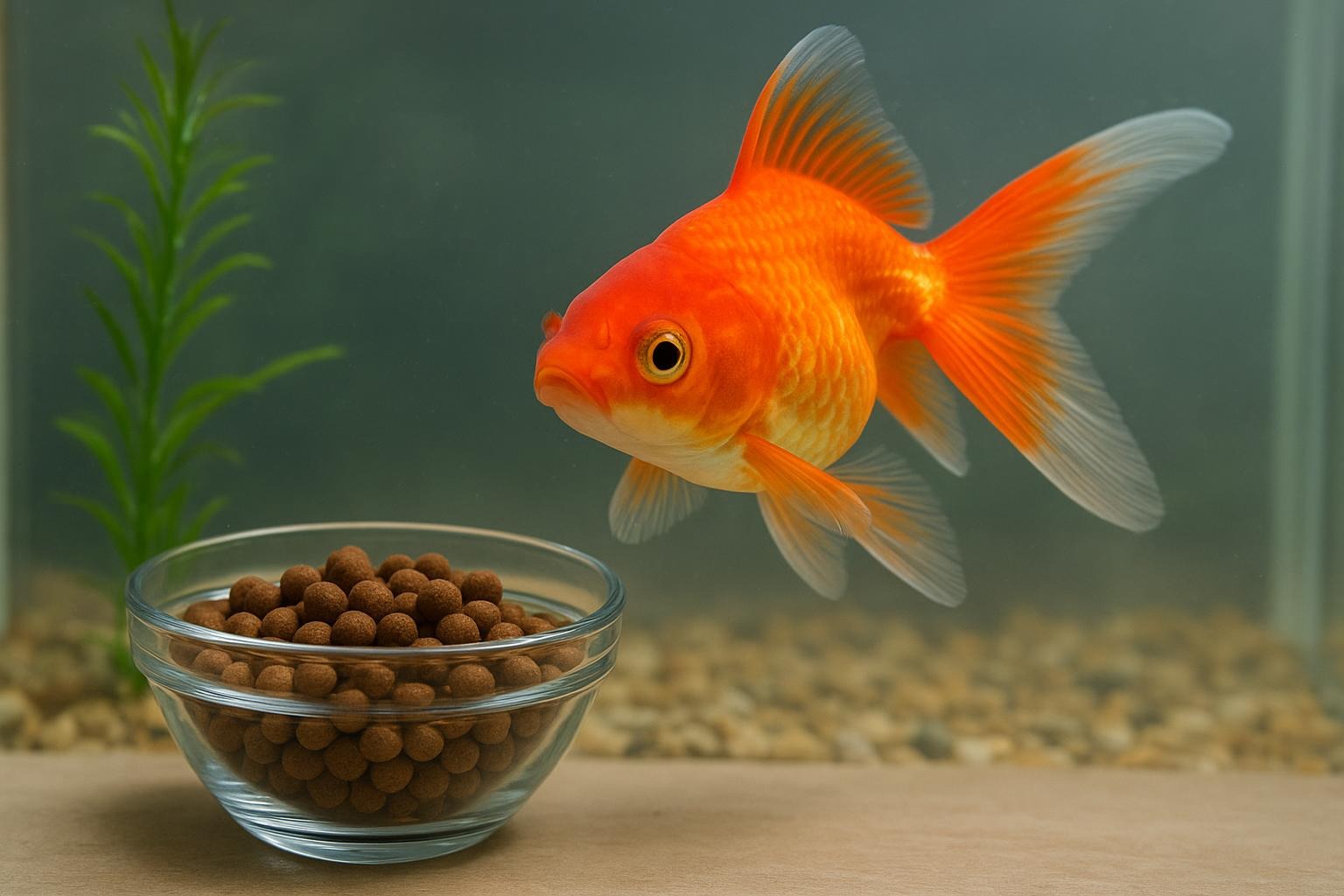
– High-quality flake or pellet food appropriate for your species
– Fresh garlic (clove) or a commercial liquid garlic supplement formulated for aquarium use
– Small container or plate for mixing
– Optional: vitamin C powder safe for fish food enrichment
### Step-By-Step Creation And Application
1. If using fresh garlic, finely mince one small clove. Mix a tiny amount with a tablespoon of food; you don’t need much — garlic flavor stimulates appetite and may offer mild antimicrobial effects.
2. For liquid garlic supplements, follow manufacturer dosing: usually a few drops per feeding portion.
3. If using vitamin C powder, add per product guidance to boost immune response.
4. Feed fortified food once or twice daily for short courses (3–7 days), ensuring uneaten food is removed promptly to avoid worsening water quality.
5. Observe appetite and fin improvement. Improved nutrition supports tissue regrowth and resistance to infection.
### Notes On Efficacy
Dietary support isn’t a topical treatment, but healthy tissues resist infection better and heal faster. Do not overfeed; poor water quality is a major cause of recurring fin rot.
## Tank Care And Prevention
### Water Testing And Maintenance
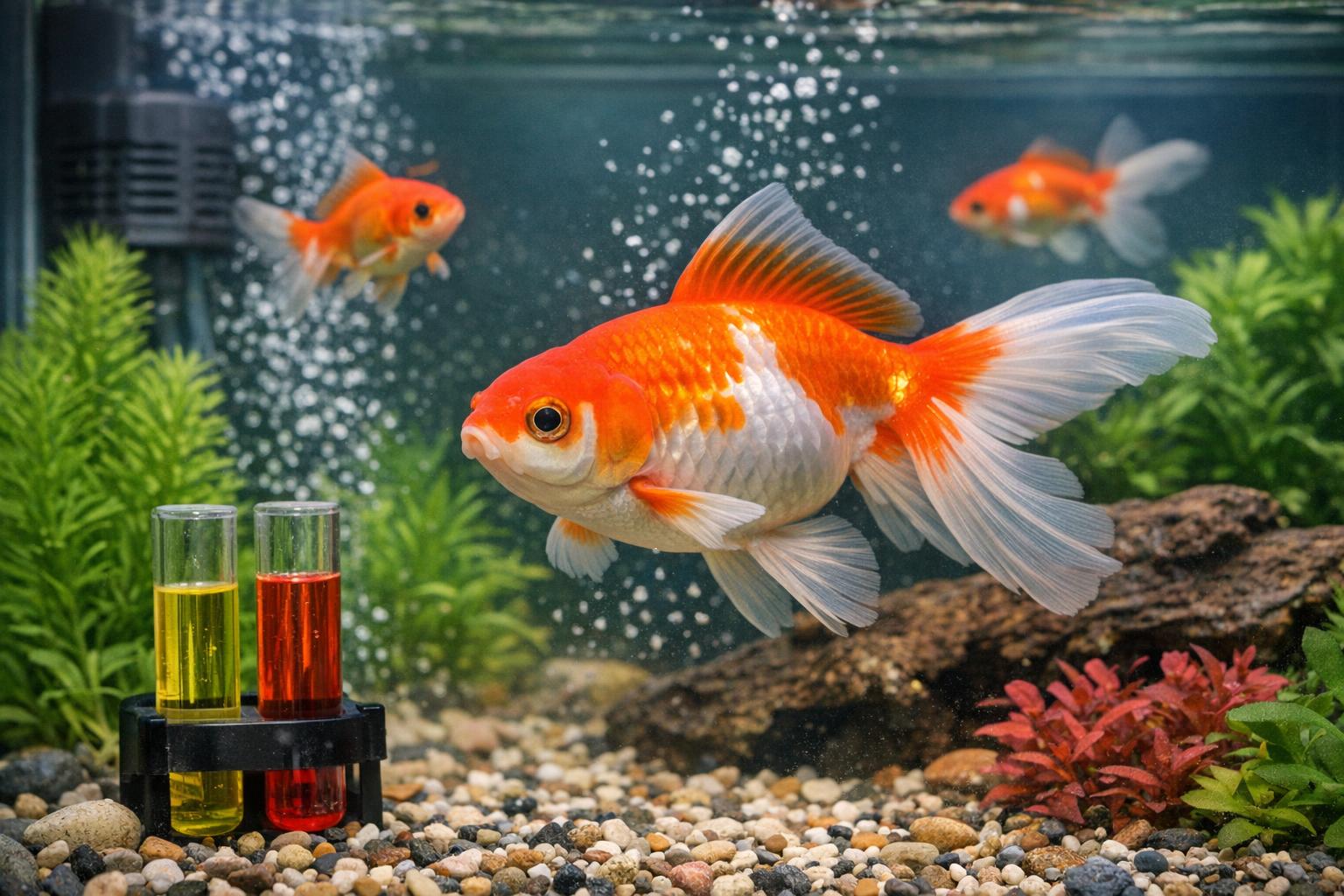
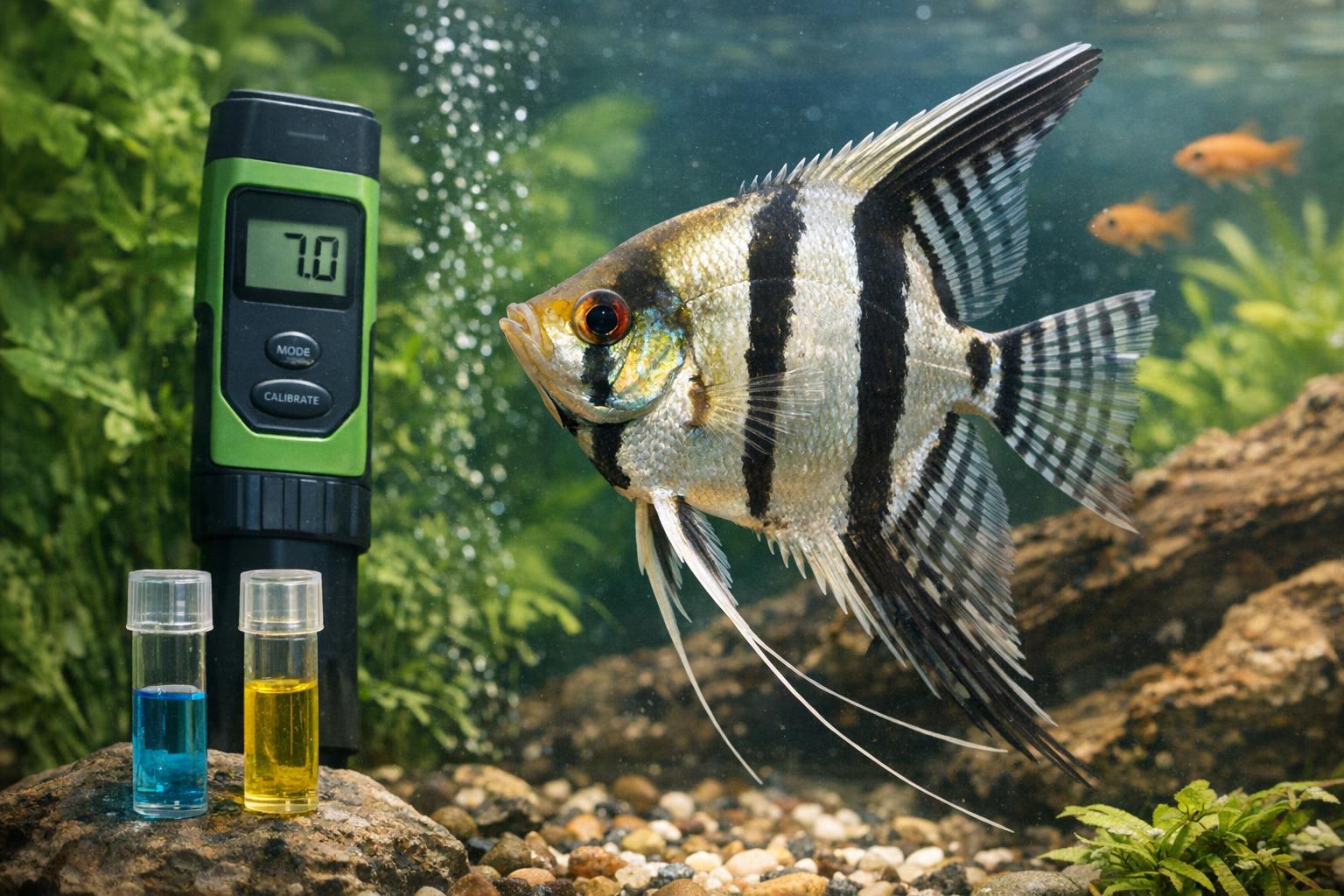
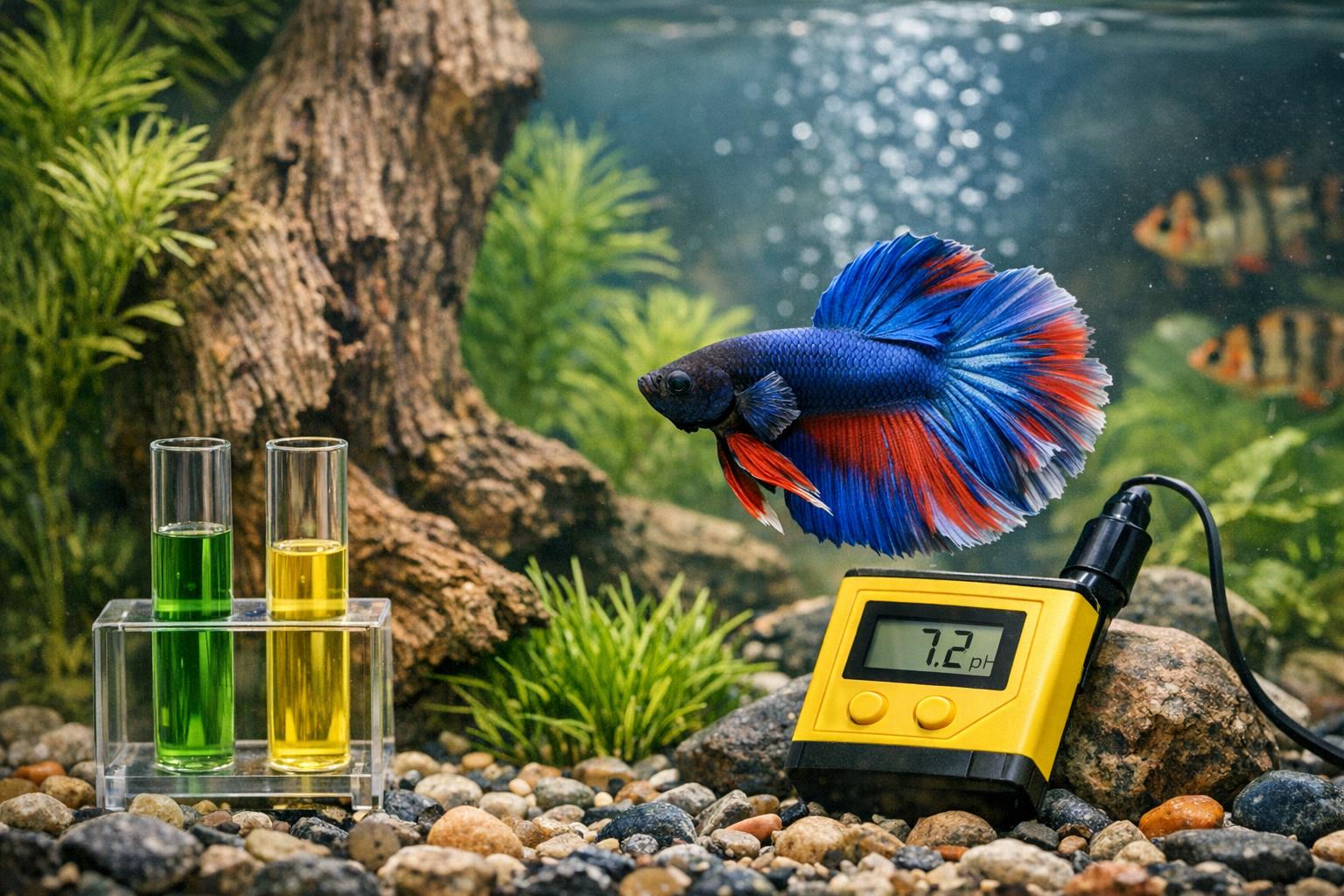
Routine water testing is the backbone of any aquarium fish fin rot treatment plan. Test ammonia, nitrite, nitrate, pH, and temperature. Even mild fin rot often correlates with elevated ammonia or nitrite, or fluctuations in temperature and pH.
Regular partial water changes (20–30% weekly or as needed) and a clean filter media (rinse in tank water, not tap water) reduce bacterial loads. Clean uneaten food and debris; these feed opportunistic pathogens.
### Quarantine And Tankmate Management
Isolate affected fish to reduce stress and stop potential spread. Review tankmates for fin-nipping behaviors (e.g., barbs, some cichlids). If aggression is a suspected cause, rearrange décor to break territories or permanently rehome the bully.
### When To Escalate Treatment
If natural measures fail after a week or infection deepens (base of fin, body lesions, systemic signs), you may need targeted antimicrobial treatments or veterinary advice. Some infections require antibiotics or antifungals; responsible medication use is vital — follow dosing, do complete courses, and remove activated carbon during treatment as it absorbs medicines.
#### Record-Keeping Tip
Track water parameters and treatment steps in a small notebook or app. Patterns help identify recurring issues and inform future aquarium fish fin rot treatment choices.
## Identifying Recovery And Regrowth
Healthy fin regrowth appears as pinkish edges or new translucent fin rays within days to weeks, depending on species and severity. Improved behavior, appetite, and reduced raggedness indicate success. Keep stressors low and continue supportive care until fins look healthy and the tissue appears robust.
A little vigilance, routine tank care, and a few natural remedies can turn a frayed fin back into a flourish. If the problem keeps returning, dig deeper into water chemistry, stocking levels, or chronic aggression — the real fix is often environmental.



Leave a Reply