


Hey there — if you’ve ever peeked into your aquarium and seen cloudy water, gasping fish, or that faint “is something dead?” smell, you might be facing an ammonia problem. Don’t panic. This guide walks you through practical, mostly DIY fixes for an ammonia spike fish tank that you can do quickly at home to protect your finned friends. A little calm, a bit of elbow grease, and some common supplies can go a long way.
## How To Spot An Ammonia Spike Fish Tank
Ammonia buildup is sneaky at first. It’s colorless and odorless in small amounts, but it wrecks water chemistry and irritates gills fast. If your tank has recently been overstocked, aggressively cleaned, or had big water changes, those are classic triggers. Also, new tanks with incomplete cycles are prime candidates.
### Common Causes
Overfeeding, decaying plants or uneaten food, a dead tankmate, inadequate filtration, sudden temperature changes, and starting a new aquarium without a proper nitrogen cycle are the usual suspects. Biological filter media that’s been replaced or cleaned too vigorously can also reset your bacteria population and lead to spikes.
### Signs In Fish And Water
Look for lethargy, gasping at the surface, clamped fins, red or inflamed gills, decreased appetite, and unusual swimming behavior. Water may appear cloudy or have a slight chemical odor. Test kits are crucial: an ammonia reading above 0.25 ppm is risky; above 1 ppm is an emergency.
## 1. Quick Water Change And Temporary Relief
This is the first-line, emergency response for an ammonia spike fish tank. It is fast, effective at immediately reducing concentration, and buys you time to implement longer-term fixes.
### Ingredients And Materials
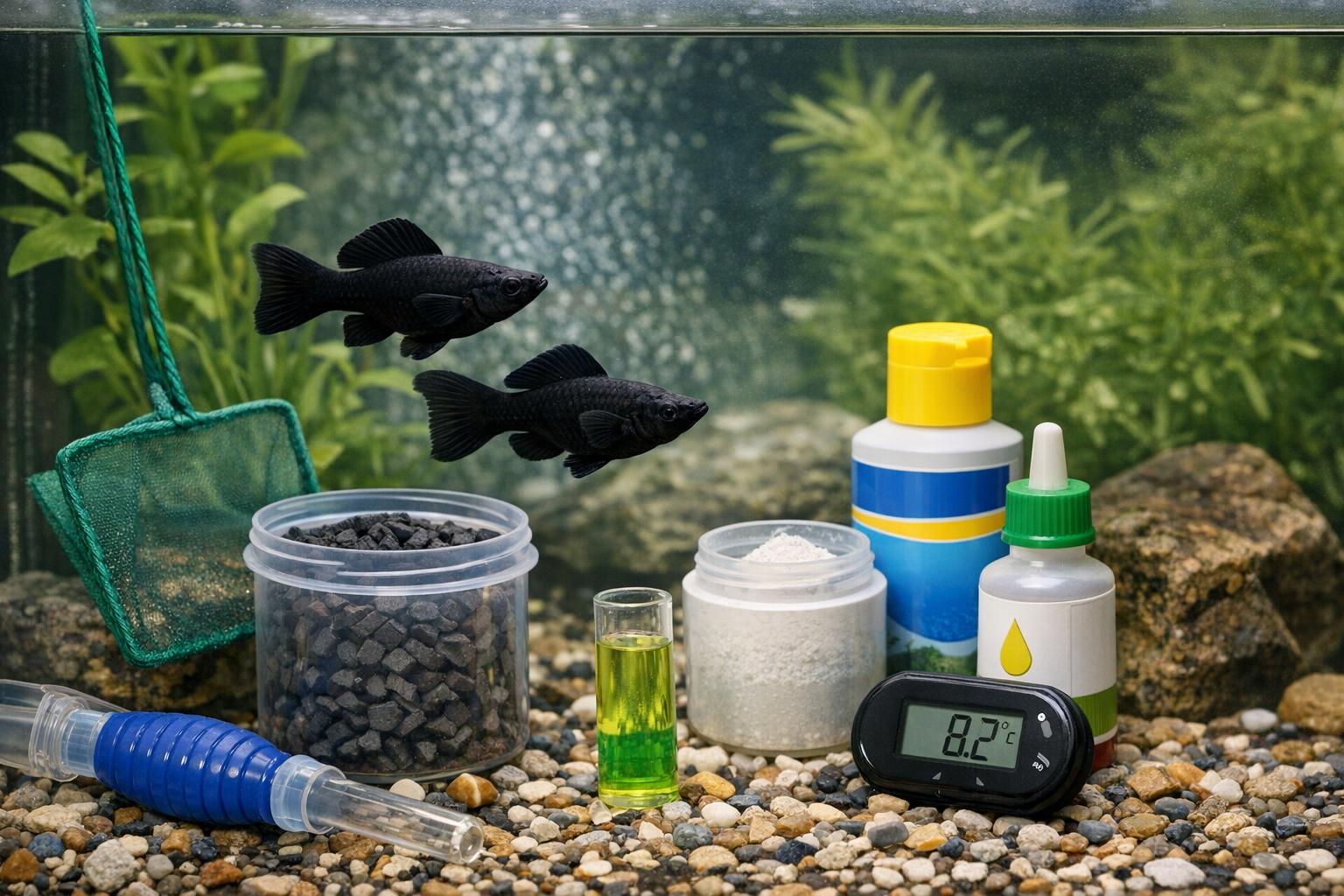
– Aquarium water test kit (ammonia, nitrite, nitrate)
– Clean bucket reserved for aquarium use
– Dechlorinated water or a dechlorinator product
– Gravel siphon or bell siphon
– Thermometer (optional but recommended)
#### Step-By-Step Creation And Application
1. Test the water for ammonia, nitrite, and nitrate to confirm the spike level.
2. Prepare replacement water: match temperature and pH as closely as possible; treat tap water with a dechlorinator to neutralize chlorine and chloramines.
3. Perform an immediate 25–50% water change using a siphon, focusing on removing detritus from the substrate. A 50% change is recommended if ammonia is above 1 ppm.
4. After the change, retest ammonia and nitrite. Repeat a 25% water change every 4–6 hours if levels remain dangerously high, but avoid shocking fish with rapid temperature or pH swings.
5. Monitor closely for 24–48 hours and continue other remedies as necessary.
Be formal about volumes and timing: do not change more than 50% at once unless instructed by an aquatic veterinarian for dire situations; abrupt, large changes can stress fish.
## 2. Use Of Zeolite, Activated Carbon, And Ammonia Neutralizers
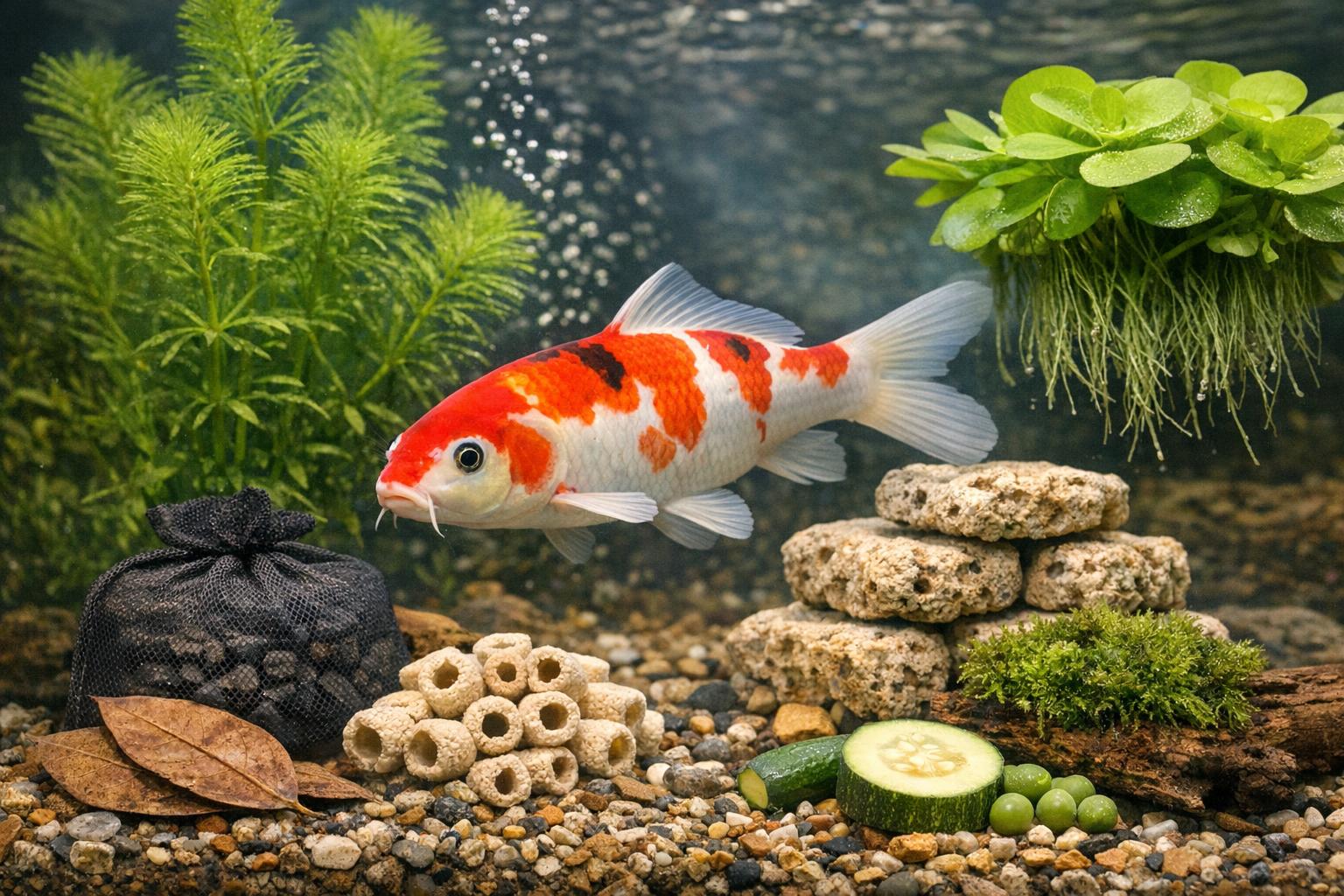
Chemical media can be an effective bridge while biological populations recover. This remedy should be used with understanding of limitations: carbon removes organics and odors, while zeolite can bind free ammonia; ammonia neutralizers convert ammonia to a less toxic form temporarily.
### Ingredients And Materials
– Zeolite media (aquarium grade) OR ammonia-specific resin
– Activated carbon (optional)
– Media bag or filter chamber compatible with your filter
– Aquarium test kit
#### Step-By-Step Creation And Application
1. Select the correct media: use zeolite specifically labeled for ammonia removal or a reputable ammonia binder product.
2. Rinse the media thoroughly in dechlorinated water to remove dust.
3. Place media in a fine mesh bag and put it in the highest-flow area of your filter for maximum contact.
4. Use activated carbon in a separate bag if you need to remove additional organics or odors.
5. Retest aquarium water every 6–12 hours. Note that chemical binders are temporary; they do not replace biological filtration.
6. Replace or refresh media according to manufacturer directions and discontinue use once biological filtration is re-established to avoid masking a recurring problem.
When using chemical binders, be cautious with long-term reliance. They treat the symptom (free ammonia) but not the underlying lack of nitrifying bacteria.
## 3. Boost Beneficial Bacteria: Biological Fix
Long-term stability comes from re-establishing nitrifying bacteria that convert ammonia to nitrite and then nitrate. This is the most important step for a sustainable recovery after an ammonia spike fish tank event.
### Ingredients And Materials
– Commercial nitrifying bacteria starter (bottled bacterial additives)
– Old filter media, sponge, or decor from a healthy established tank (if available)
– Aquarium heater and stable temperature conditions
– Test kit for ammonia, nitrite, nitrate
#### Step-By-Step Creation And Application
1. Follow manufacturer dosing for bottled bacteria, dosed as instructed directly into the aquarium and again for several days as directed.
2. If you have media from an established tank, transfer a portion into your current filter to seed it with live bacteria.
3. Reduce feeding to 50% or stop for 24 hours to reduce ammonia production from waste.
4. Monitor ammonia, nitrite, and nitrate daily. Expect ammonia to drop as nitrite temporarily rises, then decline as nitrate increases — that indicates the cycle is re-establishing.
5. Avoid replacing all filter media at once in the future; stagger replacements to preserve bacterial colonies.
This step is formal and scientific: nitrifying bacteria (Nitrosomonas and Nitrobacter spp. or similar) are the core of biological filtration. Patience and measured dosing are key.
## 4. Emergency Aeration And Temperature Management
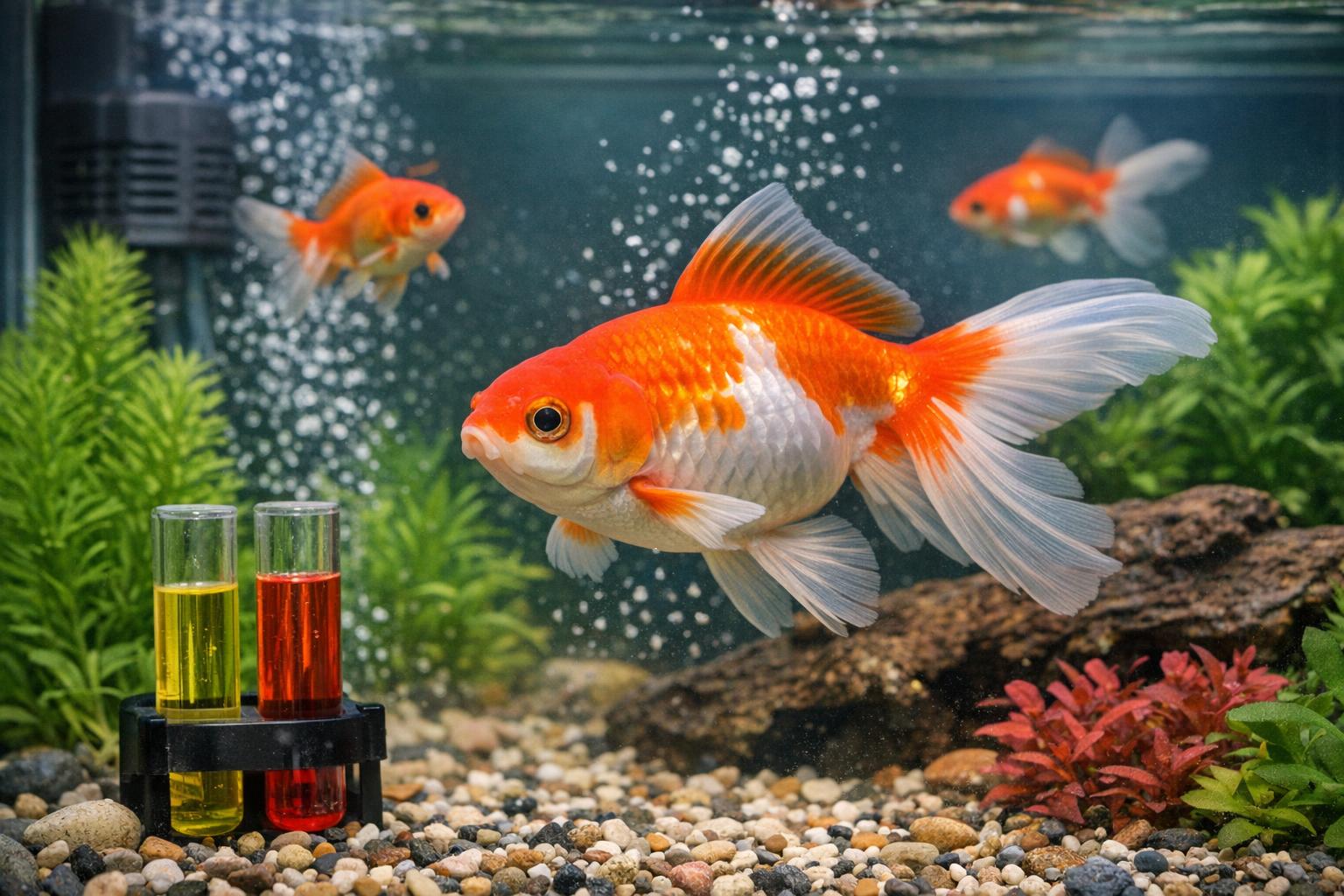
Ammonia toxicity is worsened by low oxygen. Increasing aeration helps fish tolerate stress and supports beneficial bacterial activity.
### Ingredients And Materials
– Air pump and airstone or additional powerhead
– Battery backup or UPS if power outages are a concern
– Thermometer and heater for stable temperature
#### Step-By-Step Creation And Application
1. Add an airstone and increase surface agitation to improve oxygen transfer.
2. Ensure heater is stable and set to the species-appropriate temperature; avoid rapid changes.
3. If ammonia levels are high, increase aeration for at least 24–48 hours while other treatments proceed.
4. Maintain oxygenation during water changes and whenever biological activity spikes.
Higher dissolved oxygen reduces ammonium toxicity and eases respiratory strain on fish. Be certain that added equipment is rated for your tank size.
### When Filters Aren’t Doing The Job
If your filter is clogged, undersized, or failing, temporarily increase filtration capacity with a hang-on-back (HOB) or canister filter rated for a larger aquarium. Do not over-clean biological media—rinse only in aquarium water.
### Preventing Future Ammonia Spike Fish Tank Events
Prevention is easier (and less stressful) than emergency treatment. Keep stocking levels appropriate, feed sparingly, establish and maintain biological filtration, cycle new tanks properly, vacuum the substrate regularly, and avoid over-cleaning filter media. Quarantine new fish and plants to prevent disease-related deaths that can cause sudden spikes.
### When To Call The Vet Or Aquarium Professional
If fish show severe distress (rapid respiration, convulsions, severe bleeding, or mass mortality), call an aquatic veterinarian or experienced aquarium professional immediately. Persistent high readings despite correct home remedies may indicate a more complex system failure.
If you’re dealing with an ammonia spike fish tank right now, act quickly: test, do immediate water changes, add aeration, and support biological recovery. With careful steps you’ll stabilize the tank, and your fish will appreciate the rescue — probably in fish terms, which involves fewer thank-you cards and more hopeful swimming.



















Leave a Reply