


## Dog Black Stool Treatment Home Remedies: When To Act
Black or tarry stool in dogs can be alarming — and for good reason. The phrase “dog black stool treatment home remedies” deserves a moment of careful attention: some home remedies can help mild, non-urgent causes, but black, tarry, or coffee-ground-like feces can indicate bleeding in the upper gastrointestinal tract and needs immediate veterinary attention. If your dog is weak, vomiting blood, pale, breathless, or if the stool is very dark and sticky, skip the DIY and call the vet or emergency clinic right away.
### Signs That Require Immediate Veterinary Care
– Lethargy, weakness, collapse, or pale gums
– Repeated vomiting, especially with blood
– Very black, tarry, or coffee-ground stool
– Signs of shock (cold extremities, rapid heart rate)
If you see these, treat the situation as an emergency.
## Understanding Causes Of Black Stool In Dogs
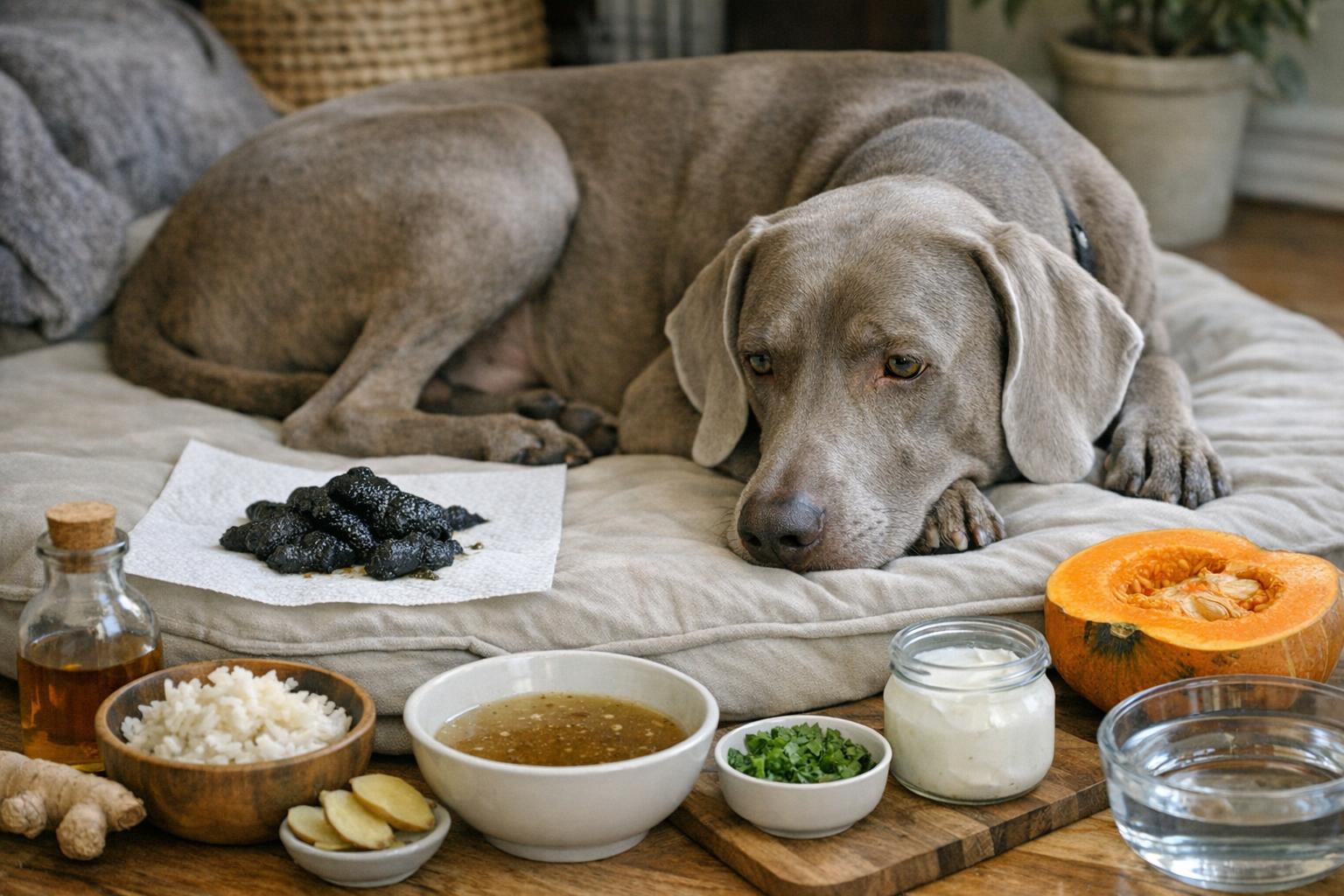
Black stool (melena) usually means blood has been digested on its way through the gut. Causes include swallowed blood (from oral injury), bleeding ulcers, certain medications (like NSAIDs), toxins, severe gastritis, or parasites. Less serious causes can be dietary — for example, some iron supplements, foods with lots of dark pigments, or certain human foods might darken stool. Before applying any dog black stool treatment home remedies, try to identify recent changes: new meds, mixed-in people food, pica (eating non-food items), or known toxin exposure.
### How To Assess The Situation At Home
Take a calm, methodical approach. Photograph the stool and notice color, consistency, and odor. Check your dog’s mouth and gums for ulcers or bleeding. Note any recent changes in diet, medication, or outdoor access that could allow ingestion of foreign objects or toxins. Save a small sample of the stool in a sealed bag and refrigerate it for the vet. These simple steps help professionals diagnose faster.
## 3 Home Remedies For Dog Black Stool Treatment
Below are three supportive, conservative home approaches you can use only when the dog is stable, alert, and showing no severe signs. These remedies are not substitutes for veterinary care when bleeding or serious illness is present. Each remedy includes ingredients/materials and step-by-step preparation and application. Use them carefully and stop if the dog worsens.
### Remedy 1: Temporary Fasting And Bland Diet
This is often the first, gentle intervention for mild stomach upset and light discoloration when no severe signs are present.
#### Ingredients / Materials
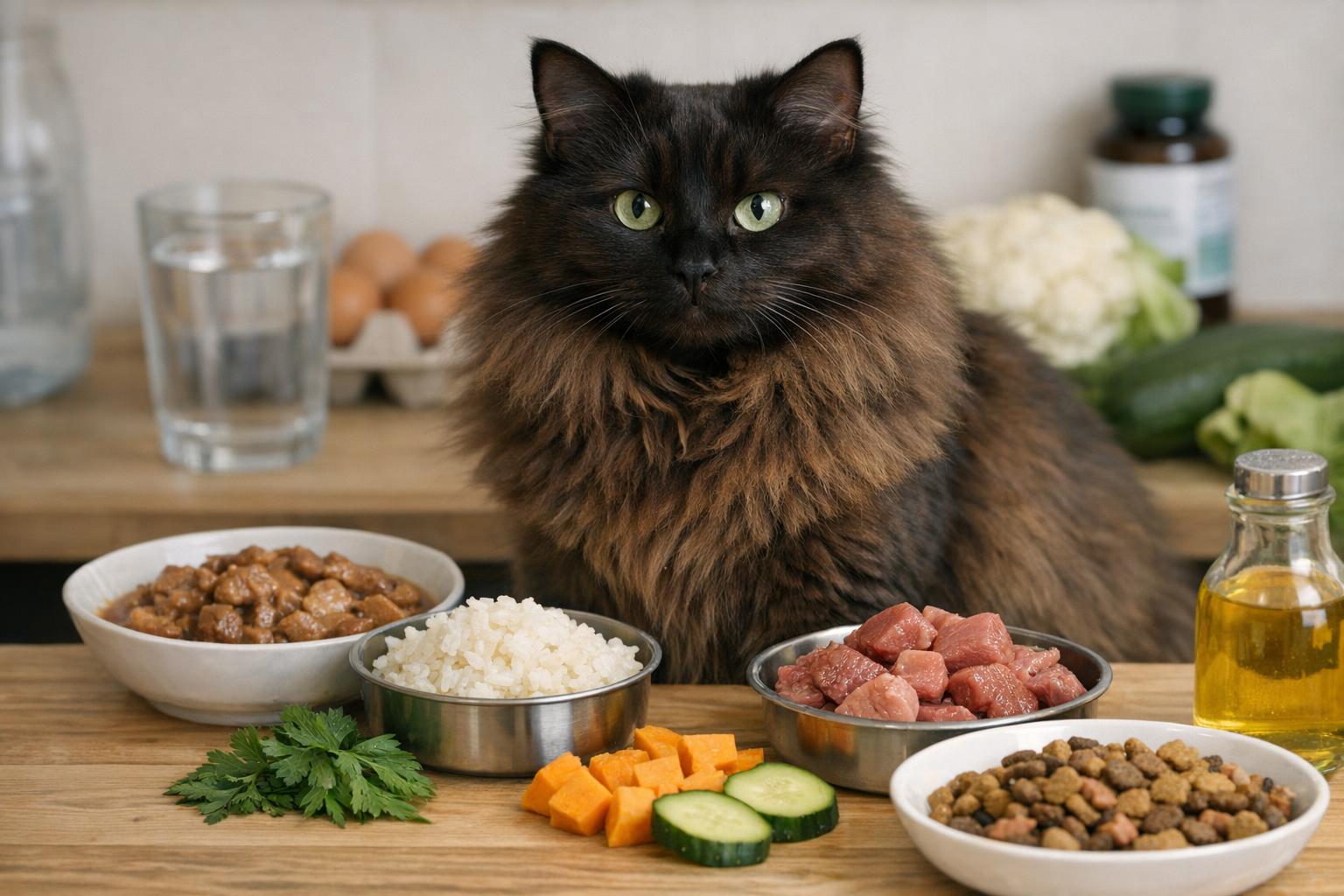
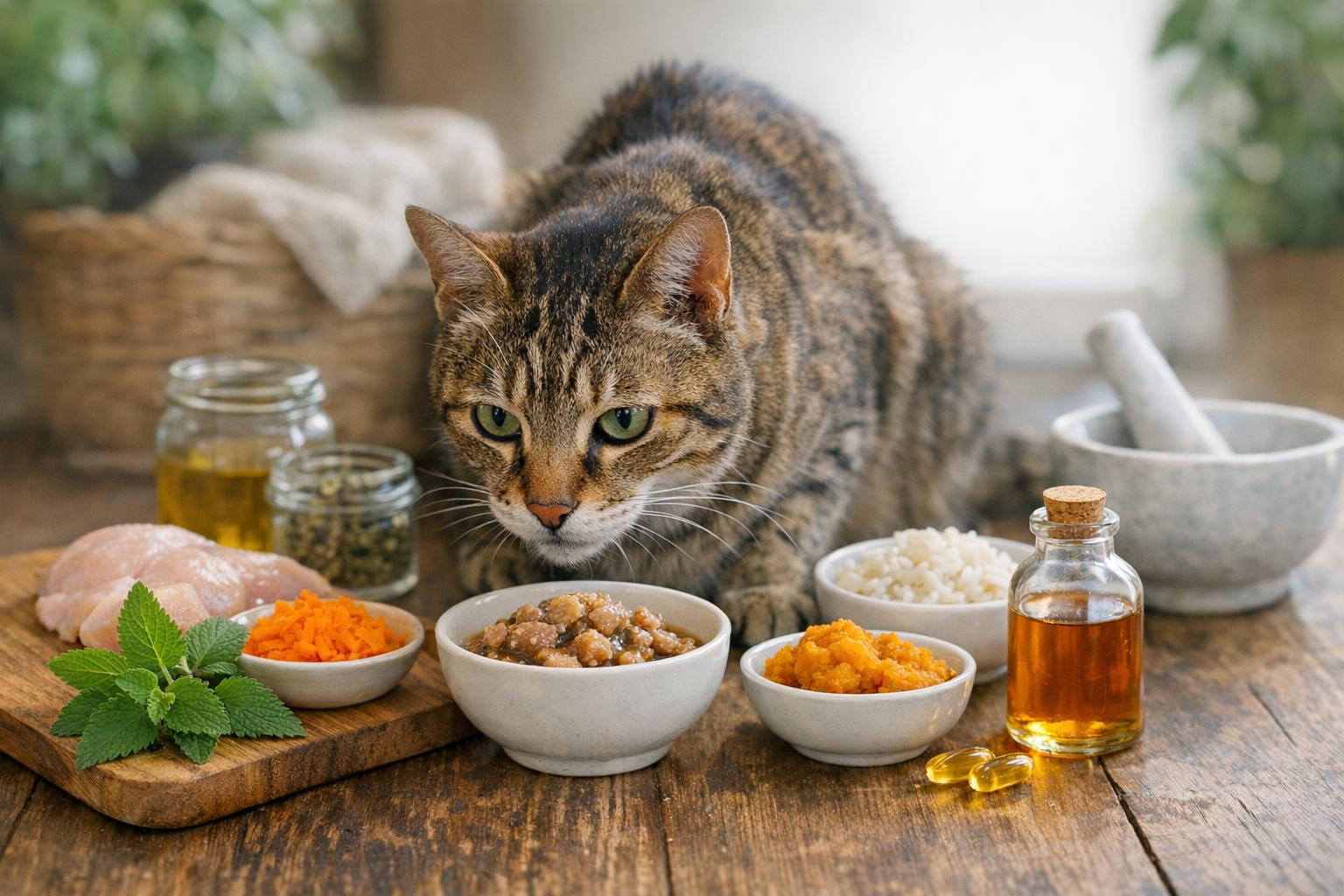
– Plain boiled white rice
– Skinless, boneless boiled chicken breast (no seasoning)
– Clean water
– Measuring cup and clean cookware
#### Steps: Create And Apply
1. Withhold food for 12 hours for adults (6–8 hours for small puppies), but always provide fresh water unless vomiting persistently. This gives the gut a short rest.
2. Prepare a bland diet: boil rice until very soft. Boil chicken thoroughly and finely shred.
3. Offer small, frequent meals: about 1/4 to 1/2 of the dog’s normal portion every 3–4 hours rather than one large meal.
4. Monitor stool color and hydration. If stool returns to normal color and no other symptoms appear over 24–48 hours, gradually mix increasing amounts of the dog’s regular food back in over 3–5 days.
5. If black or tarry stool persists or other clinical signs develop, stop home treatment and visit the vet.
### Remedy 2: Pumpkin And Hydration Support
Canned plain pumpkin (not pie filling) is a gentle fiber source that can regulate bowel movements and reduce irritation. This is supportive care, not a fix for bleeding.
#### Ingredients / Materials
– Plain canned pumpkin (100% pumpkin)
– Clean water or low-sodium broth
– Measuring spoon and small bowl
#### Steps: Create And Apply
1. Ensure the pumpkin is plain — no cinnamon, sugar, or additives. Canned 100% pumpkin is best.
2. For small dogs, offer 1/2 to 1 teaspoon of pumpkin with each bland meal; for medium dogs, 1 to 2 teaspoons; for large dogs, 1 to 4 tablespoons. Adjust according to body size.
3. Ensure consistent hydration. If your dog drinks less, offer small amounts of low-sodium chicken broth to encourage fluid intake.
4. Feed the pumpkin for 2–3 days while monitoring stool. It can help normalize stool color and consistency if the cause is mild gastritis or dietary upset.
5. If no improvement or if stool worsens to tarry black, consult your veterinarian immediately.
### Remedy 3: Slippery Elm Powder For Gut Soothing
Slippery elm is a plant-based demulcent that can coat the GI tract and help reduce irritation. Use only high-quality powdered slippery elm formulated for pets, and avoid mixing with medications without consulting a vet.
#### Ingredients / Materials
– Slippery elm powder (sourced from reputable pet-supply or herbal supplier)
– Warm water
– Spoon and small bowl or syringe for administration
#### Steps: Create And Apply
1. Follow dosage guidelines on the product or vet recommendation. Typical doses: 1/4 teaspoon for small dogs, 1/2 teaspoon for medium, 1 teaspoon for large dogs, given up to twice daily. Confirm with your vet especially for puppies or sick dogs.
2. Mix the powder with warm water to create a thick slurry. Stir until well combined.
3. Offer the slurry by spoon or syringe into the side of the mouth. Some dogs will eat it mixed into the bland diet.
4. Continue for up to 3 days while observing stool and overall condition. Slippery elm can be helpful for soothing irritated mucosa but does not treat active bleeding.
5. If there is no improvement or any signs of systemic illness, discontinue and seek veterinary care.
#### When To Avoid Herbal Remedies
If your dog is on prescription medications (especially for diabetes, anticoagulants, or steroids), check with the veterinarian before giving herbal supplements. Herbs can interact with drugs or worsen underlying conditions.
### Monitoring And When To Escalate Care
Watch these parameters closely while using dog black stool treatment home remedies:
– Appetite and drinking
– Activity level and behavior
– Stool color, frequency, and consistency
– Vomiting, especially if bloody
– Gum color (pale gums suggest blood loss)
If black stool persists beyond 24 hours, becomes tarry or more profuse, or if the dog shows any systemic signs, get veterinary attention. Bring stool photos/samples and a list of recent foods, medications, or possible toxin exposures. A vet will likely run bloodwork, fecal tests, and possibly imaging to locate bleeding and determine cause.
### Preventive Tips To Reduce Recurrence
Keeping your dog safe helps prevent many causes of black stool. Secure trash, avoid human medicines and nicotine products, keep small objects away, use cautious yard supervision, and consult your vet before giving any human supplements or medication. Regular parasite prevention and routine dental checks also reduce swallowed-blood scenarios from oral bleeding. And yes, resist sharing spicy wings.
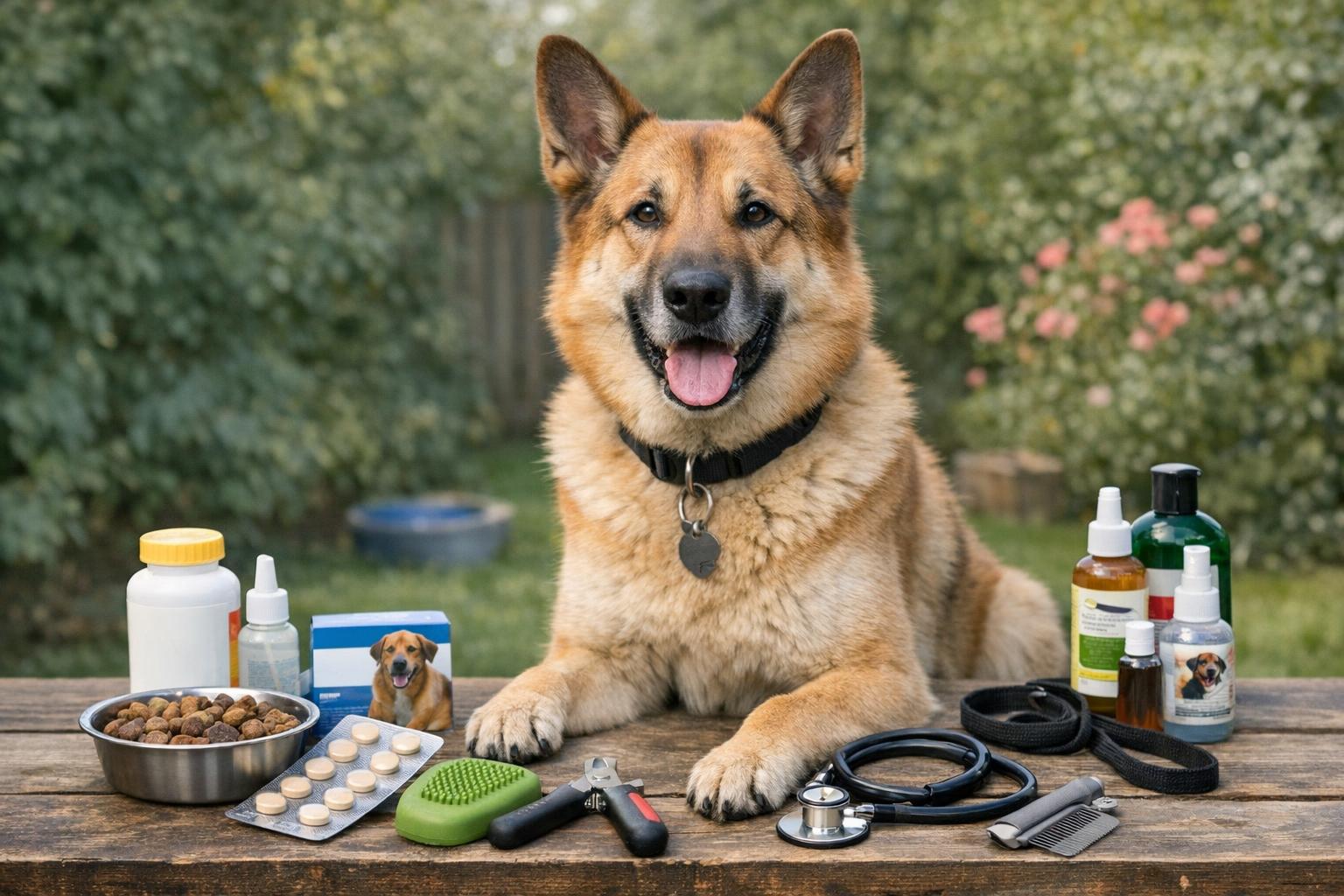
### Helpful Supplies To Keep On Hand
– Sealed sample bags for stool collection
– A thermometer and pet first-aid basics
– Pumpkin purée (plain) and the components for a bland diet
– Contact information for your regular vet and an emergency clinic
## How To Communicate With Your Vet About Black Stool
When you call or visit, be ready to say when the first abnormal stool was noticed, describe color and texture, report any vomiting or appetite changes, list medications and supplements, and share recent outdoor activities. Mention any home remedies used, including the exact phrase that may appear in your notes: dog black stool treatment home remedies — vets appreciate concise context, not a long story. They’ll decide if in-clinic diagnostics are needed.
### Final Practical Note (No Dramatic Ending, Promise)
Home remedies can help with minor stomach upsets but are not a replacement for professional evaluation when bleeding is possible. Keep a calm voice, observe carefully, and when in doubt, ask a professional. Your dog will appreciate the attention — and probably the pumpkin.




Leave a Reply