






So your pup cleared the room and you’re left wondering what on earth happened — and fast. If your dog has bad gas suddenly, you’re not alone. Sudden gas in dogs can be embarrassing (for everyone), uncomfortable for your dog, and sometimes a clue that something needs attention. Below are friendly explanations, practical at-home remedies, and clear signs that it’s time to call a vet.
## What To Do When Dog Has Bad Gas Suddenly
First things first: breathe. Take a few quick practical steps to keep your dog comfortable and yourself sane.
– Move your dog to a well-ventilated room or outside for fresh air.
– Remove any new treats, human food, or trash they might have found.
– Offer water, but don’t force drinking if your dog seems nauseous.
– Make a calm environment — stress can make GI upset worse.
If your dog has bad gas suddenly after a party, a walk by the picnic table, or a switch in food, these initial steps often help while you decide on a remedy.
## Common Causes Of Sudden Canine Gas
Knowing why this happened helps you pick the right fix. Common causes include:
– Diet Change: New kibble, a different brand, or a novel protein can upset gut flora.
– Rich or Fatty Foods: Table scraps, greasy leftovers, and dairy are classic culprits.
– Eating Too Fast: Rapid eating traps air, which becomes gas downstream.
– Food Intolerance Or Allergy: Some dogs don’t handle lactose, soy, or certain proteins.
– Parasites Or Infection: Worms or gut infections can cause sudden bloating and gas.
– Medications Or Supplements: Antibiotics often disrupt normal gut bacteria.
– Health Conditions: Inflammatory bowel disease, pancreatitis, or metabolic issues sometimes present with flare-ups.
If your dog has bad gas suddenly and it follows a clear cause (leftover chili, that adventurous backyard snack), you can try home remedies below. If there’s vomiting, severe bloating, lethargy, or pain, treat it as potentially urgent.
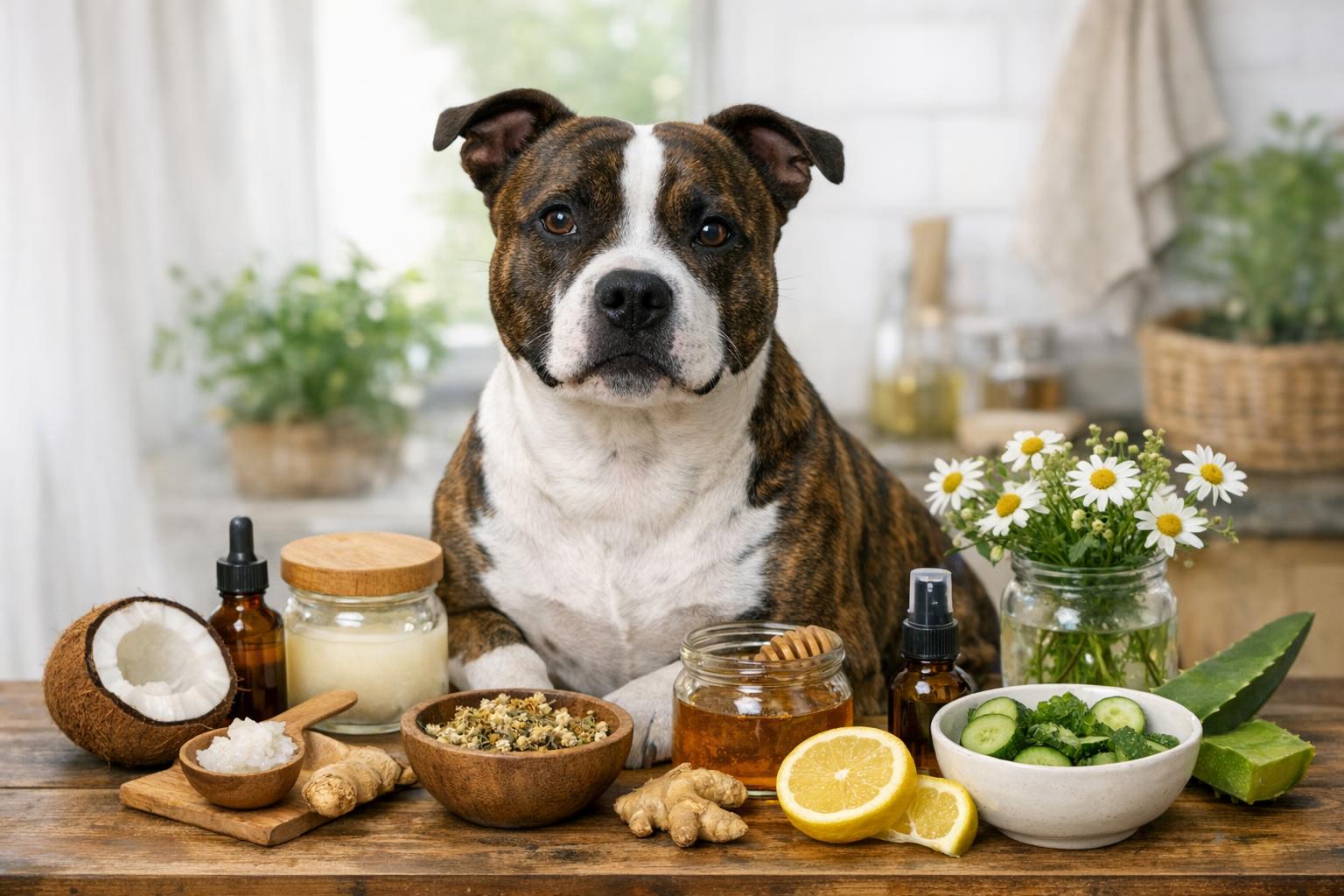
## 4 Natural Remedies You Can Try At Home
Below are four gentle, natural approaches you can try. Each remedy includes ingredients or materials and step-by-step creation and application. Use them carefully and stop if your dog worsens.
### 1. Canned Pumpkin For Gentle Fiber Regulation
Ingredients / Materials:
– Plain canned pumpkin (not pumpkin pie filling)
– Measuring spoon
– Small bowl
Creation And Application:
1. Measure: For small dogs (under 10 lb) give 1 teaspoon; medium dogs (10–30 lb) 1–2 teaspoons; large dogs 1–4 tablespoons once daily. These are general guidelines — start low.
2. Mix: Stir the pumpkin into a little of your dog’s regular food or offer by spoon.
3. Monitor: Pumpkin adds soluble fiber that can firm stool and regulate digestion. Use for up to a few days while observing improvement.
Notes: Pumpkin works best when gas is linked to mild constipation or diet shifts. Avoid pumpkin if your dog has pancreatitis or was specifically advised against fiber.
### 2. Probiotic Yogurt Or Canine Probiotic Supplement
Ingredients / Materials:
– Plain unsweetened yogurt (live cultures) OR canine probiotic capsules/powder
– Spoon
– Measuring guide (product-specific)
Creation And Application:
1. Choose: If using yogurt, pick plain, unsweetened, low-lactose varieties. Better: use a probiotic formula made for dogs.
2. Dose: Yogurt — start with 1 teaspoon for small dogs, up to 1 tablespoon for larger dogs. Probiotic supplements — follow manufacturer’s dosing for weight.
3. Administer: Mix into food once a day for 3–7 days and watch for reduction in gas frequency/severity.
4. Continue: If helpful, maintain a probiotic routine per vet guidance.
Notes: Probiotics restore healthy gut bacteria disrupted by diet changes or antibiotics. Use a canine-specific product when possible to ensure appropriate strains and counts.
### 3. Fennel Seed Or Parsley “Tea” For Short-Term Relief
Ingredients / Materials:
– Fennel seeds OR fresh flat-leaf parsley
– Boiling water
– Small cup/infuser
– Measuring spoon
– Refrigerator for cooling
Creation And Application:
1. Prepare: Steep 1 teaspoon fennel seeds in 1 cup boiling water for 10 minutes; cool. For parsley, steep 1 tablespoon chopped parsley similarly or mince and add to food.
2. Strain: Remove seeds and let the liquid reach lukewarm temperature.
3. Dose: Offer 1–2 teaspoons to small dogs and 1–3 tablespoons to medium/large dogs once or twice daily. Stop after 48–72 hours if no improvement.
4. Application: Syringe into mouth if needed or mix into food.
Notes: Fennel and parsley can ease gas and freshen breath. Use sparingly and avoid essential oils or concentrated extracts. Confirm no interactions with medications.
### 4. Slow-Feeding And Enzyme Support
Ingredients / Materials:
– Slow-feeder bowl or food puzzle
– Canine digestive enzyme supplement (optional; consult vet)
– Measuring tools
Creation And Application:
1. Switch To Slow Feeding: Place kibble in a slow-feeder or scatter feed to reduce gulping and air swallowing.
2. Use Enzymes If Needed: If your dog has trouble digesting certain foods (fatty meals, dairy), a digestive enzyme taken before meals can help break down fats and proteins. Follow manufacturer dosing or your vet’s directions.
3. Observe: Try slow-feeding for at least a week. If enzymes are used, monitor stool quality and gas frequency.
Notes: Rapid eating is an underestimated cause. Behavioral fixes are simple and safe; supplements should be selected for dogs and dosed correctly.
## Feeding And House-Management Tips To Prevent Future Episodes
A few small changes reduce repeat stink-fests:
– Avoid table scraps and sudden diet switches.
– Feed smaller, more frequent meals rather than one huge meal.
– Use measured portions and consider a slow feeder.
– Keep trash and outdoor snacks out of reach.
– Maintain a consistent probiotic or digestive support if your dog tends toward gas.
### When To Call The Vet
If the gas is mild, trying natural remedies makes sense. However, contact your veterinarian promptly if you notice:
#### Warning Signs Of Something More Serious
– Persistent vomiting or diarrhea
– Severe abdominal bloating or a hard belly
– Lethargy, difficulty standing, or collapse
– Pain when the belly is touched
– Reduced appetite for more than 24 hours
– Blood in stool or black, tarry stool
If your dog has bad gas suddenly and any of the above appear, call the clinic. Some conditions that present with gas can escalate quickly and require medical intervention.
## Quick FAQ For When Dog Has Bad Gas Suddenly
– How long should I wait before acting? If the gas is isolated, try home measures for 24–48 hours. If it’s recurring or severe, call your vet sooner.
– Is human simethicone okay? Some vets recommend infant simethicone in small doses, but always check with your vet before giving human medications.
– Can I use activated charcoal? Activated charcoal is not a routine home remedy for benign gas and should only be used under veterinary guidance for specific poisonings.
If your dog has bad gas suddenly on occasion, these natural fixes and small feeding changes will likely get things back on track. If the problem keeps popping up like a bad party trick, take notes on timing, foods, and behaviors so your vet can help pinpoint the cause.





Leave a Reply