



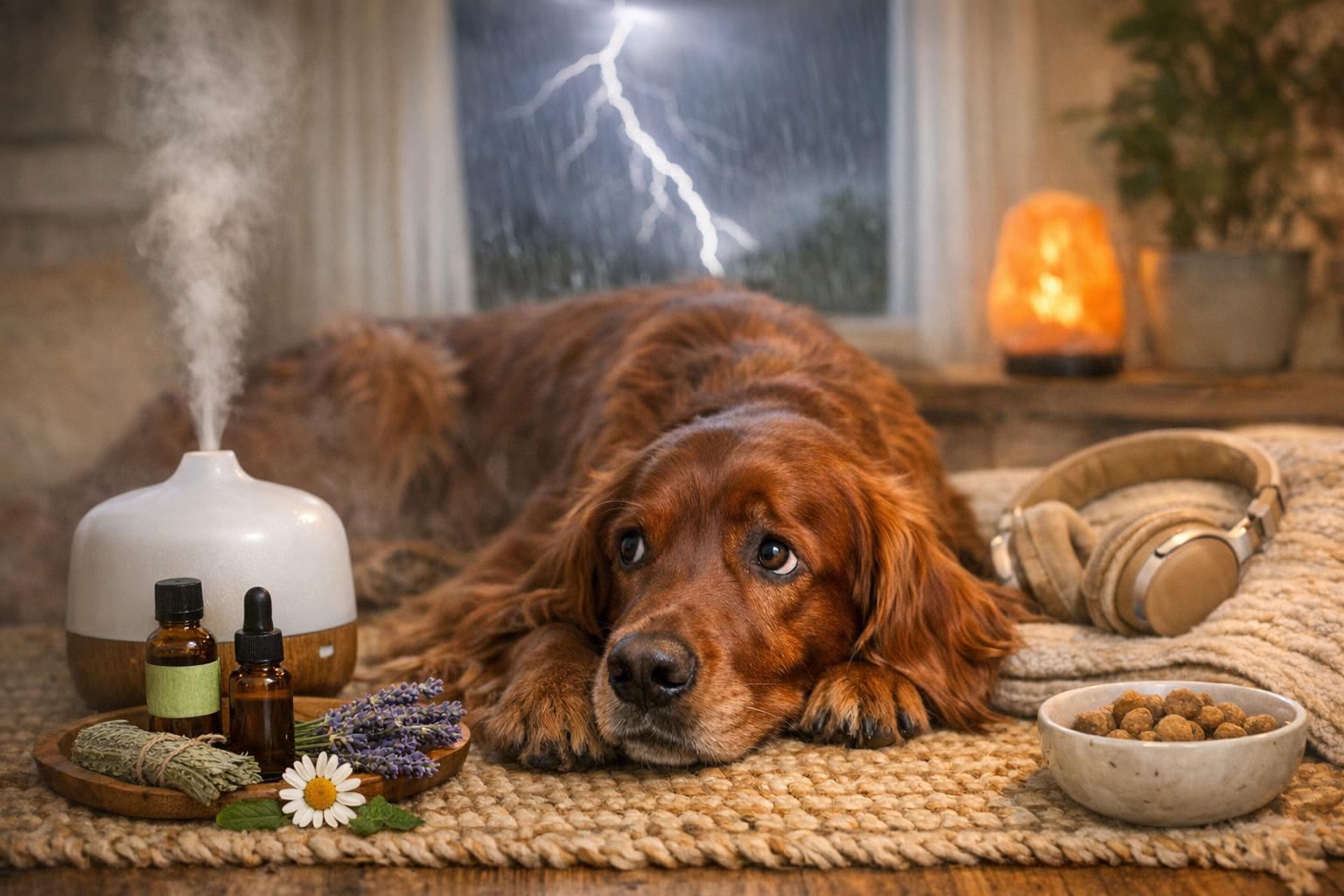
Dogs can be absolute clowns one minute and shaking little marshmallows the next when thunder, fireworks, or even the neighbor’s backfiring lawn mower shows up. If you’ve landed here, you’re likely looking for calm, practical and natural ways to help your pup cope. This guide walks you through safe at-home dog noise phobia treatment strategies that are low-cost, practical, and kinder than hiding in the closet with them every time a car backfires.
## Dog Noise Phobia Treatment: What It Is
Noise phobia is more than just disliking a sound; it’s an intense, often irrational fear response that can include panting, trembling, pacing, drooling, escape behaviors, and even self-injury. Understanding the difference between noise aversion and full-blown phobia is part of successful dog noise phobia treatment. Aversion might be temporary and mild; phobia is persistent, severe, and can worsen without intervention.
### How Dogs Experience Noise
Dogs perceive sound differently than we do. High-frequency noises and sudden loud bangs can be more piercing for them. Genetic predisposition, poor early socialization, and a dog’s previous traumatic experiences all play roles. Early recognition and gentle, consistent treatment are essential components of effective dog noise phobia treatment.
## Remedy 1: Counterconditioning And Desensitization
This is the behavioral gold standard for dog noise phobia treatment. It changes the dog’s emotional response to a trigger by pairing the trigger with something positive and gradually increasing exposure.
### Materials Needed
– High-quality, high-value treats (soft, small bites)
– A portable speaker or phone with volume control
– Recorded noises (thunder, fireworks, vacuum; downloadable and adjustable)
– A clicker (optional)
– A quiet space where you won’t be interrupted
### Step-By-Step Creation And Application
1. Baseline And Prep: Assess your dog’s reaction to the sound at normal volume. Don’t push them into panic. Choose a starting volume that elicits little to no reaction.
2. Pairing: Play the sound at that low volume for 3–5 seconds, then immediately offer a handful of high-value treats. Repeat 8–12 times per short session. Keep sessions short and positive.
3. Increase Slowly: Gradually raise the volume over days to weeks—only advance when your dog remains relaxed at the current level. If anxiety increases, lower the volume.
4. Vary Context: Practice in different rooms, at different times, and with different caregivers so the new calm response generalizes.
5. Shameless Praise: Add gentle petting or a favorite toy to boost the positive association. If using a clicker, click at the exact moment you deliver the treat to mark the calm behavior.
6. Maintenance: Keep occasional practice sessions to reinforce progress. This treatment can take weeks to months depending on severity.
Follow this plan consistently; counterconditioning and desensitization are evidence-based components of dog noise phobia treatment and work best when applied methodically.
## Remedy 2: Safe Space And Pressure Wrap (DIY Thundershirt Alternative)
Many dogs find comfort in a snug, den-like space and gentle, consistent pressure. A DIY pressure wrap combined with a safe space can reduce panic and give your dog a place to retreat.
### Materials Needed
– A crate or quiet corner with familiar bedding
– Thick blankets or a crate cover
– A snug-fitting canine anxiety wrap or materials to make one: an old T-shirt, stretchy bandage, or soft yoga strap
– Optional: calming pheromone spray or diffuser near the safe space
### Step-By-Step Creation And Application
1. Create A Den: Place the crate or chosen spot in a low-traffic, quiet area. Add bedding, a worn T-shirt that smells like you, and a favorite toy.
2. Make A Pressure Wrap: Cut the lower half of an old T-shirt to make a tube that slides easily over your dog’s torso. Alternatively, use a stretch bandage or yoga strap to create gentle, even pressure across the chest and ribcage.
3. Fit And Test: Slide the wrap on while your dog is calm. It should be snug but not restrictive—enough to feel comforting without impeding breathing or movement. Observe for signs of discomfort.
4. Conditioning: Put the wrap on during quiet times and pair it with treats and praise so the dog associates it with calm moments. Never force the wrap during a panic; introduce it progressively.
5. Use During Events: When noise events are predictable (e.g., fireworks), have the wrap and safe space ready before the event starts.
This form of dog noise phobia treatment provides immediate physical comfort and complements behavioral work.
### H3: Notes On Safety And Use
Avoid wrapping too tightly or leaving the wrap on unsupervised for long periods. If your dog shows agitation, skin irritation, or difficulty breathing, remove the wrap immediately.
## Remedy 3: Calming Aromatherapy And Herbal Aids
Aromatherapy and mild herbal aids may help reduce baseline anxiety. Use them as adjuncts to behavioral training; they’re not standalone cures.
### Materials Needed
– Lavender or chamomile essential oil (high quality)
– Distilled water and a small spray bottle
– Unscented carrier oil (for topical blends)
– Cotton pads or a diffuser (plug-in or ultrasonic)
– Optional: veterinarian-recommended herbal supplements (e.g., chamomile, valerian, L-theanine)—consult your vet first
### Step-By-Step Creation And Application
1. Make A Calming Spray: In a clean spray bottle, mix 1 cup distilled water with 5 drops lavender essential oil and 3 drops chamomile. Shake before use.
2. Test And Use: Lightly mist the dog’s bedding and safe space (not directly on the dog). Observe for any irritation or adverse reaction. Keep the scent subtle.
3. Diffuser Use: If using a diffuser, choose the lowest setting and limit sessions to 30–60 minutes in a ventilated room. Place the diffuser away from your dog’s direct sleeping area.
4. Topical Calm: For a dab-on calming balm, mix 1 teaspoon carrier oil with 1 drop lavender oil. Apply a tiny amount to the outside of a bandana; do not apply oils directly to the dog’s skin without vet approval.
5. Supplements: If considering oral supplements, consult your veterinarian for appropriate dosing and interactions. Use reputable brands and vet guidance.
When applied carefully and sparingly, aromatherapy can be a subtle supportive element in a broader dog noise phobia treatment plan.
## When To Combine Remedies And How To Prioritize
It’s often most effective to combine approaches: behavioral work (remedy 1) as the backbone, with a pressure wrap (remedy 2) for acute episodes and aromatherapy (remedy 3) for baseline support. Prioritize desensitization and counterconditioning as first-line dog noise phobia treatment strategies. Use physical and herbal aids to enhance comfort and reduce immediate distress, especially during predictable events.
### H3: Signs You’re Making Progress
Progress is gradual. Look for these signs:
– Reduced pacing and trembling during low-level noise exposure
– Ability to rest or be distracted during previously triggering sounds
– Faster recovery after a noise event
## When To Seek Professional Help
If your dog’s panic includes escape attempts, destructive behavior, or self-injury, escalate care. Veterinary behaviorists and certified trainers can offer prescription medications or intensive behavior modification programs that accelerate improvement. Combining professional oversight with at-home dog noise phobia treatment techniques often yields the best outcomes.
### H4: Questions To Ask A Professional
– What medical causes should we rule out?
– Is medication advisable short-term or long-term?
– Can you design a desensitization program tailored to my dog?
– Should I continue these home remedies alongside professional treatment?
Adopting a cooperative plan with a vet and trainer ensures safety and maximizes the chances of calming your dog for good.
## Practical Tips And Lifestyle Adjustments
Noise phobias can be triggered by sudden, unpredictable events. Some small lifestyle adjustments make home life calmer: schedule walks during quieter times, create consistent pre-noise routines, and keep ID tags and microchips up to date in case a frightened dog bolts. Remember: gentle, consistent practice beats heroic short-term fixes. You didn’t adopt a dog to run a firework festival survival camp, but with patience and the right dog noise phobia treatment plan, you’ll both sleep easier on noisy nights.


























Leave a Reply