

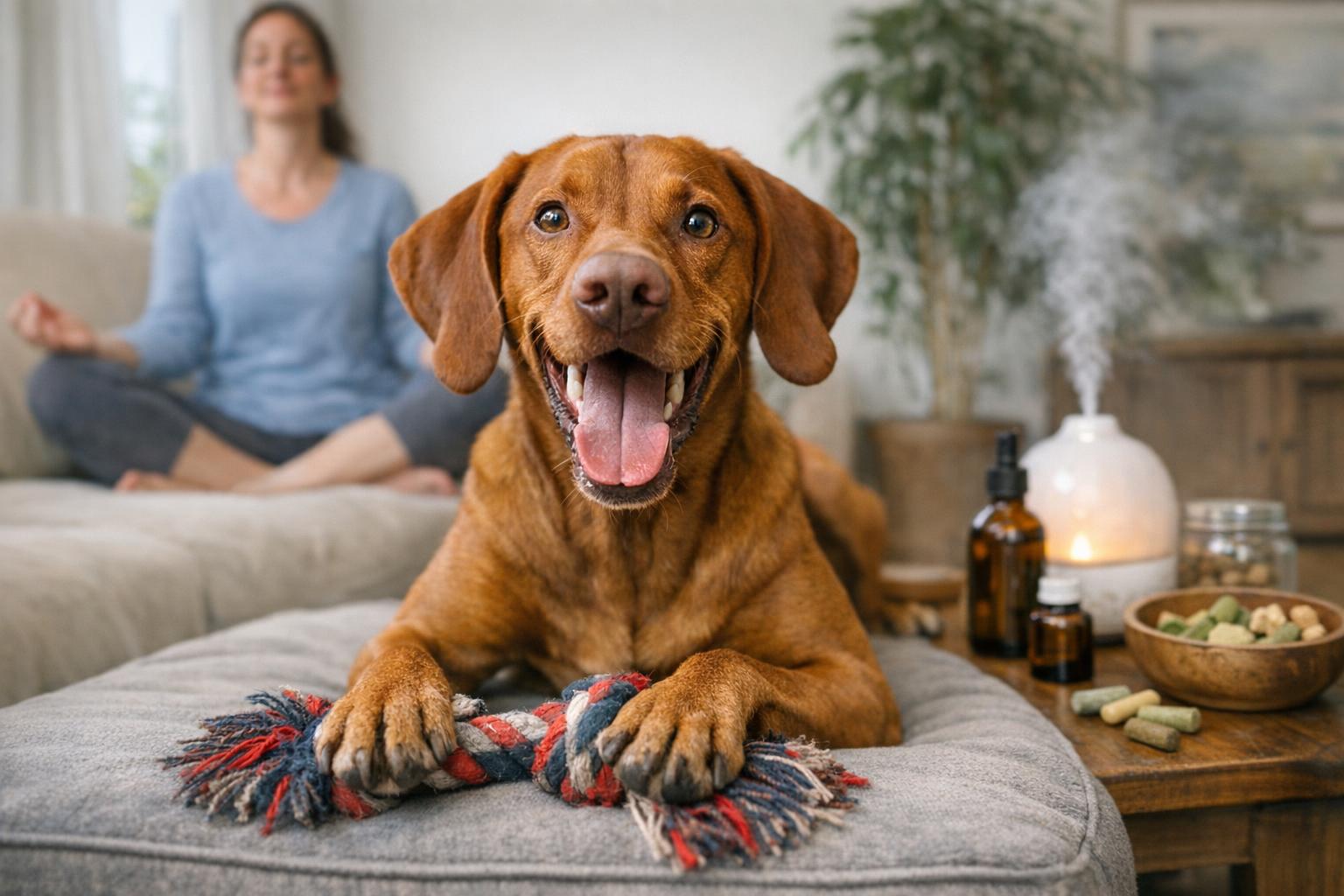
If your dog bounces off walls like a caffeinated kangaroo, you’re in the right place. Hyperactivity in our furry friends is a mix of boundless love, too much energy, and sometimes an underlying issue that needs a gentle, practical response. Whether you suspect your pup really is one of those “dogs with adhd” types or they’re simply under-stimulated, this guide offers natural, do-it-yourself remedies and daily habits to encourage calm energy—without turning your living room into an agility course.
## Dogs With Adhd: Understanding The Diagnosis
Veterinarians don’t formally diagnose “ADHD” in the same way human clinicians do, but the phrase is commonly used by owners to describe dogs with relentless energy, impulsivity, and difficulty settling. Many breeds are predisposed to high activity levels, and behavior that looks like ADHD can also be caused by insufficient exercise, inconsistent training, anxiety, poor diet, or medical problems (like thyroid imbalance). If you’ve got one of those dogs with adhd tendencies, a combination of enrichment, structure, and health checks usually helps more than just scolding or extra treats.
### Signs That Point Toward Hyperactivity Rather Than Normal Playfulness
Look for these patterns: inability to settle for more than a few minutes, speed and impulsiveness during walks, difficulty following basic commands even after training, and destructive behavior when left alone. Note whether the behavior is new or longstanding; sudden changes should prompt a vet visit.
### Medical Issues To Rule Out First
Before trying home remedies, consider screening for thyroid problems, pain, sensory issues, or neurological conditions. A simple checkup can rule in or out underlying causes and prevent wasting time on strategies that won’t help.
## Why Activity, Routine And Diet Matter
Dogs thrive on predictability. A predictable schedule for walks, meals, and play helps regulate energy and reduces anxiety-driven hyperactivity. Nutrition also matters: high-carbohydrate, sugary treats can spike energy, as can sudden changes in feeding. Balanced meals, consistent meal times, and limiting free-feeding often produce calmer behavior.
### Sleep And Environment
A calm environment—quiet sleeping areas, comfortable bedding, and reduced nighttime stimulation—helps your dog recover energy. Overstimulation during daytime (constant visitors, loud noises, unstructured activity) contributes to chronic hyper-reactivity.
## 3 Natural Remedies For Hyperactive Behavior
Below are three practical, at-home remedies. The instructions are intentionally detailed so you can implement them safely and effectively. Before starting any herb, supplement, or new routine, consult your veterinarian, especially if your dog takes medication or has health issues.
### 1. Enrichment Treat Puzzle (Mental Exercise And Slow Feeding)
This is both a game and a focus tool: mental work tires dogs out as much as physical exercise.
Ingredients/Materials:
– A durable puzzle feeder or homemade puzzle (muffin tin + tennis balls works)
– Healthy, small training treats or kibble
– Optional: smelly treats like small pieces of cooked chicken for higher-engagement sessions
Step-by-Step Creation and Application:
1. Choose the feeder: Use a commercial puzzle feeder or place kibble/treats in a muffin tin and cover each cup with a tennis ball.
2. Fill the feeder with an appropriate daily portion of kibble mixed with a few high-value treats.
3. Introduce the puzzle calmly: demonstrate by letting your dog see you remove one treat, then encourage them to try.
4. Set a 10–20 minute enrichment session once or twice daily after walk or training to channel energy into problem-solving.
5. Monitor engagement and adjust difficulty—if your dog breezes through it, increase complexity by hiding treats under towels or using a more challenging feeder.
Application Notes: Use this as a meal replacement or to disperse a portion of their daily food to prevent calorie overload. Mental fatigue reduces hyperactivity and helps with impulse control.
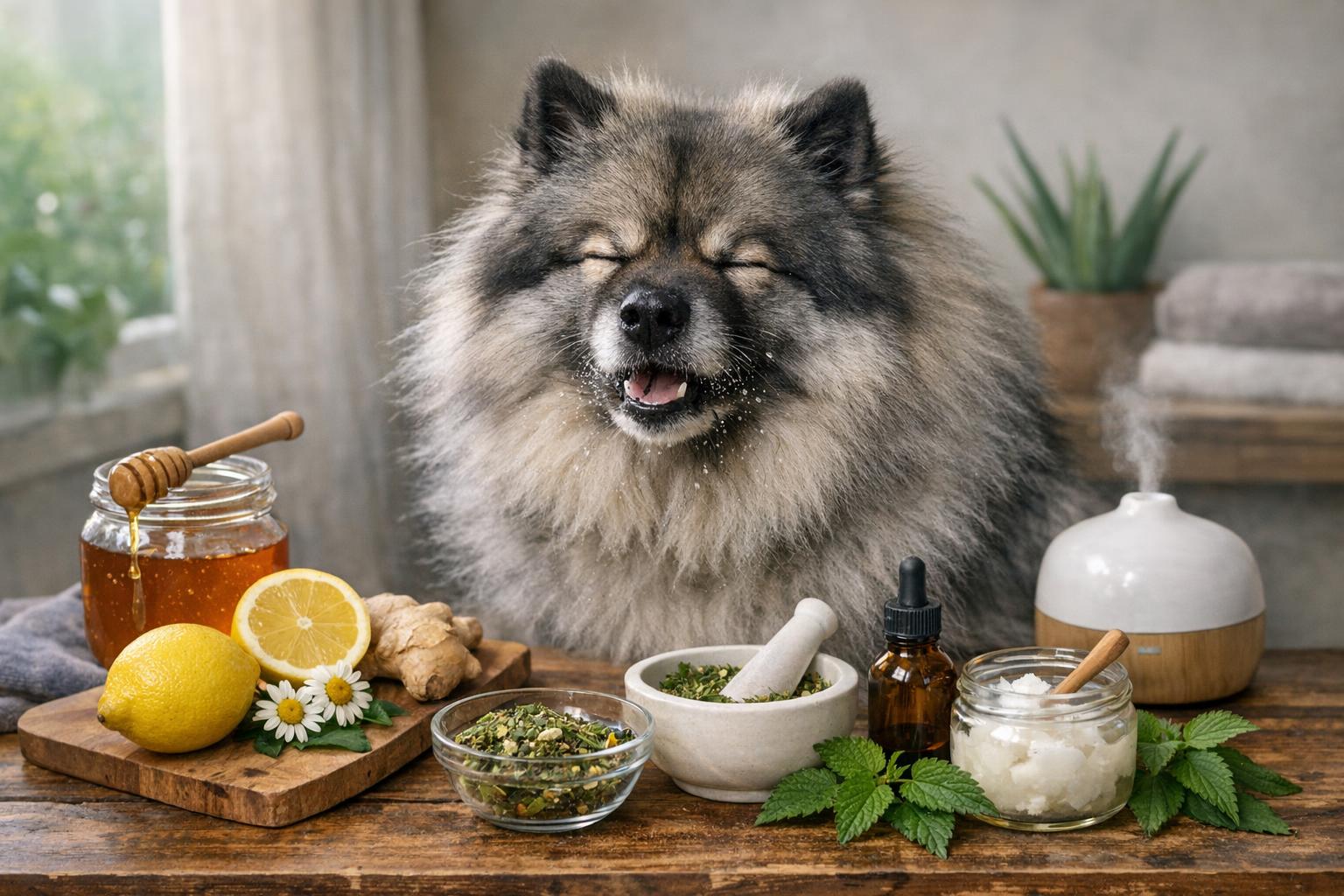
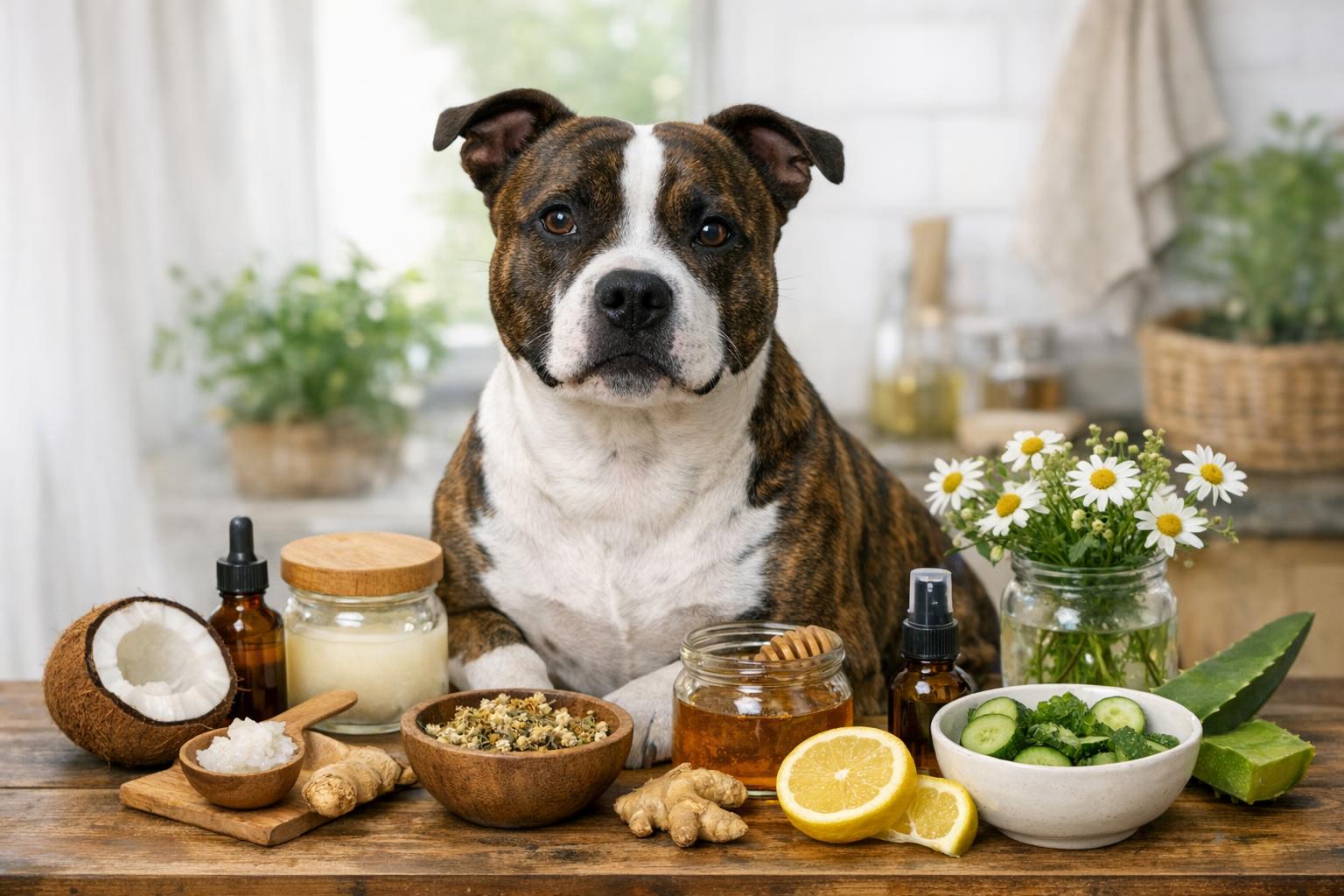
### 2. Calming Herbal Spray (Topical/Environmental Soothing)
A modest, well-diluted herbal spray can help create a calmer environment. This is not a sedative and should not replace training or medical advice.
Ingredients/Materials:
– 2 cups strong chamomile tea (cooled)
– 1 cup distilled water
– 3–5 drops lavender essential oil OR 1 tablespoon lavender hydrosol (use hydrosol if you’re concerned about essential oils)
– Clean spray bottle (glass recommended)
– Funnel and mixing spoon
Step-by-Step Creation and Application:
1. Brew chamomile tea double strength; cool completely to room temperature.
2. Combine the tea and distilled water in the spray bottle using a funnel.
3. Add lavender hydrosol or, if using essential oil, add only 3 drops and shake vigorously to disperse (essential oils are potent; less is safer).
4. Label the bottle with contents and date. Store in the refrigerator for up to 7–10 days.
5. Application: Lightly mist bedding, a favorite blanket, or the floor near resting areas once or twice daily or before a potentially stressful event (veterinary visits, thunderstorms). Avoid spraying directly on the dog’s fur or face—use on surrounding environment.
Safety Notes: Always patch-test scents in the environment and observe for any signs of respiratory discomfort or skin sensitivity. If your dog has respiratory disease or is highly sensitive to smells, skip this remedy.
### 3. Structured Exercise Plan (Physical Outlet For Excess Energy)
Formalized exercise reduces hyperactivity by meeting the dog’s physical needs reliably.
Ingredients/Materials:
– Leash and harness or collar
– Ball or favorite fetch toy
– A safe area for off-leash running if available (fenced yard, park)
– Stopwatch or phone timer
Step-by-Step Creation and Application:
1. Assess baseline: Note how long your dog naturally tires—short bursts or sustained runs?
2. Create a daily schedule: Aim for at least two structured sessions: one high-intensity (20–30 minutes of fetch, running, or agility) and one moderate walk (30–45 minutes) focusing on loose-leash walking and obedience.
3. High-intensity session: Use interval play—5 minutes warm-up walk, 15–20 minutes of active play with short rest breaks (fetch intervals of 1–3 minutes), and 5 minutes cool-down walk.
4. Moderate session: Focus on training during the walk—sit at curbs, focus exercises, heel work, and scent games to reduce impulsivity.
5. Consistency: Schedule sessions at the same time each day to build routine and predictability.
Monitoring: Adjust duration and intensity based on age, breed, and health. Puppies and seniors require modified plans.
## Training Tips And Daily Routine For Calm Energy
Implement short, consistent training drills multiple times per day. Think of it as mental gymnastics: two to three 5-minute obedience or impulse-control sessions are often more effective than one long session. Teach “place” or “settle” with a mat and reward calm behavior. Use positive reinforcement: reward calmness, not just movement. If your dog spins or jumps, turn away until they resume a calm posture, then reward.
### Incorporating Quiet Time And Rewarding Calmness
Designate a “calm corner” with comfortable bedding and low light. Reward your dog with a gentle voice and small treats when they choose to relax there. Over time, they’ll learn calm behavior gains attention and small rewards, which lowers the incentive for hyperactivity.
### Professional Help: When To See A Vet Or Behaviorist
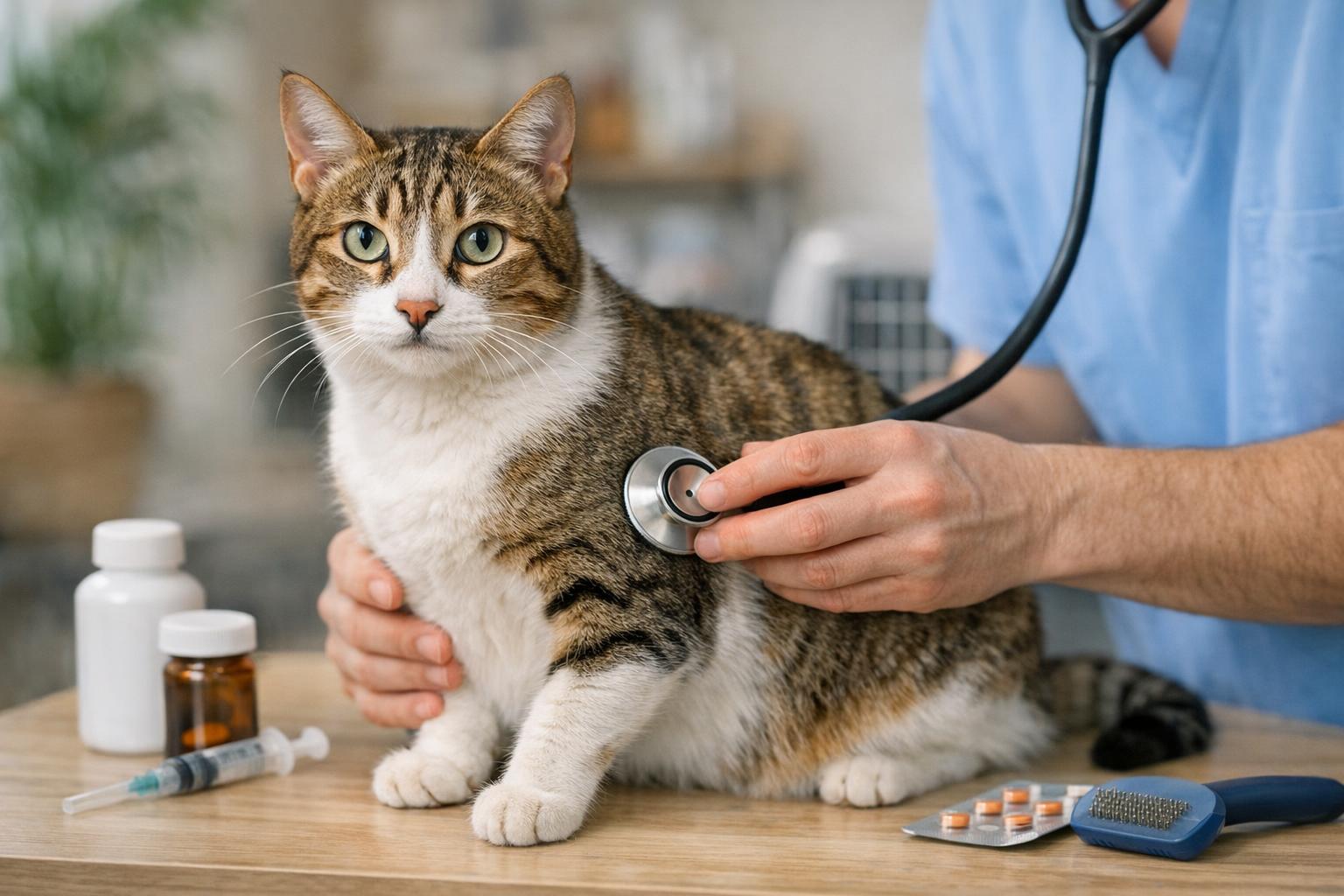
If behavioral strategies and natural remedies don’t reduce hyperactivity, or if the behavior suddenly worsens, consult your veterinarian first for medical screening. If medical causes are ruled out, a certified animal behaviorist can create a tailored behavior modification plan. For some dogs, medication combined with behavior therapy is the most humane, effective approach—especially when safety or severe anxiety is involved. Many clients with dogs with adhd-like behaviors see the fastest improvements when they pair veterinary guidance with consistent home-based routines.
#### Safety And Monitoring
Always monitor for side effects when introducing herbs, scents, or supplements. Keep a diary of behaviors, exercise, food changes, and remedy use to share with your vet or behaviorist. This makes it easier to spot correlations and refine your approach.
Keep experimenting with patience; some dogs change quickly with structure, others need a month or two of consistent practice before you see big shifts. If your houseplants could talk, they’d probably ask you to be kinder to your dog’s hyper instincts—after all, those sprints are just enthusiasm in motion.









Leave a Reply