






If you love your dog (and I assume you do, because you’re reading this), heartworm prevention is one of those adulting tasks that’s less glamorous than treats and belly rubs but way more important. Below are practical, home-friendly tips that pair common-sense mosquito control with the non-negotiable veterinarian-prescribed approaches. A little elbow grease at home goes a long way toward keeping your pup safe and comfy.
## Heartworm Prevention For Dogs: Vet-Recommended Steps
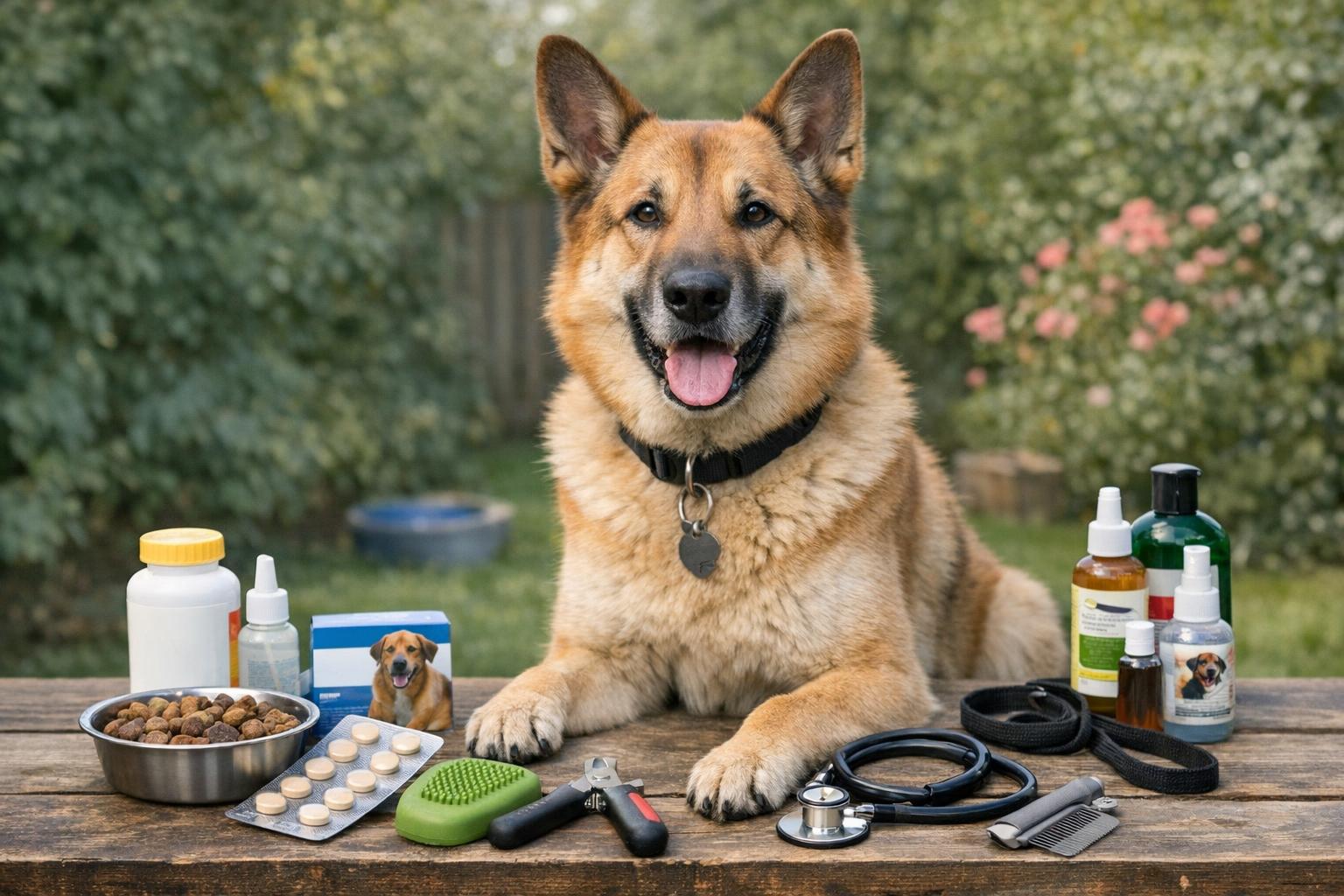
Heartworm prevention for dogs starts with your veterinarian. Heartworms are spread by mosquitoes carrying microscopic larvae; once inside a dog, those larvae mature into adult worms that live in the heart and lungs. The only reliably effective way to prevent disease is through approved preventives and regular screening.
### Importance Of Annual Testing
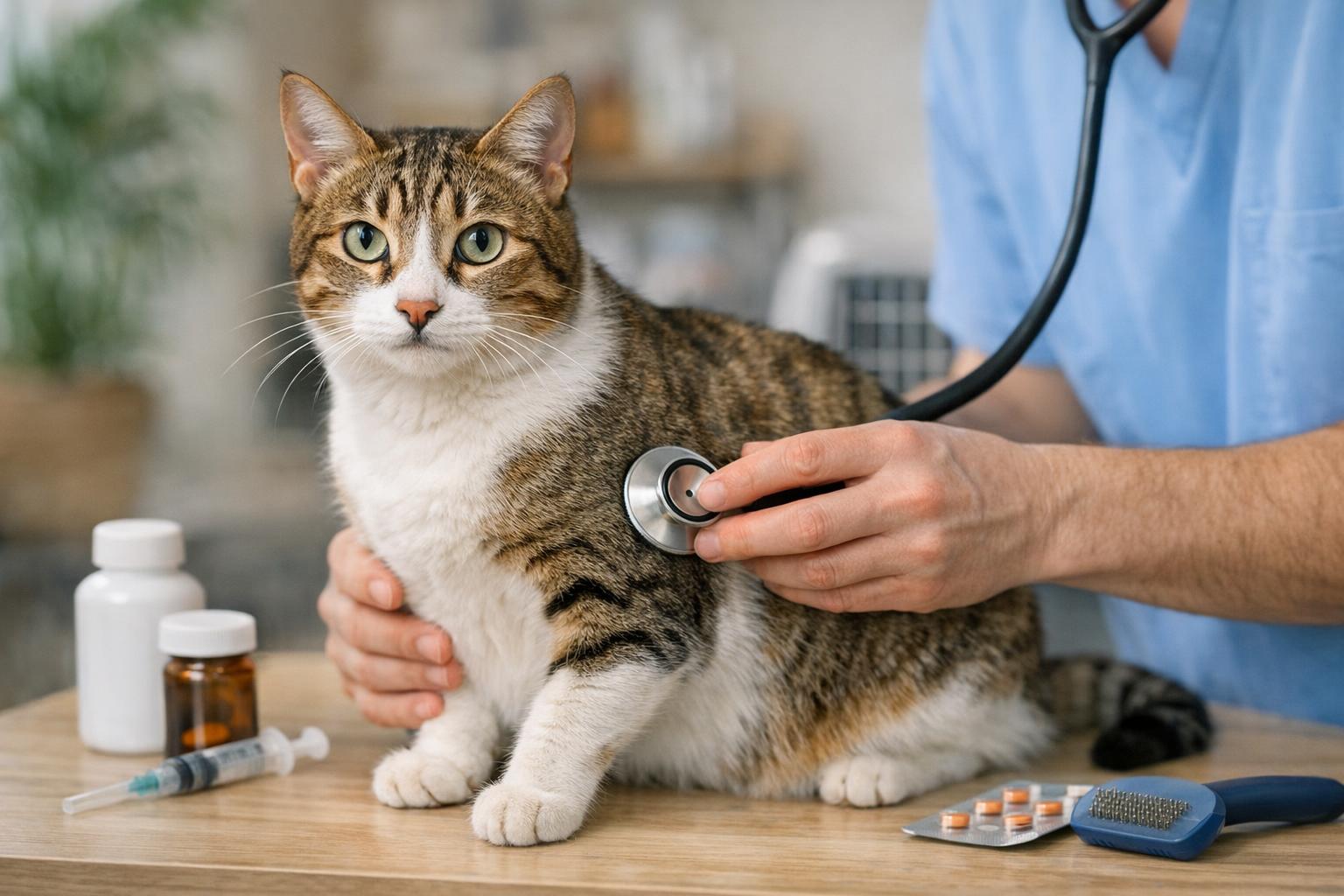
Before starting or continuing monthly preventive medication, dogs should be tested for existing infection. Administering preventives to a dog with adult heartworms can cause complications. Ask your vet about antigen testing and, if recommended, microfilaria testing. These checks are typically annual but may be more frequent for dogs with previous lapses in treatment.
### Approved Preventive Options
There are several veterinarian-prescribed forms of heartworm prevention for dogs:
– Monthly oral tablets (e.g., ivermectin-based or milbemycin oxime formulations).
– Monthly topical preventives that also protect against fleas and intestinal parasites.
– Long-acting injectable moxidectin (ProHeart), given by a vet every six or twelve months depending on the product and local guidelines.
Follow your vet’s dosing schedule precisely. Missed doses reduce protection and increase risk. Keep proof of purchase or a medication calendar to avoid accidental lapses.
## Home Environment Strategies To Reduce Mosquito Exposure
Reducing mosquito numbers around your home lowers the chance of heartworm transmission. These measures are safe, practical, and complementary to veterinary preventives.
### Yard And Property Maintenance
– Eliminate standing water: empty kiddie pools, plant saucers, clogged gutters, bird baths, and any receptacle that holds water longer than a week.
– Keep grass mowed and shrubbery trimmed to reduce cool, humid mosquito resting spots.
– Consider installing or repairing window and door screens to keep mosquitoes out of the house.
### Timing And Outdoor Habits
Mosquitoes are most active at dawn and dusk. Avoid long outdoor play sessions during these peak times when possible. If evening walks are unavoidable, keep them brisk and stick to well-lit, breezy routes where mosquitoes are less comfortable.
## Remedy 1: DIY Mosquito Trap
This remedy focuses on reducing local mosquito populations and is intended as a supplemental control—not as a replacement for veterinary heartworm prevention for dogs.
Ingredients / Materials:
– 1 plastic 2-liter bottle (clean and dry)
– 1 cup brown sugar
– 1 cup warm water
– 1 teaspoon active dry yeast
– Scissors or a utility knife
– Black tape or cloth (optional, to attract mosquitoes)
Creation And Application (Step-By-Step):
1. Cut the plastic bottle in half horizontally using scissors or a utility knife. Exercise caution when cutting.
2. Dissolve the brown sugar into the warm water and let it cool to room temperature.
3. Pour the cooled sugar water into the bottom half of the bottle.
4. Sprinkle the active dry yeast into the sugar-water mixture. The yeast produces carbon dioxide, which attracts mosquitoes.
5. Invert the top half of the bottle (cap removed) and place it into the bottom half, creating a funnel into the bait.
6. Optionally wrap the bottle in black tape or cloth (mosquitoes are attracted to darker colors). Place the trap in a shaded, sheltered outdoor location away from where your dog usually plays—this helps draw mosquitoes away from your pet.
7. Check the trap every few days. Replace the mixture weekly or when full of trapped insects. Clean and refill as needed.
This trap is low-cost and chemical-free. It reduces local mosquito numbers but will not eliminate them, so continue veterinarian-prescribed heartworm prevention for dogs.
## Remedy 2: Mosquito-Repelling Plant Barrier (Potted Plants)
Using mosquito-repelling plants around patios and doorways can create a modest deterrent in areas where your dog spends time. This approach is an adjunctive, environmentally friendly layer—again, not a substitute for medical prevention.
Ingredients / Materials:
– Potted lavender, lemon balm (Melissa), marigolds, basil, or catnip (confirm cat safety if you have cats)
– Suitable pots and potting soil
– Watering can and standard garden tools
– Sun-appropriate placement areas (most of these plants prefer full sun to partial shade)
Creation And Application (Step-By-Step):
1. Select two or more of the suggested plants to create variety and broader appeal against mosquitoes.
2. Plant each selection in a pot with fresh potting soil and place the pots near high-traffic outdoor areas like porches or near dog doors.
3. Maintain regular watering and pruning. Many aromatic compounds that repel mosquitoes are released from crushed leaves, so occasional gentle bruising of leaves (by rubbing during pruning) may increase efficacy.
4. Re-pot as needed each season and replace plants that decline.
These plants are safe for the environment and contribute to a more pleasant outdoor space. Note: some plants like lemon balm and catnip can be attractive to dogs if ingested; monitor your pet and place pots out of reach if necessary.
## Practical Administration Tips For Owners
Being consistent is the backbone of heartworm prevention for dogs. Here are some practical, user-friendly steps to help you stay on track.
### Medication Management
Use a single, reliable system to track dosing: a smartphone reminder, a paper calendar on the fridge, or a monthly pill organizer. Keep extra doses on hand but store them according to label instructions (many require room temperature away from moisture).
### Travel And Boarding Considerations
If your dog will be boarded or staying with a sitter, provide written instructions and the preventive medication along with the vet’s contact information. If you’ll be traveling to areas with heavy mosquito populations, consult your vet; increased vigilance or an alternative preventive strategy may be recommended.
#### Handling Missed Doses
If a monthly dose is missed, follow the medication label and contact your veterinarian for guidance. Some products require prompt administration plus an appointment to test for infection, particularly if multiple doses are missed.
## Recognizing Symptoms And When To See The Vet
Early detection of heartworm disease improves the chances for successful treatment. Symptoms can be subtle at first and include coughing, decreased exercise tolerance, weight loss, and lethargy. If your dog shows any of these signs, especially in a region where heartworm is common, seek veterinary evaluation promptly.
### Treatment Nuances
Treatment of established heartworm infection is complex, can be risky, and often requires several months of care, strict exercise restriction, and medications administered under veterinary supervision. This is another strong reason to prioritize reliable heartworm prevention for dogs.
## Insurance, Costs, And Why Prevention Pays
Treating heartworm is significantly more expensive and risky than prevention. Monthly preventives, when combined with the home measures outlined above (mosquito traps, plant barriers, and property management), represent the most cost-effective, humane approach to protect your dog. Check with pet insurance providers about coverage for testing and treatment, and speak to your vet about budget-friendly preventive options if cost is a concern.
Keep in mind that even excellent home measures cannot replace the protective effect of veterinarian-approved preventives. For peace of mind—and fewer sleepless nights imagining tiny worms doing cardiac yoga—stick with the proven medical route and use the at-home strategies as supportive measures.
































Leave a Reply