





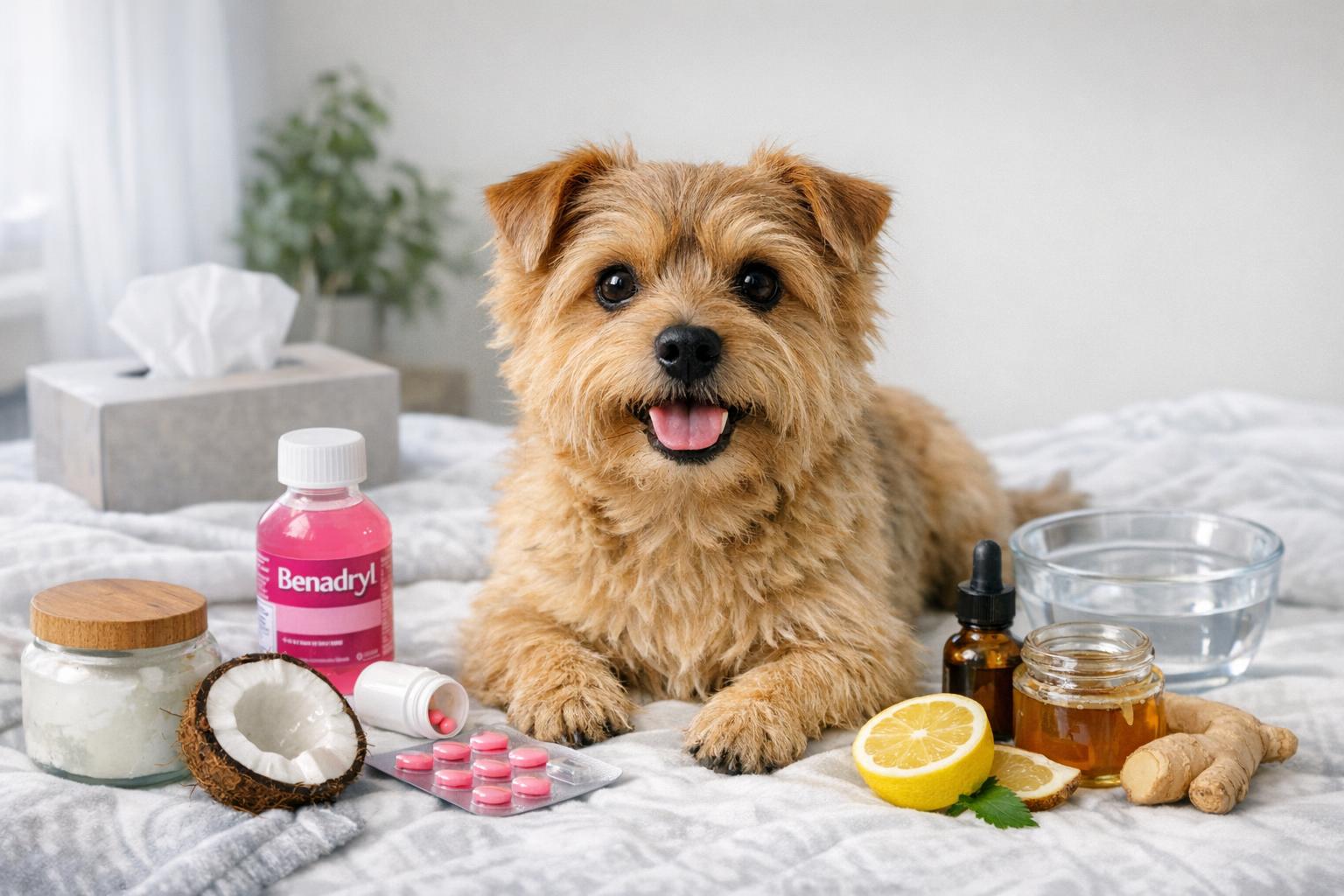
If your dog is suddenly doing a frantic scratch dance or developing red, puffy patches, it’s tempting to reach for a familiar human antihistamine. Benadryl is one of the most commonly suggested options for pet owners, but like anything involving medicine, a little knowledge goes a long way. This guide will walk you through practical, allergy-safe home remedies with a focus on how to use Benadryl responsibly — plus gentle alternatives if medication isn’t the best fit.
## 1. Benadryl For Dog Allergies: Safe Use And Dosing
When used correctly, diphenhydramine (the active ingredient in Benadryl) can reduce itching, swelling, and allergic responses in dogs. However, correct dosing, timing, and awareness of contraindications are essential.
### What Benadryl Does And When It Helps
Diphenhydramine is an antihistamine that blocks histamine receptors involved in allergic responses. It’s useful for:
– Acute allergic reactions (mild hives, insect bites)
– Seasonal or environmental allergies causing itching
– Reducing mild swelling associated with allergic responses
It is not a cure for chronic allergies or underlying infections — those need veterinary investigation.
### Typical Dosing Guidelines
A commonly recommended dose is 1 mg per pound of body weight (approximately 2 mg/kg), given every 8 to 12 hours. For example, a 25-lb dog would receive about 25 mg per dose. Many over-the-counter Benadryl tablets are 25 mg each, which makes math straightforward for most pets.
Be precise:
– Confirm the product concentration (tablets vs. liquid). Some liquid diphenhydramine formulations come at different mg/mL.
– Never exceed the recommended dose without veterinary direction.
– If your dog is on other sedatives, tranquilizers, or has complex health issues (e.g., glaucoma, prostate enlargement, severe heart disease, or certain thyroid problems), consult your veterinarian before administering.
### Materials/Ingredients For Administering Benadryl
– Benadryl tablets (25 mg) or an appropriate concentration liquid diphenhydramine
– Accurate scale or your dog’s vet-verified weight
– Pill pockets or a small bag of soft food to hide the tablet (optional)
– Syringe (if using liquid formulation) for precise dosing
### Step-By-Step Administration
1. Confirm your dog’s weight and calculate the dosage using the 1 mg per lb guideline.
2. Check the product label for active ingredient strength (e.g., 25 mg per tablet or X mg per mL liquid).
3. If using tablets, place the calculated number in a pill pocket or mix with a spoonful of wet food. If liquid, draw the exact volume into the syringe.
4. Offer the dose to your dog. If they resist, gently hold the jaw and place the tablet at the back of the tongue, then stroke the throat to encourage swallowing; follow with a small treat or water.
5. Monitor for side effects for several hours: sedation, dry mouth, urinary retention, or paradoxical hyperactivity in some dogs.
6. Repeat every 8–12 hours as needed, but do not exceed doses without veterinary guidance.
### Safety Notes And Side Effects
Benadryl for dog allergies is generally safe when used appropriately, but watch for:
– Excessive sedation or uncoordinated behavior
– Vomiting or diarrhea
– Rapid heart rate or breathing changes
– Signs of urinary difficulty in male dogs
If you notice any severe signs or the reaction worsens after dosing, contact your veterinarian or an emergency clinic immediately.
## 2. Soothing Oatmeal Bath For Itchy Skin
If you prefer a non-medicated approach or want to complement antihistamine use, a colloidal oatmeal bath can soothe irritated skin and reduce itch.
### Ingredients/Materials
– 1 to 2 cups of colloidal oatmeal (not simply crushed oats)
– Lukewarm water (bathtub or large basin)
– Towels and a soft brush (optional)
– A quiet, warm area for drying
### Step-By-Step Bathing Procedure
1. Fill the tub or basin with enough lukewarm water to wet the dog’s coat where the irritation is concentrated.
2. Sprinkle the colloidal oatmeal into the water and mix until the water turns milky.
3. Gently place your dog in the bath and soak the affected areas for 5–10 minutes. Use a soft brush to help distribute the oatmeal if your dog tolerates it.
4. Rinse lightly with lukewarm water, or for maximum soothing, leave a light residue and pat dry rather than a vigorous rinse.
5. Dry thoroughly and keep your dog warm until fully dry.
This gentle remedy helps moisturize skin, relieve itching, and reduce irritation without pharmaceuticals.
## 3. Cool Compress For Hives And Local Swelling
A quick, localized solution for recent insect bites or small hive patches: the cool compress.
### Materials
– Clean cloth or small towel
– Ice pack or a bag of frozen peas wrapped in the cloth
– Timer
### Application Steps
1. Wrap the ice pack or frozen peas in the cloth to avoid direct contact with skin.
2. Apply to the swollen or red area for 5–10 minutes.
3. Remove for 10–15 minutes, then reapply if needed.
4. Repeat as necessary for a few cycles, monitoring skin color and comfort.
This reduces inflammation and provides immediate, temporary relief.
## 4. Combining Home Remedies With Benadryl For Best Results
Using a multimodal approach is often most effective. For instance, administer Benadryl for systemic relief while following up with an oatmeal bath for skin comfort and cool compresses for localized swelling. Always maintain safe dosing intervals and monitor for interactions — some topical products combined with systemic antihistamines can increase sedation.
If you’re considering adding any additional OTC medications (e.g., pain relievers, other antihistamines), consult your veterinarian first. Using multiple antihistamines or combining with sedatives can be dangerous.
## 5. When To Call The Vet And Emergency Red Flags
Home remedies — including Benadryl for dog allergies — are useful for mild to moderate issues. But some situations require immediate professional care:
– Facial swelling involving the eyes, lips, or muzzle, or trouble breathing
– Rapid spread of hives, severe drooling, collapse, or fainting
– Persistent vomiting or diarrhea after a suspected allergic event
– Any signs of systemic distress after medication
– Allergic reactions in small dogs or those with known health issues
If your dog shows severe symptoms, call your emergency vet or a poison control center. Use Benadryl only as directed and primarily as bridge care until professional help arrives.
### Practical Tips For Safe Use
– Keep a small first-aid kit with measured Benadryl dosing info and the correct syringe for liquid formulations.
– Write down your dog’s weight and typical dose so guests or pet sitters don’t guess.
– Keep all human medications out of reach; accidental ingestion of large quantities can be dangerous.
– If your dog has chronic allergies, speak with your vet about long-term management plans, including allergy testing, immunotherapy, or prescription medications.
Using Benadryl For Dog Allergies can be a real relief — literally — for itchy, uncomfortable pets when used thoughtfully. Think of these home remedies as tools in a kit: some provide immediate comfort, others support skin health, and Benadryl can address systemic allergic responses when dosed correctly. When in doubt, make the call to your veterinarian — they’ve seen stranger scratch dances than yours.













Leave a Reply