





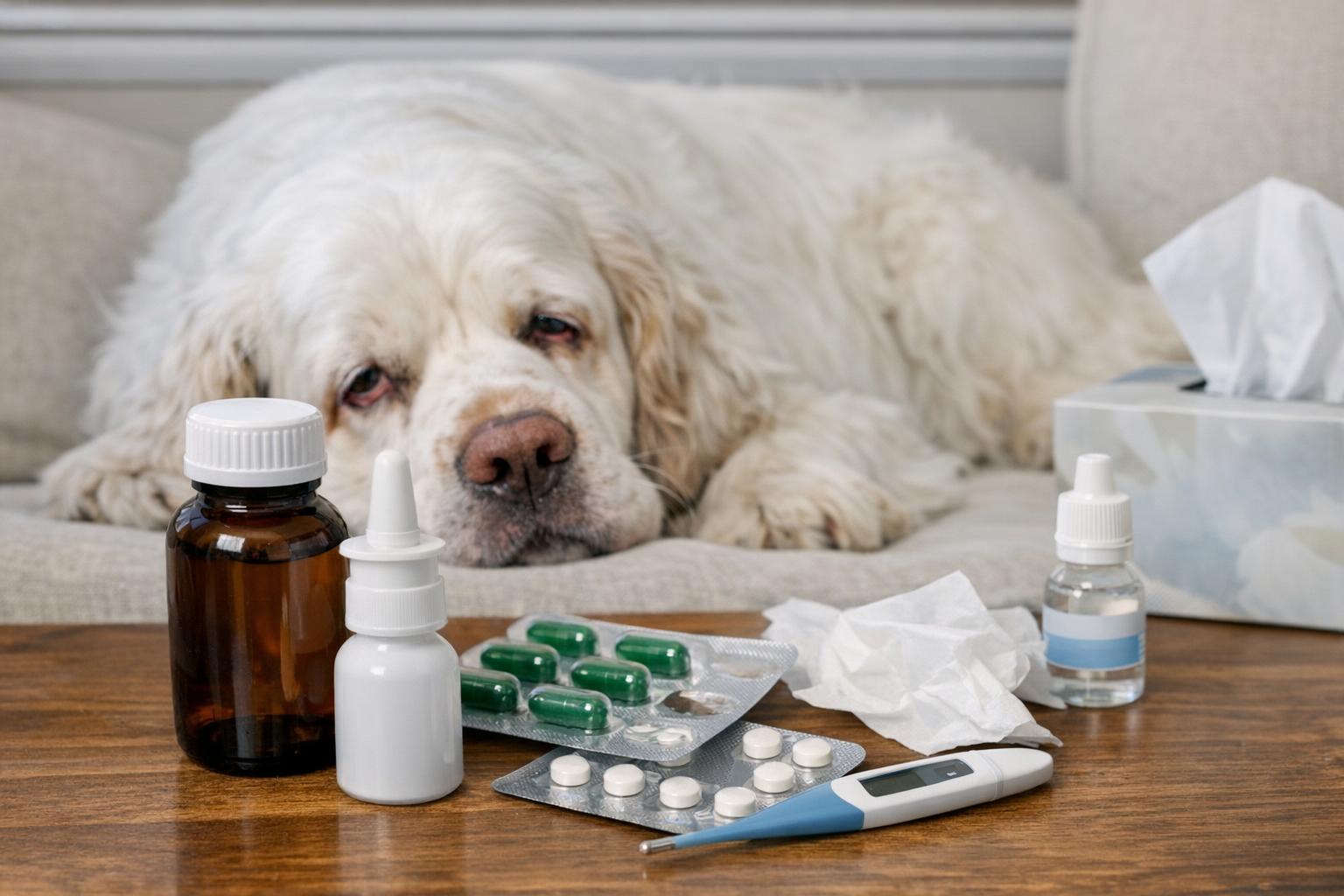
## Understanding Your Dog’s Allergies
Allergies in dogs can be a sneaky mix of itch, red skin, chewing paws, and the occasional drama queen head shake. Some pups react to pollen, dust mites, food ingredients, or even their own shampoo. Choosing the right antihistamine for dog allergy isn’t a one-size-fits-all job — and while a pill can help, it’s just one piece of the puzzle.
### Signs That Your Dog May Be Allergic
If your dog has repeated scratching, hot spots, ear infections, chronic licking of paws, or red, inflamed skin, allergies could be the culprit. Seasonal sneezes and watery eyes can also indicate environmental allergies. Keep a simple journal of when flare-ups happen — it’s surprisingly helpful at the vet.
### How Allergies Differ From Other Skin Issues
Not every itch is allergic. Parasites, infections, and hormonal issues mimic allergies. That’s why a vet visit is important before starting any long-term regimen such as regular antihistamine use. Many owners search “antihistamine for dog allergy” online for quick fixes, but confirm the diagnosis first.
## Antihistamine For Dog Allergy: What To Know
Antihistamines block histamine — a chemical your dog’s immune system releases during allergic reactions. They reduce itching, swelling, and redness but aren’t a cure. When used appropriately, antihistamines can make life more comfortable for your dog while you work on identifying triggers or starting longer-term therapies like immunotherapy.
### How Antihistamines Work In Dogs
Antihistamines attach to histamine receptors and prevent or reduce the effects of histamine release. They’re most effective for mild-to-moderate allergic itching and often work best when given before peak exposure (for example, during pollen season). Results can take a few hours to a few days depending on the drug and the dog.
### Common Antihistamine Options
When considering an antihistamine for dog allergy, the commonly used options include:
– Diphenhydramine (Benadryl) — sedating; useful for acute itching and allergic reactions
– Cetirizine (Zyrtec) — often well tolerated with once-daily dosing
– Loratadine (Claritin) — less sedating for some dogs
Each medication has an on-label/off-label status depending on your country and the specific product. Don’t use formulations that include decongestants (pseudoephedrine) or extra active ingredients unless directed by a vet. Never mix an antihistamine for dog allergy with other human drugs like pseudoephedrine, as that can lead to dangerous side effects.
### Side Effects And Safety Considerations
Most antihistamines are relatively safe but can cause:
– Sedation or drowsiness
– Dry mouth or urinary retention
– Increased heart rate or agitation in sensitive dogs
Some breeds or individual dogs may react oddly — senior dogs, pregnant dogs, dogs with glaucoma, heart disease, or enlarged prostates need special caution. Track response after any antihistamine for dog allergy so risks like sedation are caught early, and always follow your vet’s guidance.
### When To Call The Vet
If your dog shows facial swelling, difficulty breathing, collapse, or severe whole-body hives, treat it as an emergency. If an antihistamine for dog allergy seems to make things worse or if breathing is affected, contact your vet immediately. For chronic or recurring issues, your vet may recommend allergy testing, prescription medications, or specialist referral.
## 1) Over-The-Counter Antihistamine For Dog Allergy Protocol
Below is a responsible, stepwise approach to using OTC antihistamines for mild allergic itching. This is informational — your vet must sign off before administering medication.
#### Ingredients Or Materials
– Vet-approved antihistamine tablet (diphenhydramine, cetirizine, or loratadine as advised)
– Accurate scale for your dog’s weight (or recent vet weight)
– Pill cutter (if dose adjustment needed)
– Treats or pill pockets to help administration
– Notebook or app to record dose and response
– Emergency contact numbers (vet clinic and emergency hospital)
#### Step-By-Step Creation And Application
1. Consult Your Veterinarian: Provide your dog’s weight, medical history, current meds, and a description of symptoms. Ask whether an antihistamine for dog allergy is appropriate and which one to use.
2. Confirm Exact Dose: Use the vet-recommended mg/kg dosing. Example (for reference only — do not use without vet confirmation): diphenhydramine often falls in a range, and cetirizine may be given once daily. Confirm the exact tablet strength and how many tablets are required.
3. Prepare The Dose: If a tablet needs dividing, use a pill cutter for accuracy. For liquid formulations, measure precisely with an oral syringe.
4. Administer With Food: Giving the pill with a small treat or food can reduce stomach upset. Observe your dog for 30–60 minutes after the first dose.
5. Monitor And Record: Note any improvement or adverse effects in your notebook. If no improvement after 3–5 days, or if side effects appear, stop the medication and contact your vet.
6. Avoid Mixing Without Approval: Do not combine antihistamines with other over-the-counter meds, herbal supplements, or alcohol-containing products unless cleared by your vet.
Use this antihistamine for dog allergy protocol only after confirming the correct dose with your vet. This formalized approach reduces dosing errors and improves safety.
## 2) Soothing Oatmeal Bath For Irritated Skin
If medication alone isn’t enough or you prefer to add a topical, a colloidal oatmeal bath is a gentle, effective adjunct to antihistamine therapy.
#### Ingredients Or Materials
– Colloidal oatmeal powder (or plain rolled oats blended to a fine powder)
– Lukewarm water (not hot)
– Clean tub or basin large enough for your dog
– Soft towel for drying
– Optional: mild, hypoallergenic dog shampoo (unscented)
#### Step-By-Step Creation And Application
1. Prepare Oatmeal: If using rolled oats, blend until powdery and fine to create colloidal oatmeal. Measure about 1 cup of powdered oats per gallon of water.
2. Fill The Tub: Use lukewarm water and stir in the powdered oatmeal until the water looks milky.
3. Soak Your Dog: Gently place your dog in the tub, ensuring the coat is fully wetted. Allow your dog to soak for 5–10 minutes, massaging gently over itchy areas.
4. Rinse And Dry: Rinse lightly with lukewarm water (no harsh scrubbing). Pat dry with a towel and keep your dog warm until completely dry.
5. Frequency: Use 2–3 times weekly during flare-ups, or as recommended by your vet or dermatologist.
This remedy is supportive — if symptoms persist despite an antihistamine for dog allergy and soothing baths, pursue further vet evaluation.
## 3) Aloe And Coconut Oil Spray For Localized Irritation
For small itchy spots or hot spots, a simple aloe and coconut spray can provide cooling relief and help skin barrier recovery. This is not a substitute for veterinary care in infected or severe lesions.
#### Ingredients Or Materials
– Pure aloe vera gel (no alcohol or added fragrances)
– Fractionated coconut oil or pure coconut oil (liquid at room temperature)
– Distilled water
– Small spray bottle (sterilized)
– Measuring spoons
#### Step-By-Step Creation And Application
1. Mix Ingredients: In a clean container, combine 2 tablespoons of aloe gel, 1 tablespoon of coconut oil, and 1 cup of distilled water. Stir until blended. If coconut oil is solid, warm gently until liquid, then combine.
2. Fill Spray Bottle: Pour the mixture into a sterilized spray bottle and shake well before each use.
3. Test Patch: Spray a small amount on an uninvolved area and wait 15 minutes for any reaction.
4. Apply To Affected Areas: Lightly mist the irritated spots 1–2 times daily. Avoid open, oozing wounds; consult your vet first in those cases.
5. Storage: Keep refrigerated and discard after 7–10 days to avoid contamination.
If antihistamine for dog allergy doesn’t fully control symptoms, combining it with topical soothing measures such as this spray and the oatmeal bath often gives much better relief.
### Tracking Progress And When To Escalate
Keep a simple log: date, symptom notes, medication and dose, topical treatments, and any side effects. If after two weeks there’s little or no improvement, or if infections recur, ask your vet about allergy testing, prescription antihistamines, corticosteroids (short-term only), or allergy shots (immunotherapy).
### Practical Tips For Daily Comfort
– Use fragrance-free, hypoallergenic bedding and cleaning products.
– Wipe paws after walks during high-pollen months.
– Feed a balanced diet and consider omega-3 supplements (ask your vet) to support skin health.
– Regular grooming reduces environmental allergen load in the coat.
If at any point you believe your dog is suffering a severe reaction, do not delay — contact your veterinarian or emergency clinic. Antihistamine for dog allergy can be a helpful tool, but smart, safe use plus supportive home care is the real winning team.
























Leave a Reply