
## Stress Reduction: Signs Cats Are Stressed And Remedies
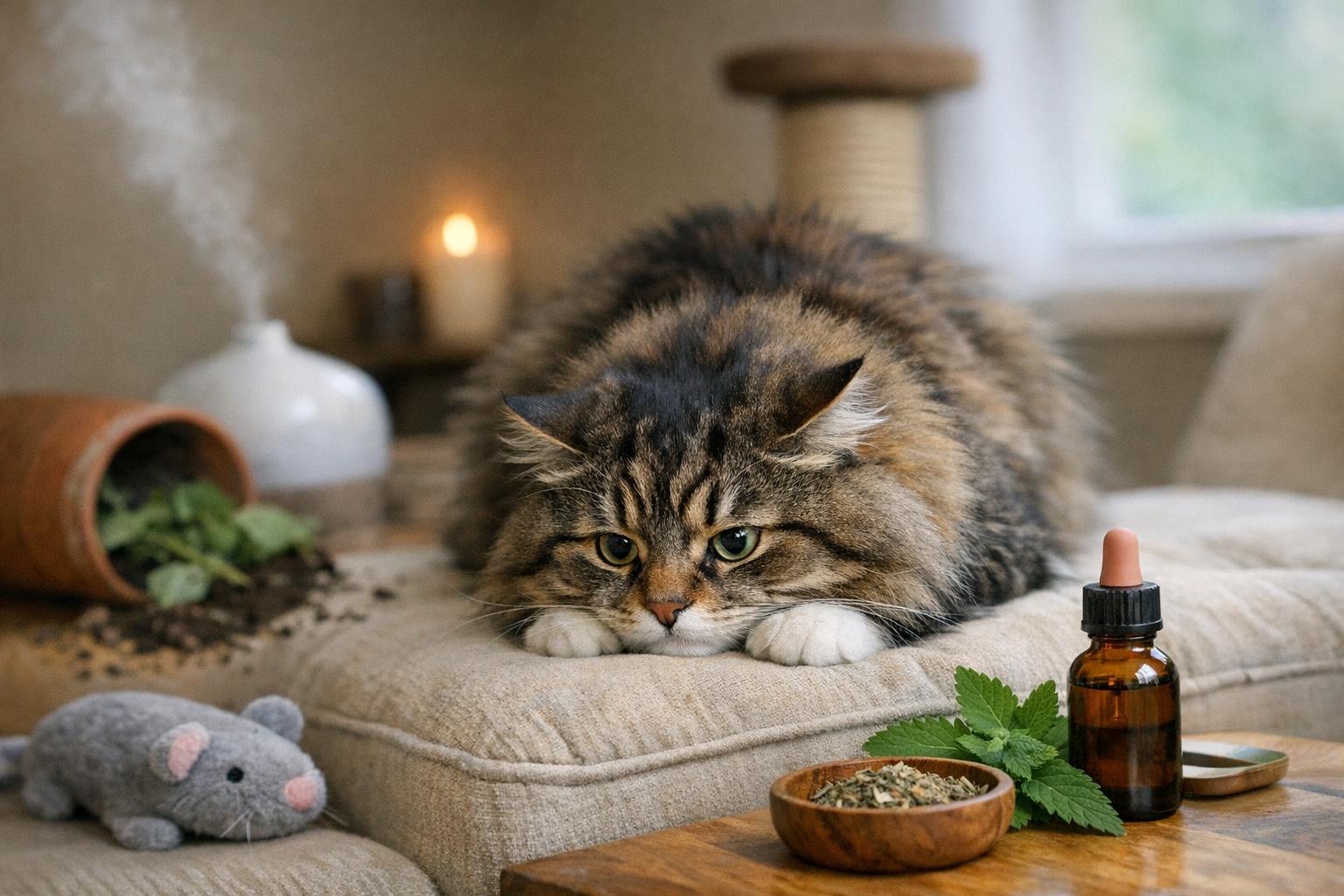
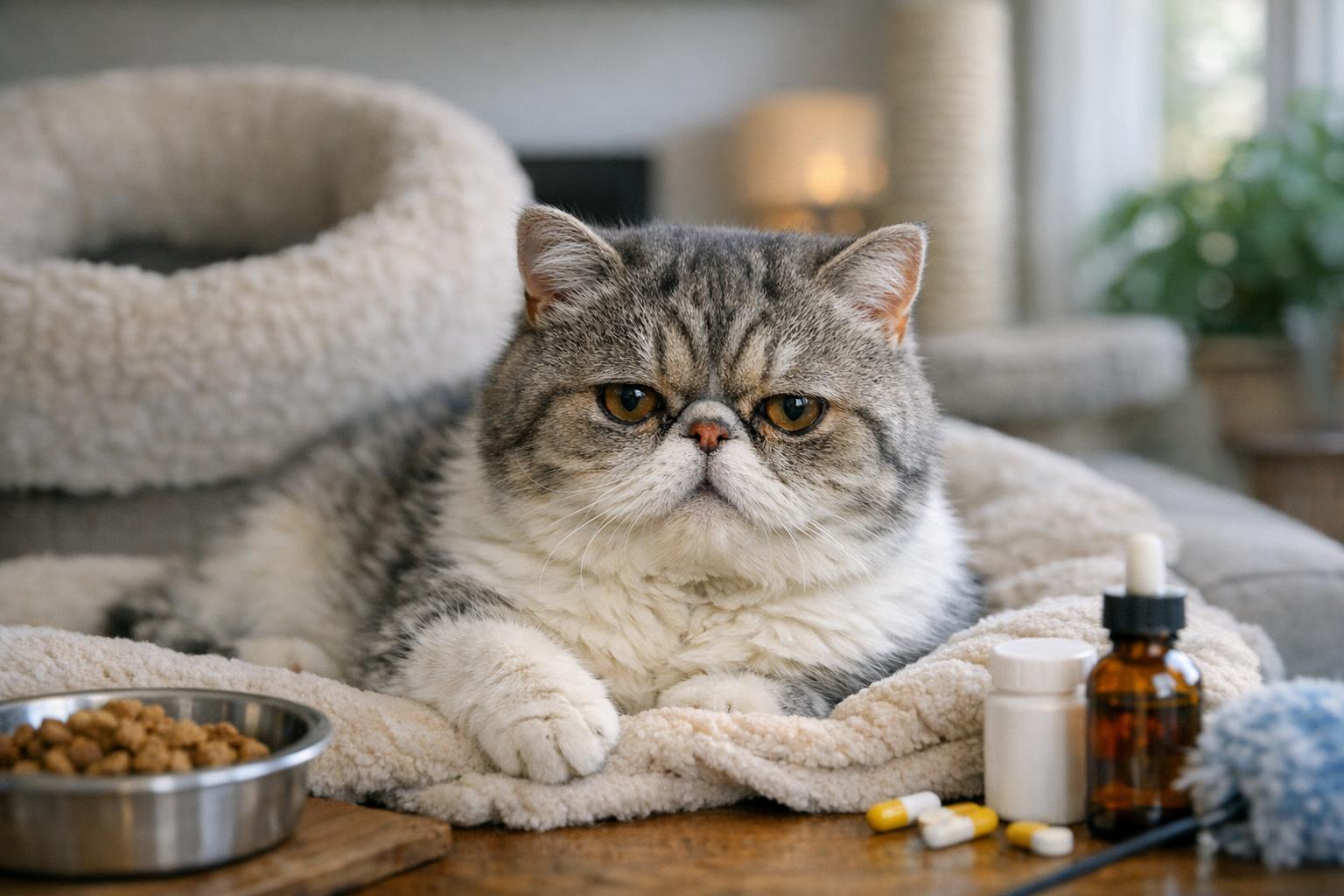
Cats are famously inscrutable, which makes spotting their emotional distress a bit like solving a cuddly crossword puzzle. If you’ve ever caught your feline giving you the side-eye while refusing the best salmon in the house, you might be noticing subtle cues. This guide helps you read those cues, explains common triggers, and offers three practical, mostly-natural remedies to reduce stress in cats. Expect a relaxed tone—plus a smidge of cat-logic humor—but when we get to remedies, the language tightens up so you can apply them correctly.
### Why Cats Mask Stress
Cats evolved as both predator and prey. Masking weakness helped them survive in the wild, and that instinct sticks around. So even when they feel anxious, your cat may act like everything’s fine. Understanding the silent signs and reading small behavior shifts is key to early intervention.
### Common Signs Cats Are Stressed
Recognizing signs cats are stressed early can prevent behavior problems and health issues. Stress in cats shows up in body language, grooming, eating, elimination, and interactions.
#### Changes In Grooming And Coat Condition
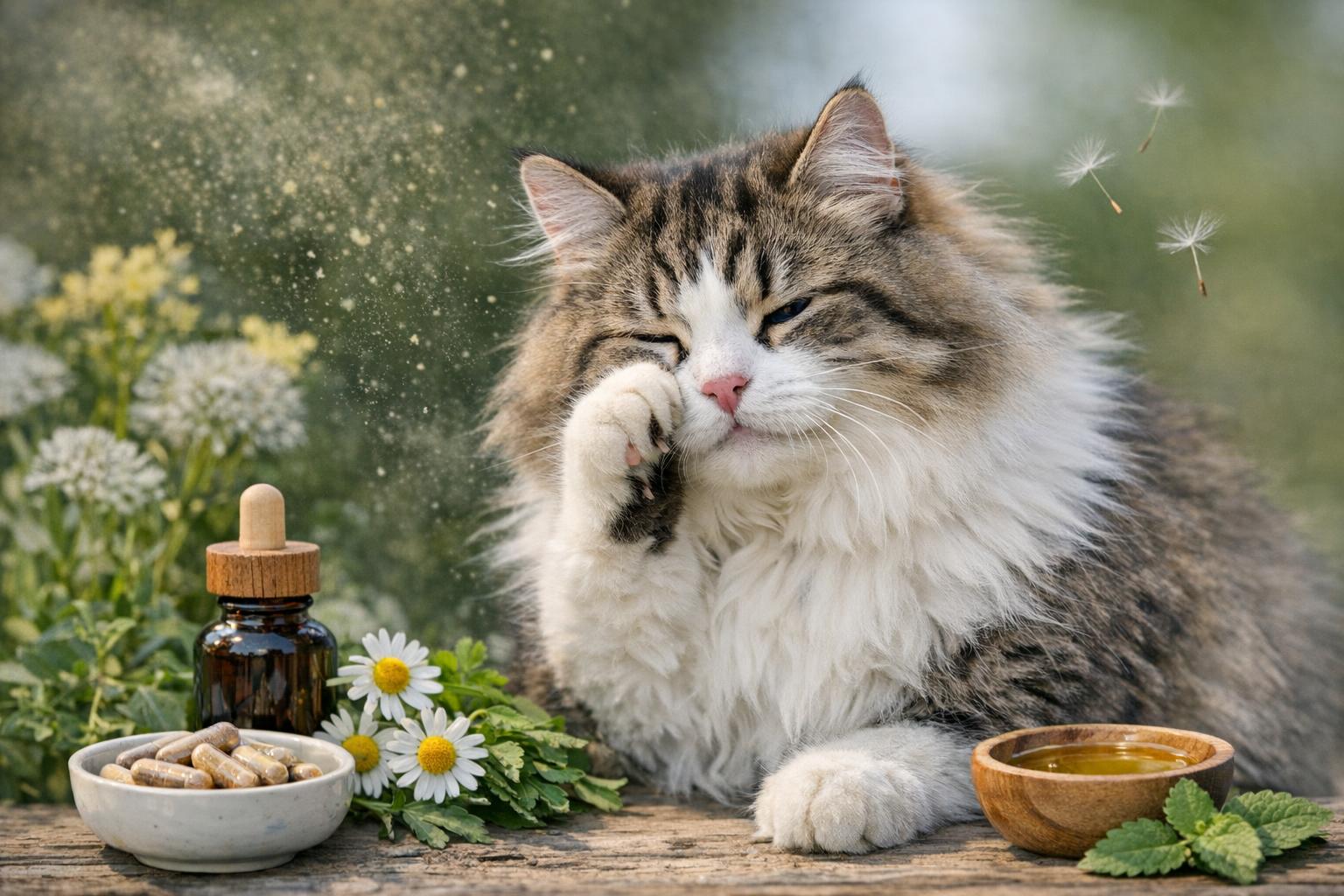
Overgrooming or undergrooming are classic signals. A stressed cat might obsessively lick a spot until it’s raw, or neglect cleaning, leaving a greasy or matted coat. Both are signs cats are stressed and warrant attention.
#### Altered Litter Box Habits
Using the litter box outside the box, going more or less frequently, or straining can all be stress-related. Always rule out medical causes first, but if tests are clear, behavioral stress is often behind new litter issues—another sign cats are stressed.
#### Appetite And Weight Fluctuations
Loss of appetite or sudden voracious eating can both be stress indicators. If your usually enthusiastic eater becomes picky or your couch-sleeping fluffball suddenly inhales everything, consider stress as a possible cause.
#### Increased Vocalization Or Silence
Some cats get loud under stress; others go quiet. Changes in meowing patterns, especially if paired with restlessness or pacing, are valid signs cats are stressed.
#### Aggression, Hiding, Or Decreased Interaction
A typically social cat that snaps, bites, or starts hiding for days is showing emotional distress. Avoid punishing these behaviors; they’re communication, not mischief.
#### Excessive Pacing Or Restlessness
Repeated pacing, circling, or inability to settle are physical manifestations of anxiety. They’re less subtle but important signs cats are stressed.
### Subtle Environmental Triggers
New people, furniture rearrangements, moving, loud construction, neighbor animals, or changes in routine (like feeding times) can all trigger stress. Even multi-cat households may have social tensions you don’t notice until one cat starts showing signs cats are stressed.
### When To See A Veterinarian
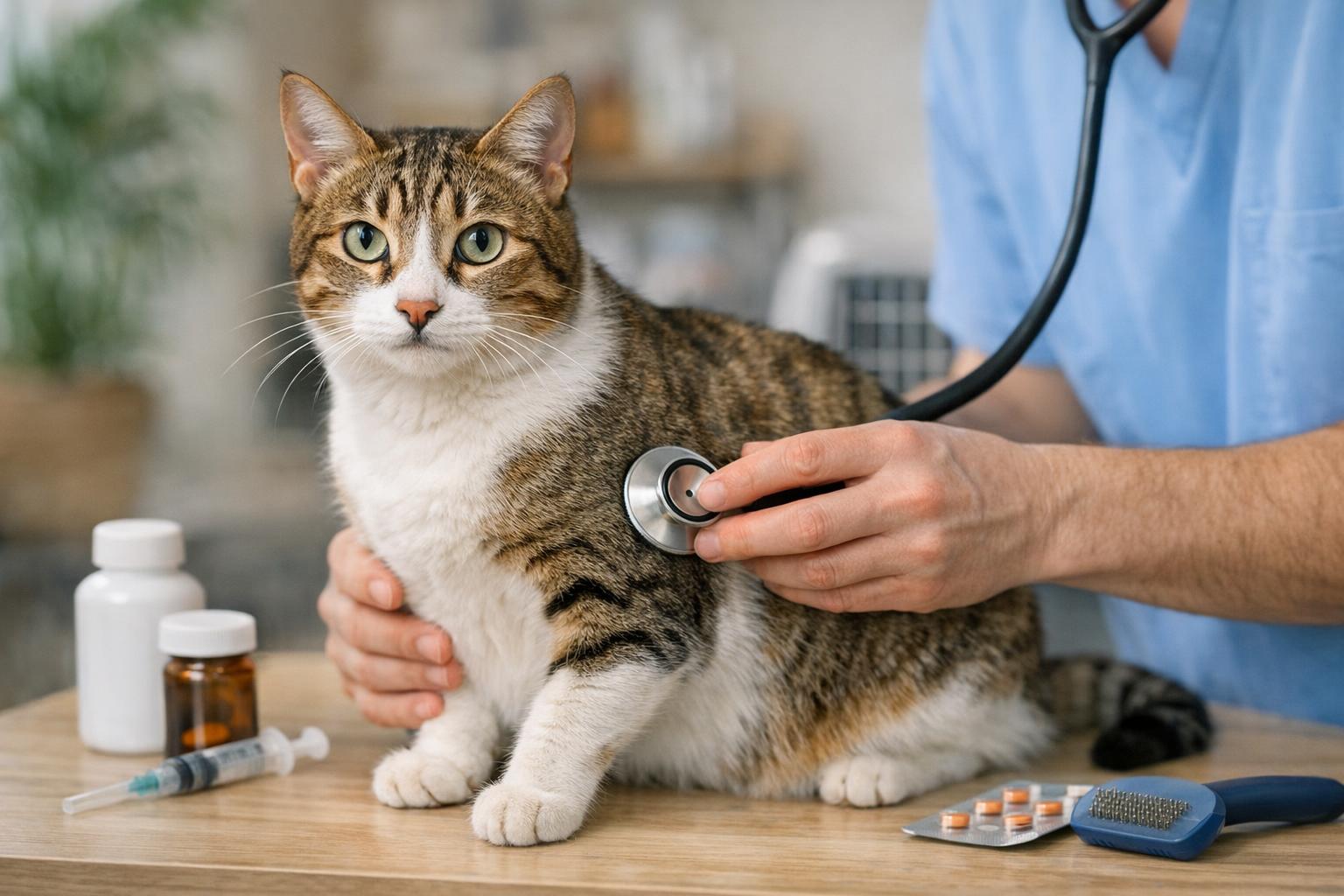
If any of the signs above are sudden, severe, prolonged, or accompanied by vomiting, diarrhea, bleeding, or weight loss, seek veterinary care first. Medical issues often mimic stress. A vet can rule out physical causes and advise on behavior support or medication if necessary.
## Remedy 1: Pheromone Diffuser Placement And Use
Pheromone therapy is non-invasive and often effective. These synthetic facial pheromones mimic the comforting scent cats deposit when they rub furniture. They don’t sedate; they help the environment feel familiar.
Materials Required:
– Vet-approved cat pheromone diffuser and refill (FOUR- or eight-week formulations exist)
– Electrical outlet in the main living area
– Notebook to track behavior changes
Step-by-Step Application:
1. Choose the Right Product: Buy a veterinary-recommended feline facial pheromone diffuser brand.
2. Place Strategically: Plug the diffuser in the room where your cat spends most time. Avoid placing it behind furniture or near windows/vents.
3. Start and Monitor: Leave the diffuser on continuously for at least 30 days. Pheromones need time to create an environmental baseline.
4. Track Progress: Use a short daily notebook entry (three lines) to record appetite, litter-box use, and interaction. This helps determine effectiveness or need for additional strategies.
5. Swap As Needed: Replace refills according to manufacturer instructions; continuous presence keeps the calming effect consistent.
Clinical Note: Pheromone therapy supports behavior modification but is rarely a standalone cure for severe anxiety. Combine with environmental changes and vet guidance.
## Remedy 2: Environmental Enrichment And Routine (Numbered Strategy)
A predictable routine and enriched environment are cornerstone strategies for reducing feline stress. This numbered remedy focuses on practical, structured changes.
Materials Required:
– Vertical spaces (shelves, cat trees)
– Puzzle feeders and interactive toys
– Quiet hiding spots (boxes, covered beds)
– A schedule you can follow for feeding, play, and cleaning
Step-by-Step Implementation:
1. Establish Routine: Feed, play, and interact at roughly the same times daily. Predictability reduces anxiety.
2. Add Vertical Territory: Install shelves or cat trees so your cat can escape to higher vantage points; this supports their need to survey territory.
3. Provide Hiding Places: Ensure at least two quiet hideouts in the home where the cat feels safe. Change anxiety-provoking elements (like loud appliances) away from these zones.
4. Use Puzzle Feeders: Replace one meal a day with a food puzzle to stimulate hunting instincts and reduce boredom-related stress.
5. Controlled Interactive Play: Engage in two 10-minute interactive play sessions daily with wand toys to reduce excess energy and strengthen bonds.
6. Reduce Conflict: In multi-cat homes, provide multiple litter boxes (n+1 rule), separate feeding stations, and multiple water sources to minimize social stressors.
Formal Advice: Consistency is crucial. Behavior improves slowly—measure changes over weeks, not days. If you see no improvement after 4–6 weeks, consult your veterinarian or a feline behaviorist.
## Remedy 3: DIY Calming Spray (Numbered Strategy)
A topical, room-safe calming spray can be a helpful adjunct. This DIY recipe uses lavender and chamomile in a diluted solution. Note: Do not use undiluted essential oils on cats—they are sensitive to certain compounds. This formula uses very dilute, cat-safe preparations and should be used sparingly and externally on bedding or in the air.
Ingredients And Required Materials:
– 1 cup distilled water
– 1 tablespoon organic chamomile tea (steeped and cooled)
– 1 teaspoon pure vegetable glycerin (optional, to help disperse)
– 2 drops of geranium hydrosol (flower water) OR 1/4 teaspoon lavender hydrosol — hydrosols are milder than essential oils
– Small spray bottle (glass preferred)
– Funnel and measuring spoons
Step-by-Step Creation And Application:
1. Prepare Chamomile Base: Steep chamomile tea in 1/2 cup boiling water for 15 minutes, then cool completely. Strain into a clean container.
2. Mix Ingredients: Combine cooled chamomile infusion with the remaining distilled water and vegetable glycerin in the spray bottle using a funnel.
3. Add Hydrosol: Add the geranium or lavender hydrosol. Hydrosols are aromatic waters left from steam distillation and are gentle enough for cats in low concentrations. Do not use essential oils directly.
4. Shake and Test: Gently shake. Test spray once on a fabric away from the cat and wait 30 minutes; if there’s no adverse reaction (strong irritation or sneezing), it’s likely safe for brief use.
5. Application: Lightly mist bedding, cat carrier, or a favorite perch before bedtime or travel. Avoid direct spraying on the cat, food bowls, or litter boxes.
6. Frequency: Use once daily when introducing new stressors (travel, vet visits, new people) and discontinue if any sensitivity is observed.
Safety Warning: Never use essential oils directly around cats without veterinary approval. If your cat shows respiratory distress, drooling, vomiting, or lethargy after any product use, stop immediately and seek veterinary care.
### Monitoring And Measuring Success
Track behavior with simple metrics: appetite, litter box use, social interaction, and vocalization. A short checklist kept for 4–6 weeks helps assess whether interventions work. If you implement pheromones, enrichment, and the spray and see only partial improvement, a vet may recommend behavior therapy or medication.
### When Behavior Requires Professional Help
If aggressive acts escalate, self-injury occurs (overgrooming to raw skin), or stress resistance persists despite multi-pronged home strategies, engage your veterinarian and consider a certified feline behaviorist. Professional assessment can uncover medical causes or recommend targeted behavioral modification plans.
Keep an eye out for the small cues—cats are masterful communicators when you learn their language. If you act early and use calm, evidence-based remedies, many stress problems are manageable at home without dramatic measures. And remember: sometimes a well-timed sunbeam and a patient lap are the best therapies of all.












Leave a Reply