
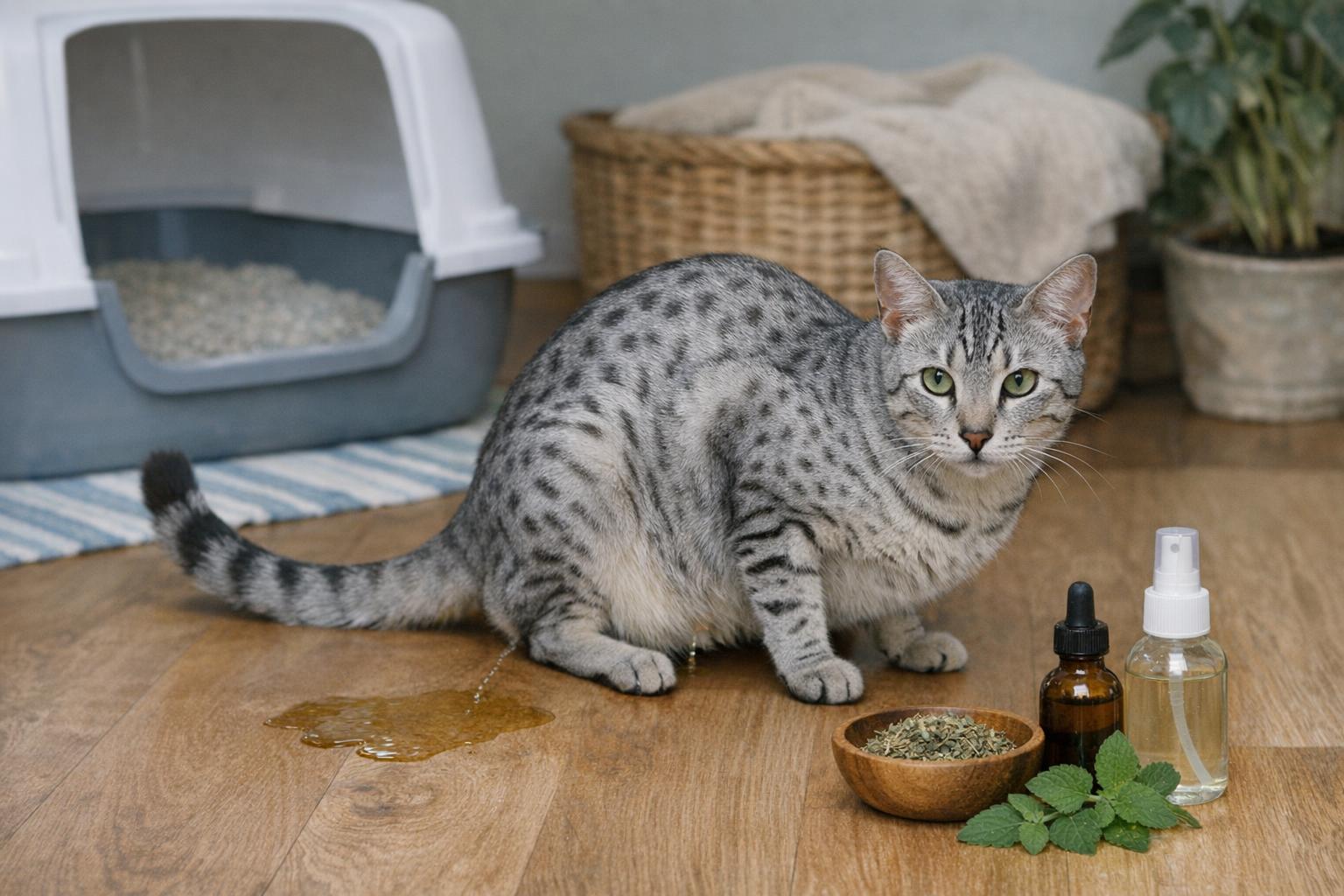
If your cat suddenly treats the floor like a magic litter carpet, don’t panic — but do pay attention. Litter box aversion in cats is more common than you think, and it’s usually a solvable mix of medical, sensory, and behavioral triggers. Below I’ll walk you through how to spot it, what commonly causes it, and practical natural care and remedies that can help both kitty and your carpets.
## Spotting Litter Box Aversion In Cats
Know the signs so you can act early. Litter box aversion in cats often shows up as changes in elimination behavior rather than a single dramatic event. You may notice your cat:
### Behavioral Signs To Watch For
– Going just outside the box, like beside the litter pan or on a rug.
– Sudden frequency of “accidents” after years of perfect litter habits.
– Hesitation, circling, digging frantically, or vocalizing when approaching the box.
– Avoidance of specific boxes or areas of the home.
### Medical Red Flags
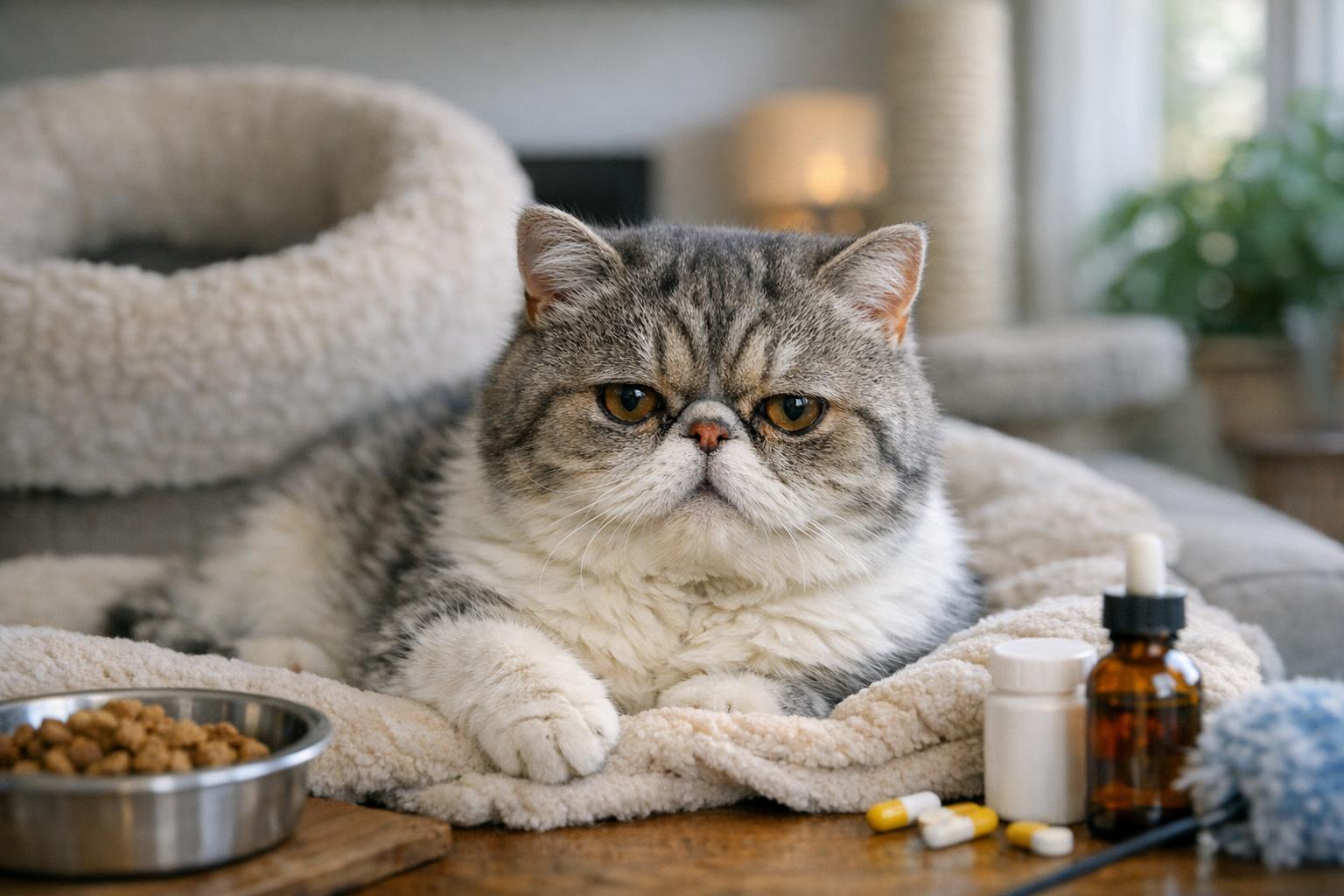
If your cat suddenly develops accidents, always consider medical causes first. Urinary tract infections, bladder stones, arthritis, constipation, and chronic pain can make using a box uncomfortable. Litter box aversion in cats can be a symptom of underlying illness rather than just “naughtiness.”
## Common Causes Of Litter Box Aversion
Understanding the why helps you plan the fix. Typical drivers include:
– Box Cleanliness: Cats are tidy by nature; a dirty box can push them away.
– Litter Type Or Texture: Changes in litter or a scent they dislike can trigger avoidance.
– Location Issues: Noisy areas, heavy foot traffic, or proximity to appliances can make them avoid the spot.
– Box Size And Accessibility: Older cats or those with mobility problems struggle with high-sided boxes.
– Stress And Social Changes: New household members, other pets, or changes in routine can increase avoidance.
– Medical Problems: As above, infections, inflammation, and pain are prime suspects.
## When To See A Veterinarian
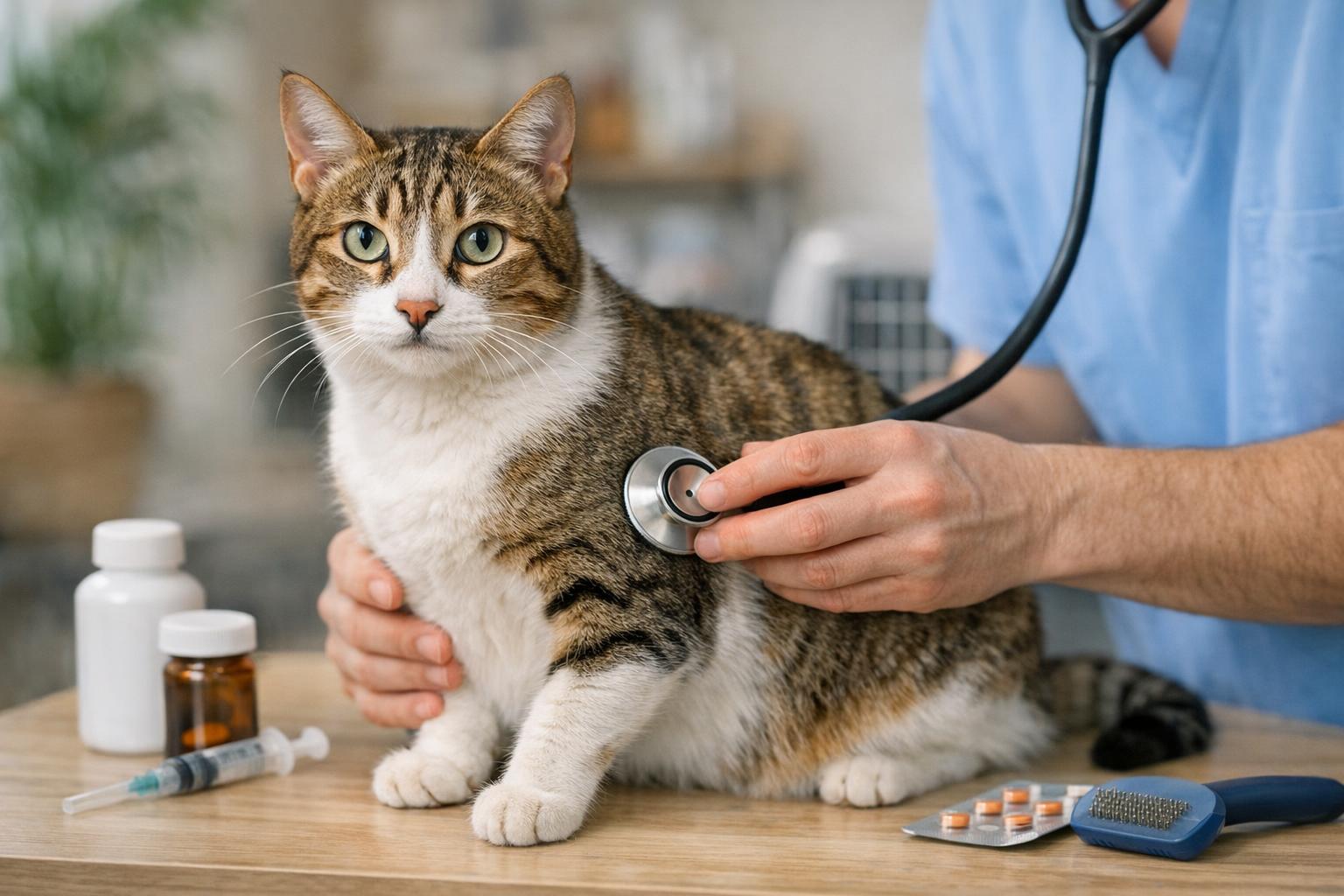
If accidents appear suddenly, if there’s blood in the urine, straining, frequent trips to the box, vocalizing while eliminating, or if your cat is lethargic and off food, seek veterinary attention immediately. Your vet will rule out conditions like urinary tract infection, feline idiopathic cystitis, crystals, diabetes, or arthritis before behavior interventions begin.
## Remedy 1: Natural Enzymatic Cleaner For Accidents
A clean environment reduces repeat accidents. Use a natural enzymatic cleaner to remove odor molecules that attract cats back to the same spot.
#### Ingredients Or Required Materials
– Commercial enzymatic cleaner formulated for pet urine (look for natural formulations without ammonia)
– White vinegar (if diluting is recommended by product instructions)
– Clean microfiber cloths or paper towels
– Warm water
Step-By-Step Creation And Application
1. Blot up as much of the urine or feces as possible with paper towels or cloth; press firmly to absorb, but avoid rubbing.
2. If the surface allows, rinse the area with a small amount of warm water and blot again to dilute residual urine.
3. Apply the enzymatic cleaner liberally to the affected area following the manufacturer’s instructions — many require saturation so enzymes reach all odor molecules.
4. Allow the product to sit for the full recommended dwell time (this is critical — enzymes need time to break down proteins).
5. Blot dry and, if necessary, repeat once after the area dries to ensure complete odor removal.
6. For sensitive materials (some rugs, upholstery), test a small hidden area first or consult a professional cleaner.
Note: Avoid ammonia-based cleaners; they can mimic urine scent and worsen litter box aversion in cats.
## Remedy 2: Pheromone Support And Box Setup
Behavioral and sensory support can reduce stress-driven aversion. This remedy focuses on environmental fixes plus a pheromone product to calm and reassure.
#### Ingredients Or Required Materials
– Unscented clumping litter (multiple small bags for trial)
– Additional litter boxes (one per cat plus one extra is ideal)
– Low-sided boxes or boxes with easy access for elderly cats
– Feliway Classic (synthetic feline facial pheromone) diffuser or spray
– Scoop and mild, unscented soap for weekly washing
Step-By-Step Creation And Application
1. Increase the number of boxes: place one box on each floor and one in a low-traffic, easily accessible area. The rule of thumb is “number of cats + 1.”
2. Replace scented litter with unscented, fine-grain clumping litter. If your cat refuses the new litter, mix a small proportion of the old litter into the new to transition gradually over 7–10 days.
3. Choose open, low-sided boxes for older or arthritic cats; provide steps or ramps if necessary for larger high-sided boxes.
4. Introduce the pheromone diffuser according to manufacturer guidelines. Place it in the room where the cat spends most of its time, not right next to the litter box.
5. Scoop daily and perform a full wash of the box with warm water and unscented soap weekly. Avoid strong-smelling cleaners.
6. Monitor and record usage. If a particular location is repeatedly avoided, try moving the box incrementally to a quieter spot.
This approach reduces environmental triggers and chemically comforts cats without medications.
## Remedy 3: Diet, Hydration And Joint Support
Medical management and supportive care can reduce discomfort-related aversion, particularly if bladder irritation, constipation, or arthritis is involved.
#### Ingredients Or Required Materials
– Fresh, palatable wet cat food to increase hydration
– Access to fresh water (consider a pet fountain to encourage drinking)
– Omega-3 fish oil supplement (veterinary-formulated)
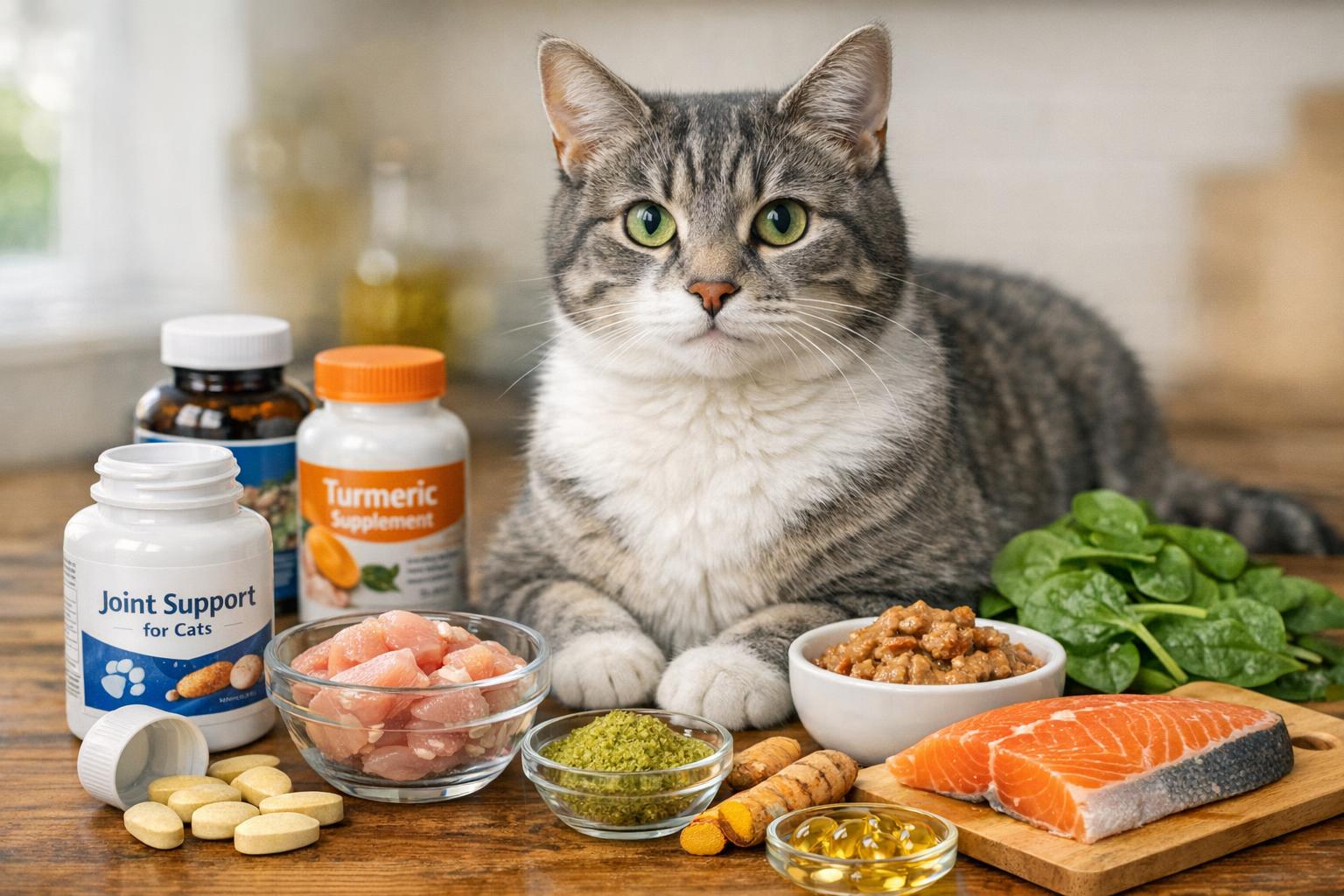
– Joint-support supplement (glucosamine/chondroitin) if recommended by your vet
Step-By-Step Creation And Application
1. Increase water intake by offering wet food several times a day and placing multiple water bowls around the house; a pet fountain often entices cats to drink more.
2. Consult your veterinarian and, if appropriate, begin an omega-3 supplement to reduce inflammation. Use veterinary dosages; do not start human supplements without approval.
3. If mobility issues are suspected, have your vet assess for arthritis and consider a joint support regimen or pain management plan. Administer supplements or medications strictly as prescribed.
4. Monitor litter box use for improvement. Keep a log of frequency and any blood or straining to report to your vet.
This remedy takes a medical- and nutrition-focused tack to address physiological contributors to litter box aversion in cats.
## Environmental Enrichment And Stress Reduction Strategies
Behavioral frustration and anxiety perpetuate aversion. Enrich the cat’s world to reduce stress and improve confidence at the box.
### Practical Enrichment Tips
Offer vertical spaces like shelves and cat trees, interactive play sessions to reduce pent-up energy, hiding spots, and window perches for bird-watching. Introduce new elements slowly; avoid dramatic changes in household routine. If multi-cat tension exists, provide separate feeding and litter areas to minimize conflict.
### Monitoring And Patience
Track changes for at least 2–4 weeks when implementing interventions. Behavior change can be gradual. If progress stalls, re-evaluate with your veterinarian or a certified cat behaviorist.
## When Behavior Therapy Is Needed
If the above measures don’t relieve litter box aversion in cats, professional behavior modification may be required. A certified behaviorist can perform a detailed assessment, create a tailored desensitization plan, and help coordinate medical, environmental, and training strategies.
If your cat is the kind that plots to keep you humble by choosing your favorite rug, remember that litter box aversion in cats is usually a sign pointing to pain, stress, or an environmental mismatch — not spite. With careful observation, medical checks, and targeted natural care, most cats can be helped back to consistent litter use.











Leave a Reply