



## Why Cats Over Groom And How To Spot It
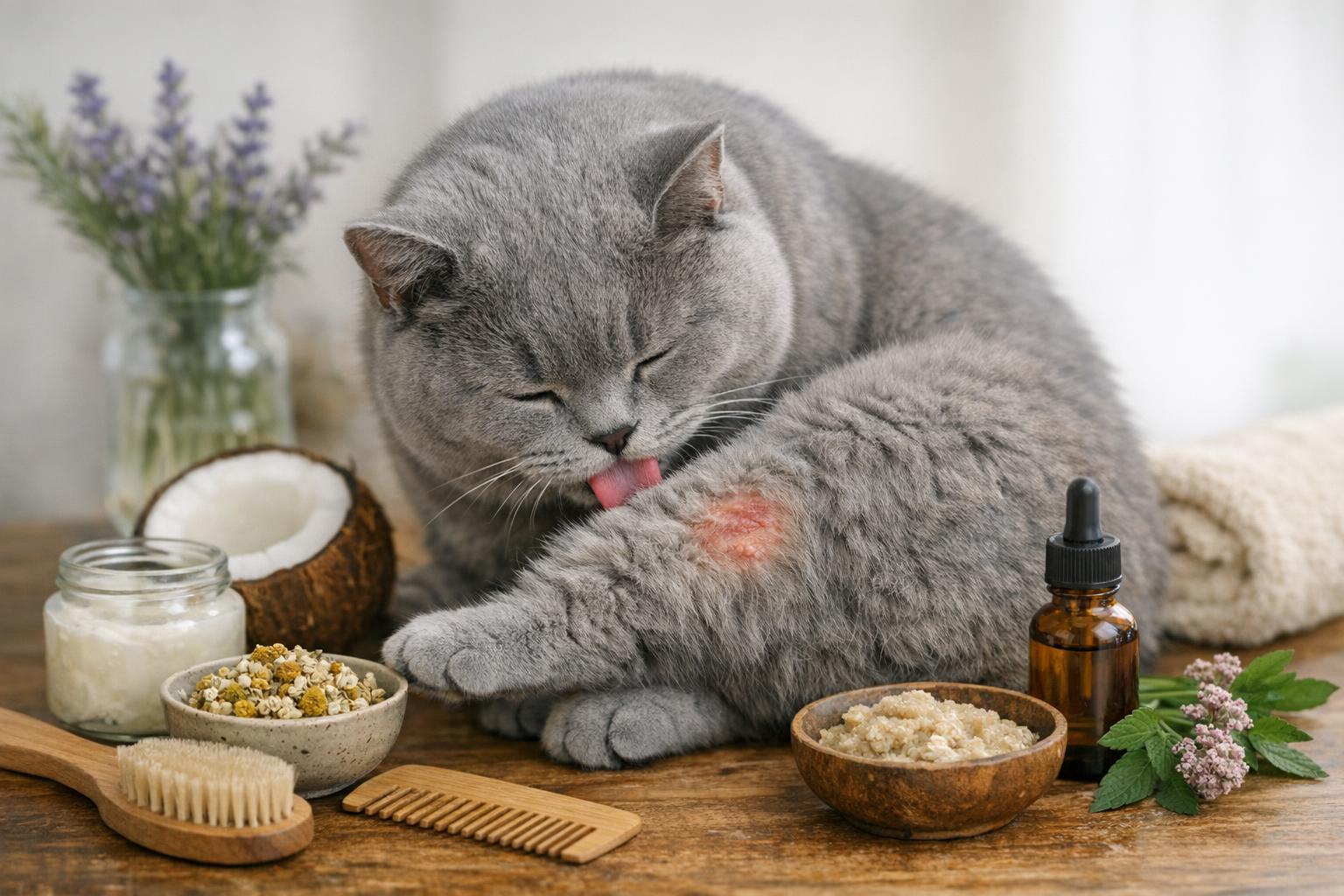
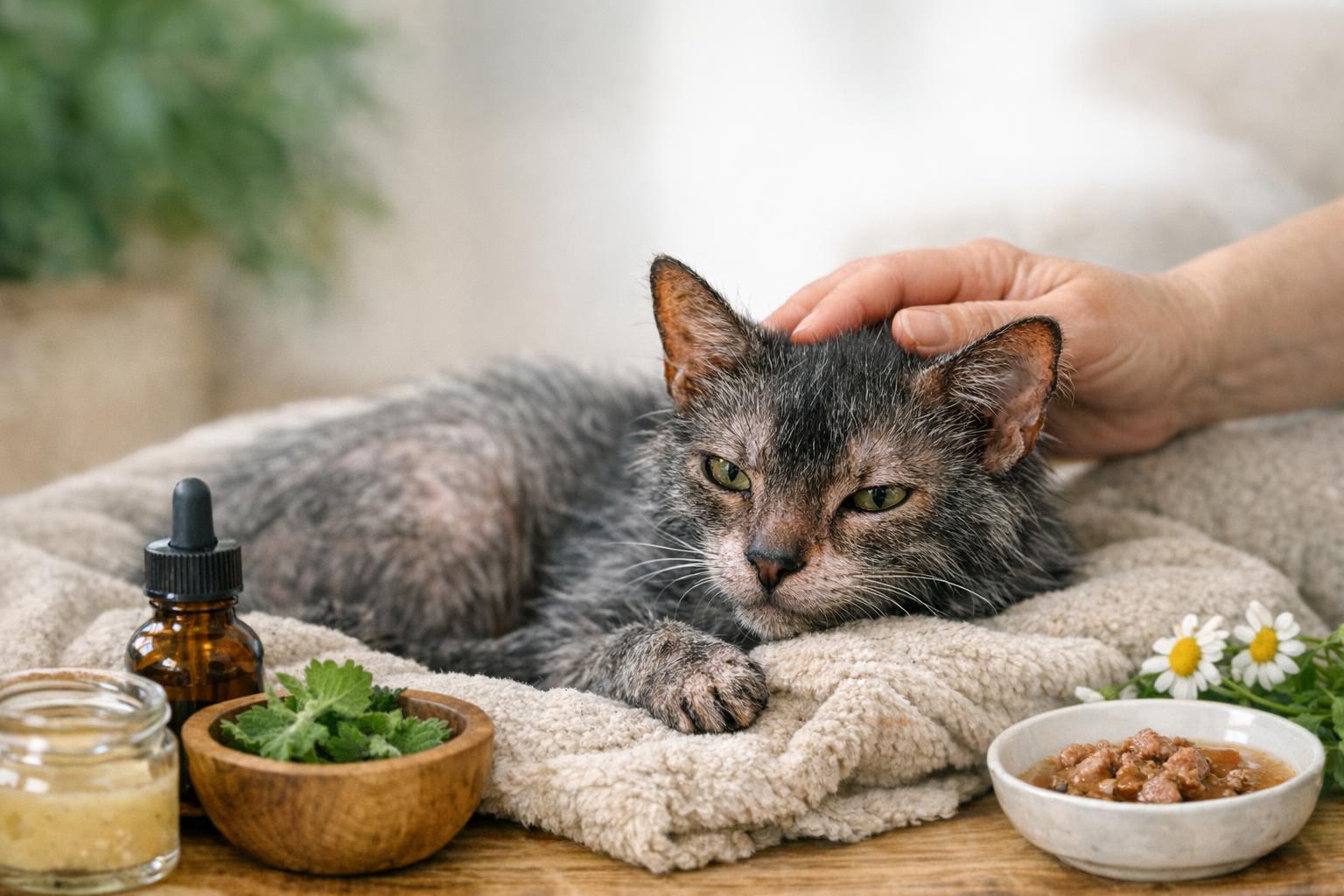
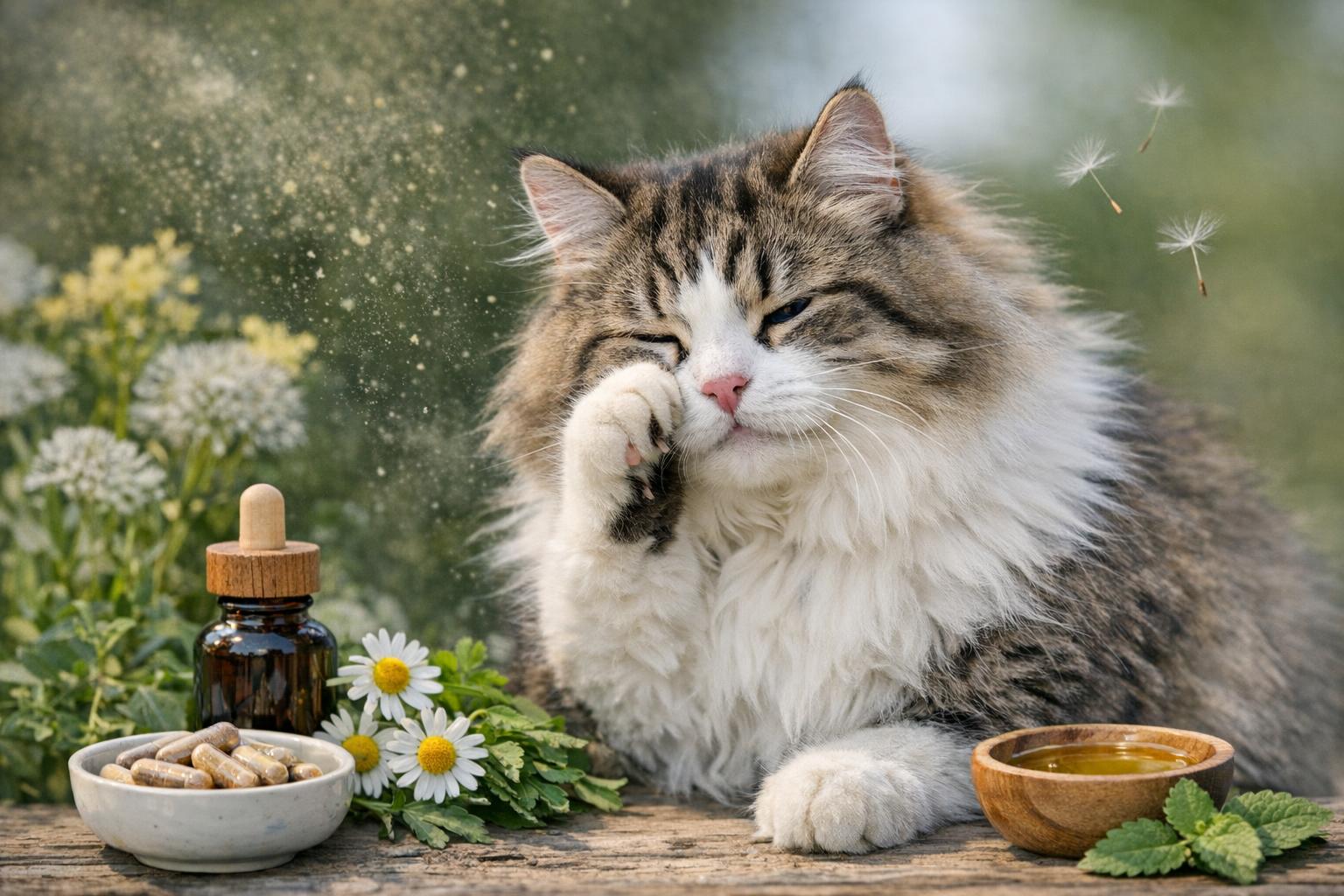
If you’ve been muttering, “my cat over grooms,” you’re not alone — and your feline friend isn’t trying to outdo a hair commercial. Over grooming is a common sign that something’s off, whether it’s itch, anxiety, pain, or an underlying skin problem. Typical signs include bald patches, red or inflamed skin, frequent licking or chewing of one area, scabs, and an unusual increase in hairballs.
### When To Worry And See A Vet
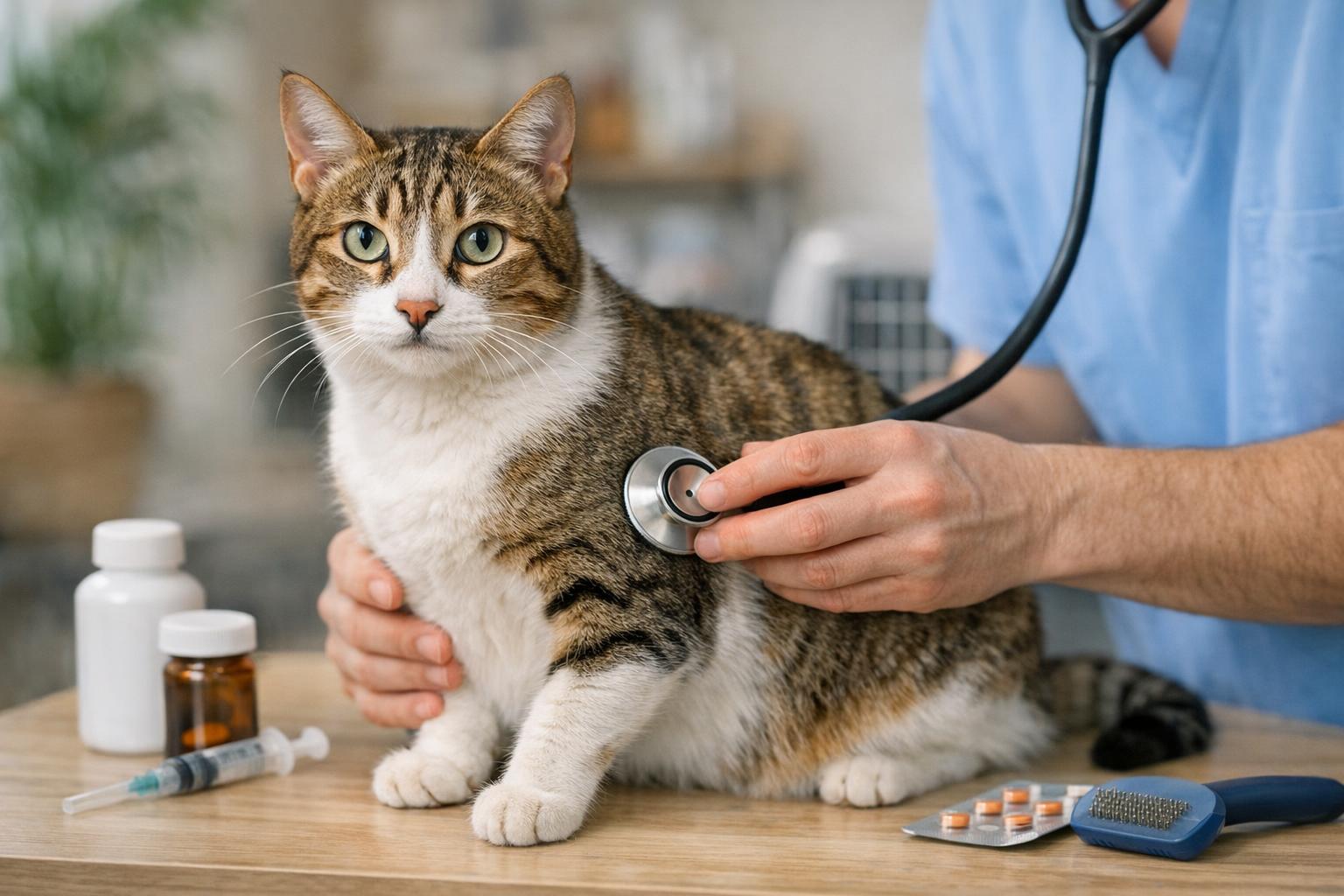
If your cat’s skin is broken, bleeding, has pus, or if your cat is losing weight, hiding more, or seems lethargic, book a vet visit. Parasites, allergies, thyroid problems, and pain all can cause over grooming, and many of these need medical diagnosis. If you’re saying “my cat over grooms” and the behavior is new or severe, don’t delay professional care.
#### Red Flags To Watch For
– Open sores, bleeding, or infection
– Rapid hair loss in patches
– Changes in appetite or energy
– Repeated licking that interferes with sleep or daily life
## Remedy 1: Soothing Oatmeal Rinse For Irritated Skin
A gentle oatmeal rinse can calm inflamed skin, reduce itch, and give short-term relief for mild cases where the skin isn’t broken. This is a safe, natural option to help while you investigate triggers.
Ingredients / Materials
– 1 cup plain oats (not instant flavored)
– 4 cups lukewarm water
– Fine mesh strainer or cheesecloth
– Large bowl
– Soft towel
Step-by-Step Creation And Application
1. Preparation: Grind the oats in a blender or food processor until they’re a fine powder (colloidal consistency). This improves solubility.
2. Make The Rinse: Place the oat powder in a bowl and slowly pour 4 cups of lukewarm water over it. Stir and let sit 5–10 minutes. Strain through a fine mesh strainer or cheesecloth into a clean bowl. The liquid should be milky.
3. Test Temperature: Ensure the rinse is comfortably warm, not hot.
4. Apply: If your cat tolerates baths, wet the irritated areas with plain water, then pour or gently sponge the oatmeal rinse over the skin. Massage lightly for 1–2 minutes to allow the oatmeal to coat the fur and skin.
5. Rinse Or Not: For a mild application you can towel-blot excess; if your cat tolerates a full rinse, rinse gently with lukewarm water. Towel dry.
6. Frequency: Use once daily for up to 5 days. If no improvement, or if irritation worsens, stop and consult your vet.
Safety Notes: Don’t force a full bath if your cat is highly stressed — use a sponge application focusing on affected areas. Avoid eyes and deep ear canals.
## Remedy 2: Calm The Home When My Cat Over Grooms
Environmental stressors are a huge trigger for over grooming. Creating a calmer, more enriching home is a natural, non-invasive remedy that often yields durable results.
Materials
– Interactive toys (wand toys, laser that’s used sparingly)
– Puzzle feeders or food-dispensing toys
– Scratching posts and vertical perches
– Quiet hiding spots (boxes, covered beds)
– Optional: Cat pheromone diffuser (synthetic Feliway)
Step-by-Step Implementation
1. Identify Stressors: Observe when the over grooming happens. Is it after loud noises, when a new pet arrived, or at certain times of day? Make a short log for a week.
2. Create Routine: Cats thrive on predictability. Provide regular play sessions (two 10–15 minute interactive playtimes daily) before meals to redirect predatory energy and reduce anxiety-driven grooming.
3. Enrichment Stations: Set up vertical spaces and hiding spots. Offer new textures and toys rotated weekly to keep interest high. Position perches where your cat can watch out windows safely.
4. Food-Based Engagement: Use puzzle feeders so mealtimes are mentally stimulating and rewarding, which reduces boredom-driven licking.
5. Comfort Signals: Place a pheromone diffuser in a main room for at least 30 days to evaluate behavior change. These can reduce stress markers in many cats.
6. Grooming Routine: Brush your cat daily with a soft brush to remove loose fur and reduce the drive to self-groom. For long-haired cats, use a comb to prevent mats.
7. Monitor And Adjust: Continue the observation log. If over grooming decreases, keep the plan; if not, share your notes with your vet for behavioral or medical follow-up.
Formal note: Behavioral remedies require consistency and time. Expect gradual improvement over 2–8 weeks. Immediate, severe cases still need medical attention.
## Remedy 3: Calendula And Coconut Oil Spot Balm For Hot Spots
When over grooming causes small localized sores or hot spots (not deep or infected), a mild, cat-safe balm can soothe and support healing. Because cats groom themselves, keep ingredients very simple and food-grade.
Ingredients / Materials
– 1/4 cup coconut oil (virgin, unrefined)
– 1/4 cup calendula-infused olive oil (see creation below)
– Small glass jar with lid
– Cotton swabs or fingertip for application
– Clean gauze or lint-free cloth
How To Make Calendula-Infused Oil (Quick Cold Infusion)
1. Place 1/2 cup dried calendula flowers in a clean jar.
2. Pour enough olive oil to cover the flowers by 1 inch.
3. Seal and place in a warm spot out of direct sun for 2 weeks, shaking daily. Strain into a clean jar through cheesecloth.
4. Refrigerate; use within 3 months.
Step-by-Step Creation And Application Of Balm
1. Warm The Base: Gently melt the coconut oil in a double boiler until liquid.
2. Mix: Combine warm coconut oil and calendula-infused oil in a clean jar and stir well. Let solidify at room temperature or refrigerate briefly.
3. Patch Test: Apply a very small amount to an unaffected patch of your cat’s skin and wait 24 hours for any reaction.
4. Clean The Area: Gently clean the hot spot with lukewarm water and pat dry.
5. Apply The Balm: Using a cotton swab, apply a thin layer over the affected spot once or twice daily.
6. Prevent Licking: Use a light bandage only if it can be monitored closely, or distract the cat with toys immediately after application so the balm has time to absorb. If frequent licking occurs, discuss temporary use of an Elizabethan collar with your vet.
7. Duration: Use for up to 7 days. If the area worsens, develops discharge, or the cat’s behavior changes, stop and consult your veterinarian.
Important Safety: Many essential oils are toxic to cats. Do not add tea tree, eucalyptus, lavender, or other essential oils to any topical treatment. Keep ingredient list minimal.
### Simple Grooming Adjustments To Reduce Over Grooming
Small daily changes often help. Brushing removes loose fur and reduces the compulsion to self-clean. Use a soft brush; start slowly and reward with a tiny treat. Trim nails to reduce self-trauma, and keep your cat’s coat free of mats, which can be irritating.
#### When Medication Or Supplements Might Be Needed
If you’ve tried home strategies and the problem persists, a vet may suggest antihistamines, antibiotics (if infected), topical prescription creams, or supplements such as omega-3 fatty acids to improve skin health. Discuss dosage and safety with your vet; human supplements are not always safe or correctly dosed for cats.
### Things To Avoid
Don’t improvise with human topical medications or essential oils. Avoid over-bathing (it dries skin) and never force a cat into a situation that causes extreme stress. And remember: if you’re thinking “my cat over grooms” and also seeing signs of systemic illness (fever, vomiting, weight loss), that’s time for a vet visit.
## Quick Troubleshooting And Tracking
If progress stalls, keep a short journal: date, time, what you observed, what you changed (new food, guests, stressor), and any skin changes. This log is invaluable for your vet and helps you spot patterns. Small changes, consistently applied, often make the biggest difference.
If you’re dealing with “my cat over grooms,” patience and gentle, informed action are your friends. These remedies can reduce itch and stress, but always prioritize safety and veterinary input when things look worse than a little excessive preening.










Leave a Reply