



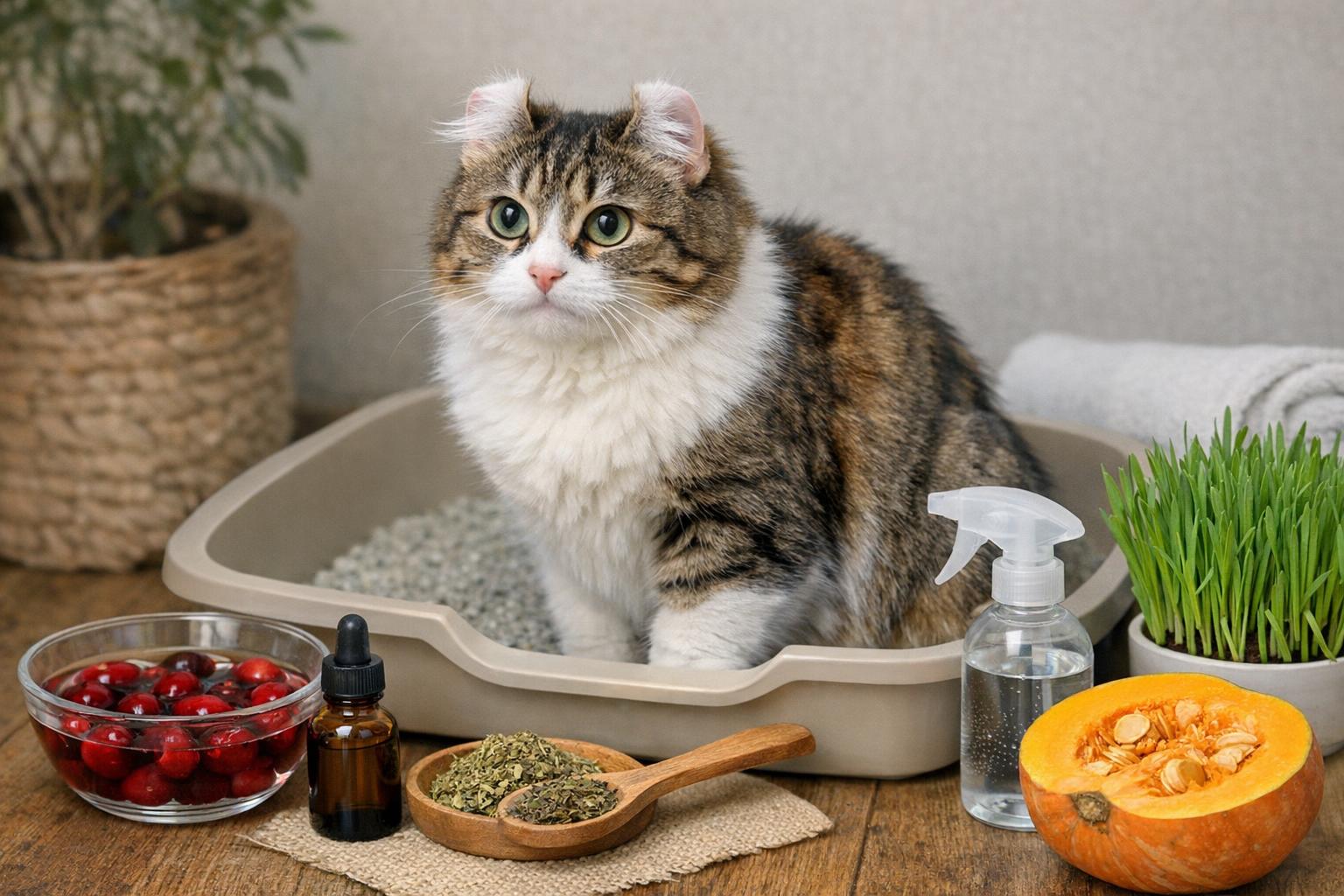
Hi there — if you’ve wandered in here because your cat suddenly prefers the rug over the litter box, you’re in the right spot. This article gives practical, mostly natural remedies to try at home when your cat won t pee in litter box, with clear steps and materials so you can get back to fewer laundry surprises and more purring.
## Cat Won T Pee In Litter Box: Why This Happens
Cats are weirdly particular creatures, and when a cat won t pee in litter box they’re trying to tell you something — sometimes loud and clear, other times like a cryptic postcard. The causes fall into three broad categories: medical, environmental, and behavioral.
### Medical Reasons To Rule Out First
If your cat won t pee in litter box and started recently, always assume a medical issue until proven otherwise. Urinary tract infections, bladder stones, feline lower urinary tract disease (FLUTD), and kidney problems can all change a cat’s urination habits. Pain makes a cat avoid the box, or try to go elsewhere where they feel safer.
### Environmental And Behavioral Triggers
Cats like predictable bathrooms. A new litter type, a moved box, a dirty box, a loud location, or competition from another cat can trigger avoidance. Stressors — new people, new pets, renovations — can also result in a cat won t pee in litter box situation. Territorial marking or anxiety-related elimination behaves differently from medical accidents, so watch frequency, posture, and whether it’s urine or feces.
## Remedy 1: Clean And Optimize The Litter Area
This first approach targets the most common non-medical reasons for avoidance: cleanliness, box type, and placement.
### Ingredients And Materials
– At least one extra litter box (rule of thumb: number of cats + 1)
– Unscented clumping litter your cat already tolerates
– Mild, fragrance-free cleaner (enzyme cleaner for odor)
– Open and covered boxes to test preferences
– A scoop and washable liners (optional)
#### Step 1: Add And Arrange Boxes
1. Place boxes in quiet, accessible areas — not next to noisy appliances or in a closet the cat must share with people traffic.
2. If you have multiple floors, put a box on each floor. Aim for number of cats + 1 boxes.
#### Step 2: Clean Regularly And Properly
1. Scoop solids and clumps at least once daily.
2. Do a full litter change and wash the box with hot water and mild detergent weekly (or more often for multi-cat households).
3. Use an enzyme cleaner on any previously soiled carpets or surfaces to remove lingering scent cues that invite repeat accidents.
#### Step 3: Test Box Type And Litter
1. Try one open and one covered box; some cats prefer openness, others privacy.
2. Return to a litter type your cat used before, especially if they suddenly stopped using the box. Avoid heavily scented litters.
Formally applied, these environmental adjustments reduce aversive stimuli and restore the predictable bathroom experience cats need.
## Remedy 2: Natural Attractant And Odor Management
If scent or previous accidents are the issue, targeted attractants and proper odor removal help retrain the cat and reduce avoidance.
### Ingredients And Materials
– Commercial cat litter attractant (follow label) or diluted catnip spray (1 tsp dried catnip per 1 cup boiling water, steeped, cooled, strained)
– Enzyme-based cleaner for protein odors
– White vinegar (for certain washable surfaces)
– Clean microfiber cloths
#### Step 1: Remove Old Odors
1. Blot fresh urine stains with a towel; do not rub.
2. Apply enzyme cleaner according to product directions and allow full dwell time so bacteria and scent molecules break down.
3. For washable surfaces, follow enzyme cleaning with a diluted 1:1 water and white vinegar rinse (test an inconspicuous area first).
#### Step 2: Add Gentle Attractant
1. Add a small amount of litter attractant to one box only (do not overwhelm the box).
2. Alternatively, lightly mist the top of litter with diluted catnip spray (very sparing — a little goes a long way).
3. Monitor: the attractant is to encourage the cat to try the approved spot; remove if the cat shows aversion.
#### Step 3: Reinforce Usage
1. When the cat uses the box, reward calmly — a gentle pet or a small treat shortly after can help form a positive association.
2. Keep the rewarded pattern consistent for several weeks.
These steps are formal and deliberate: remove the scent cues that tell the cat “this is fine” and replace them with cues that make the approved box appealing.
## Remedy 3: Improve Hydration And Adjust Diet
Dehydration and dietary issues can change urine concentration, discomfort during urination, and frequency — all contributing to a cat won t pee in litter box behavior.
### Ingredients And Materials
– Fresh water bowls (preferably multiple and ceramic or stainless)
– A cat water fountain (many cats prefer running water)
– High-quality wet food (grain-free if advised by your vet)
– Food puzzle toys (optional, for slow feeding and stimulation)
#### Step 1: Increase Fluid Intake
1. Place multiple water bowls in different rooms to encourage sipping.
2. Introduce a water fountain; many cats are intrigued by motion and drink more.
3. Offer wet food at least once daily to increase moisture intake.
#### Step 2: Adjust Diet Carefully
1. Consult your veterinarian before major diet changes, especially with urinary issues.
2. If cleared, gradually transition to a wet-food-rich diet over 7–10 days to reduce stress on digestion.
3. Monitor urine color and volume; darker, concentrated urine may indicate inadequate hydration or medical issues.
#### Step 3: Track And Re-assess
1. Keep a simple log of litter box visits and any outside-the-box incidents.
2. If incidents decrease after hydration changes, continue the regime and maintain consistency.
Scientifically, improved hydration dilutes urine, reduces irritation, and can ease discomfort during elimination — helping reverse avoidance behavior.
## When To See A Vet If Cat Won T Pee In Litter Box
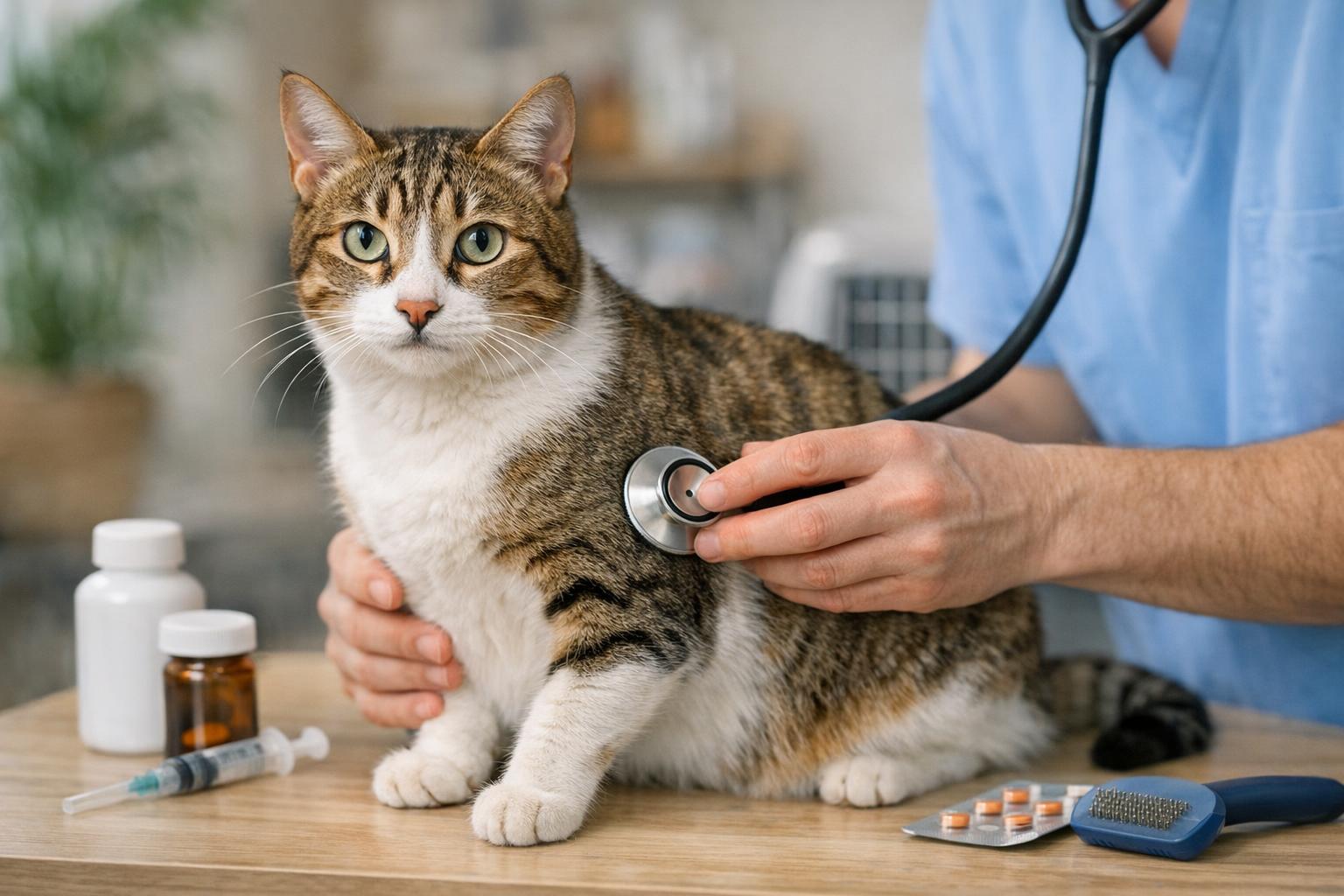
If home remedies don’t resolve the issue within 24–48 hours, or if you see signs of distress, contact your veterinarian promptly. Cats can develop urinary blockages that are life-threatening and require immediate intervention.
### Signs Of Urinary Emergency
– Straining in the litter box with little to no urine produced
– Repeated attempts to urinate
– Crying, vocalizing, hiding, or showing obvious pain
– Blood in the urine or visibly discolored urine
– Lethargy, vomiting, or decreased appetite
### What To Tell Your Vet
Bring notes about when the issue started, any changes in diet or environment, number and type of litter boxes, and any behavior observed. The vet may recommend a physical exam, urinalysis, bloodwork, and possibly imaging.
## Behavioral Interventions And Gentle Retraining Techniques
Beyond the physical fixes, consider small behavior-focused strategies to re-establish good litter habits.
### Gentle Steps To Retrain
– Restrict access to problem spots temporarily by cleaning thoroughly and blocking them off.
– Confine the cat to a comfortable room with food, water, bed, and a clean litter box for a few days to rebuild the box routine.
– Use positive reinforcement after box use; avoid scolding after accidents — that increases stress and often worsens avoidance.
If none of this reduces incidents, or if you’ve recorded recurring signs of urinary distress, prioritize a veterinary visit. You can try these natural remedies safely, but they do not replace medical diagnosis and treatment when required.
A quick reminder: if cat won t pee in litter box, persistent issues need professional attention even while you work the home strategies above. Keep notes, stay patient, and give your feline the calm environment they appreciate — and maybe invest in a few more washable rugs while you troubleshoot (just kidding…sort of).

















Leave a Reply