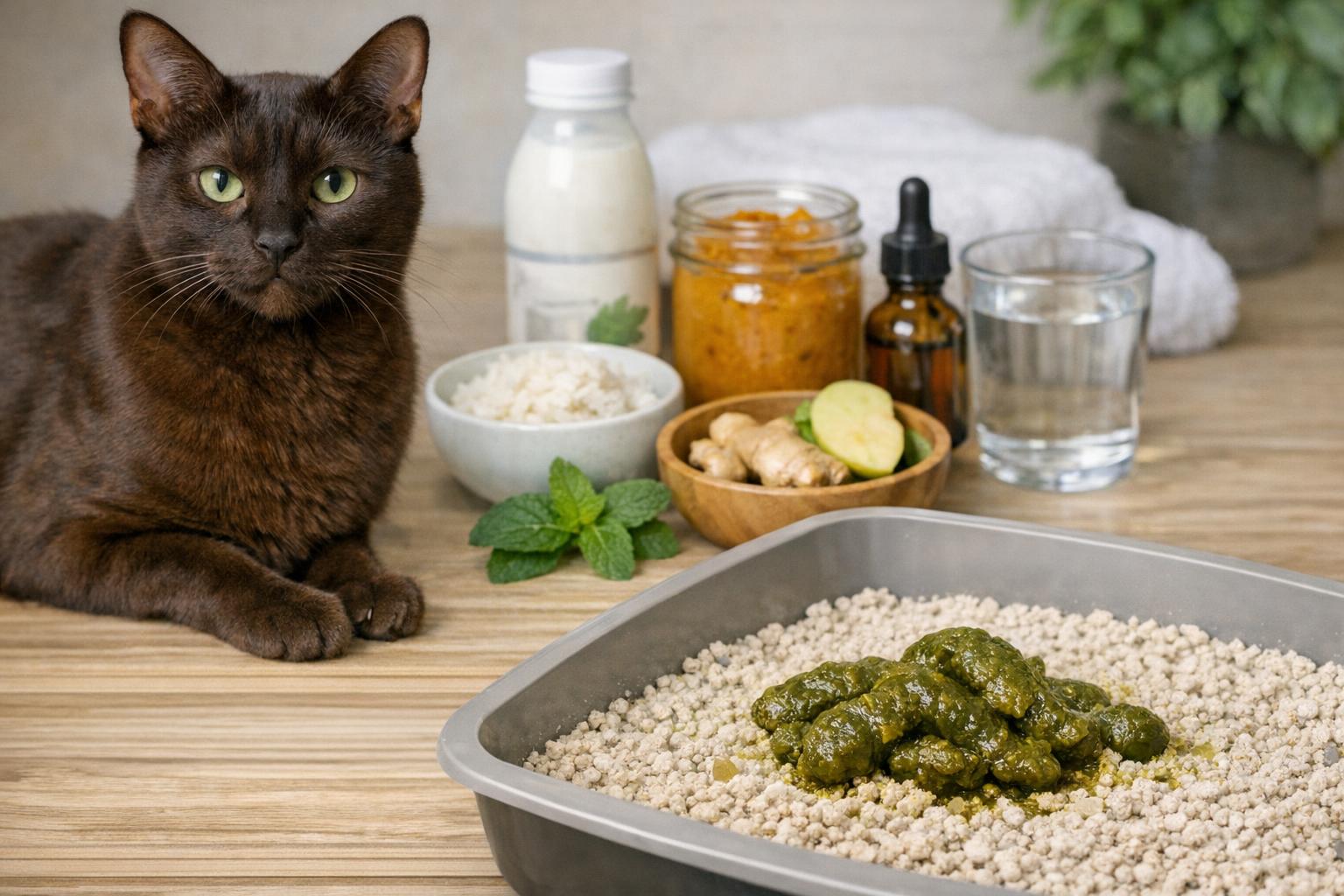
So your cat just left you a mysteriously emerald little present on the litter box floor. Not exactly the kind of interior design you were aiming for, but before you start composing an interpretive poem about it, let’s walk through what could be behind that color shift and what safe, practical home steps you can try. This is friendly, not judgemental—cats are drama queens, especially when it comes to their digestive tract.
## Recognizing Cat Green Stool: What It Looks Like And Why It Happens
Green poop in a cat can be startling, but the hue itself is less important than what’s causing it. The term “cat green stool” describes feces that trend toward green rather than the usual brown. Several reasons can produce that color:
– Bile pigment that hasn’t had time to change from green to brown because transit through the gut was sped up (diarrhea-style).
– Recently eaten grass, leafy greens, or plant material that retained pigment through digestion.
– Dietary additives or colored treats.
– Bacterial imbalance, parasites, or certain infections that alter digestion.
– Less commonly, toxins or medications that change stool color.
If the green tint appears once after your cat raided a plant or scarfed some spinach, that’s different from persistent green diarrhea accompanied by vomiting, fever, or lethargy. The phrase “cat green stool” will show up a bit in your internet searches, and that’s fine—just remember context matters. A single green episode after grass chewing is usually less alarming than ongoing loose, green stool.
### How Fast Transit Affects Color
When food moves quickly through the intestines, bile pigments (normally yellow-green) don’t get broken down into brown pigments by bacteria and time. The result: greenish output. That’s why diarrhea often looks greener than formed stool.
### When Color Comes From Food Or Supplements
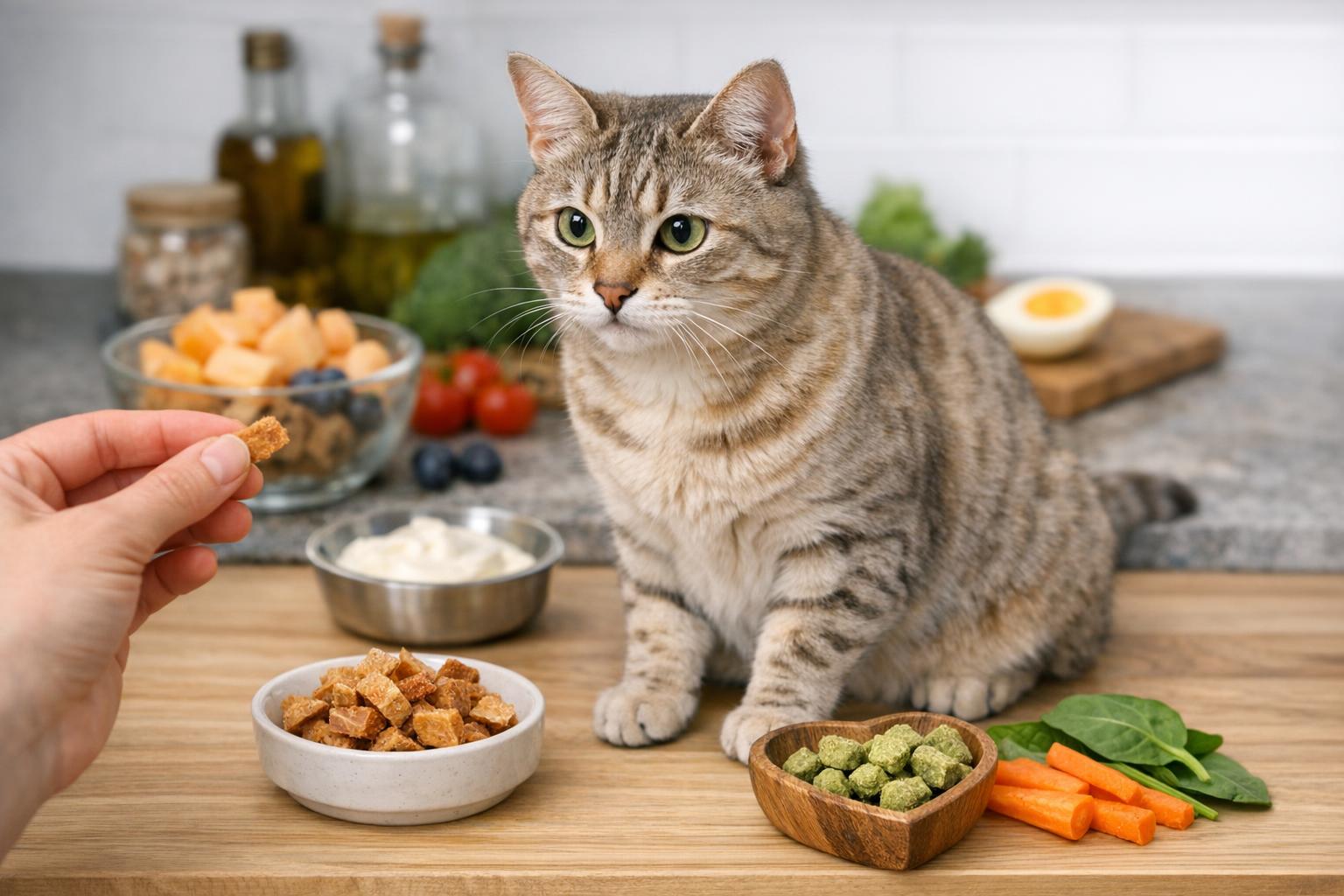
Cats nibbling on houseplants or consuming new wet food, supplements, or colored treats can produce green stool without underlying disease. Check the bowl, the plants, and the trash for evidence before panicking.
## Remedy 1: Bland Diet Adjustment For Mild Cases
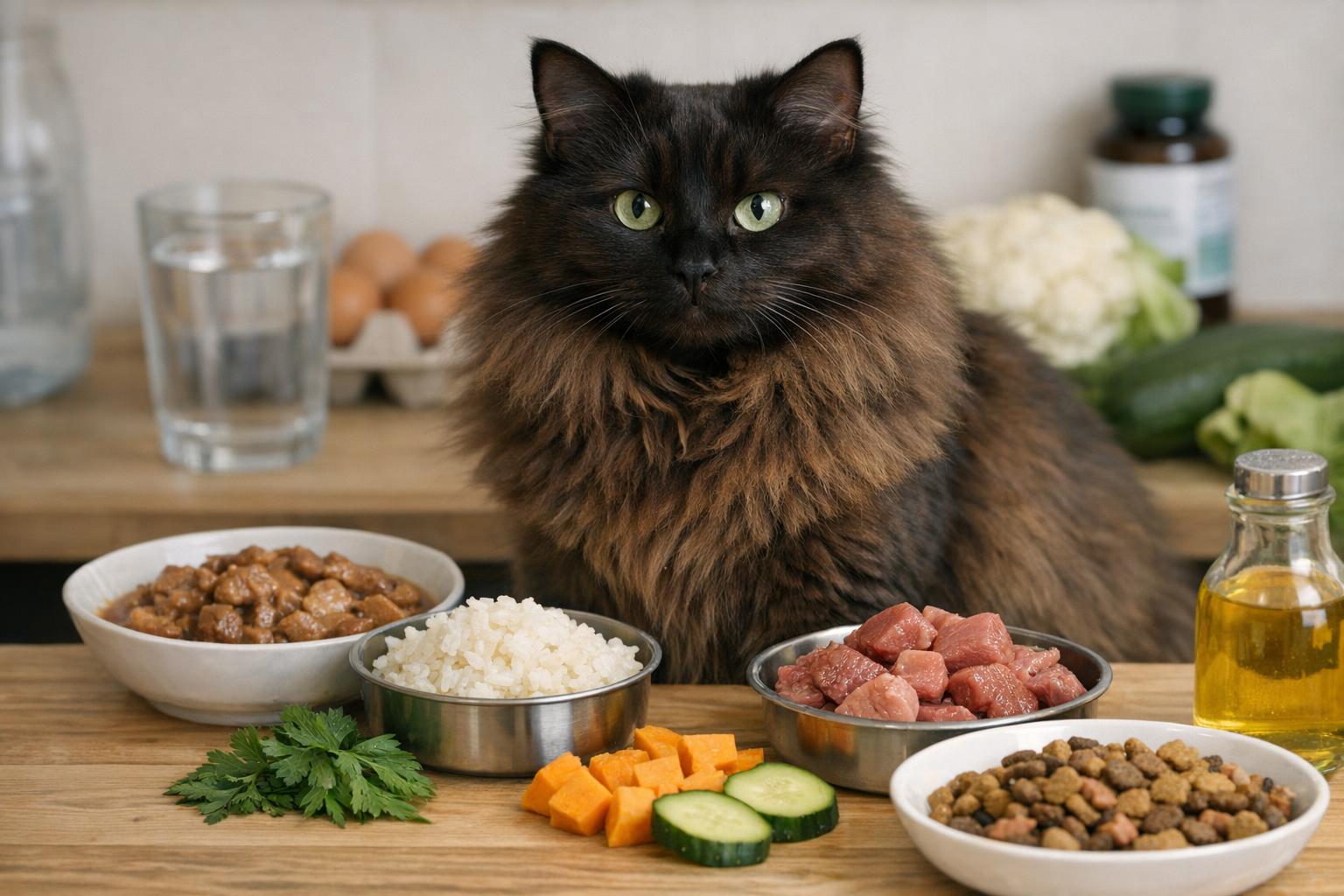
When the issue is mild and the cat is otherwise alert and eating, a temporary bland diet often helps normalize stool color and consistency. Below are formal, step-by-step instructions for implementation.
### When To Use A Bland Diet
Use this remedy for cats with mild, non-bloody diarrhea, no vomiting, normal activity, and good appetite. If your cat is a kitten, elderly, or shows any worrying signs, contact your veterinarian first.
### Ingredients Or Materials
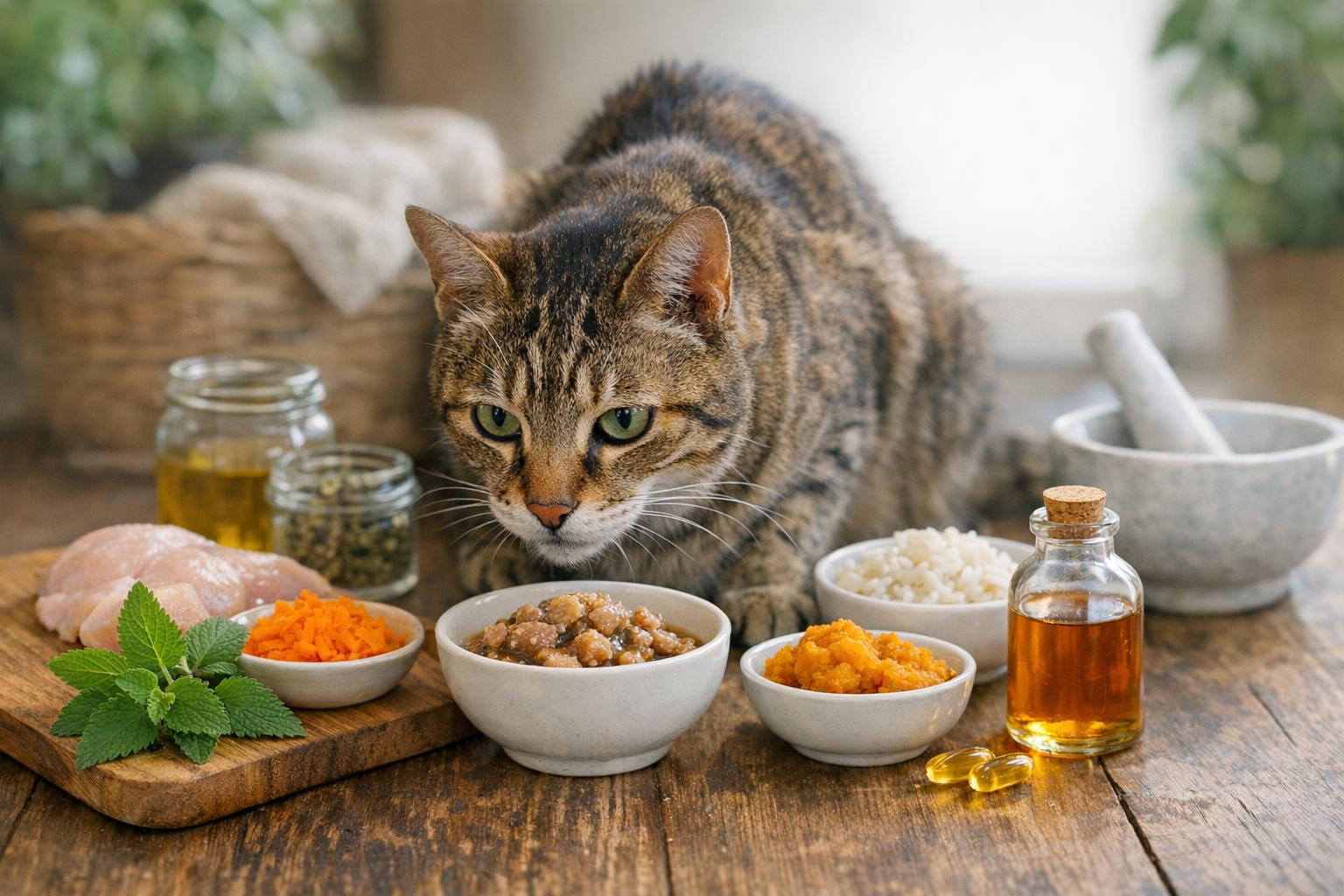
– Plain canned pumpkin (100% pumpkin, not pie filling)
– Cooked, skinless chicken breast (boiled, no salt)
– Plain white rice (well-cooked)
– Clean feeding bowls and measuring spoons
### Steps To Create And Apply
1. Prepare small, frequent meals: Mix one part shredded boiled chicken with one part white rice and add a teaspoon of canned pumpkin for a small cat (adjust up slightly for larger cats).
2. Serve modest portions every 4–6 hours rather than a full meal, watching for tolerance.
3. Maintain this bland diet for 24–48 hours if improvement occurs; gradually reintroduce regular food over 2–3 days by mixing increasing amounts of the normal diet with the bland mix.
4. Monitor stool color and consistency. If the “cat green stool” persists beyond 48 hours or worsens, stop home treatment and consult a vet.
Be strict: no dairy, fatty scraps, or treats during recovery, as these can prolong diarrhea.
## Remedy 2: Probiotic Support And Hydration Management
Supporting your cat’s gut flora and ensuring hydration are crucial when dealing with green diarrhea. Use this remedy when the cat is hydrated enough to drink and is not vomiting excessively.
### When To Use Probiotics And Hydration Measures
Appropriate for ongoing loose stool without systemic signs. If dehydration is suspected (sunken eyes, dry gums, lethargy), seek veterinary care immediately.
### Ingredients Or Materials
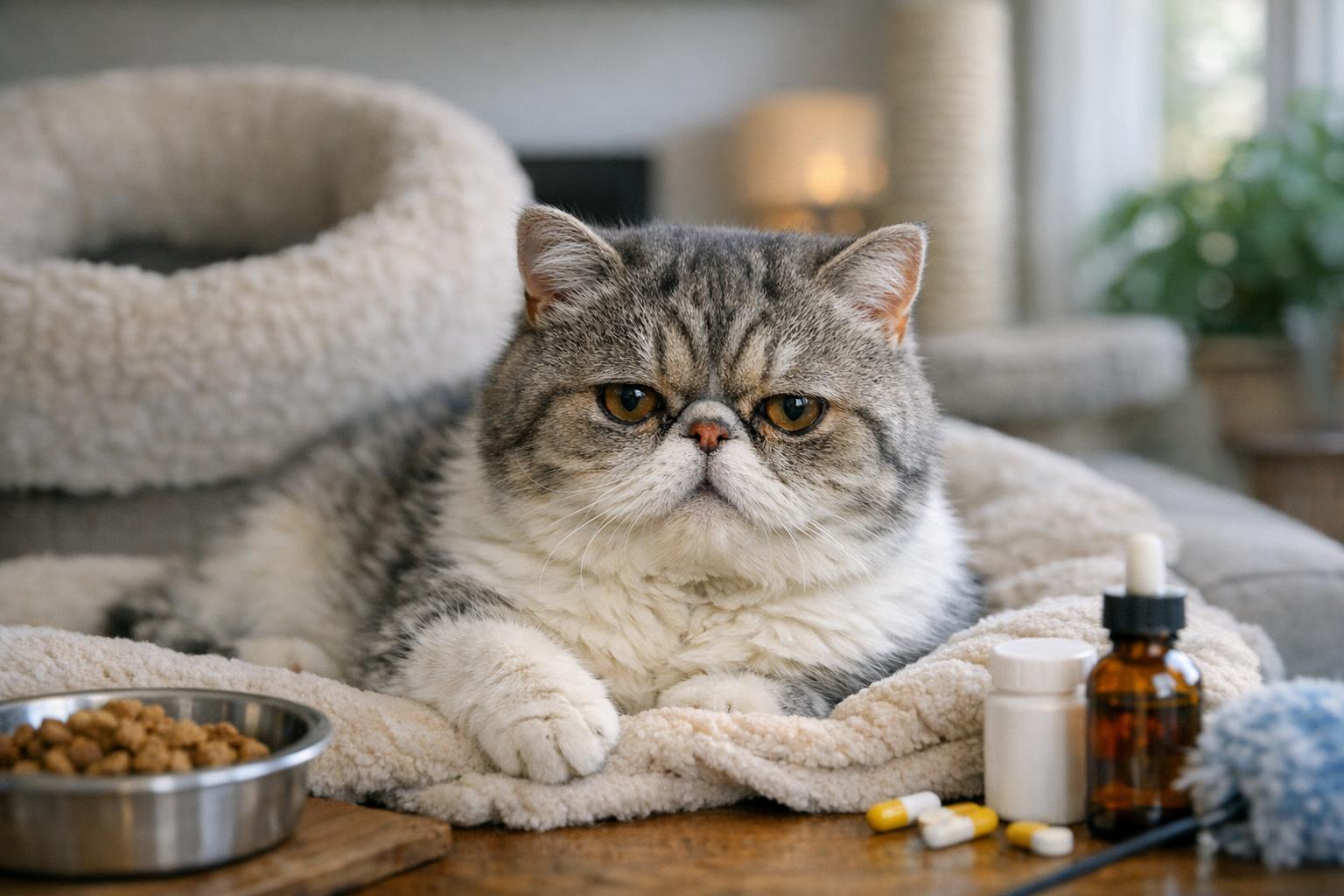
– Feline-specific probiotic paste or powder (veterinary formulations or products labeled for cats)
– Canned pumpkin (optional, as mild fiber)
– Clean water bowl and, if needed, a syringe (without needle) for administering fluids or probiotics
– Low-sodium, unflavored electrolyte solution only if recommended by your vet
### Steps To Create And Apply
1. Choose a probiotic made for cats and follow the product’s dosing instructions exactly. If unsure, consult your veterinarian about the appropriate brand and dose.
2. Administer probiotics once or twice daily as directed, either directly into the mouth (paste) or mixed into a small amount of food.
3. Encourage drinking by offering fresh water in multiple bowls and placing them around the house. Slightly warmed wet food can also increase fluid intake.
4. If your veterinarian approves an electrolyte solution, offer small amounts (a few milliliters at a time) to prevent dehydration; do not force large volumes.
5. Reassess stool over 48–72 hours. If “cat green stool” resolves, continue probiotic support for the prescribed duration to help restore gut balance.
The tone here is intentionally formal: use labeled veterinary products and follow directions carefully. Over-the-counter human probiotics vary widely; cats need species-appropriate strains and doses.
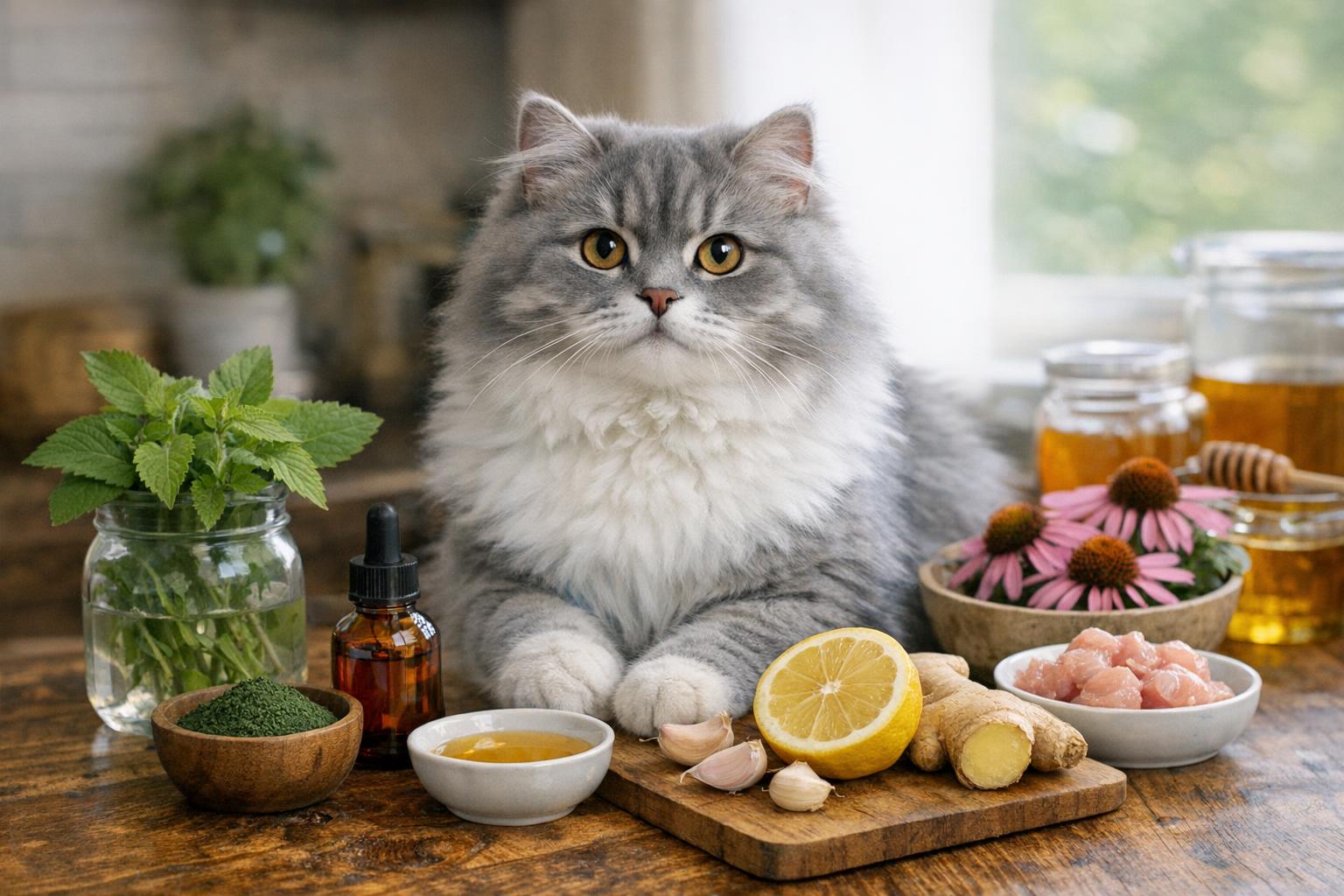
## Remedy 3: Slippery Elm Poultice For Soothing The Gut (Natural Binding Approach)
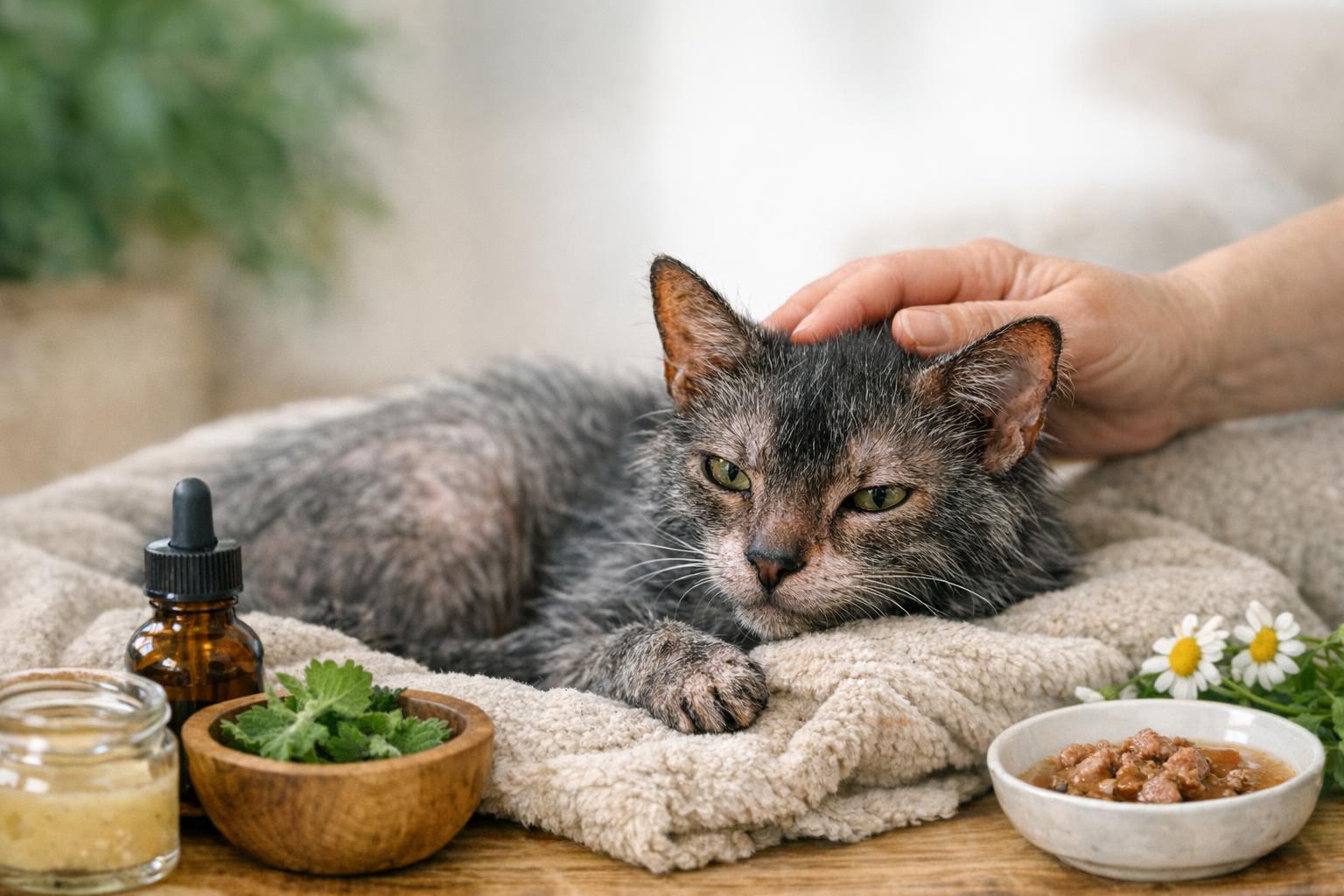
Slippery elm is a traditional herbal demulcent used to soothe irritated mucous membranes. When applied carefully, it can help firm stool by coating the gut. This is more of an adjunct remedy and should be used conservatively.
### When To Consider Slippery Elm
Use when mild diarrhea and stomach upset persist, and after discussing with a vet if your cat is on other medications (herbs can interact). Do not use in cases of total anorexia, severe dehydration, or blood in stool.
### Ingredients Or Materials
– Slippery elm powder (food-grade)
– Warm water
– Small spoon and bowl
– Measuring spoon
### Steps To Create And Apply
1. In a small bowl, mix 1/8 to 1/4 teaspoon of slippery elm powder with enough warm water to form a thin paste (consistency of cream).
2. For a small cat, offer 1/4 to 1/2 teaspoon of the paste by mouth using a spoon or mix into a tablespoon of canned food; larger cats may have slightly more—follow veterinary guidance.
3. Administer up to twice daily for no more than 3–4 days, monitoring for improvement.
4. If stool does not improve or if any adverse signs occur, discontinue use and contact your vet.
Use formal caution: slippery elm is not a substitute for veterinary care when infection or systemic disease is present.
### Red Flags That Mean A Vet Visit Now
If your cat displays any of the following, seek veterinary attention immediately:
– Persistent “cat green stool” lasting more than 24–48 hours
– Blood in stool or black, tarry feces
– Repeated vomiting or inability to keep down fluids
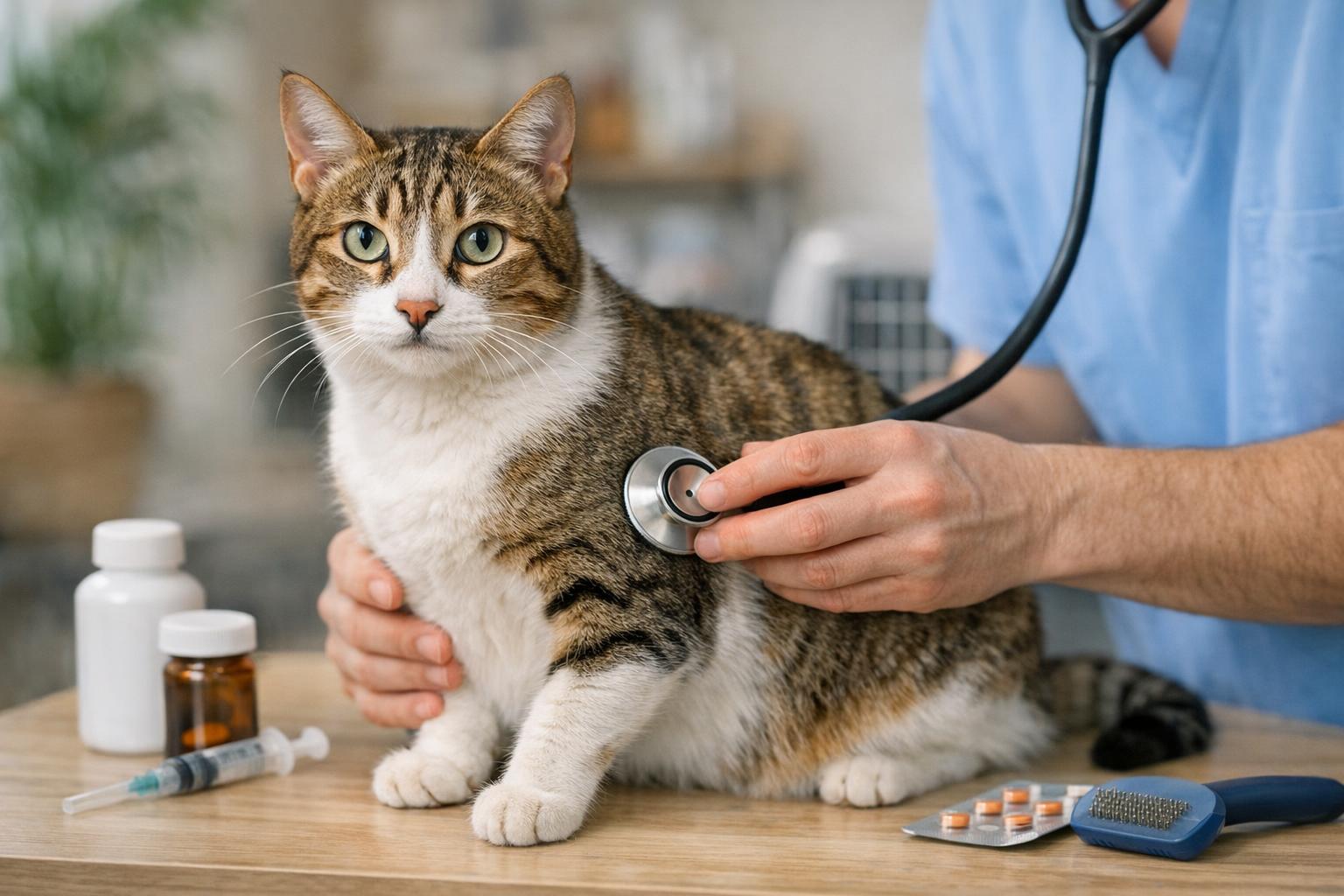
– Lethargy, collapse, fever, or signs of severe abdominal pain
– Kittens, senior cats, or cats with existing health conditions developing diarrhea
### Preventive Tips To Reduce Repeat Episodes
Limit access to houseplants, introduce dietary changes slowly over a week, avoid human foods and scraps, and keep litter box observations part of your regular routine—cats don’t always tell us when they feel off, but the box often does.
If your cat’s “cat green stool” was a one-off coincidence after a grazing incident, you might simply have a relieved cat and a cleaner litter box. If it becomes a mystery that won’t solve itself, a veterinary check can rule out parasites, infections, or more serious causes and get your feline friend back to normal—no emerald mysteries required.



Leave a Reply