






## Why Cat Stool Light Brown Happens And What It Means
If you’ve ever tiptoed into the litter box with a face that says “Is this normal?” you’re not alone. A cat’s poop color can be a handy health signal, and seeing cat stool light brown can trigger mild alarm—or mild curiosity, depending on your relationship with your cat. Light brown stool is often within the range of normal, but shifts in texture, frequency, or accompanying symptoms deserve attention.
### Normal Variations Versus Warning Signs
Stools can be influenced by diet, digestion speed, hydration, and medication. Diets with less fat and more fiber sometimes yield paler stools. However, pale or clay-colored stool can indicate bile flow issues or liver problems. If a light brown tone persists for more than a day or two, especially with lethargy, vomiting, or loss of appetite, consult your vet.
#### When To Call The Vet
– Persistent pale stool for 48 hours
– Diarrhea lasting more than 24–48 hours
– Blood in stool or black tarry stool
– Dehydration or refusal to eat
If any of the above are present, professional evaluation is necessary.
## Quick Home Checks Before You Panic
Before diving into remedies, do a quick assessment: what did your cat eat in the last 24–48 hours? New food, treats, or human food can change stool color. Has your kitty been on antibiotics recently? Antibiotics can alter gut flora and cause lighter stool. Also consider stressors—boarded cats, new pets, or travel can affect bowel habits.
### Observe Frequency And Consistency
Note whether the stool is loose, watery, formed but soft, or hard. Light brown, formed stool is usually less concerning than watery light brown diarrhea. Keep a small diary for 48 hours—time, stool description, food, and behavior. This helps both you and your vet.
## Remedy 1: Bland Diet And Hydration (Home First Aid For Acute Light Brown Diarrhea)
When a cat stool light brown and a little loose appears but your cat is otherwise bright, a bland diet and improved hydration are often the first line of conservative care. These interventions are straightforward and safe when your cat is stable.
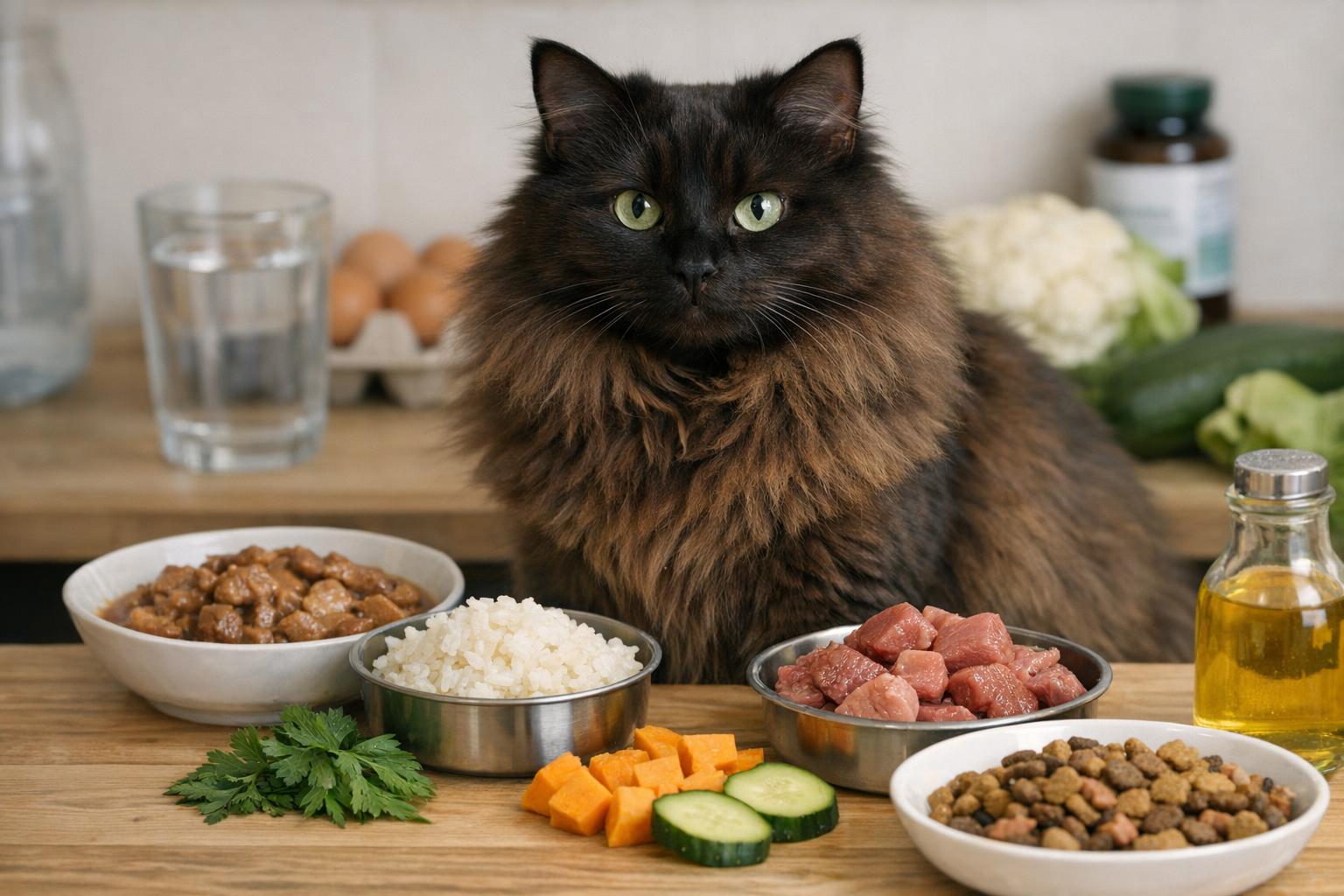
#### Ingredients / Materials
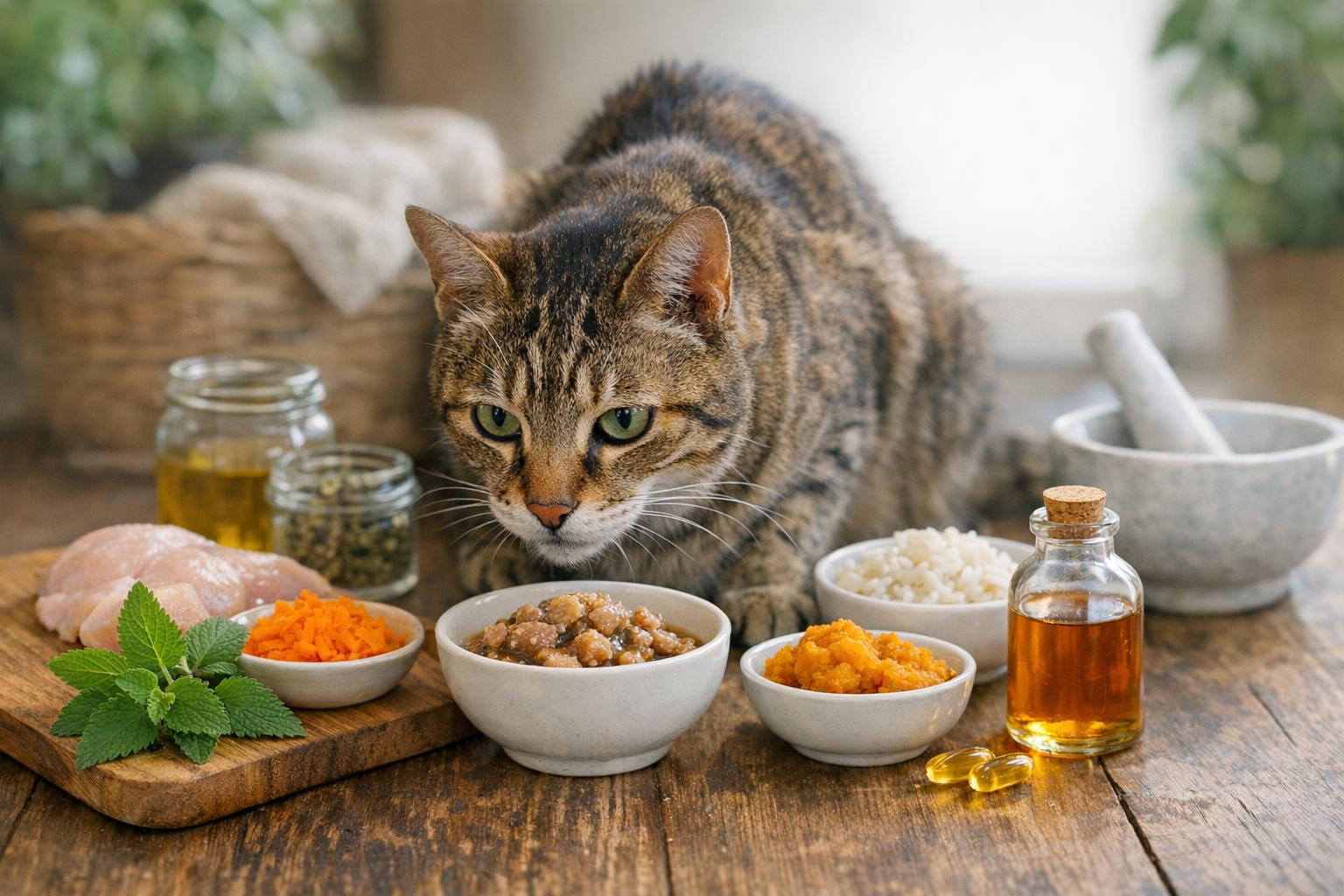
1. Plain canned pumpkin (not spiced pumpkin pie filling)
2. Boiled plain chicken breast (no salt, no seasoning)
3. Rice (plain, white)
4. Fresh water source or pet water fountain
5. Syringe (without needle) for offering fluids if needed
#### Step-By-Step Creation And Application
1. Prepare bland diet: Boil or poach chicken breast thoroughly, shred finely. Cook plain white rice until soft.
2. Mix: Combine 2 parts chicken to 1 part rice with a teaspoon of canned pumpkin per serving for an adult cat (adjust by size).
3. Offer small meals: Provide small portions every 4–6 hours rather than one large meal. Cats with GI upset often tolerate multiple small servings better.
4. Encourage hydration: Fresh water should always be available. If your cat drinks poorly, try a pet fountain or offer water with a syringe slowly (1–2 ml at a time) to avoid aspiration.
5. Monitor: If diarrhea improves and stool returns to normal color and form within 24–48 hours, gradually reintroduce regular food over 2–3 days.
## Remedy 2: Probiotics And Pumpkin (For Ongoing Mild Cases)
If cat stool light brown is accompanied by intermittent looseness but no severe signs, supporting the gut flora can help. Probiotics tailored for cats restore balance without dramatic side effects.
#### Ingredients / Materials
1. Veterinary-grade feline probiotic (powder or capsules designed for cats)
2. Plain canned pumpkin
3. Measuring spoon
4. Food scale or small measuring cup
#### Step-By-Step Creation And Application
1. Choose a probiotic: Purchase a product labeled for cats. Human probiotics may not survive feline GI conditions or contain inappropriate strains.
2. Dosage: Follow manufacturer or vet dosing instructions based on weight. Typical cat doses are small—often a quarter to half of a human dose.
3. Mix with food: Stir the probiotic powder into a small portion of wet food or the bland chicken-rice mix. Add about 1/2 teaspoon of canned pumpkin to provide soluble fiber that firms stools.
4. Administer consistently: Give daily for 5–14 days, reassessing stool. Some improvement may be seen within 48–72 hours.
5. Evaluate with vet: If improvement is partial or absent, consult your veterinarian for further testing or different probiotic strains.
## Remedy 3: Fiber Adjustment And Gentle Soothing Agents
Fiber can normalize transit time and bulk stool. For cats with recurring light brown stool or mild chronic diarrhea, adjusting fiber and using mucilaginous agents like slippery elm may help. Be formal and careful: dosing must be conservative and tailored to body weight.
#### Ingredients / Materials
1. Psyllium husk (unflavored) or a commercial cat fiber supplement
2. Slippery elm powder (food-grade)
3. Measuring spoons
4. Water for mixing
#### Step-By-Step Creation And Application
1. Select fiber: Use a cat-formulated fiber supplement when possible. If using psyllium, start very small—about 1/8 to 1/4 teaspoon for adult cats mixed into wet food once daily.
2. Prepare slippery elm: Mix 1/8 teaspoon slippery elm powder into a tablespoon of warm water to make a paste.
3. Combine: Add the fiber and slippery elm paste to the cat’s meal. These substances coat and soothe the intestinal lining and can help firm stools.
4. Administer for up to 7–10 days: Observe stool quality and appetite. If constipation develops or there’s no improvement, discontinue and contact your vet.
5. Adjust dose with vet guidance: Longer-term fiber management should be supervised by a veterinarian to avoid nutritional imbalances.
## When Over-The-Counter Remedies Are Helpful And When They’re Not
Some over-the-counter anti-diarrheal products for pets exist, but human medications can be dangerous. Avoid using human anti-diarrheals without veterinary approval. Loperamide, for example, can be toxic to certain breeds and interacts with other drugs.
### Safe Practices
– Use only products labeled for cats or recommended by your vet.
– Keep a record of any medication or supplement given.
– Reassess within 24–48 hours and seek vet care if no improvement.
## Monitoring And Preventive Tips For Litter Box Peace Of Mind
A few routines reduce the chance of surprises in the litter box. Keep diet consistent, introduce new foods slowly over 7–10 days, and avoid frequent treat changes. Regular deworming and fecal checks help catch parasites that may cause light brown or loose stool. If your cat has been stressed—new animals, moving homes, or loud construction—expect temporary digestive upset.
### When To Revisit The Vet
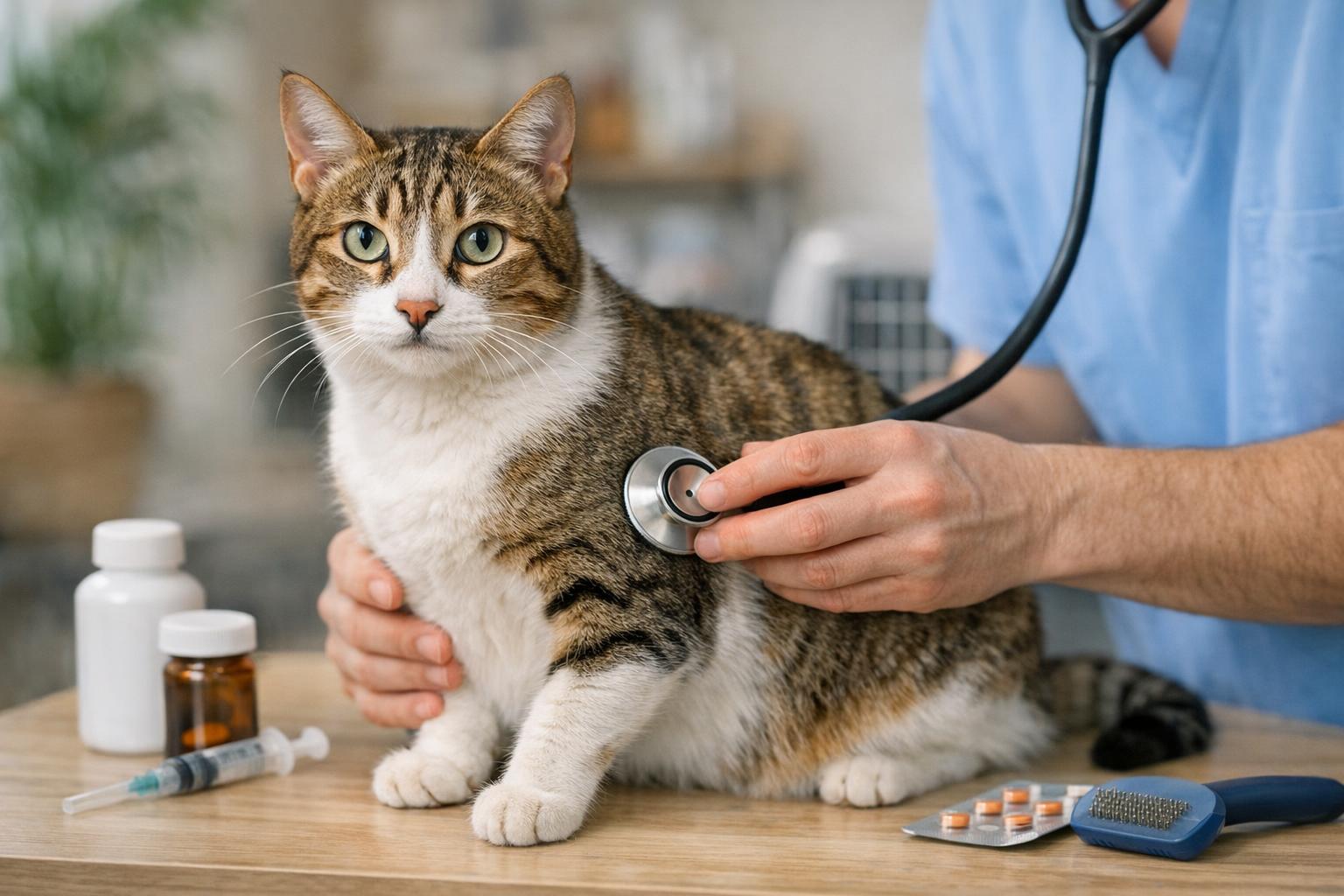
If cat stool light brown persists beyond 48 hours with any change in behavior, appetite, or hydration, or if you see blood or black tarry stool, schedule a vet visit. Diagnostics may include fecal testing, bloodwork, and imaging to rule out infections, parasites, inflammatory bowel disease, or organ dysfunction.
## Practical Litter Box Notes And Safety
Record-keeping: Take photos if color changes recur or are puzzling. Bring a fresh stool sample to the vet when asked. Clean the box regularly so you’re noticing true changes rather than delayed evidence. Remember: cats hide illness well, so a small change in stool can be an early clue.
### Final Practical Tip
Keep a small “diarrhea kit” in your pet stash: canned pumpkin, a feline probiotic, a plain chicken-and-rice plan, and the vet’s contact info. That way, when the next cat stool light brown episode happens at 2 a.m., you won’t be reading forums blindfolded.
(That said, if your cat seems very unwell, don’t DIY your way through serious signs—call your vet. Comedy is for humans; cats prefer competent caretaking.)




Leave a Reply