



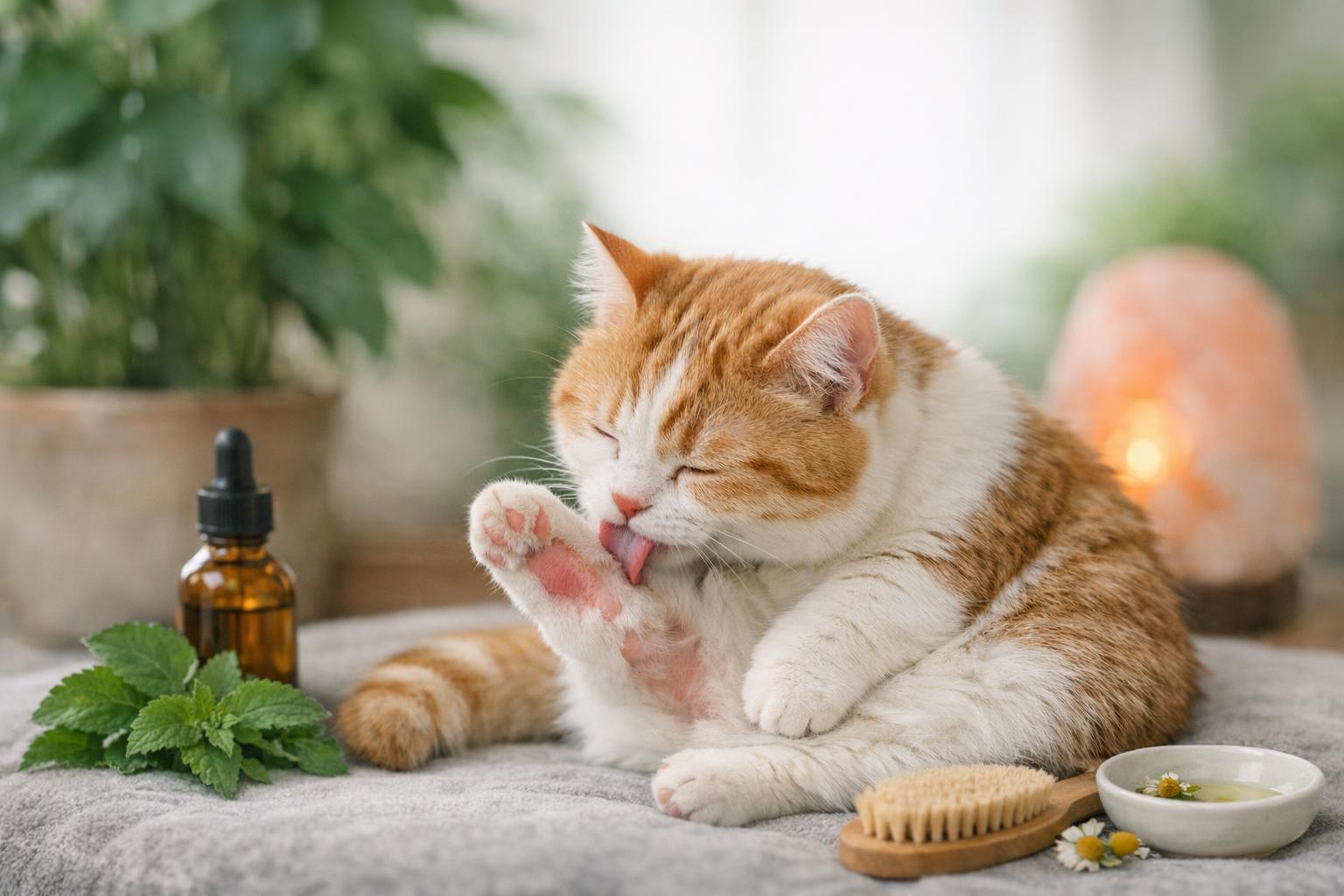
Cats are meticulous groomers by nature, but when that grooming becomes excessive it can lead to bald patches, skin irritation, and stressed-out kitties (and owners). This guide aims to help you reduce cat overgrooming gently, with natural strategies and a couple of do-it-yourself remedies that are safe and practical. Think of it as a friendly nudge toward calmer fur and fewer kitty lint tumbleweeds on your couch.
## Understanding Cat Overgrooming
If your cat is suddenly spending more time licking, biting, or rubbing than usual, that behavior has a cause. Cat overgrooming is a symptom, not a personality quirk. It can be protective (trying to soothe an itch), communicative (reaction to pain or anxiety), or simply a displaced behavior when things at home feel off.
### Why Cats Groom Too Much
Grooming is soothing for cats and helps keep their coat clean, but when it escalates into overgrooming the reasons usually fall into a few categories: physical irritation, allergy, pain, stress, or boredom. A single trigger or a combination of factors can push a cat from “fastidious” into “fur-fixated.”
#### Common Medical Causes
– Parasites (fleas, mites)
– Allergies (food, environmental)
– Skin infections (bacterial, fungal)
– Pain from arthritis or dental problems
– Hormonal imbalances (thyroid issues)
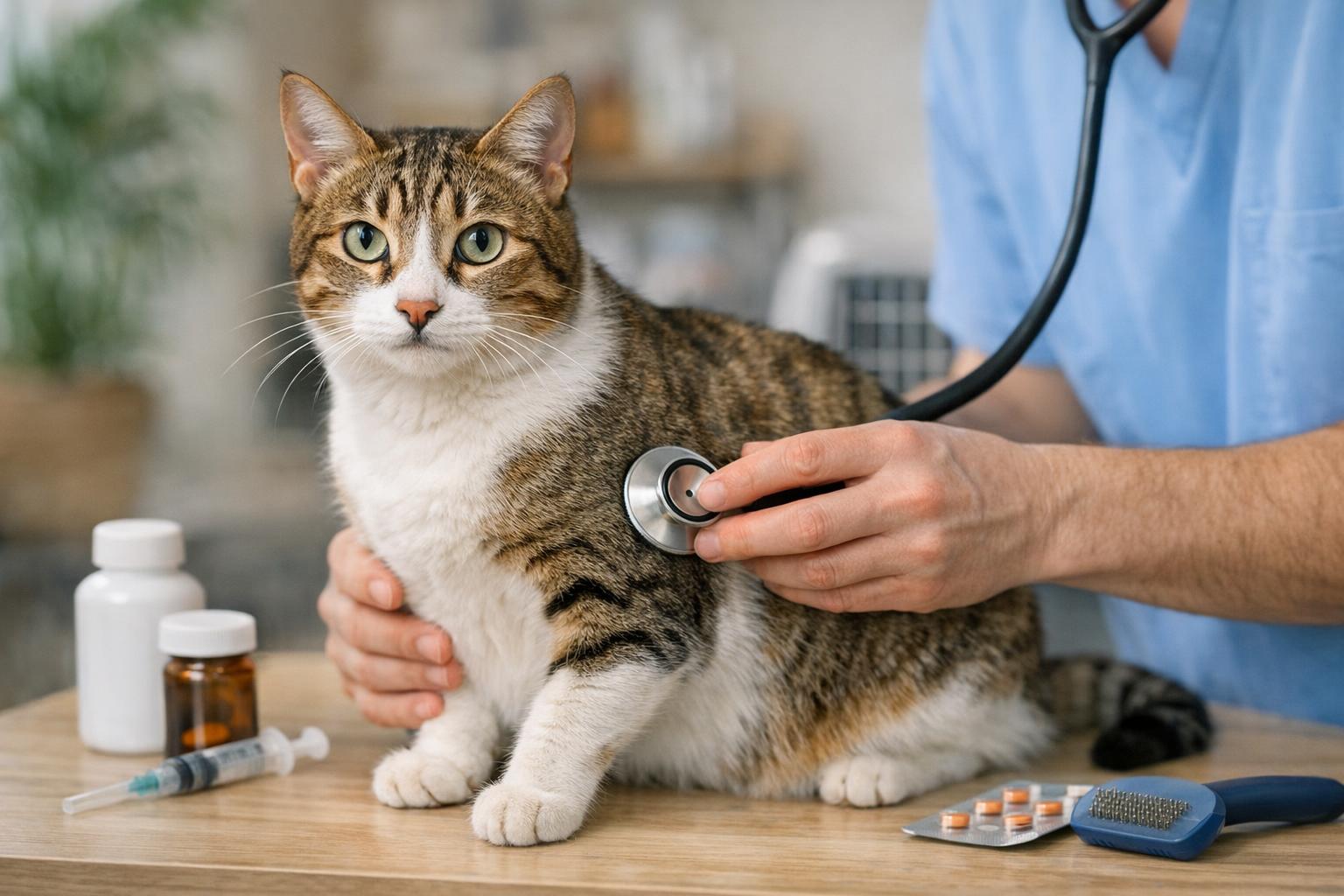
If you suspect any of these, a veterinary exam and appropriate diagnostics are necessary before trying behavioral interventions.
### Behavioral And Environmental Triggers
Cats are sensitive to change. New pets, new people, rearranged furniture, or even shifts in your routine can stress cats. In many cases, cat overgrooming is an outward sign of inner stress. Boredom is another culprit: a lonely indoor cat with limited stimulation may overgroom out of frustration.
## Gentle Natural Strategies To Reduce Cat Overgrooming
Before trying home remedies, confirm there’s no underlying medical issue with a vet. If the medical check is clear, try these natural, low-risk strategies to reduce cat overgrooming. Use them consistently—cats like routines more than we do.
### Enrich The Environment
Create opportunities for natural behaviors. Place vertical perches, offer interactive toys, and rotate play items to keep novelty. A daily play session of 5–10 minutes before feeding can mimic hunting and reduce stress-related grooming tendencies.
### Improve Social And Sensory Comfort
Consider pheromone diffusers designed for cats (synthetic Feliway-type products). While these aren’t “natural” in the botanical sense, they’re non-drug tools that can reduce anxiety. Soft bedding, quiet hiding spots, and predictable daily routines also help.
#### Diet And Supplements
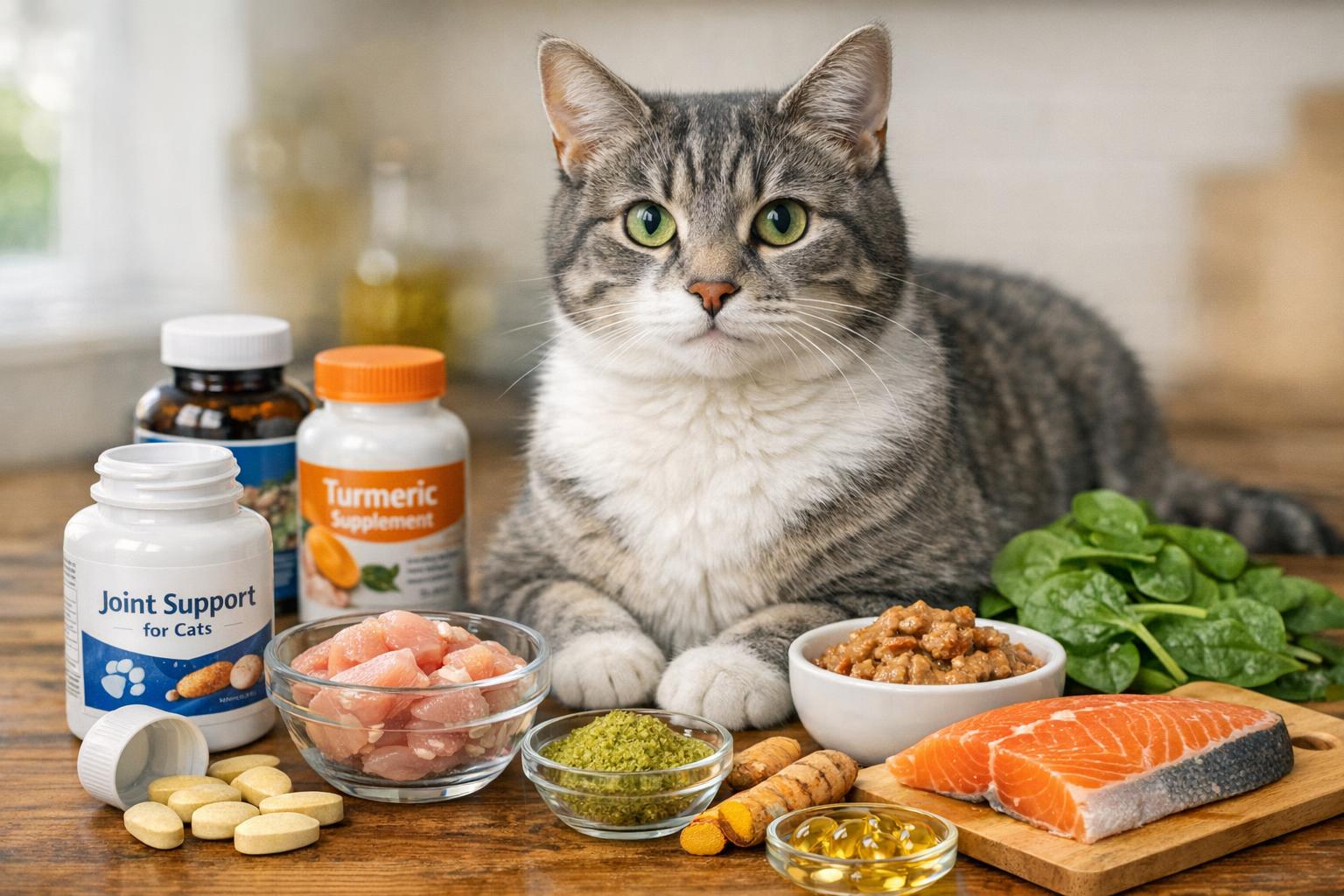
High-quality, balanced nutrition supports skin health. Consider discussing with your vet an omega-3 supplement (fish oil) to help reduce skin inflammation. Probiotics and a limited-ingredient diet can be helpful if food sensitivities are suspected. Always consult a veterinarian before adding supplements.
### Gentle Handling And Training
Avoid punishment. If you catch your cat mid-groom, gently redirect with a toy or a calm call. Positive reinforcement—treats for engaging with toys, calm behavior, or using perches—works much better than scolding.
## Remedy 1: DIY Calming Spray (Essential Oil-Free)
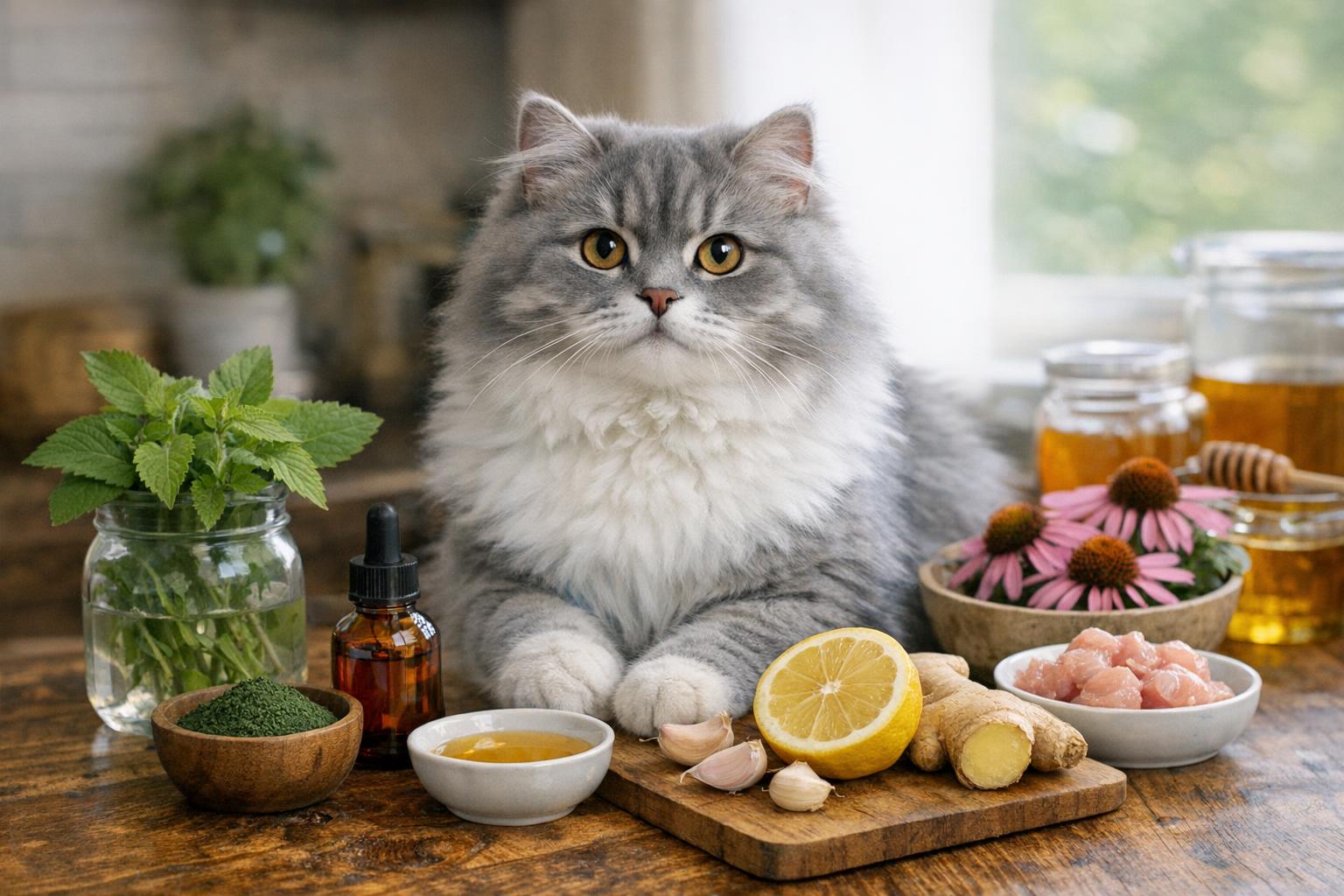
When using calming sprays for cats, avoid essential oils; many are toxic to felines. This remedy uses cat-safe herbal extracts and water to create a gentle environment spray. Formal instructions follow.
Ingredients / Materials:
– 1 cup distilled water
– 2 teaspoons vegetable glycerin (binds and preserves the herbal infusion)
– 2 tablespoons dried chamomile flowers
– 1 tablespoon dried lemon balm (Melissa) or dried catnip (Nepeta) — choose based on your cat’s response
– Small saucepan and heat-proof jar with lid
– Fine mesh strainer or cheesecloth
– 4 oz spray bottle (glass preferred)
Creation And Application (Steps):
1. Combine the chamomile and lemon balm (or catnip) in a heat-proof jar.
2. Bring 1 cup of distilled water to a simmer in a saucepan, then pour it over the herbs in the jar to cover them completely.
3. Add the vegetable glycerin, stir gently, and cap the jar. Let the herbs steep for 30–60 minutes in a warm place, covered.
4. Strain the liquid through a fine mesh strainer or cheesecloth into a bowl. Press the herbs gently to extract the infusion but avoid over-squeezing plant debris.
5. Allow the infusion to cool to room temperature, then pour into the spray bottle.
6. Test a small area: spray lightly on bedding or in the air away from the cat, not directly on skin or face. Observe your cat’s reaction for 24 hours.
7. Apply by spritzing lightly around the cat’s favorite resting areas once or twice daily. Replace the mixture every 7–10 days; discard if it develops an odor or cloudiness.
Notes: Chamomile and lemon balm are generally calming and well tolerated, but individual sensitivities vary. If your cat shows agitation, respiratory signs, or any adverse reaction, stop use immediately.
## Remedy 2: Soothing Oat And Chamomile Compress For Irritated Skin
This topical compress is for localized, mild skin irritation (not open wounds or infections). If skin is broken, draining, or painful, consult your veterinarian first. The following procedure is clinical in tone and should be followed precisely.
Ingredients / Materials:
– 1/2 cup rolled oats (not instant)
– 2 tablespoons dried chamomile or 1 chamomile tea bag
– 2 cups distilled water
– Clean muslin cloth or sterile gauze pads
– Clean towel
– Small saucepan and bowl
Creation And Application (Steps):
1. Place the oats in a blender or food processor and pulse to a fine powder (oat flour).
2. In a small saucepan, bring 2 cups distilled water to a gentle simmer. Remove from heat.
3. Add the crushed oats and chamomile to the hot water. Allow to steep, stirring occasionally, for 10–15 minutes until the water cools to a lukewarm temperature.
4. Strain the liquid through a fine mesh strainer into a clean bowl, discarding solids.
5. Fold the muslin cloth or gauze and soak it in the strained liquid until saturated. Wring gently to avoid dripping.
6. Apply the warm, not hot, compress to the affected area for 5–10 minutes. Hold gently in place; do not force the cat to stay if stressed.
7. Repeat two to three times daily for up to 5 days. Monitor the skin: if redness, swelling, or discharge develops, discontinue use and consult a veterinarian.
Notes: This compress reduces mild inflammation and can soothe itchy skin. Maintain strict hygiene—use fresh compresses each time and launder cloths between uses to prevent contamination.
### Physical Alternatives And Barriers
If your cat targets a particular spot, a protective barrier like a soft, well-fitted recovery collar or a breathable sock temporarily placed over a paw (if that’s the problem area) may prevent further damage while healing occurs. Use these only under supervision and ensure your cat can eat and drink comfortably.
## Monitoring Progress And When To Seek Help
Track frequency and location of grooming sessions. A simple notebook or phone shortcut to jot down episodes helps identify triggers or improvements. If the behavior persists, worsens, or if you see signs of infection, decline in appetite, weight loss, or dramatic behavior changes, consult your veterinarian promptly. Behavioral medicine specialists or certified cat behaviorists can offer tailored plans when standard interventions fall short.
## Practical Tips For Long-Term Success
– Keep vet appointments up to date and address medical issues first.
– Maintain a consistent daily routine—meals, play, and quiet time at predictable intervals.
– Introduce new pets or household changes slowly; allow gradual sniffing, visual access, and safe retreats.
– Rotate toys and introduce puzzle feeders to keep mental engagement high.
– Be patient: changing a repetitive behavior takes weeks to months, not days.
A calm, enriched environment paired with careful, vet-approved natural remedies can make a meaningful difference for cats struggling with overgrooming. Small, consistent changes often yield the biggest wins—for both fur and family harmony.










Leave a Reply