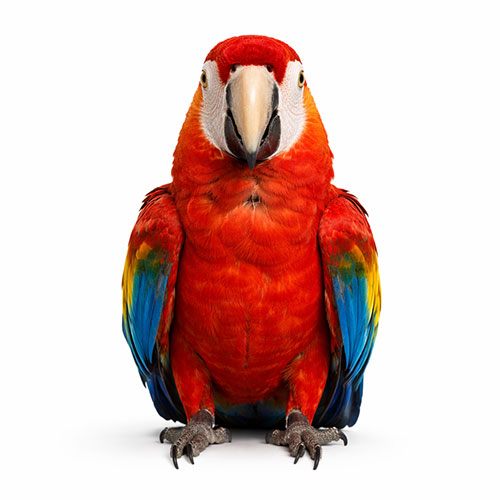
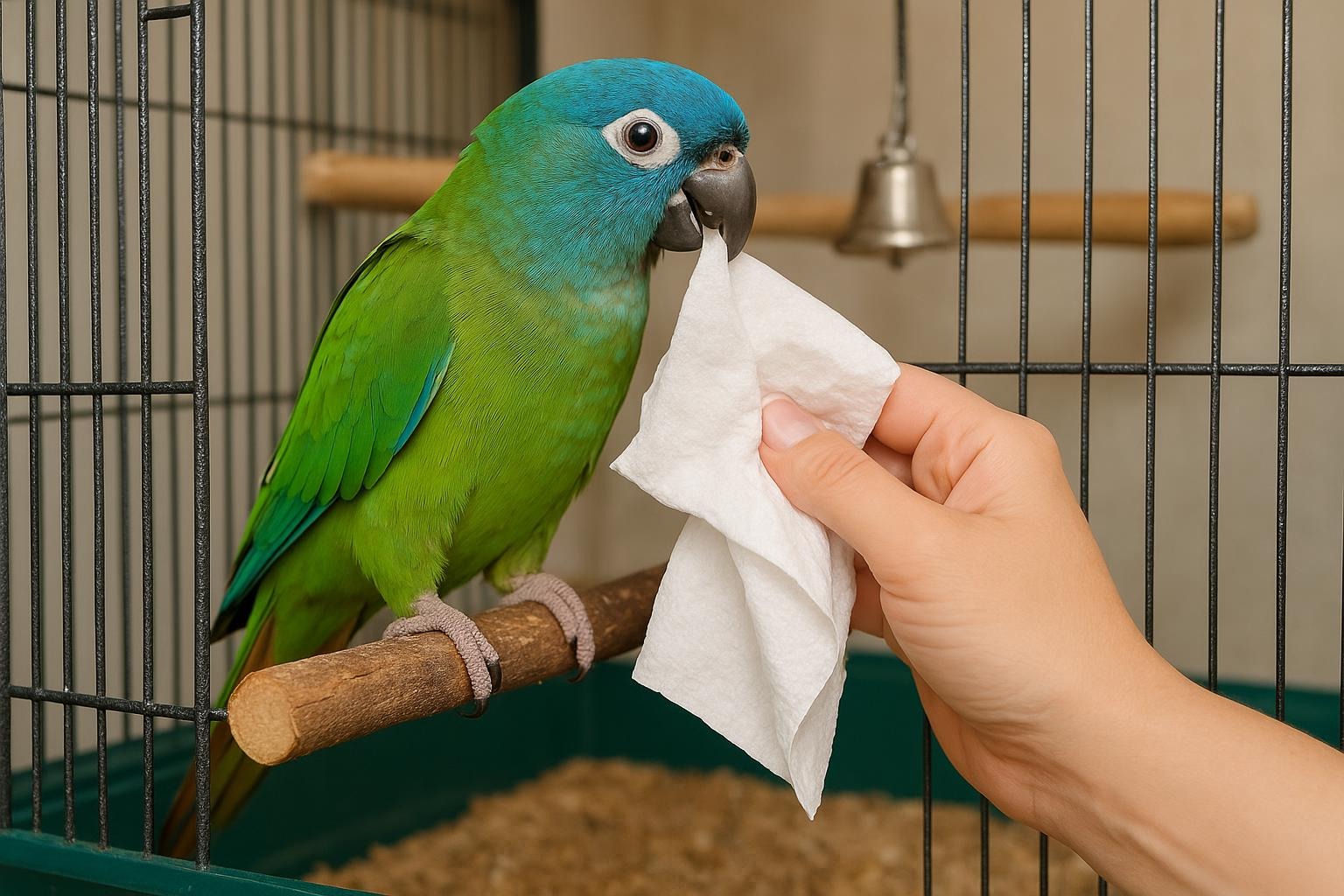
Keeping a bird’s home sparkling doesn’t mean you need industrial cleaners or a small hazmat suit (though the feathers might appreciate the dramatics). With a few smart routines, natural products, and the right mindset, your feathered friend will have a clean, safe space and you’ll spend less time scrubbing and more time enjoying chirps and antics. Below are practical, vetted bird cage cleaning hacks that work for busy folks and fussy birds alike.
## 1. Vinegar-Based Deep Clean — Bird Cage Cleaning Hacks
If you only implement one of these bird cage cleaning hacks, make it this one. White distilled vinegar is a gentle disinfectant that’s bird-safe when thoroughly rinsed, inexpensive, and great at breaking down mineral deposits, dried droppings, and food residue.
### Materials
– White distilled vinegar
– Warm water
– Soft scrub brush or toothbrush
– Spray bottle
– Basin or bathtub for soaking
– Clean towels
– Gloves (optional)
### Step-By-Step Creation And Application (Formal)
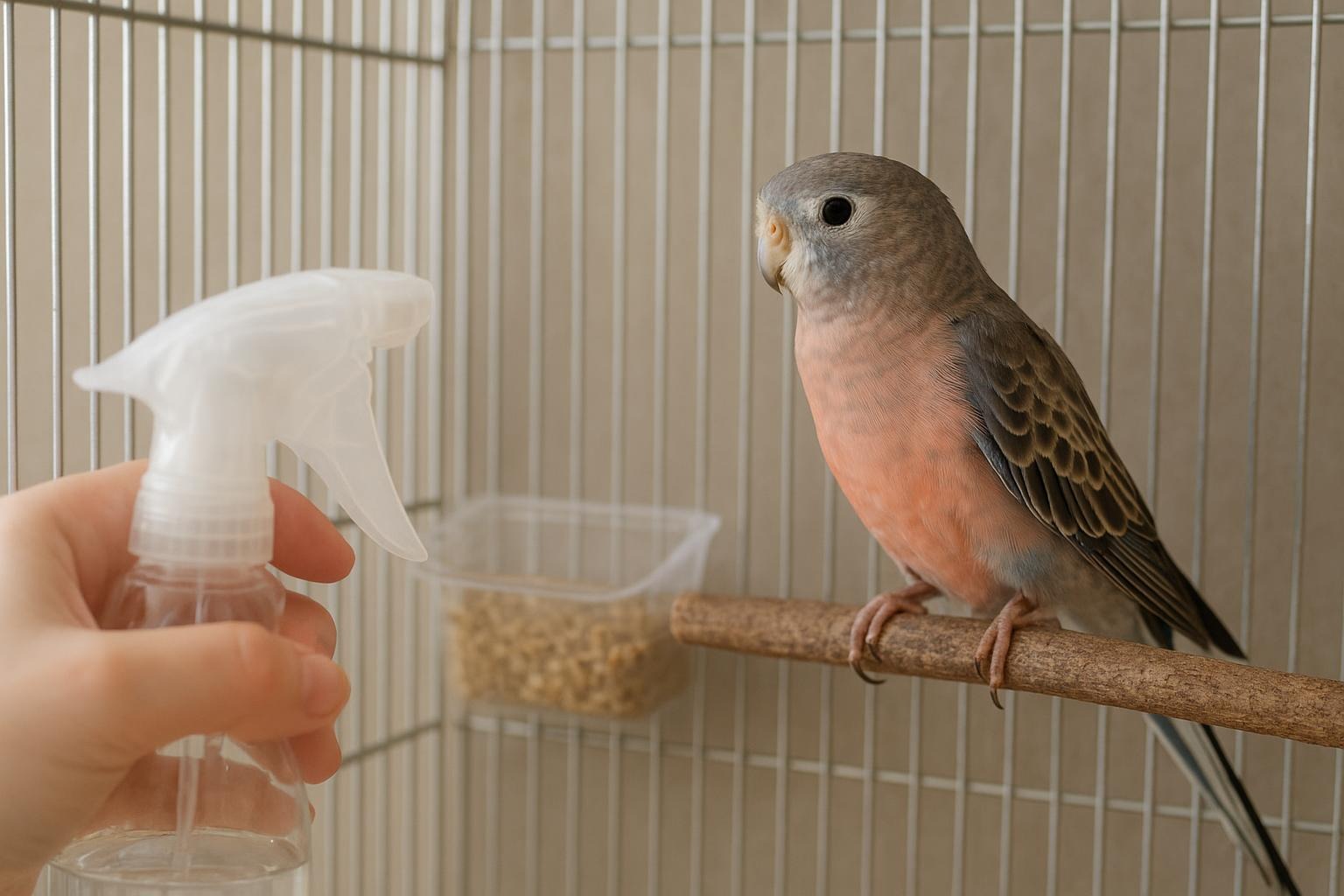
1. Prepare Solution: Mix one part white distilled vinegar to two parts warm water in a spray bottle for general surface cleaning. For heavy scaling or mineral buildup, prepare a 1:1 vinegar-to-water solution and allow a longer contact time.
2. Empty And Disassemble Cage: Remove the bird (place in a safe temporary enclosure), toys, perches, food and water dishes, and slide-out trays. Disassemble bars and accessories if the cage permits.
3. Soak Removable Parts: Submerge dishes, trays, and non-wooden perches in the vinegar solution for 15–30 minutes. This softens droppings and loosens grime.
4. Scrub: Use a soft brush to scrub surfaces. For crevices and corners, employ an old toothbrush. Avoid steel wool or abrasive pads that can damage coating or create sharp edges.
5. Rinse Thoroughly: Rinse every item and the cage frame with potable water until no vinegar odor remains. Residual vinegar is not toxic but can be irritating to birds if concentrated.
6. Dry Completely: Wipe down and allow all items to air-dry fully before reassembly. Moisture trapped in crevices can promote mold growth.
7. Reassemble And Replace: Put clean toys, perches, and fresh liners/droppings trays back in the cage and return the bird.
## 2. Baking Soda Paste For Stubborn Stains
Baking soda is mildly abrasive and excellent for scouring without harsh chemicals. This is one of the gentler bird cage cleaning hacks for removing baked-on droppings and grime.
### Materials
– Baking soda
– Warm water
– Small bowl
– Soft brush or sponge
– Cloth for rinsing
### Step-By-Step Creation And Application (Formal)
1. Mix Paste: Combine baking soda with enough warm water to form a spreadable paste (roughly 3 parts baking soda to 1 part water).
2. Apply: Spread the paste on affected areas and allow it to sit for 10–15 minutes. For metal crevices, use a toothbrush to work the paste into joints and corners.
3. Agitate: Gently scrub the area with a brush using circular motions until the residue loosens.
4. Rinse Completely: Wipe away the paste and rinse the area with clean water until no baking soda remains.
5. Dry: Allow to air-dry completely. Repeat application for persistent stains.
### Note On Porous Materials
Do not use baking soda paste on untreated wood perches or accessories, as it can be absorbed. For wooden items, opt for thorough scrubbing with warm water and a vapor or steam treatment instead.
## Daily And Weekly Routines To Keep It Manageable
Consistent micro-cleaning makes the big weekly scrub far less painful. Adopt a quick daily and weekly rhythm.
### Daily Routine (5 Minutes)
– Replace food and water with freshly washed dishes.
– Spot-clean visible droppings, especially from perches near meal areas.
– Replace or shake out the cage liner or newspaper if heavily soiled.
### Weekly Routine (20–30 Minutes)
– Remove bird, toys, perches and dishes.
– Discard and replace bedding/tray liners.
– Use the vinegar solution for a thorough wipe-down of bars and tray.
– Rotate and wash toys and perches; replace cracked items.
These practical bird cage cleaning hacks reduce bacterial load and keep odors low without scaring your bird with strong chemicals.
## Natural Deodorizers And Odor Management
Odor control doesn’t mean masking with perfumes (birds don’t appreciate that) — it means managing moisture and microbial growth.
### Suggested Materials
– Baking soda (in a shallow, covered dish placed near but not in the cage area)
– Activated charcoal sachets placed nearby
– Fresh citrus peels removed promptly (use sparingly and ensure your species can safely handle citrus exposure)
– Paper-based liners changed regularly
Use moisture control as the primary strategy: dry environments discourage bacterial odor production. Ventilation and sunlight (indirect) help, but avoid direct, drafty sun exposure that stresses birds.
## Toy And Perch Care: Rotations And Cleaning Frequency
Toys and perches are bacterial hotspots due to contact with food, feet, and beaks.
### Recommended Schedule
– Dishes: Daily washing with hot water; weekly vinegar soak.
– Toys: Rotate weekly; wash every rotation. For wooden toys, brush off debris and allow to dry; for plastic, disinfect with vinegar solution and rinse.
– Natural wood perches: Rotate and scrub weekly; replace if integrity is compromised.
Cleaning perches and toys thoroughly reduces the frequency of deep-cage scrubs — another smart bird cage cleaning hacks tip.
## Quick Disinfectant Options That Are Bird-Safe
When extra disinfection is needed (e.g., after illness), use bird-safe options.
### Materials
– White vinegar
– 3% hydrogen peroxide (for non-porous surfaces and only when appropriate)
– Clean water for thorough rinsing
Procedure: Use diluted solutions and always rinse thoroughly. For hydrogen peroxide, apply to a cloth and wipe surfaces, then rinse; never spray directly in occupied areas. Use these disinfectants sparingly and only when the bird is safely out of the space and items are fully rinsed.
## Handling Mess Without Hassle: Tools And Small Tricks
A few inexpensive tools transform your approach:
– A tray or mat under the cage to catch seed hulls for easy sweep-up.
– A small hand vacuum or shop vac with a bird-safe filter for quick debris pickup (run outside or away from the bird).
– Microfiber cloths for fast, efficient cleaning.
Place a washable blanket or sheet under the cage during deep cleans to make cleanup easier (shake outside to remove loose debris).
## When To Deep Clean More Often
Certain conditions call for increased frequency:
– Baby birds or multiple birds increase waste and disease risk.
– Illness in the flock requires daily disinfecting and removal of extra contamination.
– Warm, humid conditions accelerate microbial growth — deep clean sooner.
These are practical checkpoints for using the bird cage cleaning hacks above more frequently.
## Travel And Temporary Housing Cleaning
If you use carriers or travel cages, apply the same rules: clean between uses with the vinegar solution, rinse, and dry. For temporary housing, prefer non-porous plastic carriers that can be disinfected readily.
## Safety Notes And Common Mistakes
– Never use bleach around birds unless professionally advised. Residual fumes are dangerous.
– Avoid essential oils near birds; many are toxic or irritating.
– Always rinse thoroughly after cleaning; birds are sensitive to chemical residues.
– Test new toys and perches for durability to avoid ingestion hazards.
A little planning and safe, simple ingredients can turn cage cleanup from an ordeal into a quick routine. Think of these bird cage cleaning hacks as freedom: less time cleaning, more time watching your bird do that inexplicable little dance that always makes your day.



Leave a Reply