
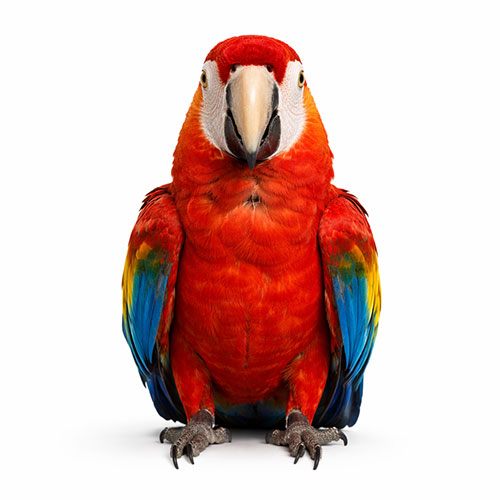
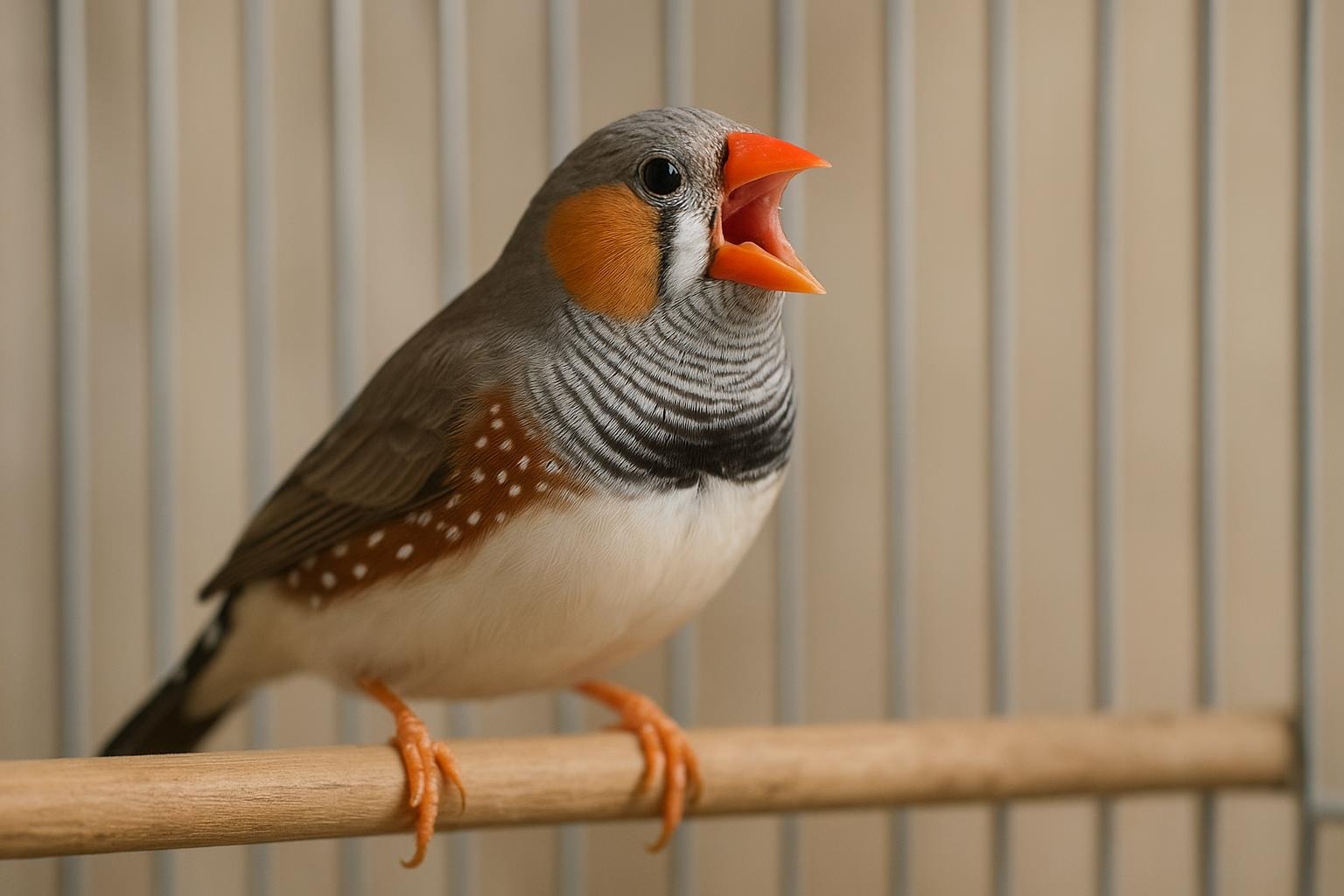
You might have noticed your parrot performing an impromptu concert at 6 a.m., or your budgie giving its best “soap-opera” squawk. Bird vocalization is one of those charming—and sometimes mystifying—parts of sharing life with feathered friends. This article will walk you gently through why birds make noise, how to tell if their songs are healthy, and offer two careful, home-based remedies to soothe stress or mild throat irritation. Think of it as a friendly primer with practical steps, plus a dash of humor for when the trumpet solo gets a little long.
## Bird Vocalization Basics For Home Care
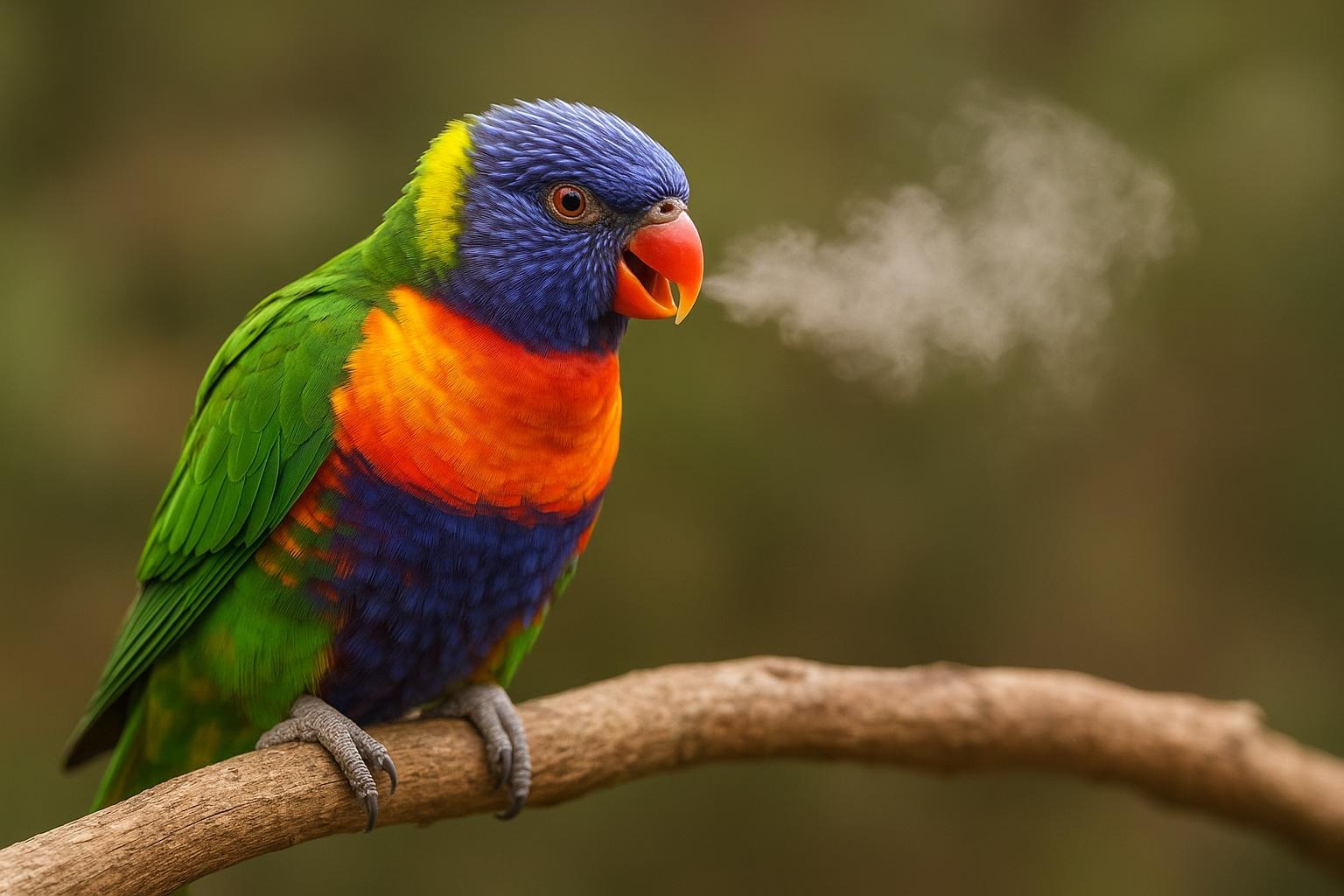
Bird vocalization serves many jobs: advertising territory, attracting mates, signaling alarm, or simply saying, “Hey, I exist!” It’s deeply tied to a bird’s emotional and physical state. Changes in frequency, tone, or the type of calls can be subtle clues that something in the environment or health has shifted.
### Why Birds Sing And Squawk
Vocal learning varies by species. Parrots and songbirds have neural systems that let them learn and mimic sounds—sometimes including your ringtone. Other species use innate calls. Beyond entertainment value for humans, vocalizations are social glue. A happy, well-stimulated bird will vocalize differently from a bored or stressed bird. Observing patterns—time of day, triggers, and context—helps you interpret what the bird is communicating without turning into a full-time avian translator.
### When Vocalization Signals Health Or Stress
Not every change in vocal behavior is an emergency. However, sudden or persistent changes—loss of voice, raspiness, a new cough, or long bouts of silence—can point to respiratory issues, throat irritation, nutritional deficiencies, or psychological stress. Track other signs: fluffed feathers, appetite changes, respiratory noise, or lethargy. These paired observations give a clearer picture than sound alone.
## Remedy 1: Soothing Sound Therapy For Stress
When birds face stress—changes in routine, new pets, loud household activity—vocalization often intensifies or becomes strained. Soothing sound therapy aims to reduce anxiety and normalize calling patterns by controlling the acoustic environment in a predictable, gentle way. This is an environmental and behavioral remedy; follow veterinary guidance if physical illness is suspected.
### Materials And Ingredients
– A small speaker or smartphone with reliable playback.
– A curated playlist of gentle bird-friendly sounds: soft ambient music, nature soundscapes, and recordings of conspecific (same species) contact calls at low volume.
– A timer or app to schedule playback.
– A quiet corner or covered cage area to minimize sudden noise intrusion.
### Procedure And Application
1. Assess Baseline: For 3–5 days, note the bird’s vocal patterns and triggers. Record times of elevated noise and any identifiable disturbances.
2. Create A Schedule: Choose two 20–30 minute sessions daily—one mid-morning and one late afternoon—when you will play the calming sounds. Consistency is key.
3. Volume And Distance: Place the speaker 1–2 meters from the cage. Start at a very low volume—just above background sounds. The goal is to provide a gentle, non-invasive presence.
4. Monitor Response: During sessions, observe posture, breathing, and vocal activity. A decrease in frantic calling, fewer alarm calls, and calmer body language indicate positive response.
5. Gradual Adjustments: If the bird seems curious and not stressed, you may increase playback length slowly up to 45 minutes. If stress markers increase, reduce duration or stop.
6. Combine With Enrichment: Pair sound therapy with foraging toys or a fresh toy rotation immediately after a session to reinforce relaxed behavior with positive activity.
7. Maintain Records: Keep a simple log of sessions and behavioral responses to evaluate effectiveness over 2–4 weeks.
Note: This remedy addresses behavioral stressors. If raspiness or throat issues persist while vocalization changes continue, consult an avian veterinarian.
## Remedy 2: Herbal Throat Spray For Mild Irritation
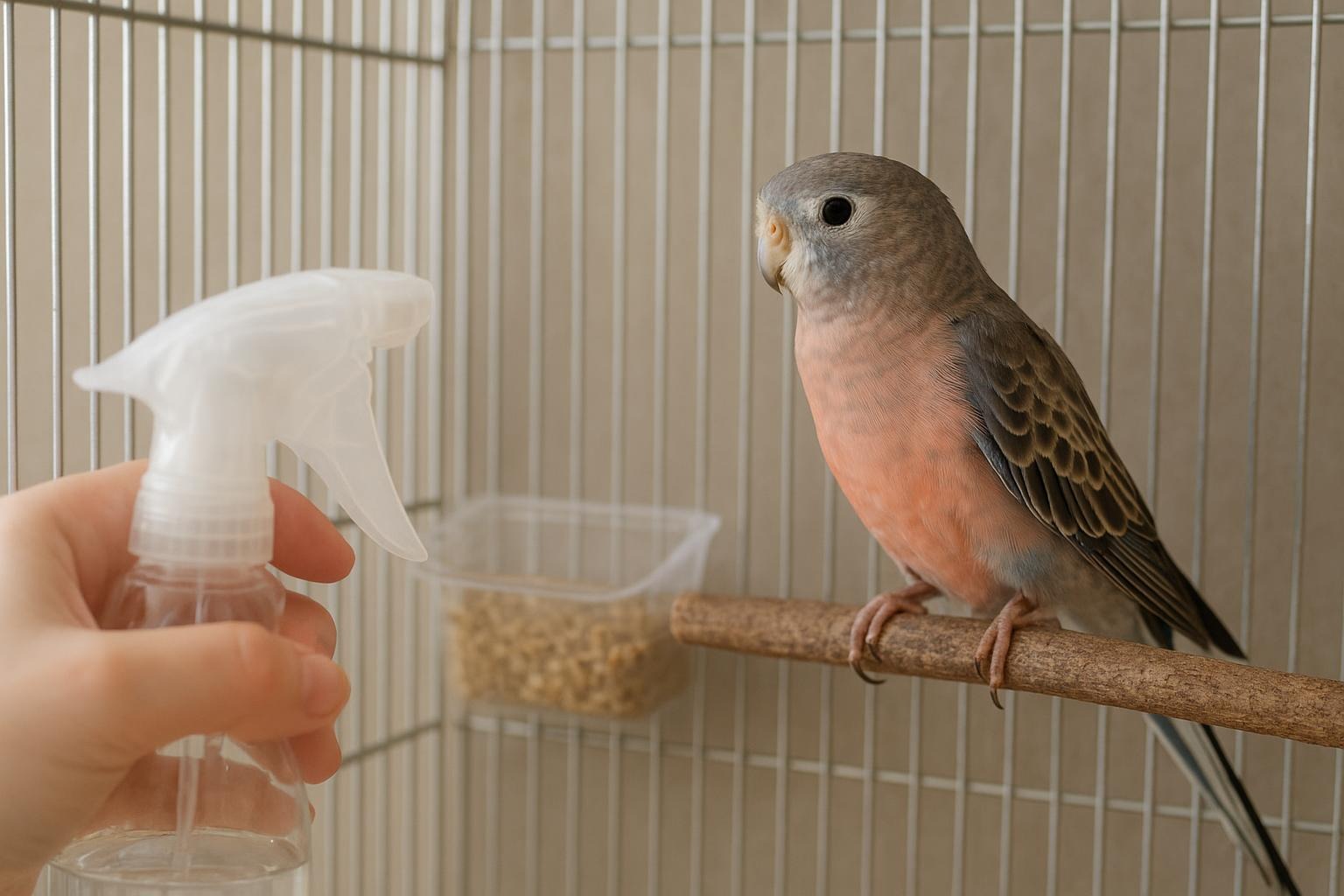
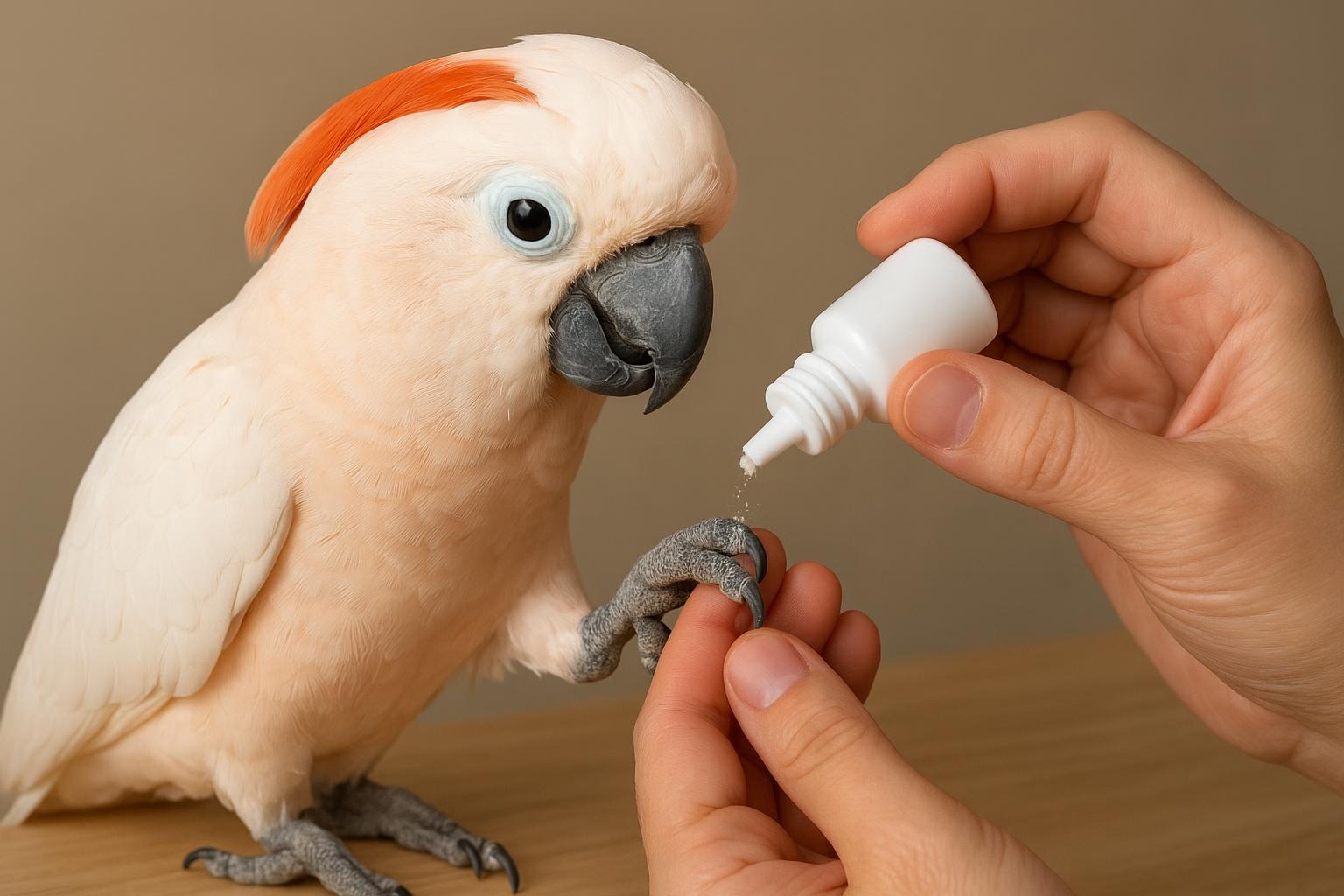
For birds with minor throat irritation—often from dry air, mild dust exposure, or transient respiratory irritation—a mild, vet-approved herbal throat spray can soothe the mucosa and temporarily ease strained vocalization. This remedy is for mild issues only and must be used cautiously; always check with your avian vet before applying substances to your bird.
### Materials And Ingredients
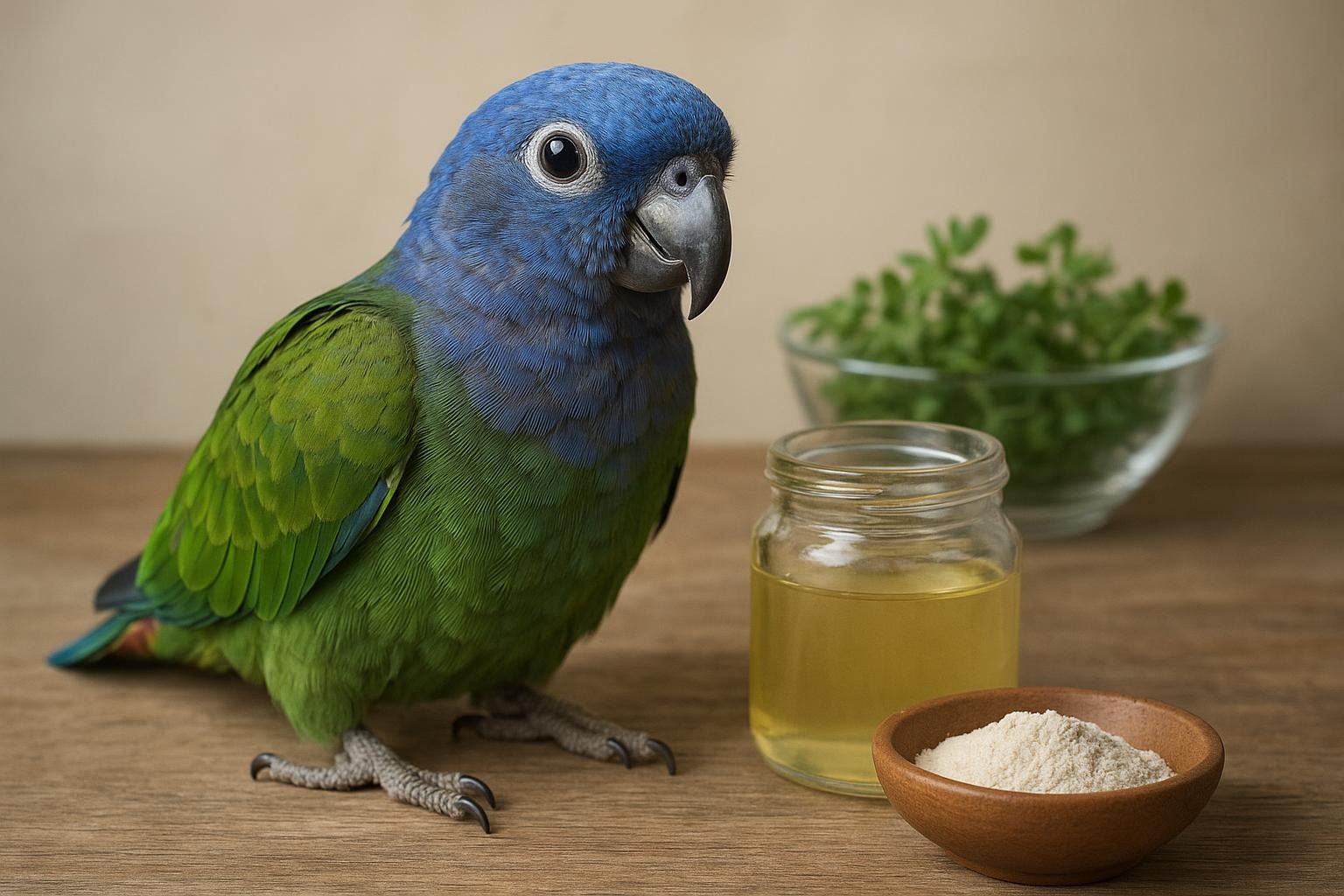
– Distilled water: 100 ml
– Organic marshmallow root (Althaea officinalis) tea: 50 ml (cooled) — known for mucilage that soothes mucous membranes
– A drop of vegetable glycerin (food grade): 2–3 drops to improve coating effect
– Sterile 10 ml spray bottle with a fine mist nozzle (new and clean)
– Small funnel and sterile measuring cup
– Syringe (without needle) for precise dosing if recommended by vet
### Preparation And Application
1. Prepare The Infusion: Steep 1 teaspoon dried marshmallow root in 200 ml boiled distilled water for 10–15 minutes. Strain thoroughly through a fine mesh or coffee filter. Use only the cooled infusion.
2. Dilute And Mix: Combine 50 ml of the cooled infusion with 50 ml distilled water. Add 2–3 drops of vegetable glycerin and mix gently.
3. Bottle Under Sanitary Conditions: Using the funnel pour the mixture into the sterile spray bottle. Label with date and contents. Store in refrigerator and use within 48–72 hours.
4. Test With Vet: Bring a sample to your avian veterinarian for approval, especially to confirm safety for your species and individual bird health status.
5. Application Technique (Only After Vet Approval):
a. Approach calmly during a quiet moment; have a helper gently hold the bird if necessary.
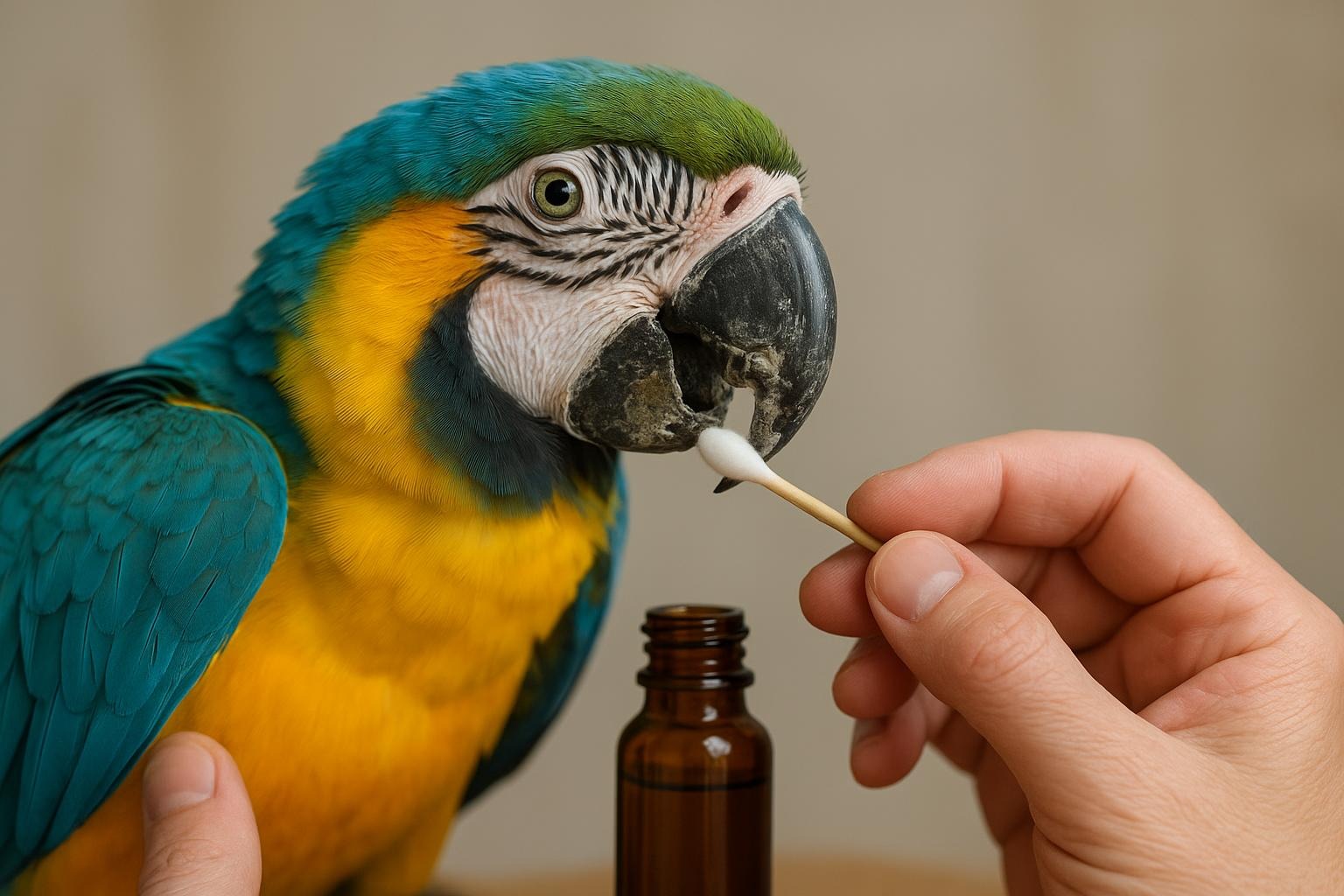
b. Aim for light misting directed just in front of the beak and throat—do not force spray into nostrils or eyes.
c. Use 1–2 light sprays once or twice daily for up to 3 days. Monitor for any adverse reactions (sneezing, increased respiratory effort).
6. Discontinue If Any Issue: Stop use immediately and contact your avian vet if you notice worsening vocalization, breathing difficulties, discharge, or general decline.
Important: Avoid essential oils, alcohol, or unvetted herbs. The mucous membranes of birds are sensitive; less is safer.
### Safety Precautions
– Never medicate without veterinary consultation.
– Do not use human cough syrups or essential oils—many are toxic to birds.
– Use sterile equipment to prevent secondary infection.
– Note any ingestion issues—some birds may pick at residue; ensure ingredients are safe for accidental ingestion.
## Environmental Tips To Support Healthy Bird Vocalization
You can encourage healthy vocal behaviors by shaping the environment. Small changes often have big effects.
### Routine, Enrichment And Social Needs
Birds are creatures of habit. Consistent daily schedules for feeding, social time, and sleep reduce stress-related over-vocalization. Enrichment—rotating toys, puzzle feeders, and supervised out-of-cage time—keeps birds mentally stimulated so their calls are less likely to become attention-seeking or stressed. Social species especially benefit from interaction; if you can’t be present, recorded conspecific contact calls (used sparingly) can provide comfort.
### Acoustic Considerations
Reduce sudden, loud noises near the cage—TV volume, door slams, or frequent loud speakers. Hard surfaces exaggerate sound, so soft furnishings or a partial cage cover can dampen startling echoes. Also consider the sonic “personality” of the room: rooms with constant low-level white noise (like a quiet fan) can sometimes be calming.
#### Light And Air Quality
Good air quality supports clear vocalization. Avoid aerosol sprays, strong fragrances, and cigarette smoke. Humidity that’s too low can dry the throat; use a humidifier set to a bird-safe level (consult species-specific guidelines) to reduce throat irritation that might affect bird vocalization.
Keep in mind that changes in sound patterns are key communicators for birds. Track them, try gentle interventions first, and always loop in your avian veterinarian for medical concerns.






Leave a Reply