
## Understanding Bird Heavy Breathing
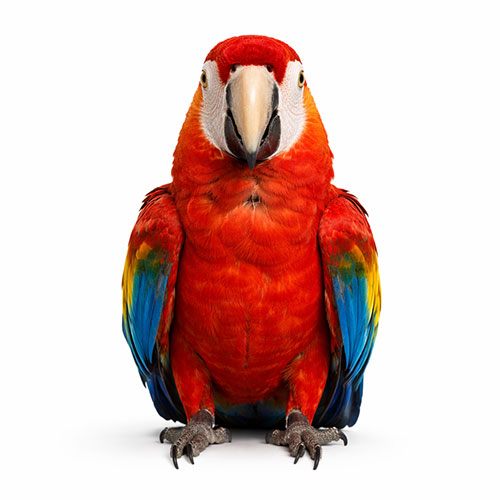
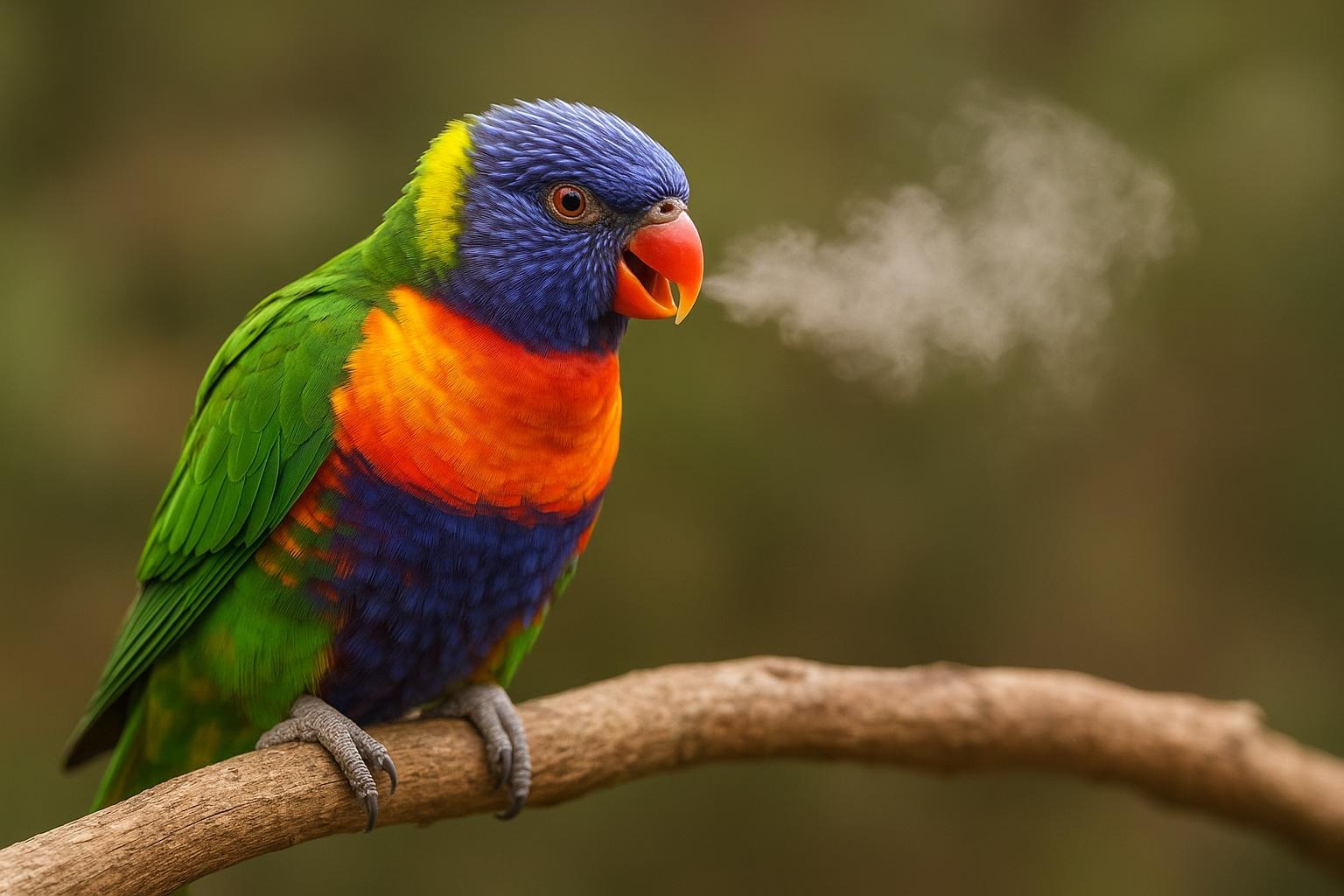
Bird heavy breathing can be alarming — for you and your feathered roommate. Rapid, labored, or noisy breaths are not normal for most birds and often signal that something in the respiratory tract, air sacs, or even the heart is off. Before you imagine your parrot is auditioning for a fog machine, let’s calmly look at what this can mean and what practical, natural support you can offer while you arrange veterinary care.
### How Normal Breathing Looks Versus Heavy Breathing
Normal avian breathing is subtle: a soft expansion and contraction of the chest and minimal visible effort. If you see tail bobbing, open-mouth breathing, wheezing, clicking, or persistent mouth-breathing — that’s bird heavy breathing territory. Birds are masters at hiding illness, so by the time you notice, it can be more advanced than you think.
### Common Causes To Consider
Causes range from mild to urgent: environmental irritants (smoke, aerosols, cold dry air), infectious agents (bacterial, viral, fungal), asthma-like inflammation, heavy feather dust in some species, foreign body obstruction, heart disease, or air sac problems. Stress and poor nutrition can also weaken a bird’s ability to cope with respiratory challenges.
#### Red Flags That Require Immediate Attention
If your bird is lethargic, has bluish mucous membranes, is fluffed up, has a drooping tail, or is clearly struggling to breathe, treat it like an emergency. Bird heavy breathing with these signs needs prompt veterinary assessment — ideally an avian veterinarian.
## When To See A Vet For Bird Heavy Breathing
Don’t use home remedies as a replacement for professional diagnosis. Respiratory issues in birds can escalate quickly. A veterinarian will examine the crop and oral cavity, auscultate the lungs and air sacs, possibly take radiographs, perform cytology or cultures, and recommend appropriate medical therapy if infection or systemic disease is present.
### How Home Support Fits In
Natural respiratory support can be useful as a short-term adjunct while you get veterinary care, or for mild, non-urgent irritant exposures (like brief smoke). Use home measures conservatively, avoid essential oils and aerosols that can worsen avian lungs, and always prioritize veterinary guidance.
## Natural Respiratory Support Remedies (1) Humidified Air And Steam Support
This first remedy is the gentlest and safest immediate support: increasing safe humidity and delivering warm, clean air. It can ease irritation in the upper airways and help loosen nasal discharge without adding medications.
### Materials And Ingredients
#### Required Materials
– Cool-mist humidifier (ultrasonic or evaporative) or a steam-safe bathroom setup
– Clean, fresh water (distilled if your tap is very hard)
– Clean towel
– Thermometer for room temperature (optional)
– A quiet carrier or smaller room where the bird feels comfortable
### Preparation And Application Steps
1. Move your bird to a small, calm room or place them in a carrier that has good ventilation but is cozy. This reduces drafts and limits exposure to household contaminants.
2. Set up the humidifier at a safe distance — roughly 3–6 feet away, not directly on top of or inside the cage. Ultrasonic units create very fine droplets; evaporative cool-mist options are often safer in terms of mineral output.
3. Fill the humidifier with clean water and run it for 20–30 minutes. Aim for a modest humidity increase (around 40–60% relative humidity). Avoid over-humidifying a room, as excessive dampness can encourage molds.
4. Alternately, run a hot shower to produce steam and sit in the bathroom with the bird for 10–15 minutes (do not put the bird inside the shower — they must remain dry). Keep the bird at a safe distance where they can benefit from warm, moist air but not get wet or overheated.
5. Repeat up to 2–3 times daily for short periods while monitoring for improvement. If the bird worsens or shows no improvement within 24 hours, see a veterinarian.
#### Safety Notes
– Do not use any essential oils, mentholated rubs, eucalyptus, or Vicks-type products — these are toxic or highly irritating to birds.
– Avoid direct hot steam or placing the bird too close to the steam source. Birds can overheat quickly.
– Keep the environment smoke- and aerosol-free while treating.
## Natural Respiratory Support Remedies (2) Saline Nebulization (Veterinary-Approved Technique)
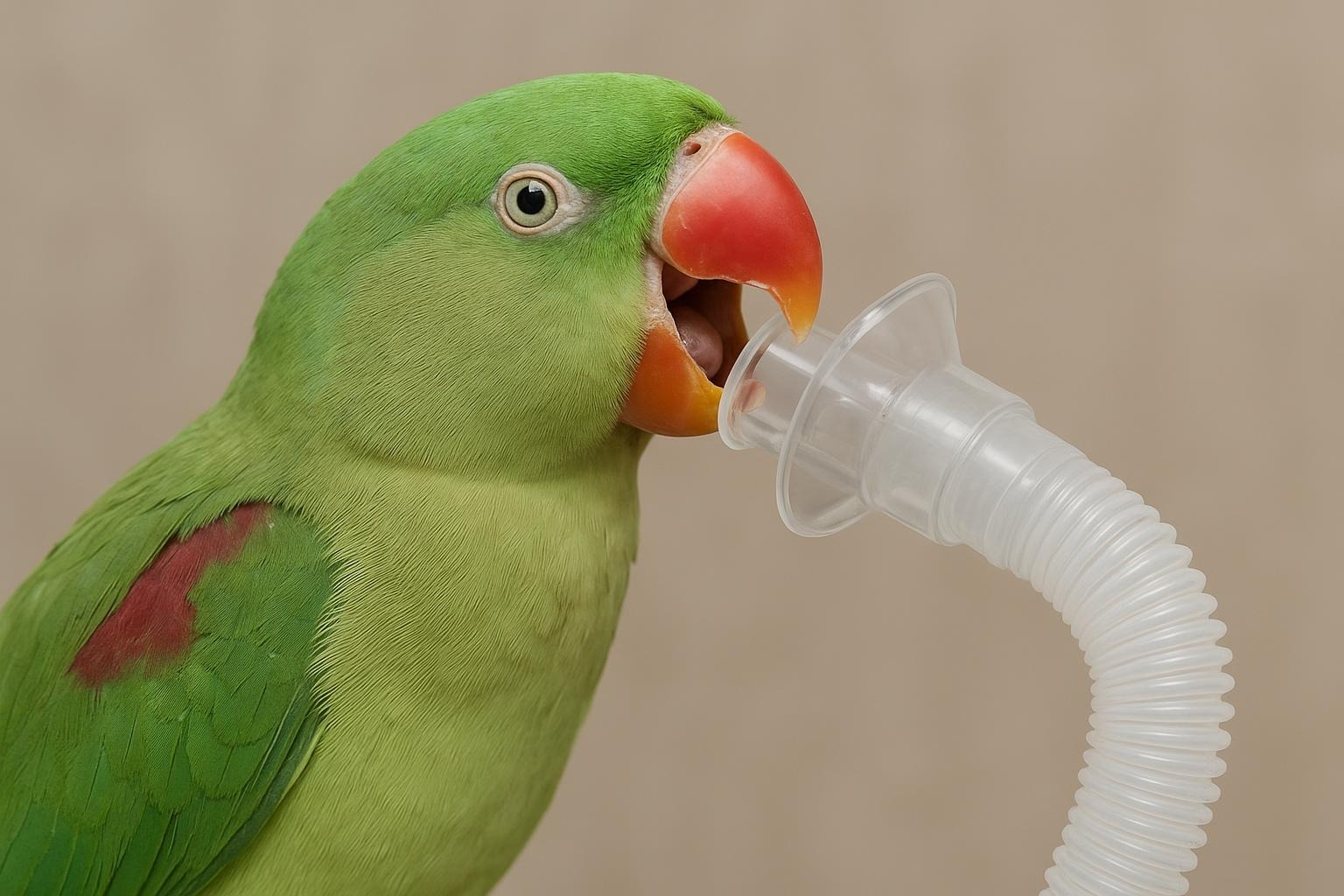
Nebulization with sterile isotonic saline can be a controlled, targeted way to help clear mucus from airways. This is a medical support method that should be performed under veterinary instruction or after a vet’s approval, but it’s the most effective home-use respiratory support when used properly.
### Ingredients And Equipment
#### Required Materials
– Sterile 0.9% saline (single-use vials or sterile saline bottles)
– Small ultrasonic or jet nebulizer suitable for small pets (pediatric/nebulizer mask adapted for birds or use a small chamber/carrier)
– Clean towel and a quiet space
– Gloves and disinfectant wipes for hygiene
### Preparation And Application Steps
1. Confirm with your veterinarian that nebulization is appropriate for your bird and that the correct equipment is available. The vet can advise on saline volume and frequency.
2. Prepare a clean nebulizer according to the manufacturer’s instructions. Use sterile saline; never dilute with tap water.
3. Place your bird in a small carrier or a nebulization chamber. The bird should be comfortable and calm; do not force them into prolonged treatment if they are extremely stressed.
4. Administer the nebulization for the time and frequency recommended by your vet — commonly short sessions of 5–10 minutes once or twice daily initially. Watch the bird carefully for distress.
5. After each session, allow the bird to rest in a warm, draft-free area and provide access to fresh water.
6. Clean and disinfect the nebulizer components after each use to prevent bacterial growth.
#### Important Precautions
– Nebulization can potentially push pathogens deeper into the airways if infection is present; that’s why veterinary guidance and, when indicated, concurrent antibiotic or antifungal therapy may be necessary.
– Avoid mixing medications into nebulized saline unless prescribed and instructed by an avian veterinarian.
### Additional Home Care Tips For Respiratory Comfort
– Minimize exposure to smoke (including wood stoves), scented candles, aerosols, and strong cleaners. Even small amounts can trigger or worsen bird heavy breathing.
– Keep the cage clean and dust-free; for powder-down birds (cockatoos, cockatiels), use HEPA filtration and frequent light cleaning rather than harsh scouring.
– Maintain steady, comfortable temperatures and avoid drafts or dramatic temperature swings.
– Offer warm, hydrating foods (if your bird will eat): softened pellets or cooked vegetables in small, frequent portions to support hydration and energy without forcing feedings.
### When Natural Support Is Not Enough
If bird heavy breathing continues or deteriorates despite safe home measures, veterinary diagnostics and treatment are essential. Many respiratory conditions benefit from timely antibiotics, antifungals, anti-inflammatories, or oxygen therapy that only a clinic can provide.
### Final Practical Note
Home remedies can offer meaningful short-term relief for mild irritant exposures or as adjunct care, but birds are fragile and respiratory problems deserve serious attention. Keep calm, keep the air clean and humidified with safe methods, and call your avian vet if you’re unsure — they’ll appreciate you didn’t try to make your budgie into a steam-powered superhero.







Leave a Reply