



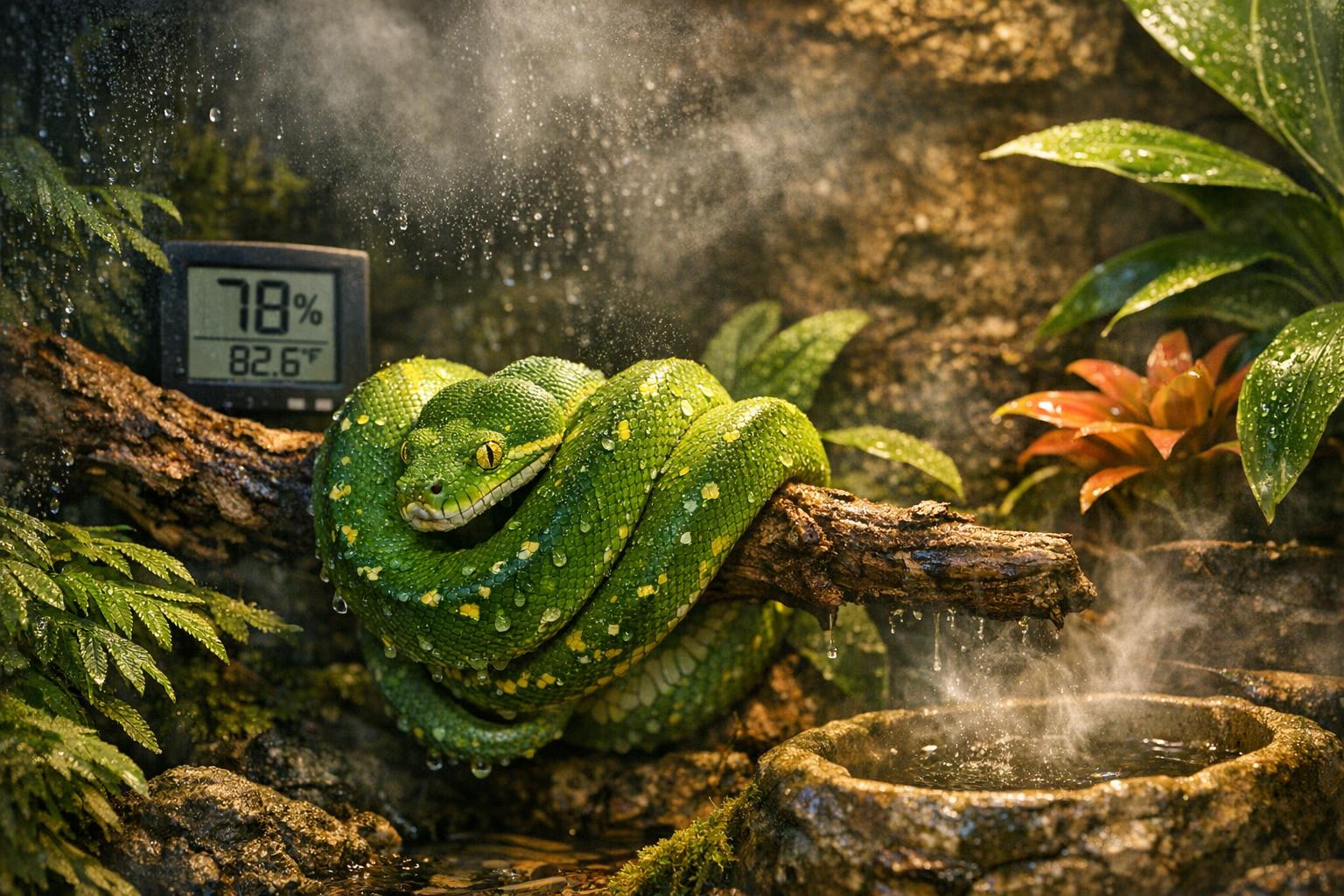
Keeping your snake comfortable sometimes means thinking like a tropical vacation planner: steady humidity, cozy hide spaces, and no surprise drafts. Many species need higher moisture to shed properly and maintain respiratory health. Below are safe, DIY remedies you can use to increase humidity in snake tank without expensive gear—plus materials lists and clear step-by-step instructions so things don’t get soggy in the wrong way.
## 1: Increase Humidity In Snake Tank With A Damp Hide
This is one of the simplest and safest ways to boost local humidity where your snake hides. A damp hide provides a microclimate the snake can enter when it needs extra moisture for shedding or hydration.
Materials / Ingredients:
– A plastic or wooden hide box (large enough for your snake to enter comfortably)
– Sphagnum peat moss or coconut coir (undyed, pesticide-free)
– Water (dechlorinated or distilled)
– Zip-top bags or breathable mesh liner (optional)
– Hygrometer (small digital or analog) to check hide humidity
Step-By-Step Creation And Application:
1. Prepare the Substrate: Moisten the sphagnum moss or coconut coir until it’s damp but not dripping. Squeeze out excess water until a few drops may come out when compressed.
2. Line The Hide: Place a thin layer of dry substrate in the hide, then add the damp moss. If using a plastic hide, lining it with a breathable mesh or a zip-top bag with holes prevents direct contact with overly wet material while retaining moisture.
3. Position The Hide: Put the damp hide on the warm side or middle of the tank depending on species’ humidity preference. Avoid placing it directly under a heat source that will evaporate moisture too fast.
4. Monitor And Refresh: Check humidity inside the hide daily with a hygrometer or by feel. Replace or re-moisten the moss when it begins to dry. Clean and replace the substrate regularly to prevent mold (every 1–2 weeks or sooner if soiled).
When Used Correctly:
– Use for species that need higher humidity, like ball pythons or corns during shed cycles.
– This method provides a controlled, localized bump in moisture without saturating the entire enclosure.
### Safety Notes
Keep the hide damp, not soggy. Overly wet substrates can promote mold and bacterial growth; always remove and replace contaminated material promptly.
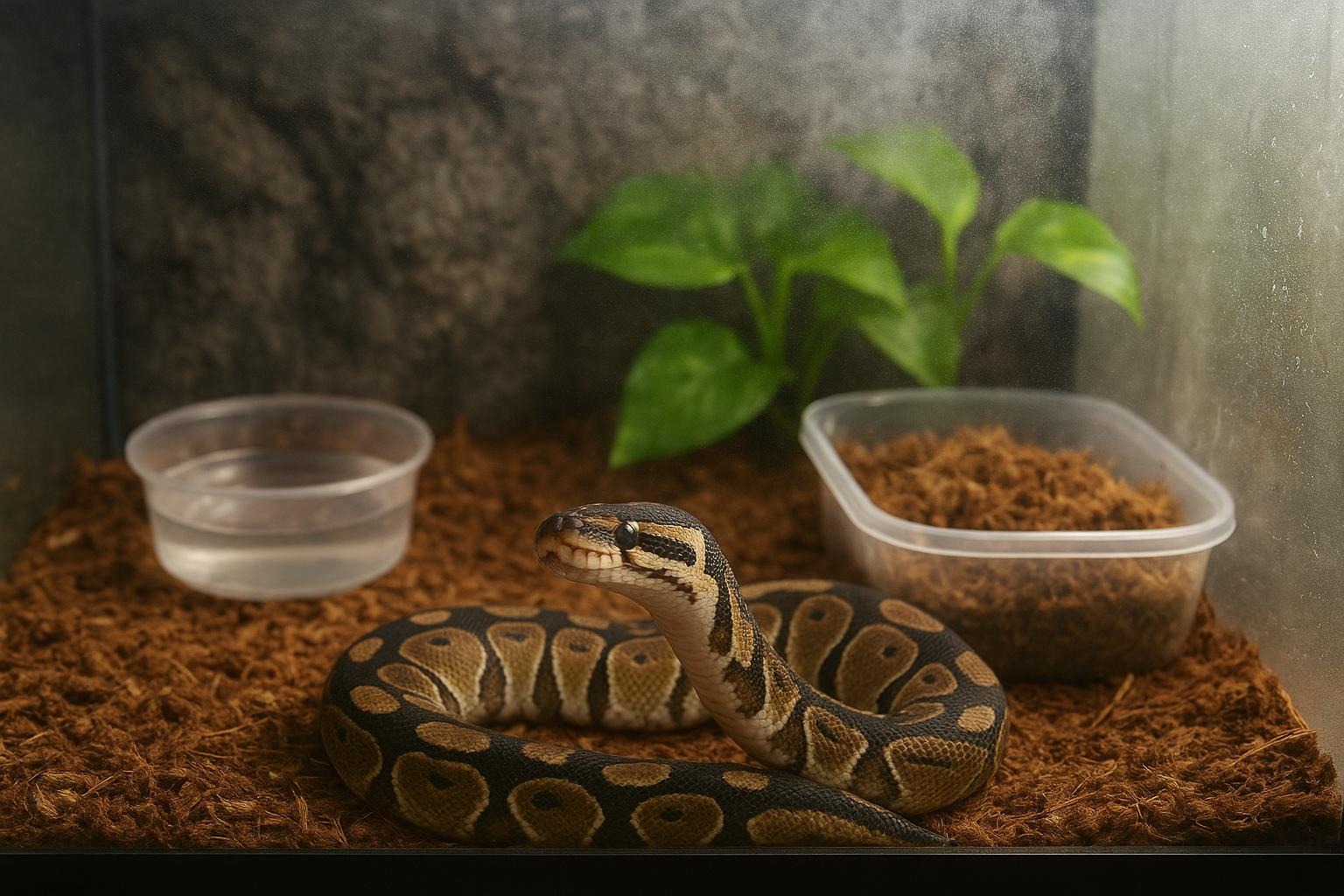
## 2: Increase Humidity In Snake Tank With A Large Water Bowl And Moist Substrate
A larger water source increases ambient moisture through evaporation. If paired with a moisture-retaining substrate, it yields a stable, breathable humidity boost.
Materials / Ingredients:
– A shallow, heavy water bowl or pan (ceramic or stone preferred)
– Dechlorinated or filtered water
– Substrate with good moisture retention (coconut fiber, cypress mulch, or coconut husk)
– Optional: ceramic tile or large flat stone to place water bowl on
Step-By-Step Creation And Application:
1. Choose The Right Bowl: Use a wide, sturdy bowl so the snake can soak if it chooses. A heavier material prevents tipping and spilling.
2. Place Strategically: Position the bowl over the moist side of the substrate or on a tile to protect heat sources and to keep humidity from rising too quickly under hot fixtures.
3. Keep Substrate Moist: Lightly spray or pour small amounts of water into the substrate to maintain dampness—not flooded. Mix water into the substrate so it’s uniformly moist; avoid puddles.
4. Daily Maintenance: Refill the bowl daily and clean it at least twice weekly to prevent algae and bacterial growth. Replace substrate if it becomes compacted or malodorous.
### When This Works Best
This method is reliable for generally increasing enclosure humidity and gives snakes an accessible soak option, which is particularly useful during shedding or for species that soak frequently.
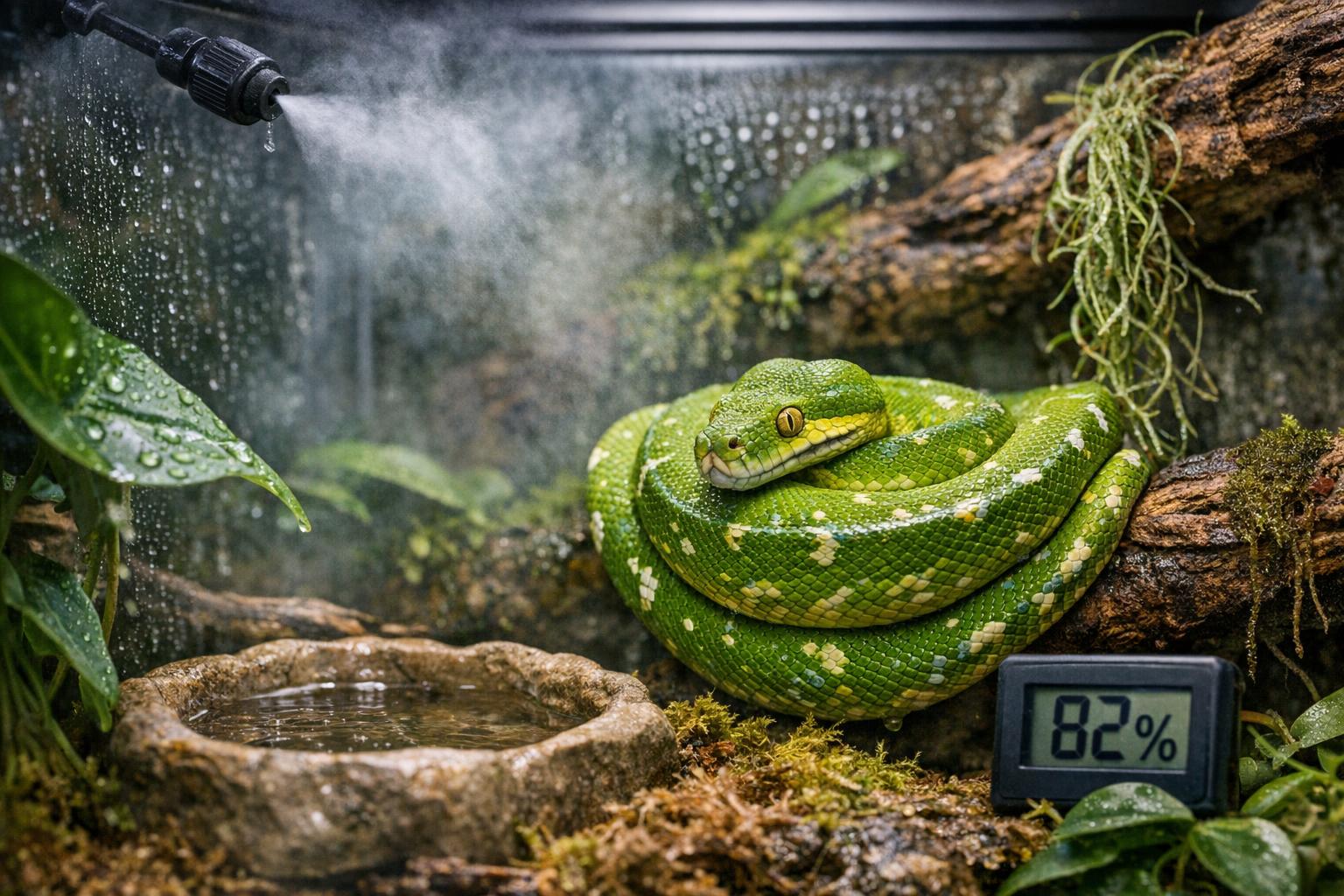
## 3: Increase Humidity In Snake Tank With A DIY Timed Mister System
For continuous, controlled humidity increases, a timed mister gives repeatable micro-doses of moisture. This is slightly more technical but still very DIY-friendly.
Materials / Ingredients:
– Small aquarium auto-mister or reptile mister kit (12V or USB models)
– Timer or built-in controller
– Fine mist tubing and nozzle
– Distilled or dechlorinated water
– Mounting clips or suction cups
– Sealed reservoir bottle (for water)
Step-By-Step Creation And Application:
1. Select Equipment: Purchase a reliable reptile or terrarium mister rated for small enclosures. Ensure the unit has adjustable intervals or use a programmable timer.
2. Install Nozzle: Mount the nozzle near the top of the tank, pointing slightly down and away from direct heat sources. Use suction cups or clips to secure tubing.
3. Set Timer Intervals: Program short mist bursts—start with 5–10 seconds every 1–2 hours during the active part of the day. Adjust based on hygrometer readings and species needs.
4. Monitor Levels And Clean: Refill the reservoir with clean water and clean the system components weekly to prevent mineral buildup and microbial growth. Replace tubing if flow decreases.
Important Formal Notes:
– Maintain electrical safety by routing power away from water and using drip loops. Use GFCI-protected outlets.
– Use distilled water to avoid mineral residues and reduce bacterial risk.
– Calibrate mist frequency against a hygrometer—target the recommended range for your species.
## 4: Increase Humidity In Snake Tank With A Clay Pot Or Humidity Box
Creating a localized “humidity cave” with a terracotta pot or custom humidity box is a passive, low-tech solution that’s very snake-friendly.
Materials / Ingredients:
– Large terracotta pot (inverted to form a cave) or wooden humidity box with an entrance hole
– Damp sphagnum moss or coconut coir
– Small tray or shallow dish to hold the moss inside the box
– Hygrometer
– Optional: small thermostat-controlled heating pad (if additional warmth is needed)
Step-By-Step Creation And Application:
1. Prepare The Cave: If using a terracotta pot, invert it and position it on stable substrate. If using a wooden box, drill an entrance hole sized for your snake and line the interior.
2. Add Moisture Reservoir: Place damp moss or coir on a small tray inside the cave. The tray prevents substrate contact while allowing moisture exchange.
3. Position In Tank: Place the cave on the humid side of the tank. Ensure it’s snug and won’t roll or trap the snake in a precarious way.
4. Maintain Cleanliness: Replace the moss regularly and clean the cave interior with a reptile-safe disinfectant as needed to prevent mold and odors.
### Notes On Temperature
If the cave becomes cooler than the rest of the tank, you can safely add a low-watt thermostat-controlled heating pad under a non-slip tile beneath the cave to maintain appropriate microclimate temps.
## Maintaining And Monitoring Humidity
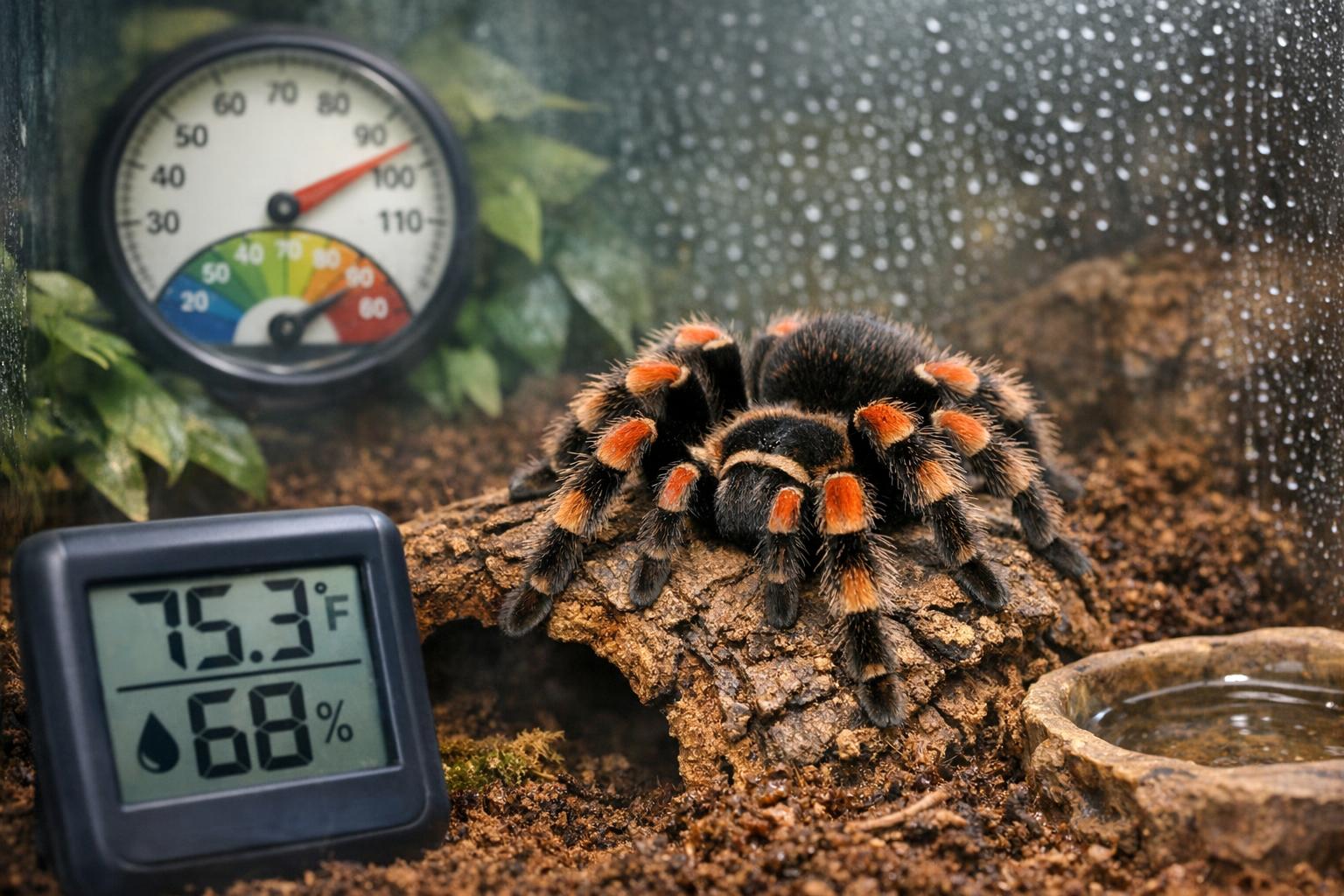
Knowing how to increase humidity in snake tank is only half the job—consistent monitoring keeps it safe. Use at least one reliable hygrometer placed at snake-level on the moist side and check it multiple times a day when you first implement a change. Ideal humidity varies by species: research your species’ specific range and adjust DIY methods accordingly.
Simple Maintenance Checklist:
– Inspect hides and moss for mold every 2–3 days.
– Clean water bowls and replace water daily.
– Log hygrometer readings for a week after changes to see trends.
– If humidity spikes above safe ranges, increase ventilation or shorten mist intervals.
If you ever detect respiratory signs (wet breathing, wheeze, open-mouth breathing) or persistent odors, reduce humidity immediately and consult a reptile vet. Increasing humidity in snake tank is helpful, but balance is essential—too much moisture invites problems.
Keep experimenting carefully: most snakes appreciate predictable access to a humid retreat rather than an entire swamp. If you want help tailoring these methods to your specific species and enclosure size, tell me your snake’s species and tank dimensions and I’ll help fine-tune the plan (and yes, I’ll try to keep the swamp jokes to a minimum).















Leave a Reply