



## Allergies Safe Tips For Dog Runny Nose Home Remedies
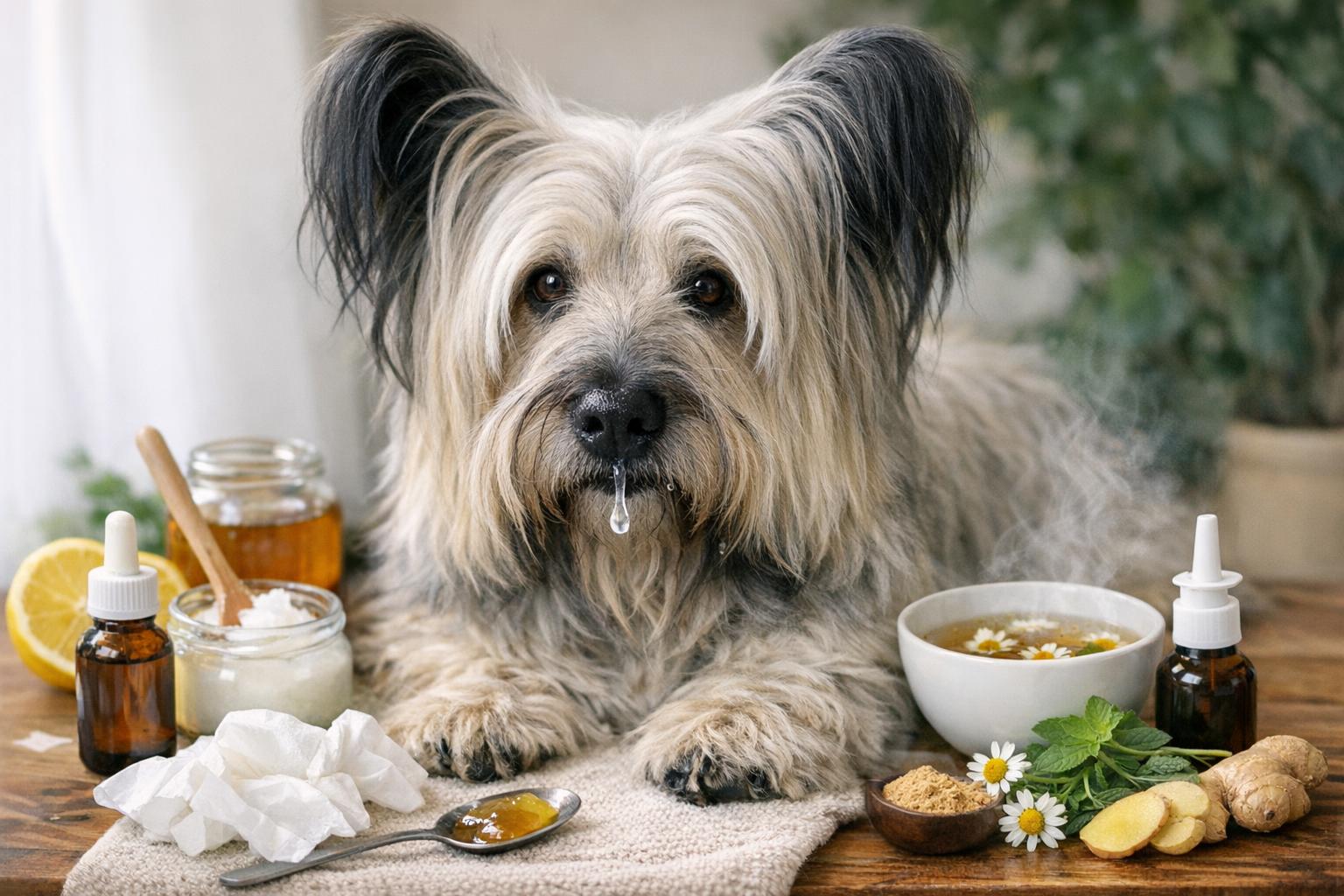
If your pup has a soggy snout and looks more sniffle-y than playful, you’re not alone. A dog runny nose can be caused by allergies, irritants, or sometimes infections. This article focuses on allergy-safe tips and gentle home remedies you can try to ease your dog’s nasal drip while keeping things calm, safe, and vet-informed. Think of this as practical, cozy care — with just enough science to keep the tail wagging.
### Signs That Allergies May Be Causing The Runny Nose
Allergy-related nasal discharge tends to be clear and watery rather than thick, green, or bloody. Other signs that point toward allergies include itchy skin, frequent sneezing, paw licking, red or swollen eyes, and seasonal patterns (worse in spring or fall). If your dog seems bright and alert and only their nose is acting up, asthma might not be the issue — allergies are a prime suspect.
#### When It Might Not Be Allergies
– Discharge that’s yellow, green, or contains blood
– Fever, coughing, lethargy, or loss of appetite
– Sudden severe symptoms or difficulty breathing
If you spot those, contact your veterinarian promptly.
## 1. Saline Nasal Rinse (Safe And Effective)
This is the go-to first aid for a dog runny nose caused by mild irritation or allergies. Saline gently cleanses the nasal passages, loosens mucus, and helps remove allergens without medicating.
Ingredients / Materials
– 1 cup (240 ml) distilled or previously boiled then cooled water
– 1/4 teaspoon non-iodized salt (sea salt or kosher) or pre-made sterile saline (veterinary/medical)
– A clean syringe (without needle) or a bulb syringe
– Towels for comfort and cleanup
– Treats for positive reinforcement
Step-By-Step Creation And Application
1. Mix the saline: Stir the 1/4 teaspoon salt into the cup of distilled water until dissolved. Use sterile or very clean materials. Alternatively, use a ready-made sterile saline solution.
2. Prepare your dog: Have them sit or stand in a secure, comfortable spot. Wrap them lightly in a towel if they tend to wriggle.
3. Administer gently: Fill the syringe or bulb with saline. Tilt your dog’s head so the nose points slightly upward. Insert the tip just inside a nostril and slowly depress the syringe to deliver 1–2 ml. Expect some saline to drain out; that’s normal.
4. Repeat on the other side if needed and allow your dog to shake and sneeze; that helps clear mucus.
5. Reward: Give a treat and praise to create a calm association.
Frequency: Up to twice daily for a few days while monitoring symptoms. Stop and consult your vet if irritation increases or discharge worsens.
## 2. Humidified Steam Session (Short And Controlled)
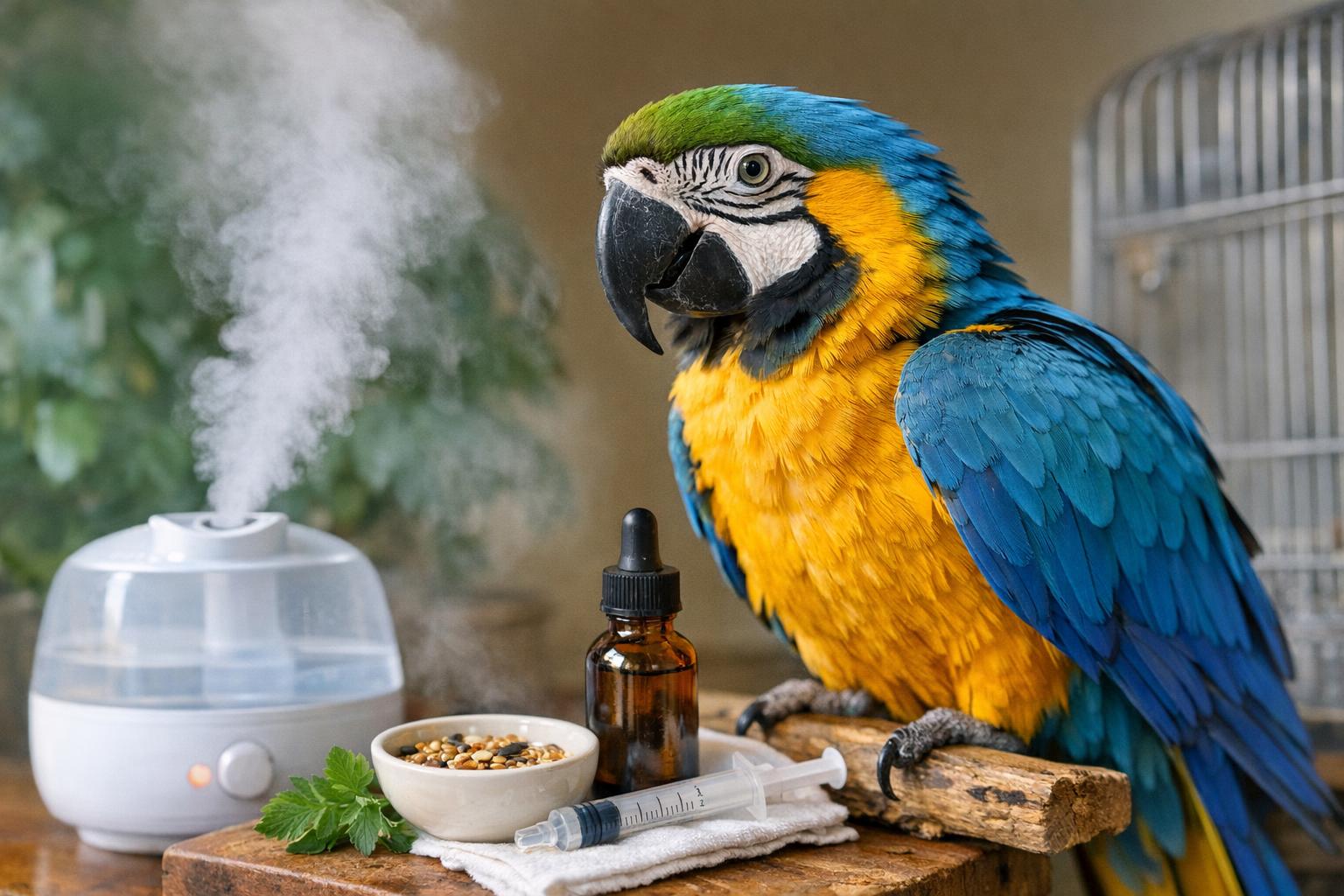
Humidity can loosen nasal mucus and soothe irritated nasal passages. This is a non-invasive, allergy-friendly approach for a dog runny nose.
Ingredients / Materials
– Humidifier (cool-mist recommended) or a steam-safe setup (bathroom with hot shower running)
– Clean water for humidifier
– 10–15 minutes of quiet time
– Towel and treats
Step-By-Step Creation And Application
1. Choose method: If using a humidifier, place it in the room where your dog rests. If using steam, run a hot shower in the closed bathroom to create a steamy environment (do not put your dog directly in the shower).
2. Set up: Turn the humidifier on medium or let the bathroom fill with steam for several minutes.
3. Short session: Sit with your dog at a comfortable distance (not too close to hot water) and let them breathe the humid air for 8–15 minutes.
4. Monitor: Watch your dog for signs of discomfort. Remove them if they seem stressed or over-heated.
5. Repeat: Once or twice daily as needed while observing symptom changes.
Note: Avoid essential oils or menthol products in steam; many essential oils are toxic to dogs.
### Why This Works (Briefly Scientific)
Humidified air hydrates the mucous membranes, thins secretions, and reduces the itch-sneeze-reflex cycle that makes allergy symptoms persist. Gentle steam can break down mucus, making it easier for your dog to clear out allergens.
## 3. Environment Control And Omega-3 Support (Reduce Triggers)
Managing the environment is arguably the most powerful home remedy for preventing and reducing a dog runny nose due to allergies. Combine allergen reduction with dietary support to lower inflammation.
Ingredients / Materials (Cleaning And Diet)
– HEPA air filter or HEPA-capable vacuum
– Mild unscented detergent and hypoallergenic dog shampoo
– Microfiber cloths and dust-mopping tools
– Omega-3 supplement (fish oil or veterinarian-recommended canine formula)
– Allergy-friendly bedding (washable, low-dust)
Step-By-Step Creation And Application
1. Air quality: Run a HEPA air filter in the main living area, especially where the dog sleeps. Replace filters per manufacturer recommendations.
2. Dust and vacuum: Use a HEPA vacuum and dust with microfiber cloths at least weekly. Wash bedding in hot water weekly.
3. Grooming: Bathe your dog with a mild, hypoallergenic shampoo every 2–4 weeks during high-allergy seasons. Brush outdoors to remove loose hair and dander.
4. Reduce outdoor allergens: Wipe your dog’s paws and belly with a damp cloth after walks to remove pollen; rinse water with a little mild shampoo if heavy pollen exposure occurs.
5. Dietary omega-3: Consult your veterinarian for a dosage; reputable fish oil supplements can reduce inflammation and improve skin and nasal health. Administer under vet guidance, as dosages vary by product and dog weight.
Frequency: Environmental steps are ongoing; omega-3 supplements usually given daily as directed.
### Small Lifestyle Tweaks That Help
– Keep windows closed during high pollen times and use air conditioning.
– Groom more often during pollen season.
– Avoid smoking and aerosol sprays in the house.
– Reduce carpeted surfaces if possible; hard floors are easier to keep allergen-free.
### Avoid These Home Remedies (They’re Risky)
There’s a lot of well-meaning advice online, but some “natural” remedies are unsafe for dogs:
– Essential oils (tea tree, eucalyptus, menthol): Many are toxic to dogs, causing respiratory distress or worse.
– Human decongestants, antihistamines, or cough syrups: Never give without veterinary approval; dosages and ingredients can be harmful.
– Xylitol-containing products (including some peanut butters and gums): Extremely toxic.
– Unregulated supplements or herbal blends without vet consultation.
#### How To Spot A Dangerous Reaction
Watch for trouble breathing, drooling, vomiting, collapse, severe lethargy, or sudden worsening of symptoms. These require immediate veterinary attention.
### When To See Your Veterinarian
If the runny nose persists beyond a few days despite home care, or if any of the following occur, contact your vet:
– Thick, colored, or bloody discharge
– Fever, coughing, appetite loss, or lethargy
– Recurring or worsening symptoms despite remedies
– Signs of ear, eye, or sinus infection
Your vet may recommend diagnostics such as cytology, cultures, allergy testing, or imaging to rule out infection, foreign bodies, or more serious causes.
## Practical Tips For Comforting Your Dog During A Runny Nose
– Keep things calm and stress-free: Dogs handle discomfort better with quiet and comfort.
– Soft bedding elevated slightly can help drainage.
– Offer extra water and encourage hydration; moist mucous membranes heal faster.
– Use treats and positive reinforcement during any cleaning or rinsing to reduce anxiety.
### A Little Humor To Keep It Light
Think of saline rinses as a tiny spa day for the snoot — less cucumber slices, more saltwater. Your dog probably won’t appreciate the spa comparison, but they will appreciate the relief.
(Okay, that was one joke. I’ll stop now. Mostly.)
Remember: these allergy-safe tips for a dog runny nose are supportive measures to reduce discomfort and exposure to triggers. When in doubt, your veterinarian is your best ally.









Leave a Reply