




## Buying A Tarantula: What To Know Before You Shop
Welcome to the fuzzy-legged world of tarantulas—where calm, low-maintenance pets meet a little theatrical flair. If you’re thinking about buying a tarantula, this guide will walk you through species selection, enclosure basics, behavior, and a couple of safe home remedies you can use for minor problems. I’ll keep it friendly, a little cheeky, and precise when it comes to care and remedies.
### Understanding Temperament And Size
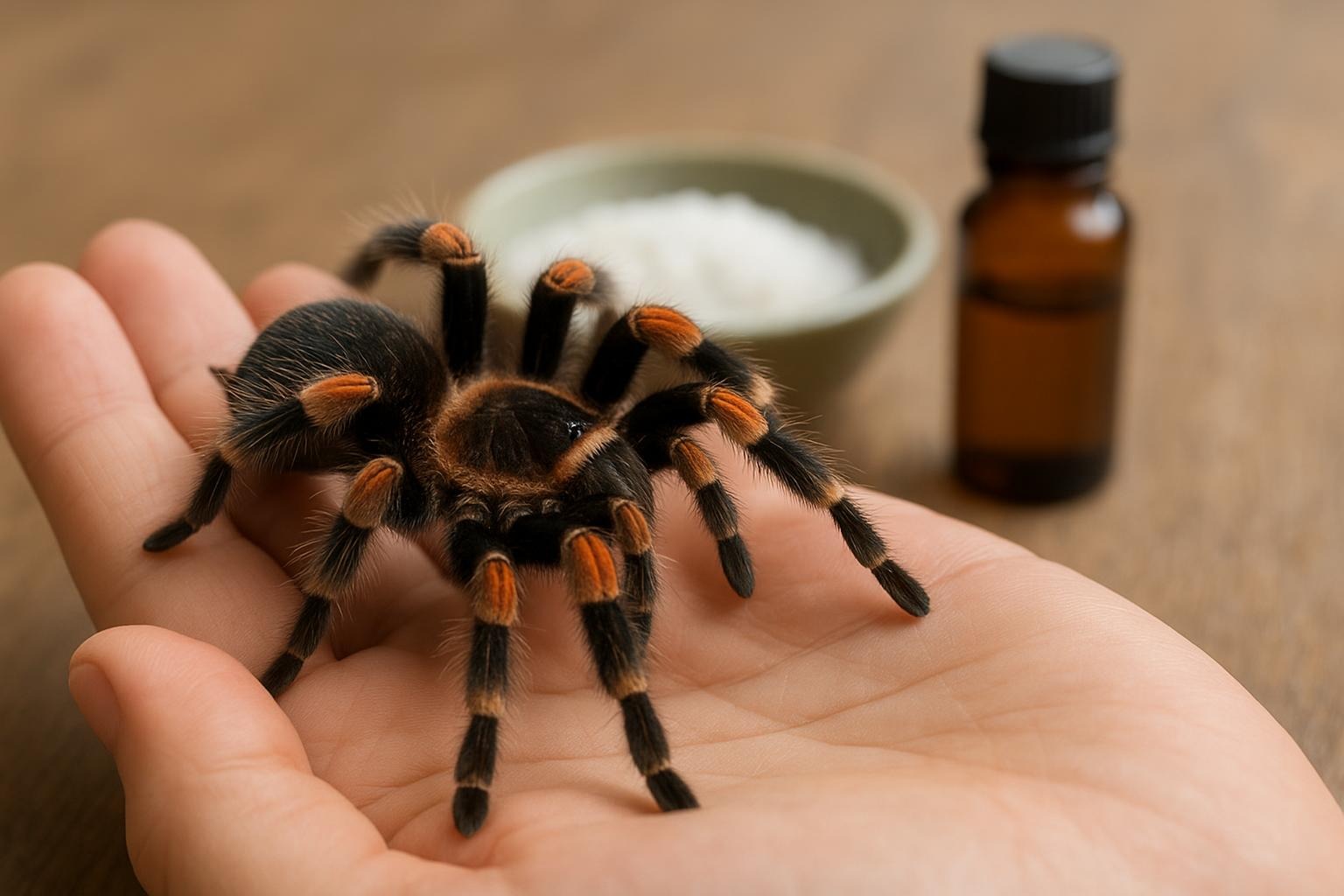
Tarantulas vary widely in temperament and size. Some species are calm and display minimal defensive behavior, while others are skittish or more likely to flick urticating hairs. If you’re new to arachnids, prioritize docile species—names like Chilean Rose (Grammostola rosea), Mexican Red-knee (Brachypelma hamorii), and Pink Toe (Avicularia) often come up as beginner-friendly.
#### Handling Frequency
Limit handling. Tarantulas are not cuddly companions; they’re performers who prefer dramatic stillness. Frequent handling stresses them and increases the chance of an accidental drop, which can be fatal.
### Captive-Bred Versus Wild-Caught
If you’re buying a tarantula, try to choose a captive-bred specimen. Captive-bred spiders are usually healthier, acclimated to enclosure conditions, and ethically preferable. Wild-caught individuals may carry parasites and have uncertain wild-population impacts.
## Setting Up A Tarantula Home
A well-set-up enclosure is half the battle. Matching environment to species is critical for a happy arachnid.
### Enclosure Size And Layout
Tarantulas are usually comfortable in enclosures that are wider than they are tall (except for arboreal species). For terrestrial tarantulas, a 5–10 gallon tank with secure ventilation is often adequate. Arboreal species need taller enclosures with branches and hiding spots.
#### Substrate Depth And Type
Choose substrate appropriate to the species’ natural habits: coconut fiber, peat moss, or a mix with some organic topsoil work well. Terrestrial species appreciate deeper substrate for burrowing (3–6 inches), while arboreals need less depth and more vertical decor.
### Temperature, Humidity, And Microclimate
Tarantulas appreciate stable microclimates. In most cases aim for 70–80°F (21–27°C), with humidity tailored to species—lower for desert dwellers, higher for tropical species. Use a reliable thermometer and hygrometer.
#### Heating And Humidity Tips
Keep heating mild—avoid heat rocks. If heat is necessary, use an under-tank heater on low or a low-wattage ceramic heat emitter, regulated by a thermostat. Mist sparingly for humidity; excessive moisture invites mold and mites.
## Feeding, Water, And Molting
Feed adult tarantulas 1–2 appropriately sized insects (crickets, roaches, or mealworms) weekly. Juveniles need feeding more often. Provide a shallow water dish with clean water; check it daily.
### Recognizing Molting
Molting is a vulnerable time. A pre-molt tarantula may refuse food and appear dull. Never disturb or handle during molting; keep humidity stable and leave them alone until they’ve fully hardened.
## Health Red Flags
Watch for lethargy, refusal to eat long-term, discolored patches, visible parasites, or difficulty molting. These are reasons to consult an exotic vet—tarantulas are delicate and sometimes need professional care.
## 1. Safe Home Remedies: Mild Wound Care For Minor Injuries
If you’re buying a tarantula, you should also know basic first aid for minor scrapes or leg tears. Serious injuries require immediate veterinary care, but for small, clean wounds you can take careful steps at home.
Materials
– Sterile saline solution (0.9% sodium chloride) in a sealed container
– Sterile gauze pads or lint-free paper wipes
– Powder-free nitrile gloves
– Small clean container to temporarily hold the tarantula (ventilated, secure)
– Clean, disinfected tweezers (optional, for crust removal only)
– Clean substrate for the recovery enclosure
– Contact information for an exotic animal veterinarian
Step-by-Step Treatment
1. Prepare a clean workspace. Wash hands and put on nitrile gloves to minimize contamination.
2. Gently transfer the tarantula to a secure temporary container with a soft, clean surface. Use minimal disturbance—tap the enclosure gently or coax with a soft brush; avoid forcing.
3. Rinse the wound area with sterile saline. Do not pour aggressively—use a gentle drip action or apply saline with a sterile gauze to moisten and remove debris.
4. If there’s crust or loose debris, very gently lift it with disinfected tweezers only if it comes away easily. Do not pull on tissue or attempt to reattach a torn limb.
5. Allow the area to air dry briefly in a clean container. Do not apply human antiseptics (like povidone-iodine or alcohol) unless advised by a vet, as these can be too harsh and toxic for arachnids.
6. Place the tarantula in a clean, quiet recovery enclosure with fresh substrate and a hide. Maintain stable humidity and temperature.
7. Observe closely for signs of infection (increased discoloration, foul odor, extreme lethargy) and contact an exotic vet if these appear.
Notes: These steps are conservative first aid. Tarantulas heal differently from mammals; small wounds often resolve if kept clean and stress-free. Veterinary guidance is recommended for any leg loss, deep wounds, or if the spider’s behavior changes dramatically.
## 2. Safe Home Remedies: Mite Control And Enclosure Sanitation
Mites can be a problem in tarantula enclosures, especially if substrate stays damp or food items introduce pests. When you’re buying a tarantula, plan sanitation steps to prevent infestations.
Materials
– Fresh replacement substrate (species-appropriate)
– Disposable gloves
– Clean, ventilated quarantine container
– Soft brush (new/clean toothbrush works)
– Food-grade diatomaceous earth (optional, used only in the enclosure substrate borders, not on the tarantula)
– Mild dish soap and water for cleaning removable decor
– 10% bleach solution (1 part household bleach to 9 parts water) for deep cleaning hard surfaces, followed by thorough rinsing and air-drying
– Vacuum (for areas outside the enclosure, used with care)
Step-by-Step Mite Control
1. Quarantine: Gently move the tarantula to a clean quarantine container to reduce stress and prevent reinfestation while you clean. Minimize handling time.
2. Remove and discard old substrate. Bag it securely for disposal to prevent mites spreading.
3. Clean all decor and the enclosure interior with warm soapy water. For hard, non-porous surfaces, use the diluted bleach solution if infestation was significant. Rinse thoroughly and allow full drying; residual bleach is harmful.
4. Clean soft decor that can’t be bleached by replacing it or washing if feasible. Replace any substrates or cork bark that appear heavily infested.
5. Replace substrate with fresh material. If you choose to use food-grade diatomaceous earth as a preventive measure, mix it sparingly into the outermost layer of substrate or place a thin barrier band around the base of the enclosure—do not apply DE directly onto the spider or its hide. DE can be dusty and irritate respiratory systems.
6. Clean the surrounding area outside the enclosure with a vacuum and wipe surfaces to prevent reintroduction.
7. Maintain proper humidity (not overly wet) and avoid overfeeding inside the enclosure. Quarantine new feeder insects by keeping them in separate clean containers and checking for pests before offering to your tarantula.
8. Monitor for a few weeks. If mites persist or the spider shows signs of distress, consult an exotic veterinarian for safe miticide options or professional removal.
Notes: Manual removal of mites using a soft brush while the tarantula is temporarily housed elsewhere can be effective for small infestations, but be gentle—stress is harmful. Always err on the side of consulting a specialist when in doubt.
### When To Get Professional Help
If the tarantula shows major behavioral changes, has severe injury, ongoing substrate or mite issues despite cleaning, or if you’re uncertain about a remedy’s safety—contact an exotic veterinarian. Preventive care and vet guidance will protect both you and your eight-legged roommate.
### Buying A Tarantula With Confidence
When buying a tarantula, ask breeders about origin, molt history, and feeding. Request to see the spider’s behavior in its enclosure. A reputable seller will be transparent and happy to advise you on species-specific needs. Buying a tarantula is an entry into a unique, low-maintenance pet world—armed with the right setup and safe remedies, you’ll be well-prepared for the experience.




























Leave a Reply